Hola! Today was a very eventful and adventurous day.
We started our day with some breakfast either at our hostel or down the street at a small local café. We then met Manfred and Callie at the bus down the street.
We boarded the bus, picked up our tour guild Arlich and started our day with the Sacred Vally tour!
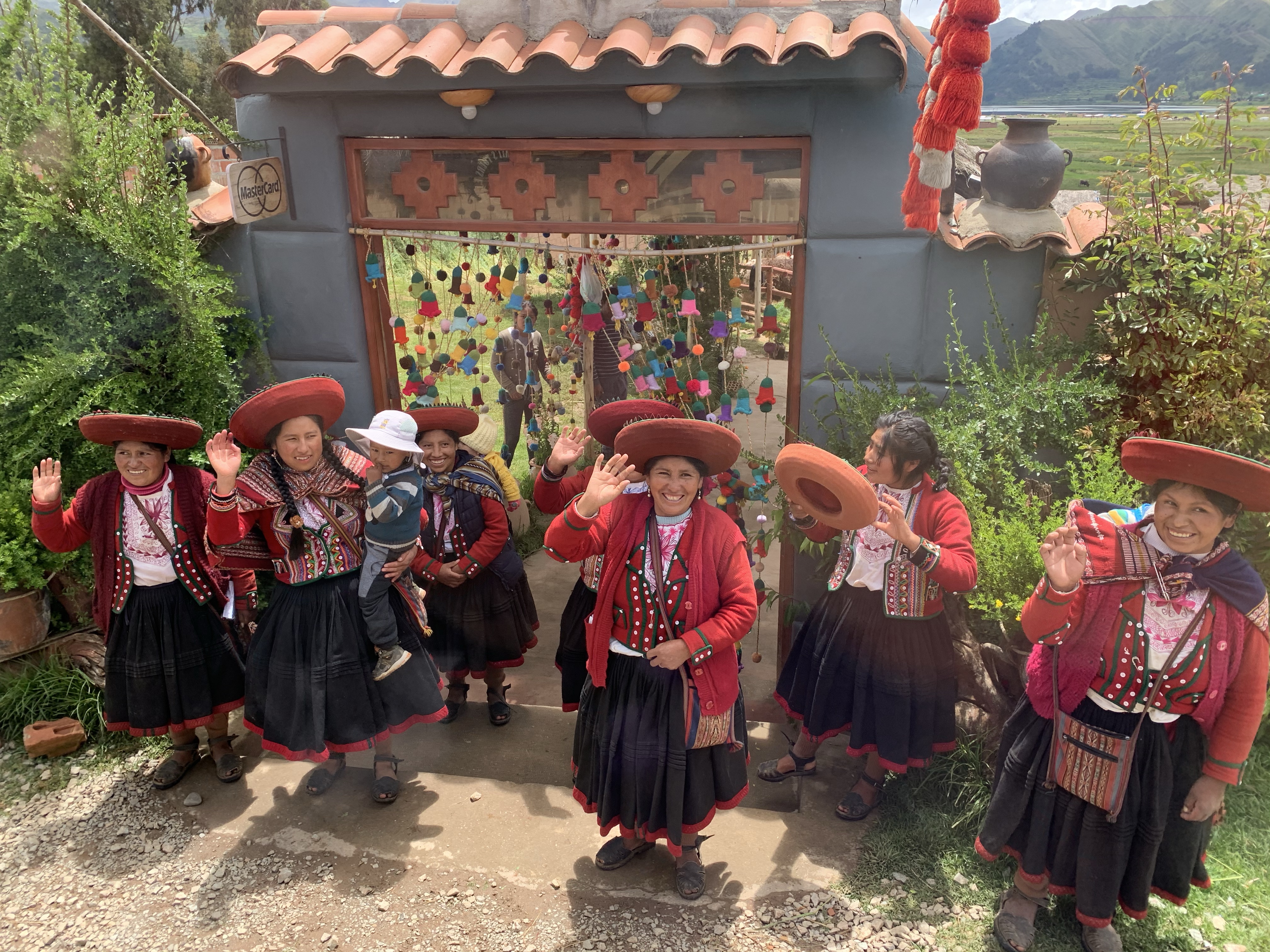
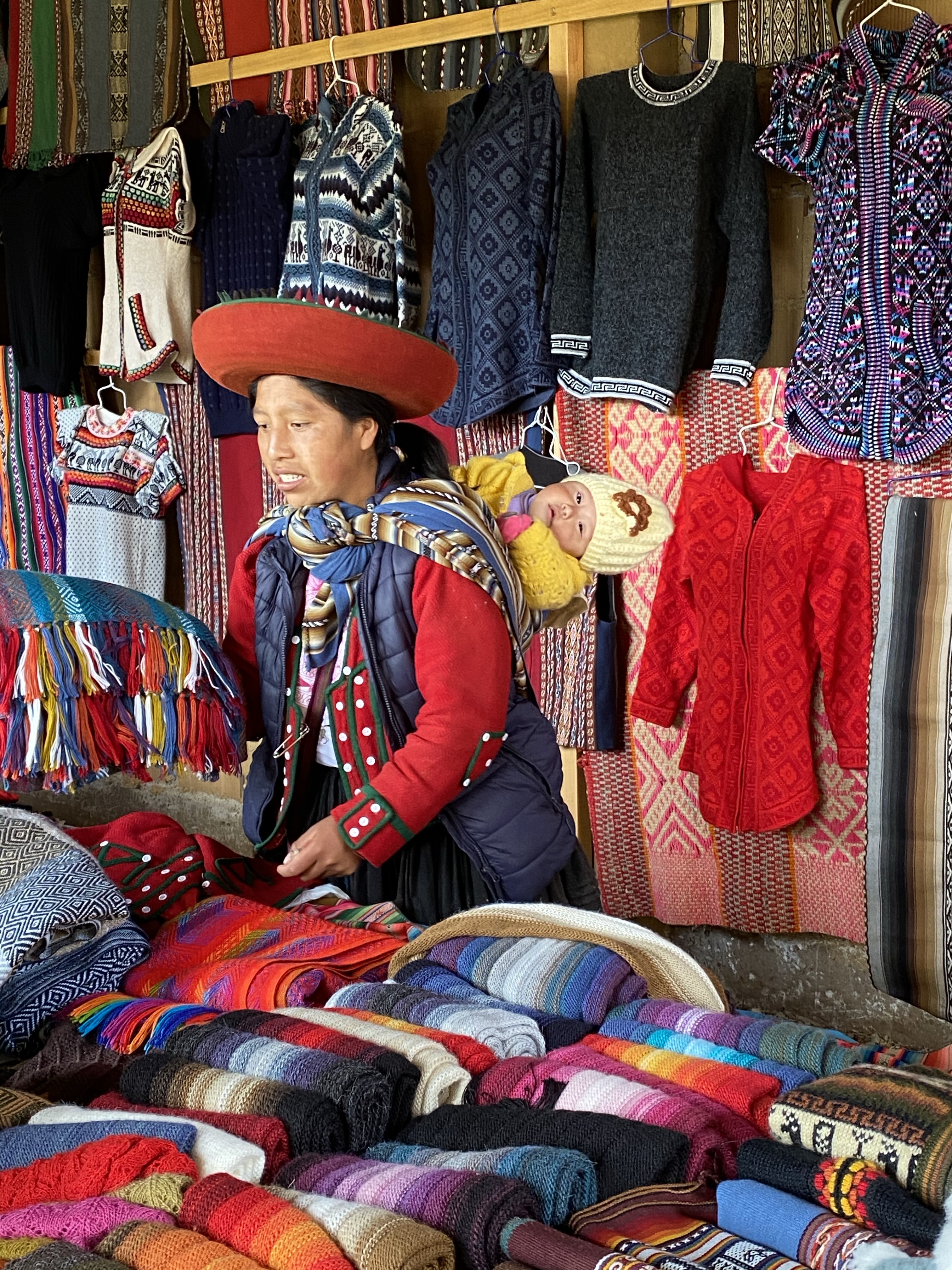
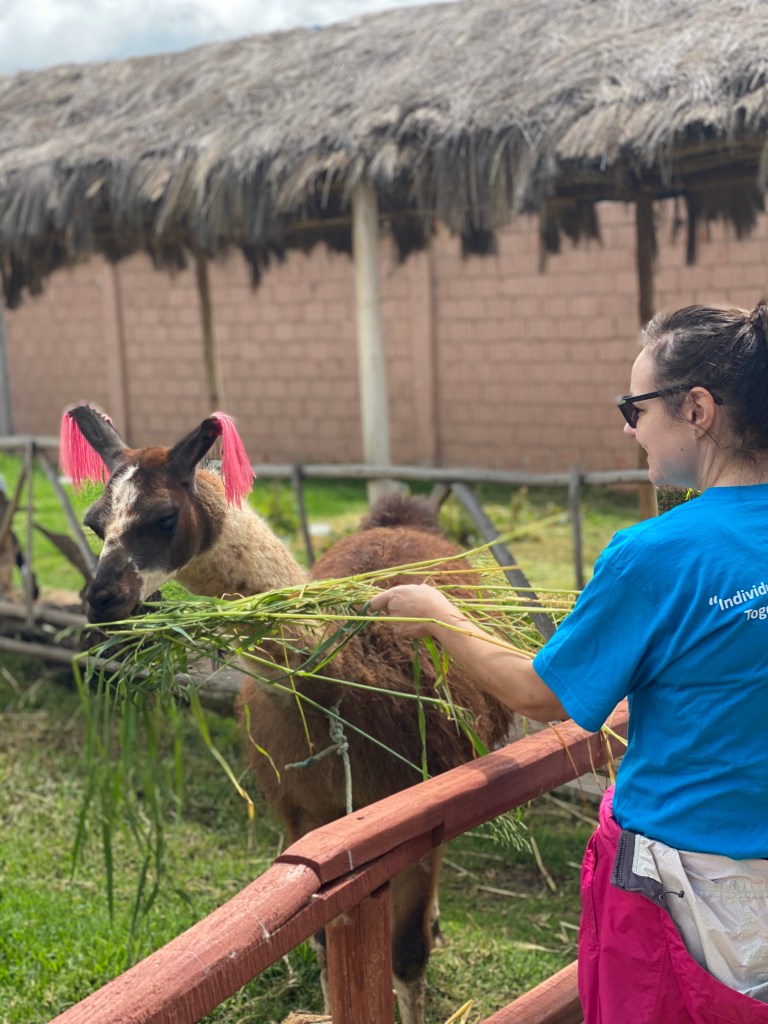
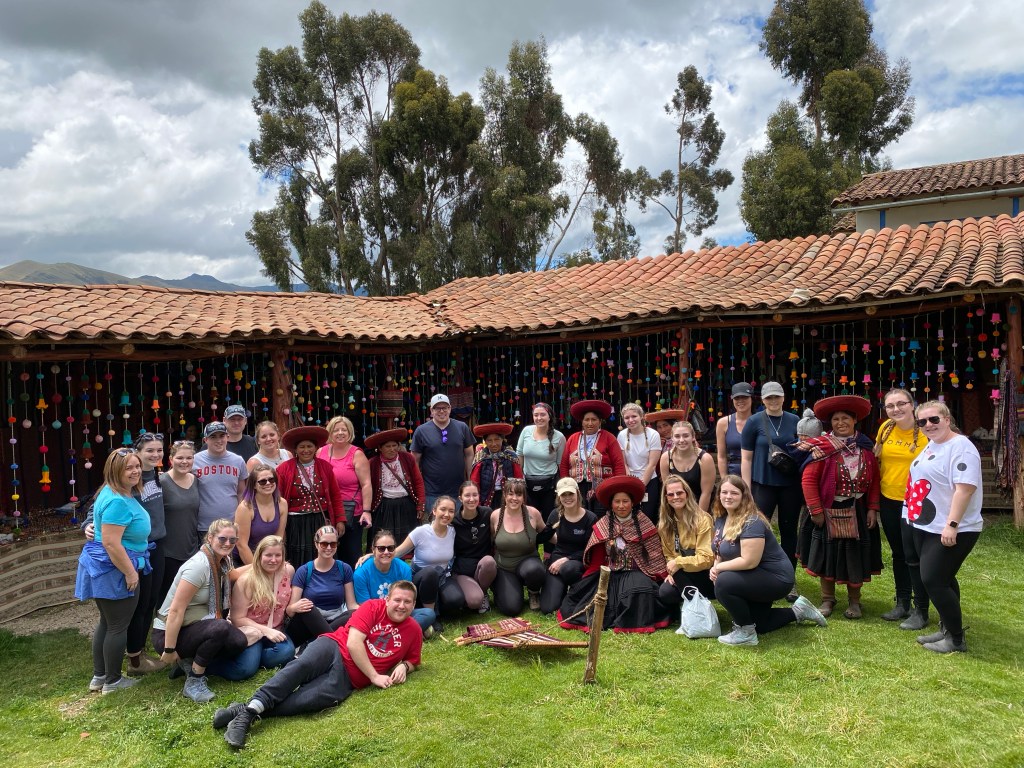
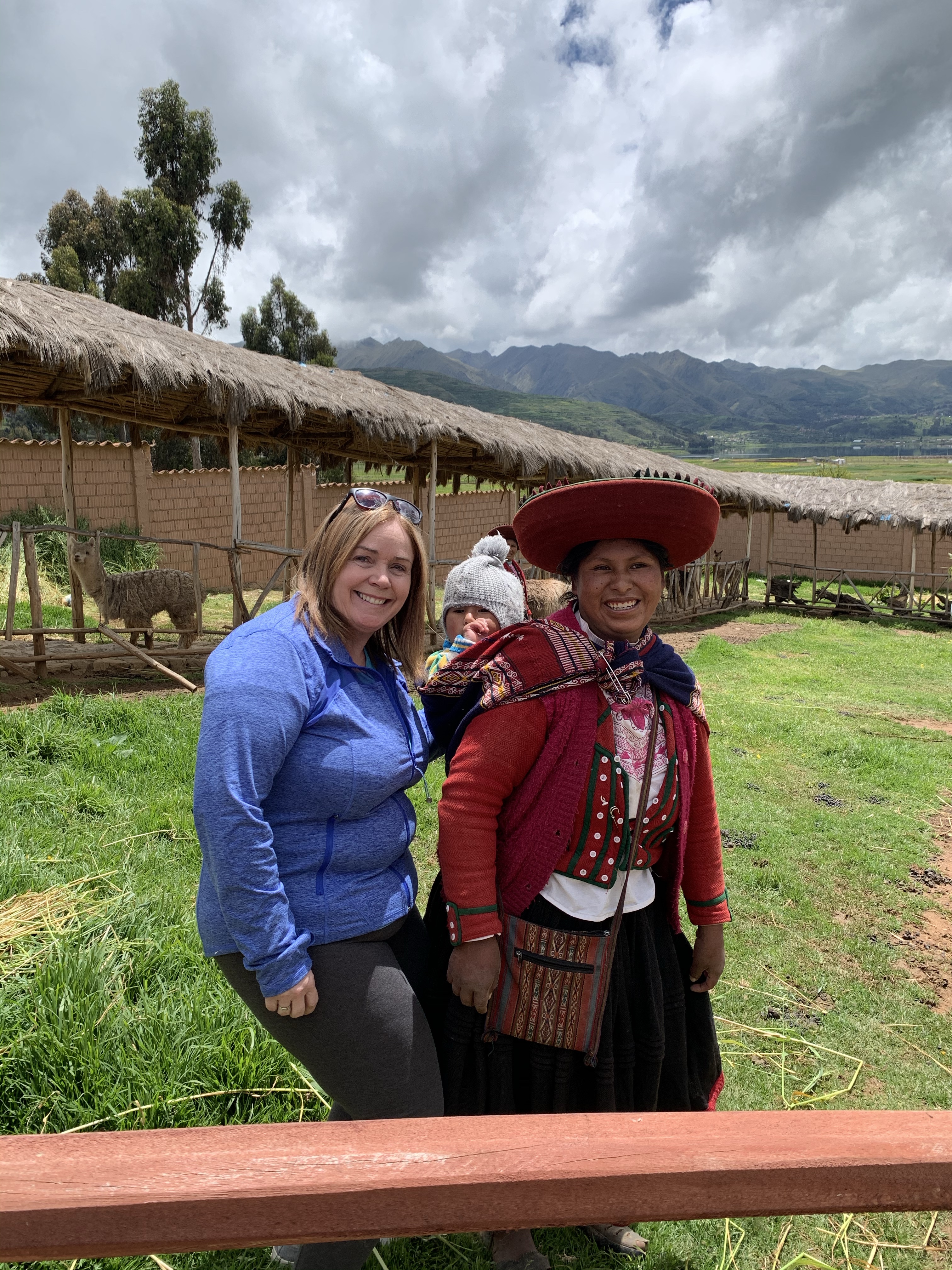
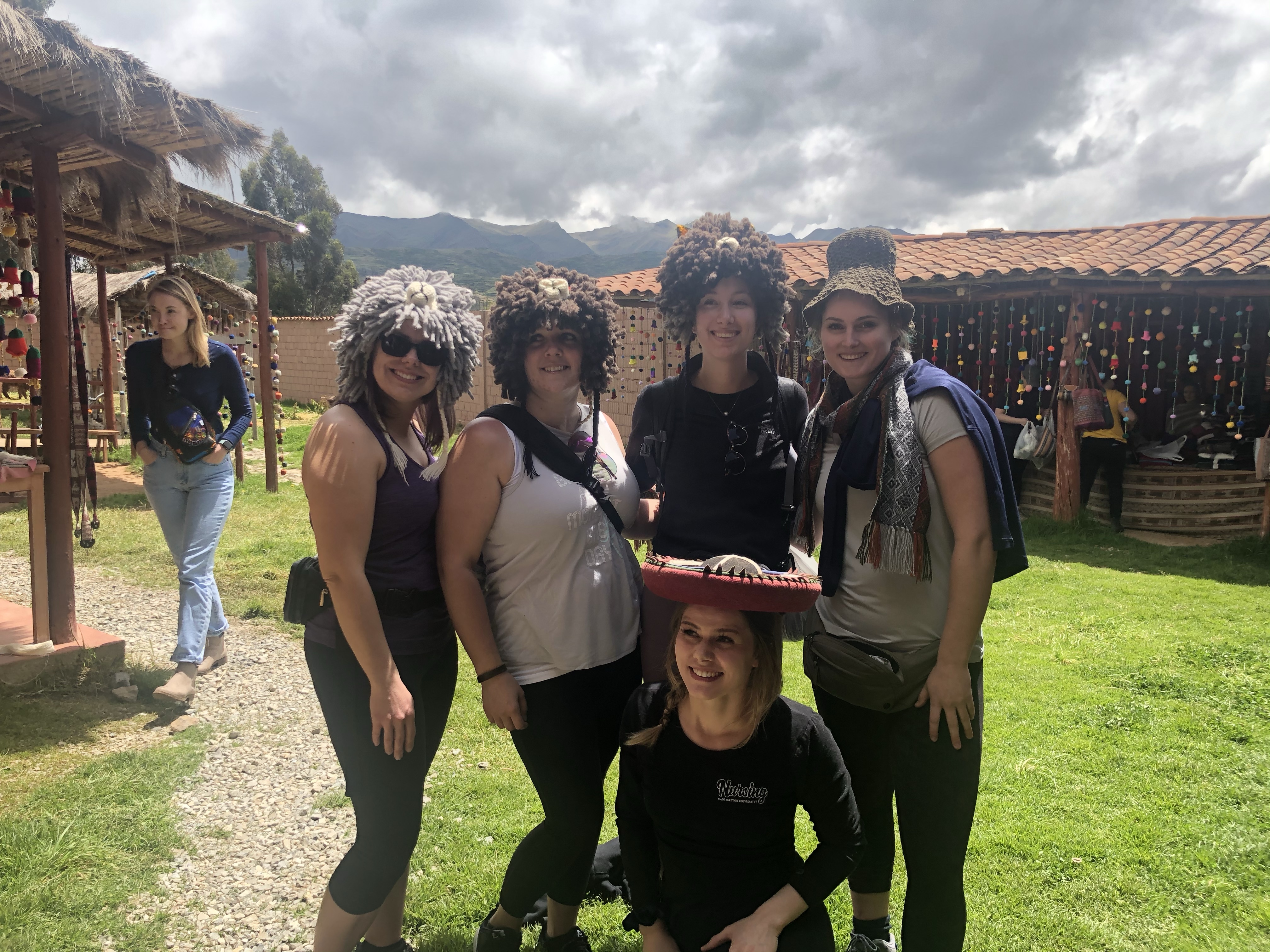
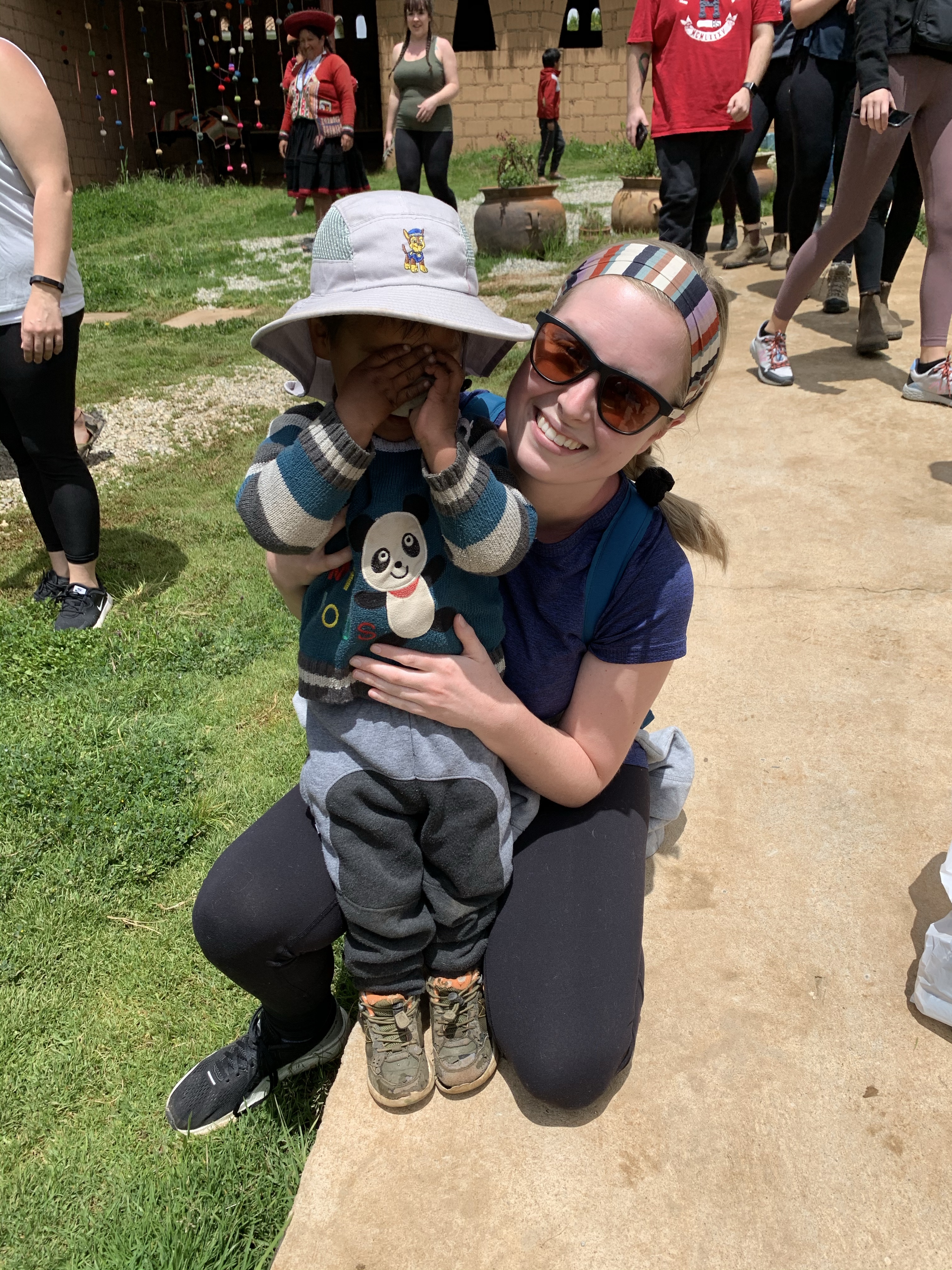
Our first stop was in a city named Chinchero at Centro textil Lluvia. Here we met some wonderful ladies who showed us about cleaning and colouring of different wools.
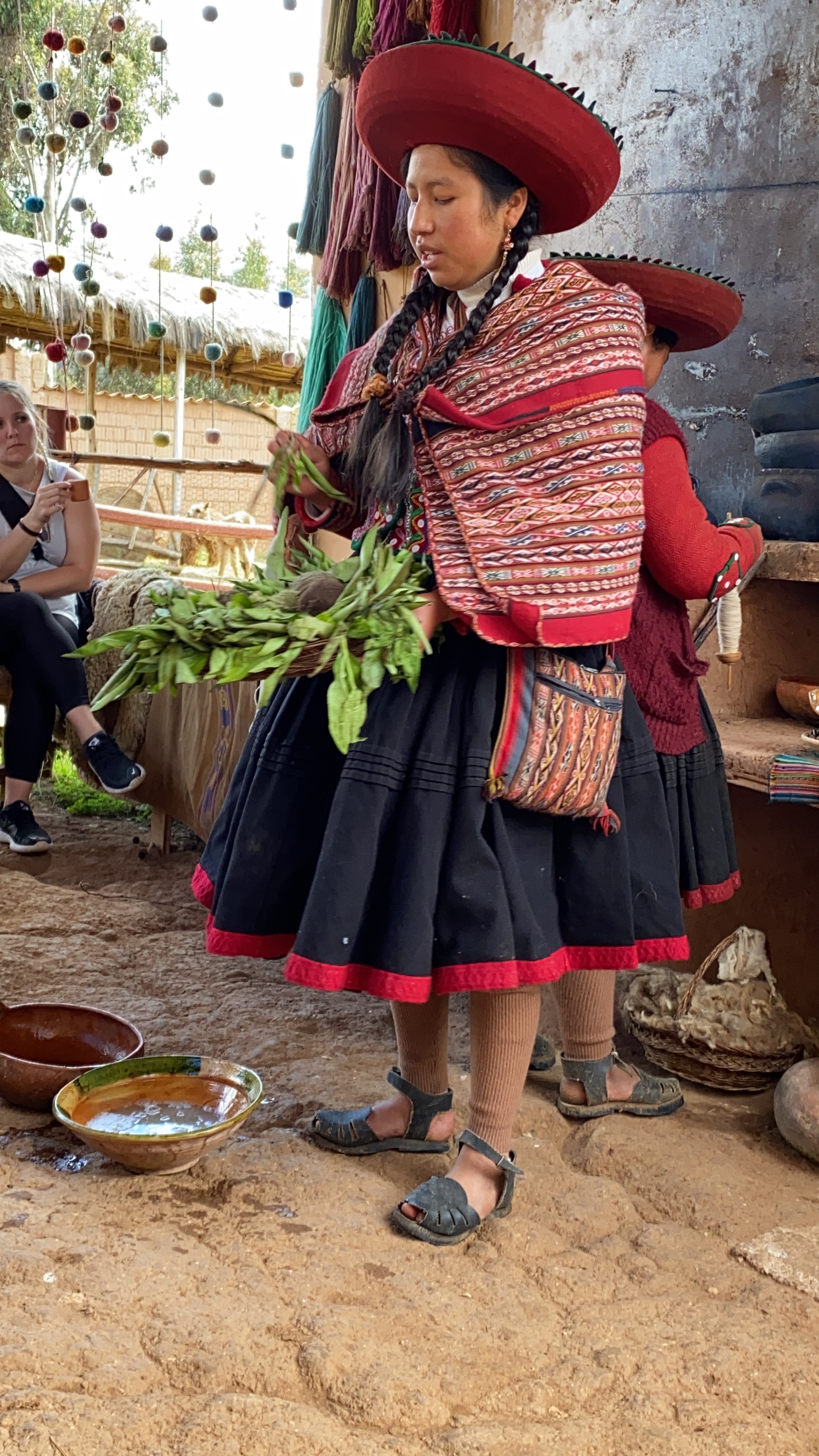
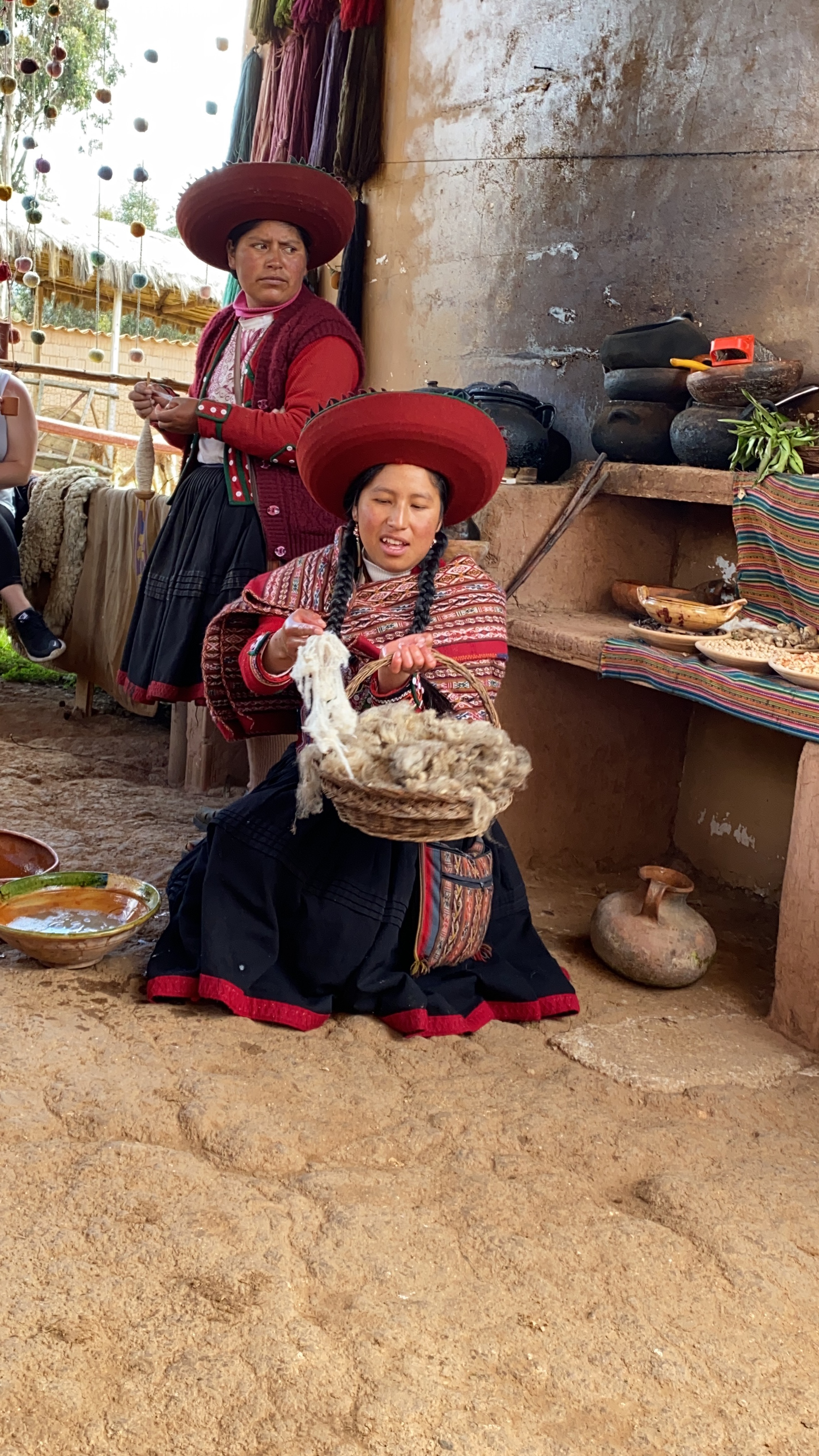
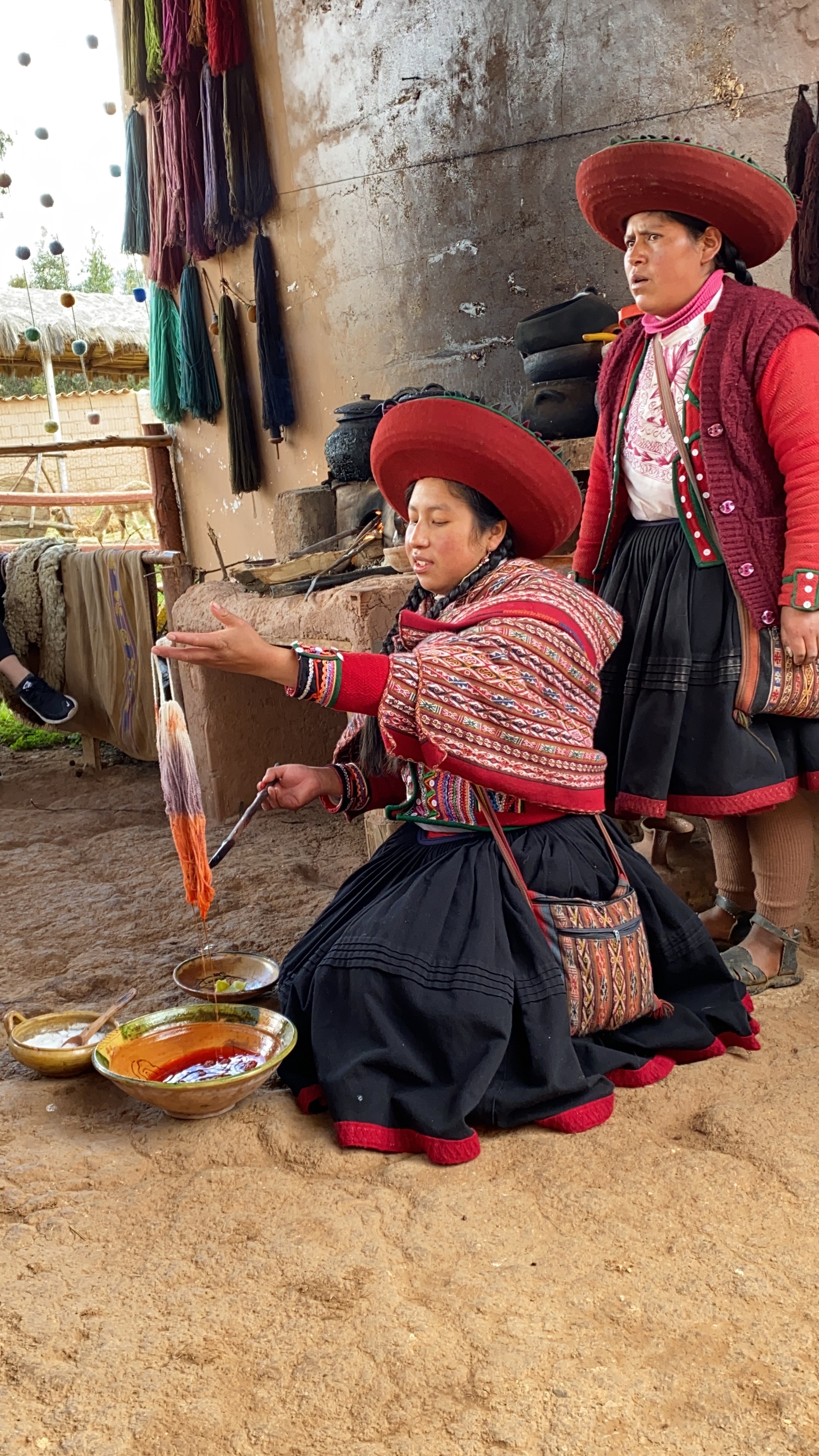
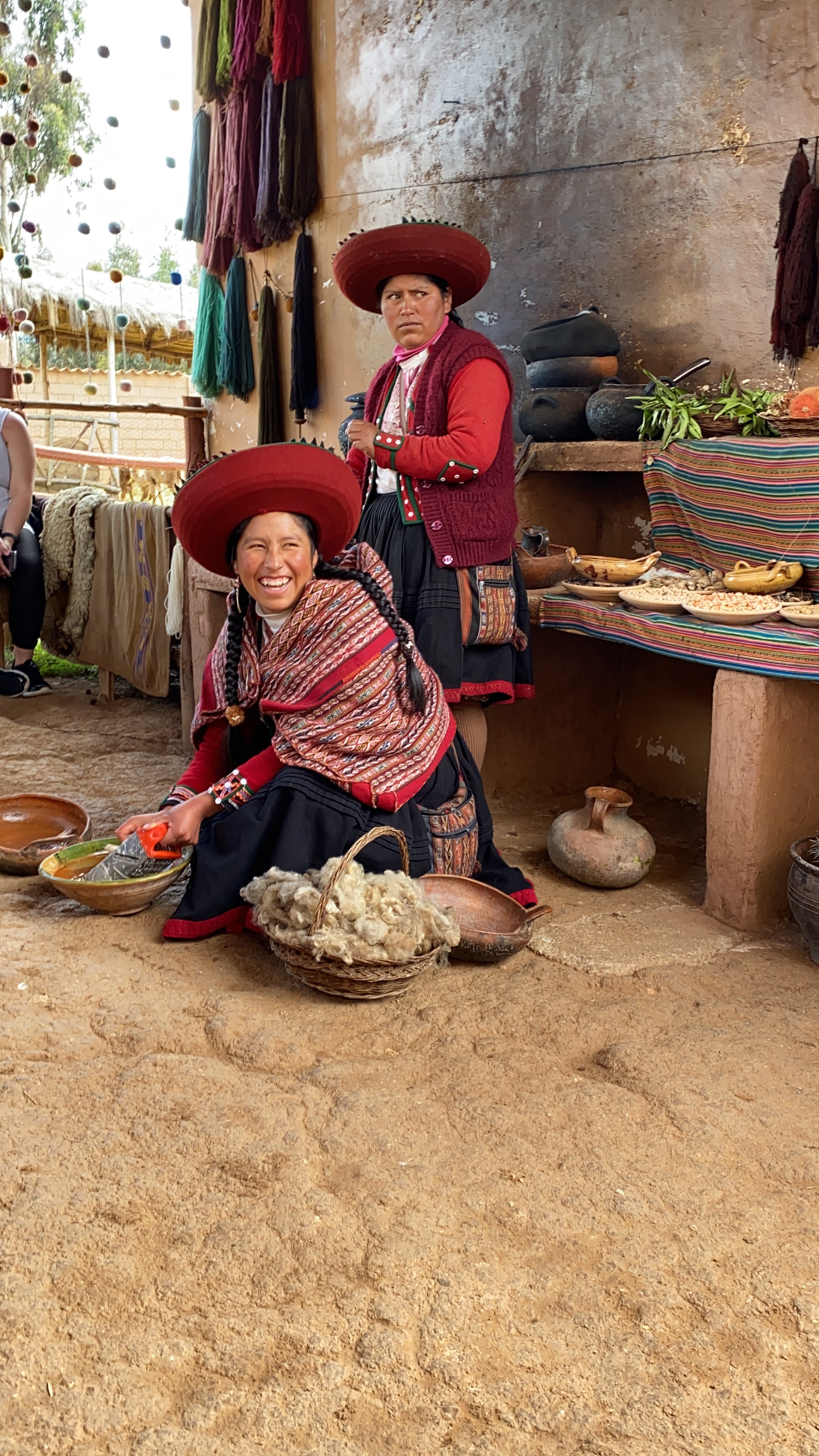
The soap the lady made turned the alpaca wool from grey (dirty) to pure white. The lady made a comment saying it could get rid of grey hair Karen made a comment that she could use some of that The lady then quickly made a very funny remark saying “sorry it’s too late”. Everyone burst into laughter! (See video below)
The ladies then took us over to where they weave their blankets, scarves and table runners. They showed us the process. We were told that each blanket or table runner takes about 1 month to make and they take about 4-5 hours of each day to work on them.
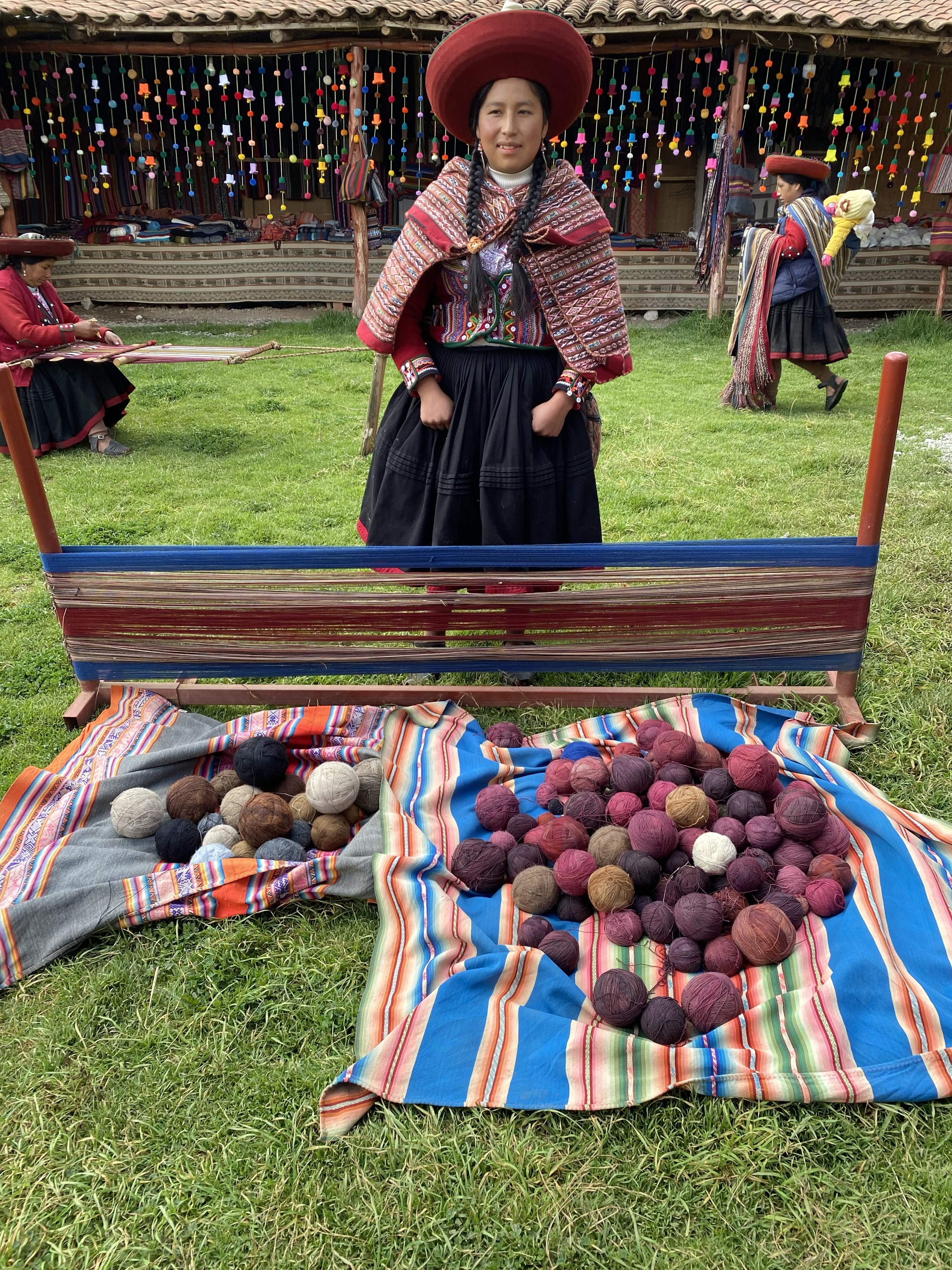
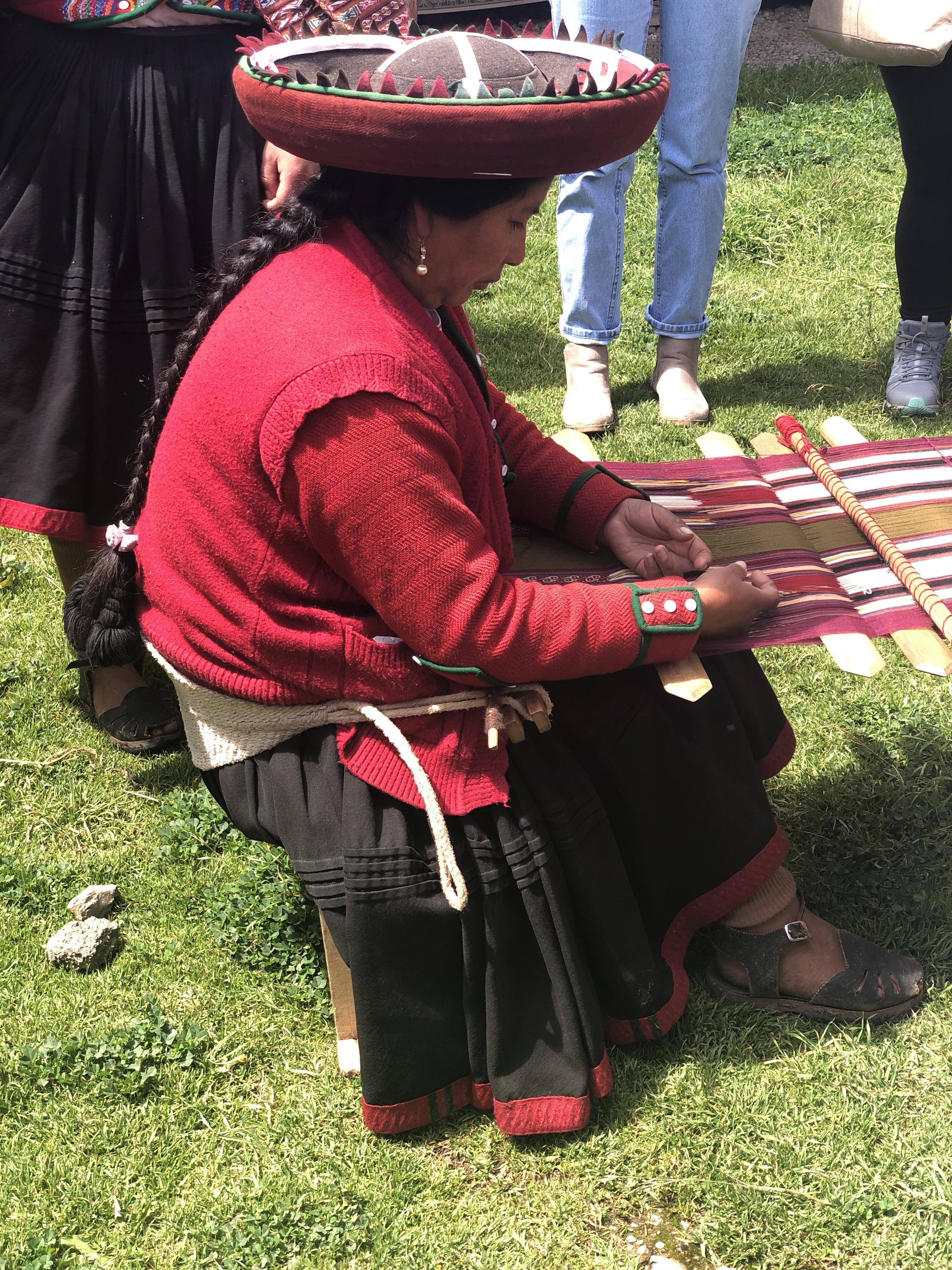
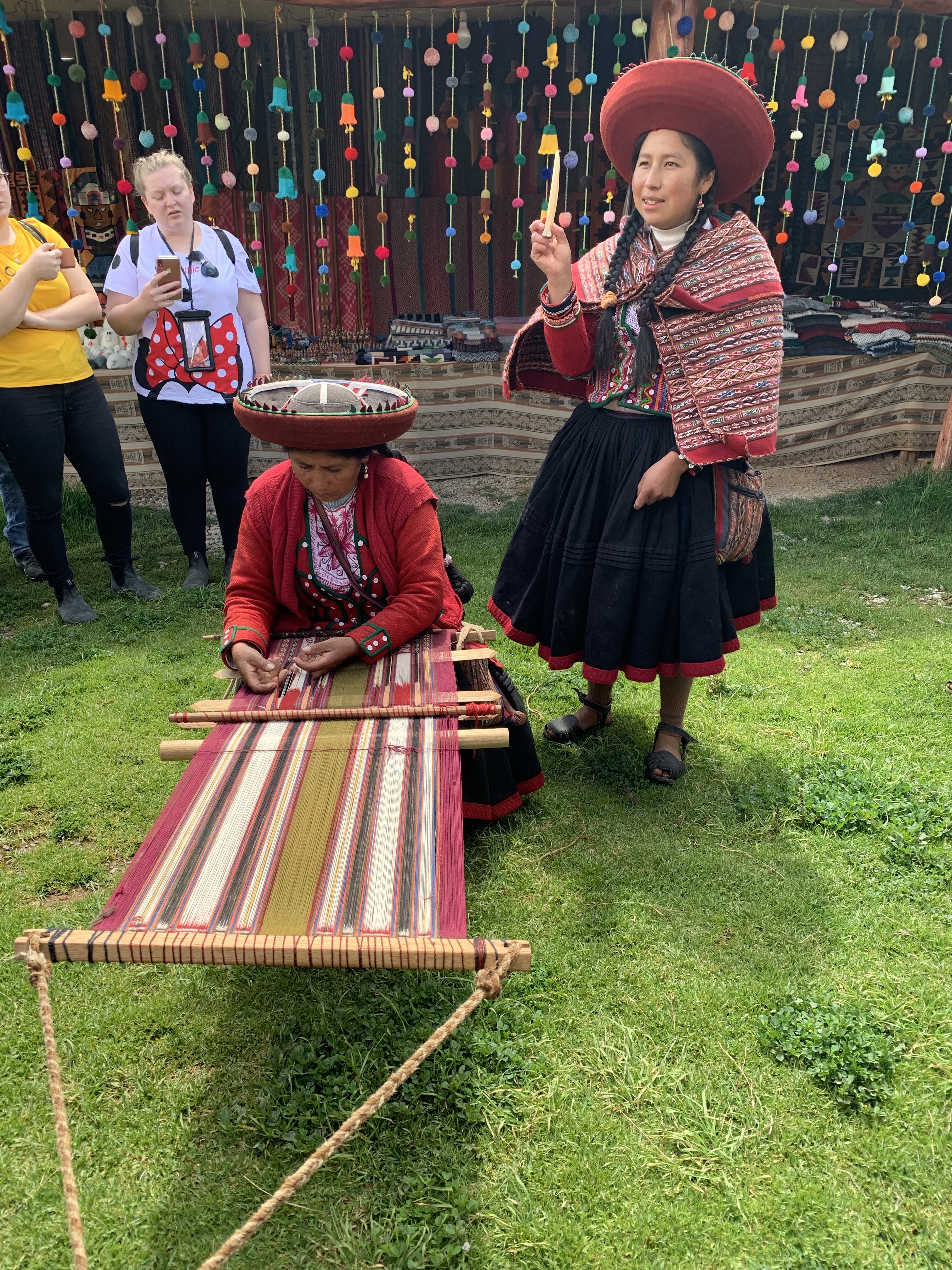
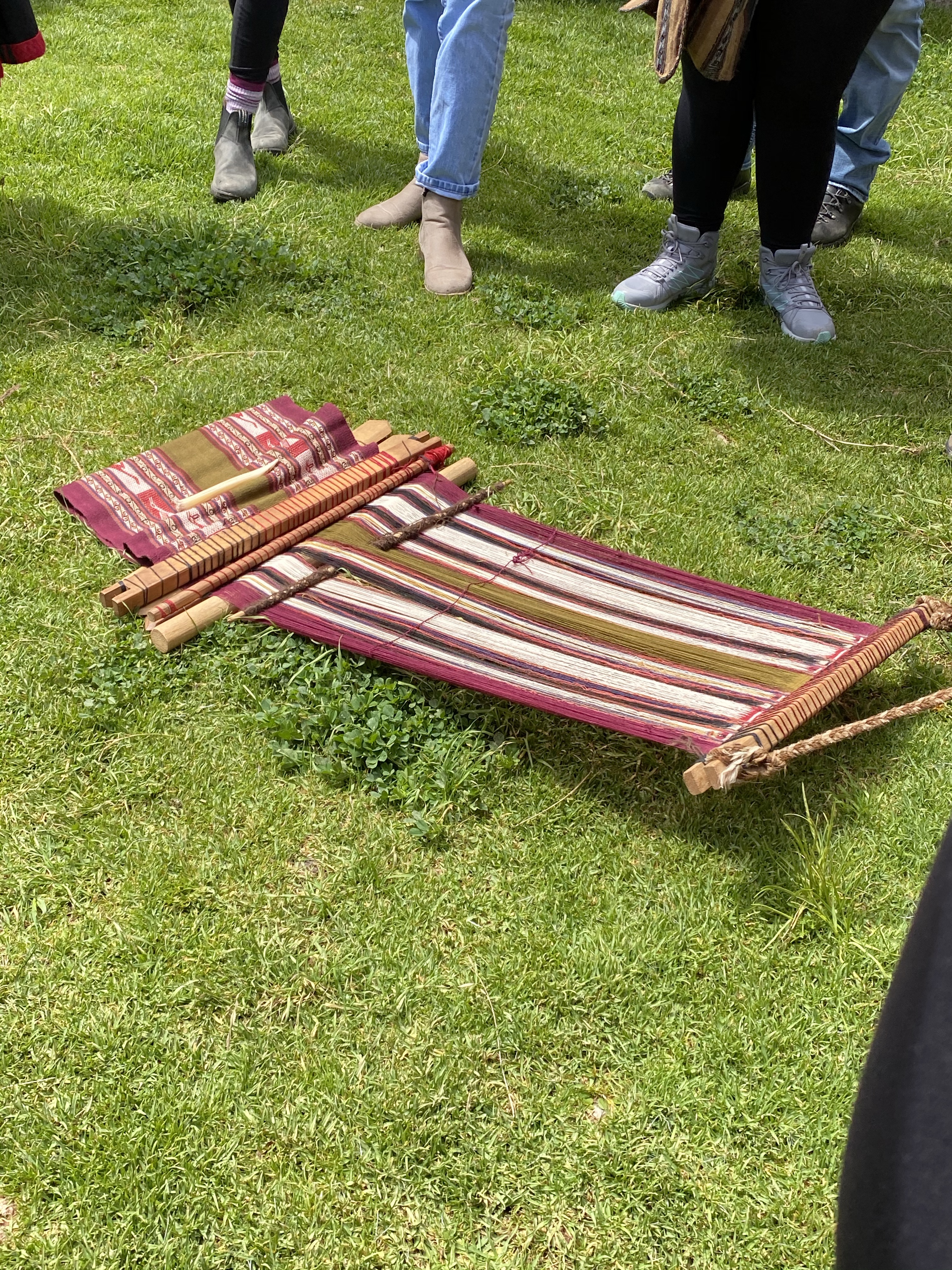
They then showed us a beautiful design on one of the table runners and broke down what each piece/symbol means.
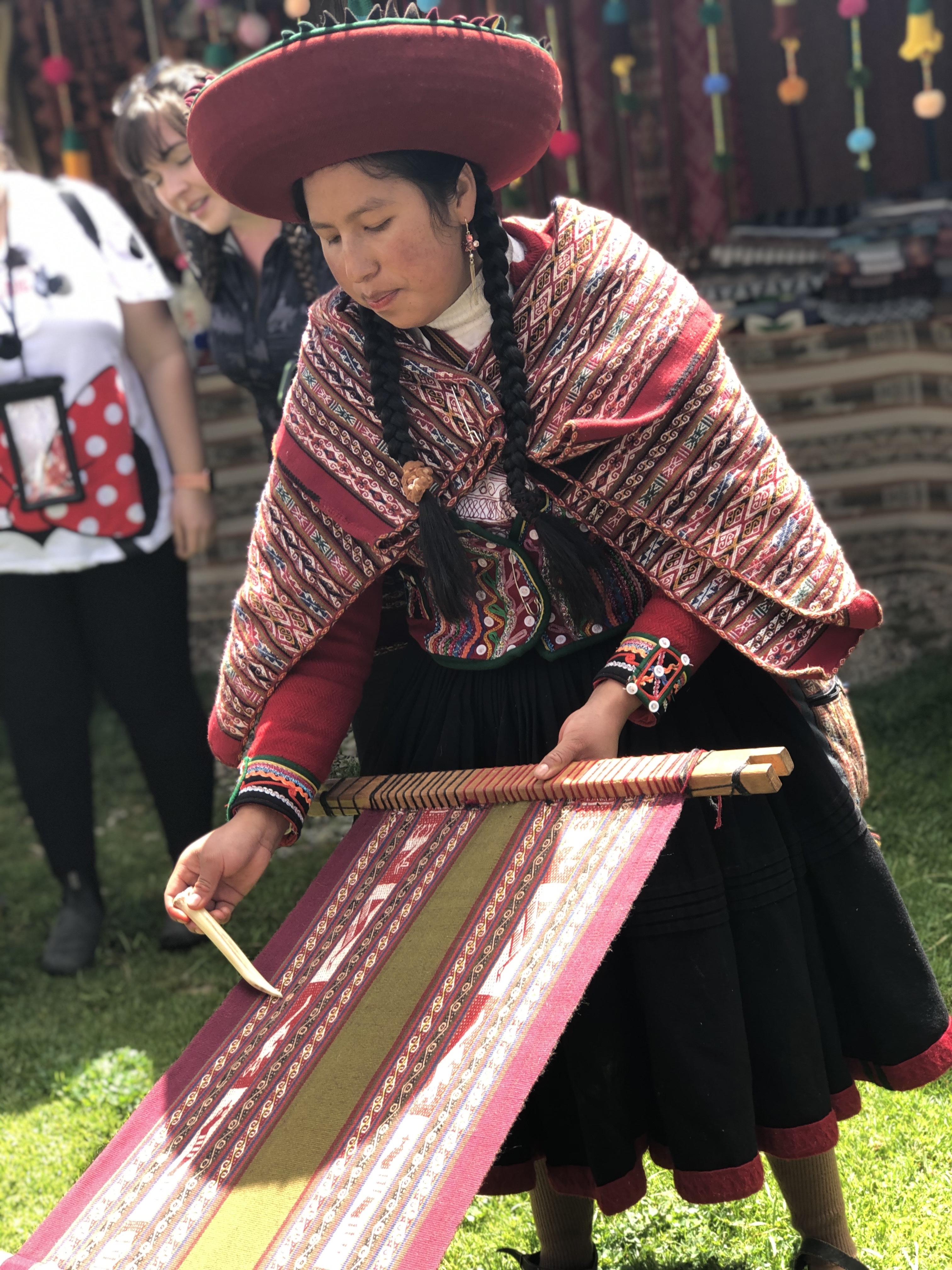
She explains that there is a Snake, puma, and a candour- each representing a different thing( like strength, wisdom, power, etc. )The colour green running down the middle of the table runner represents Mother Earth and the land. The zigzag design represents the Inca trial, it is finished with a border that they call the princess eye.
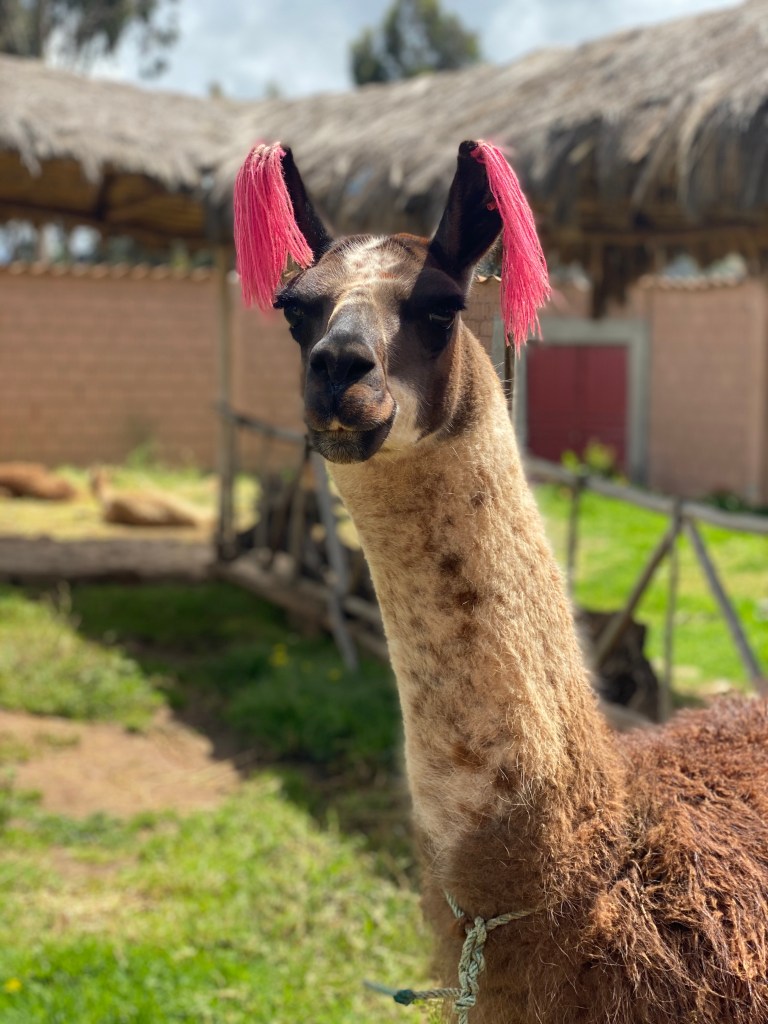
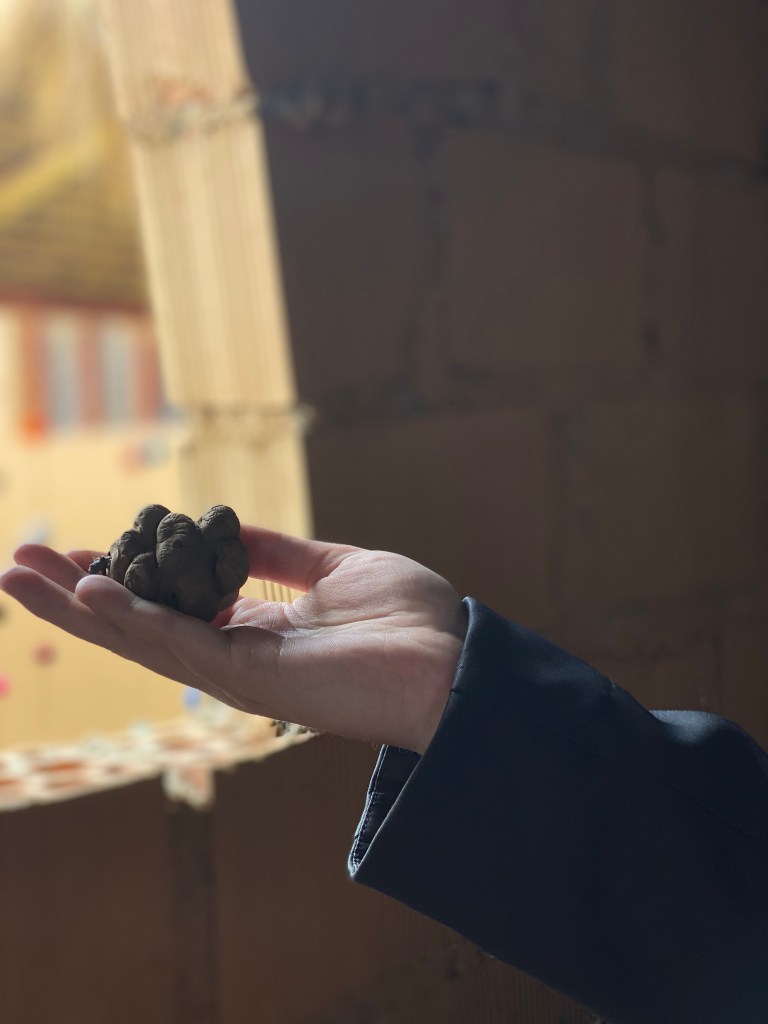
It was said as a part of a marriage ceremony the woman must peel a potato to show she has good cooking skills.
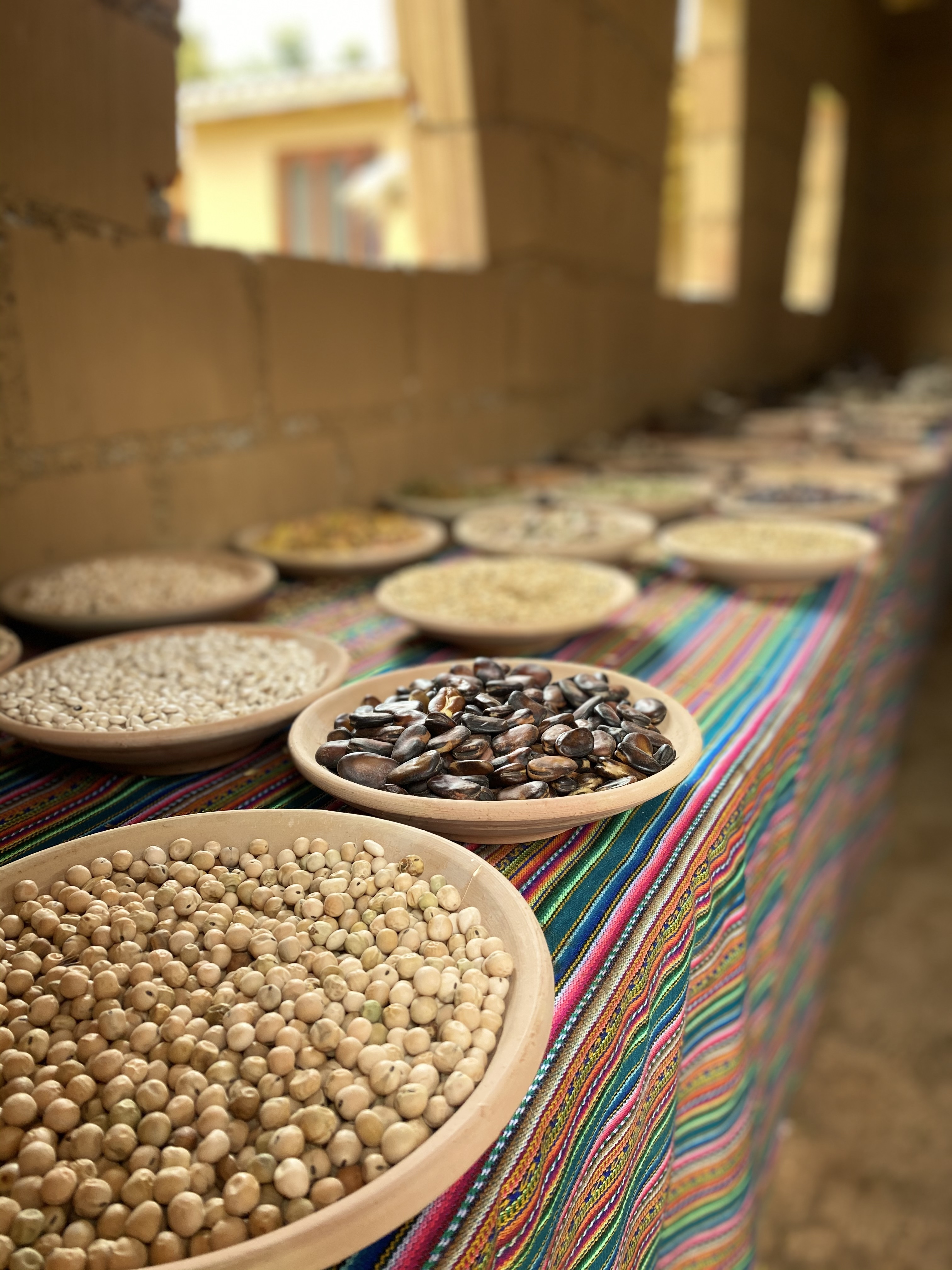
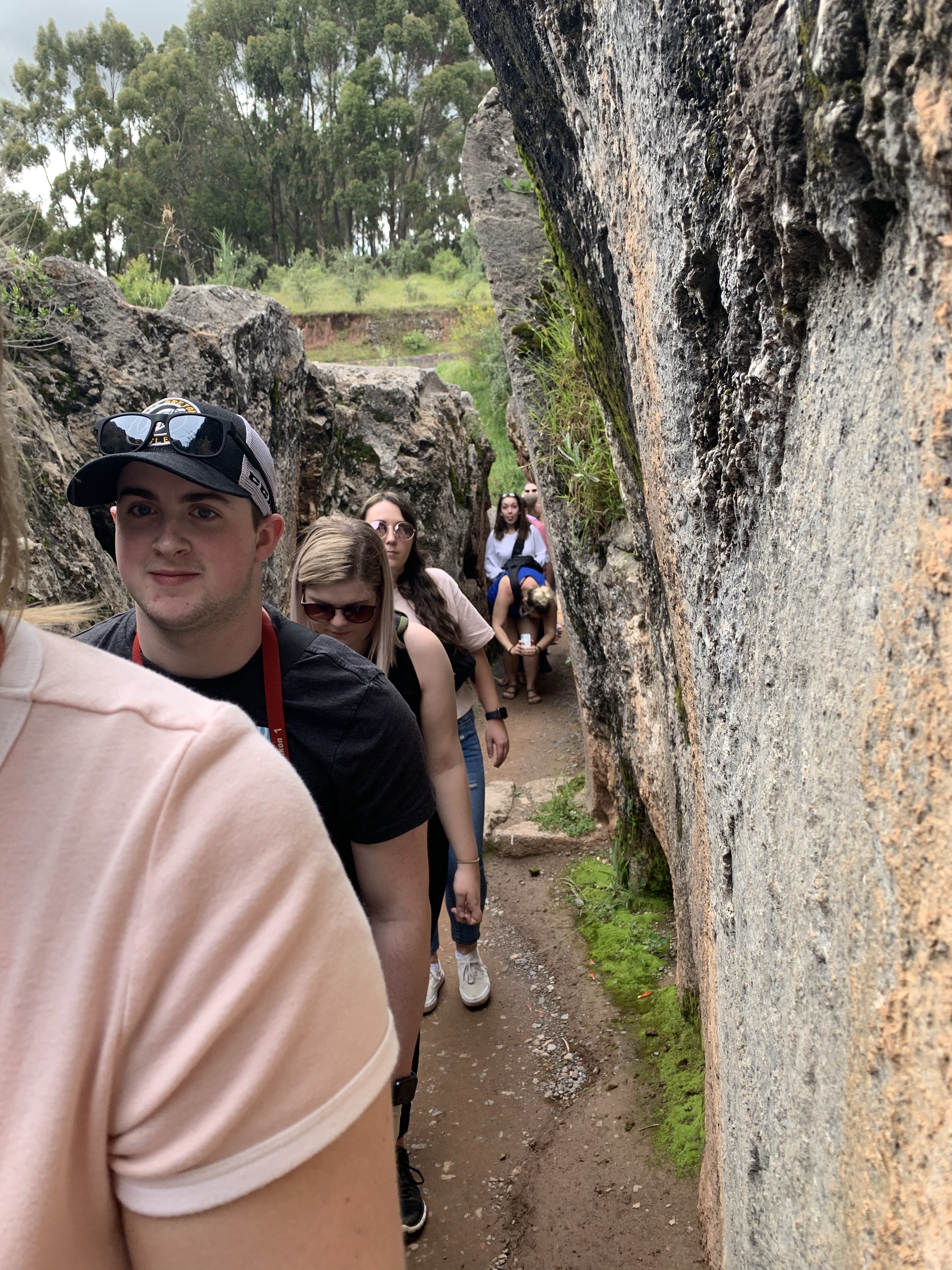
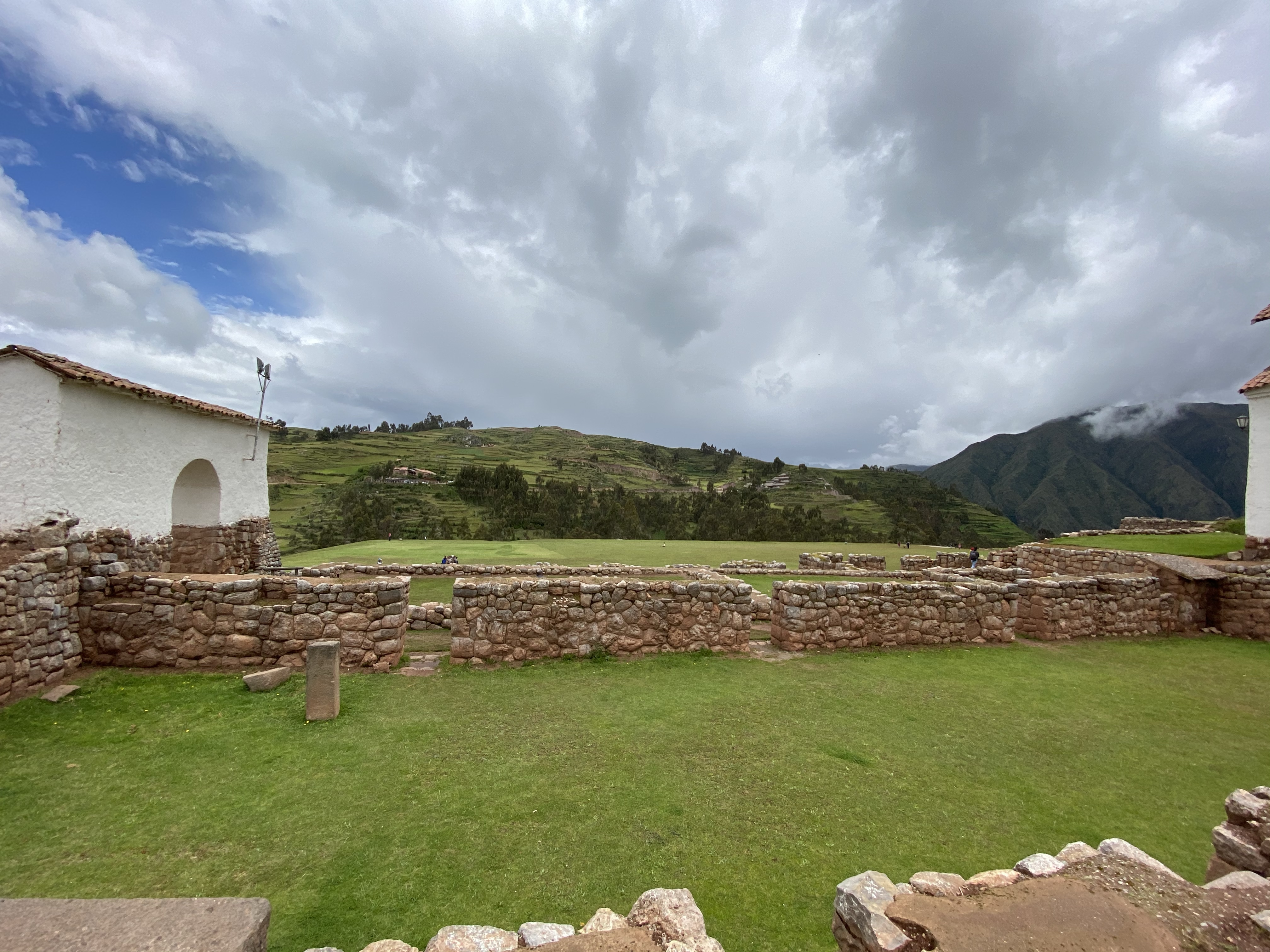
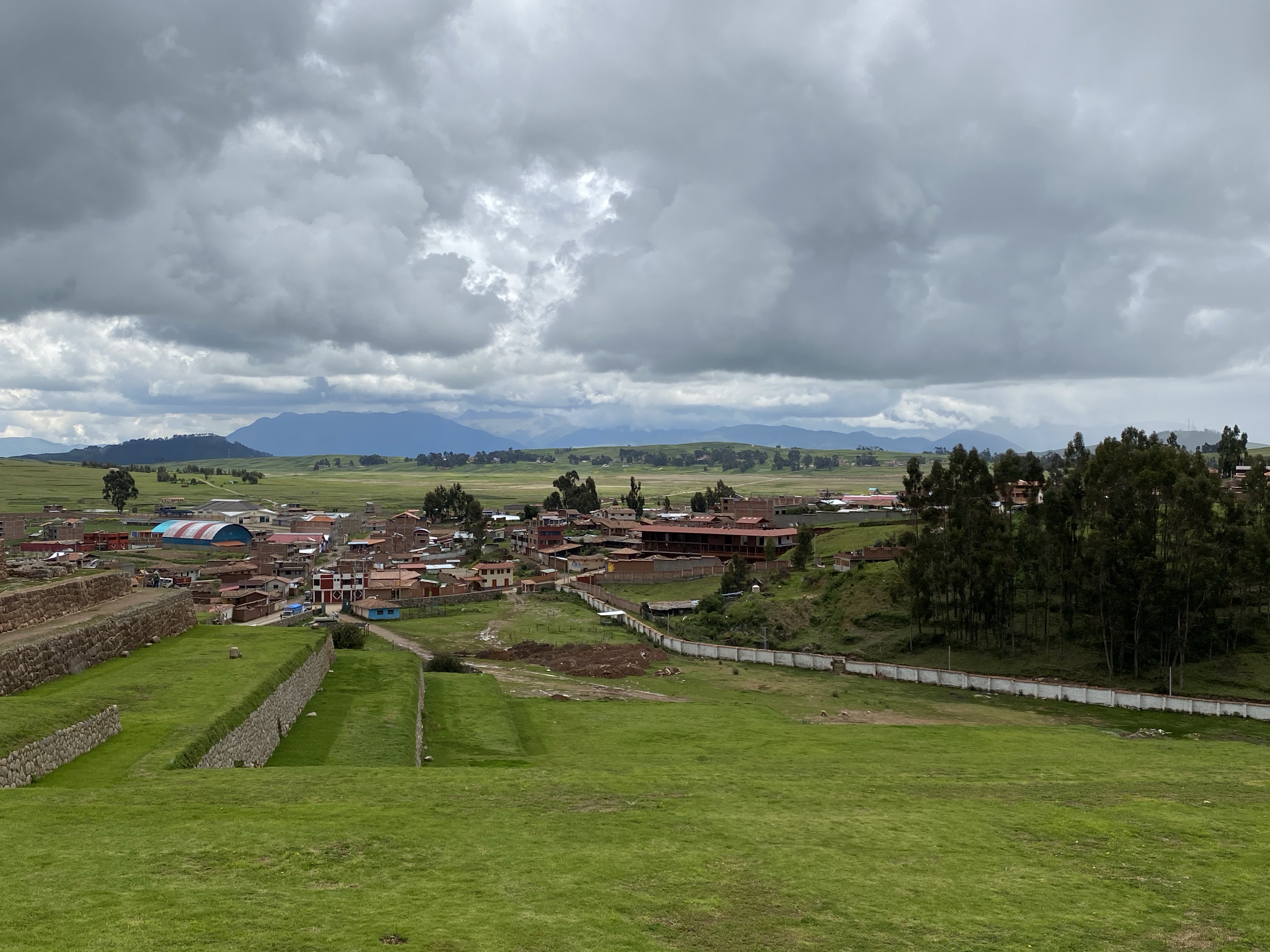
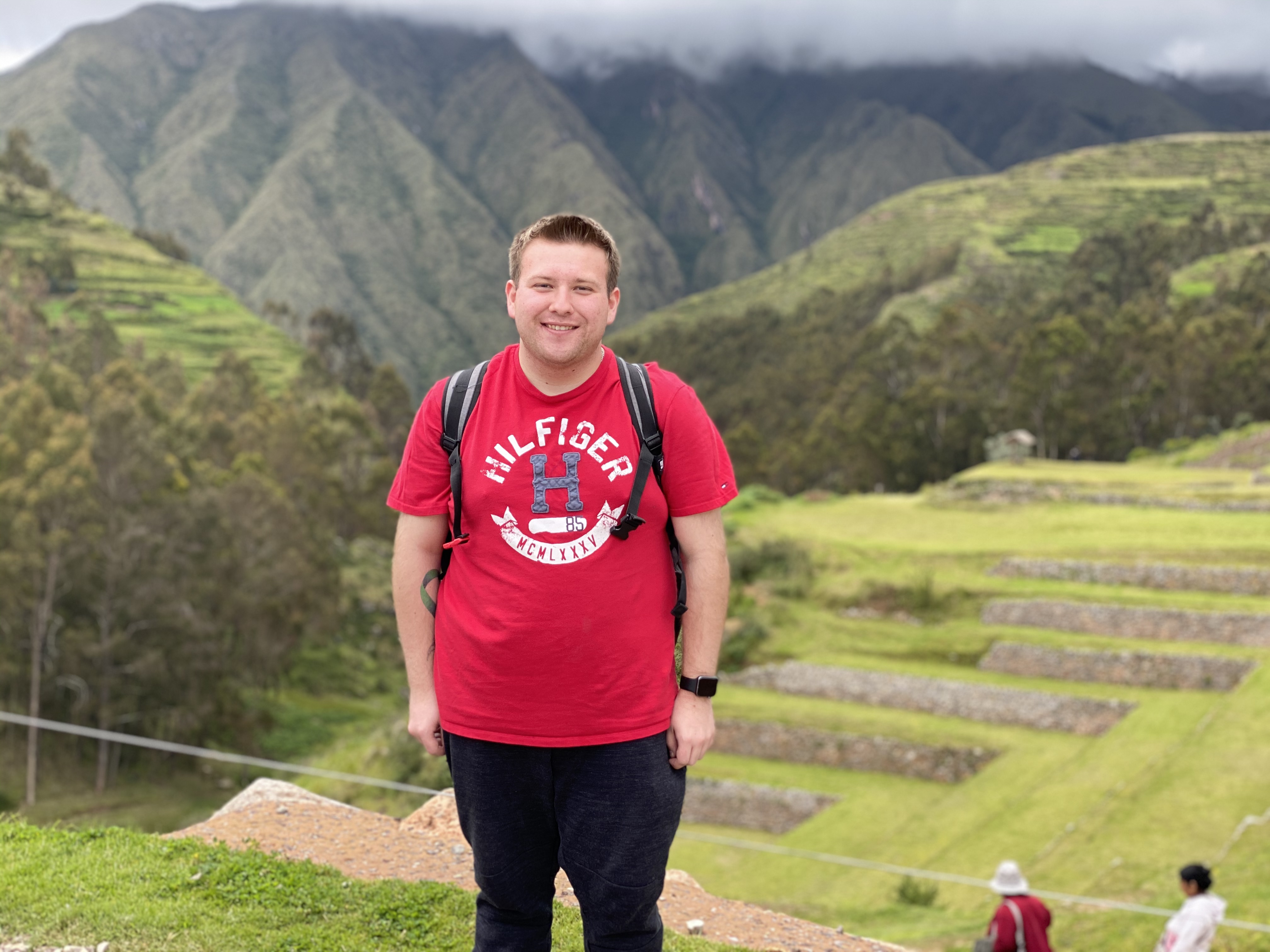
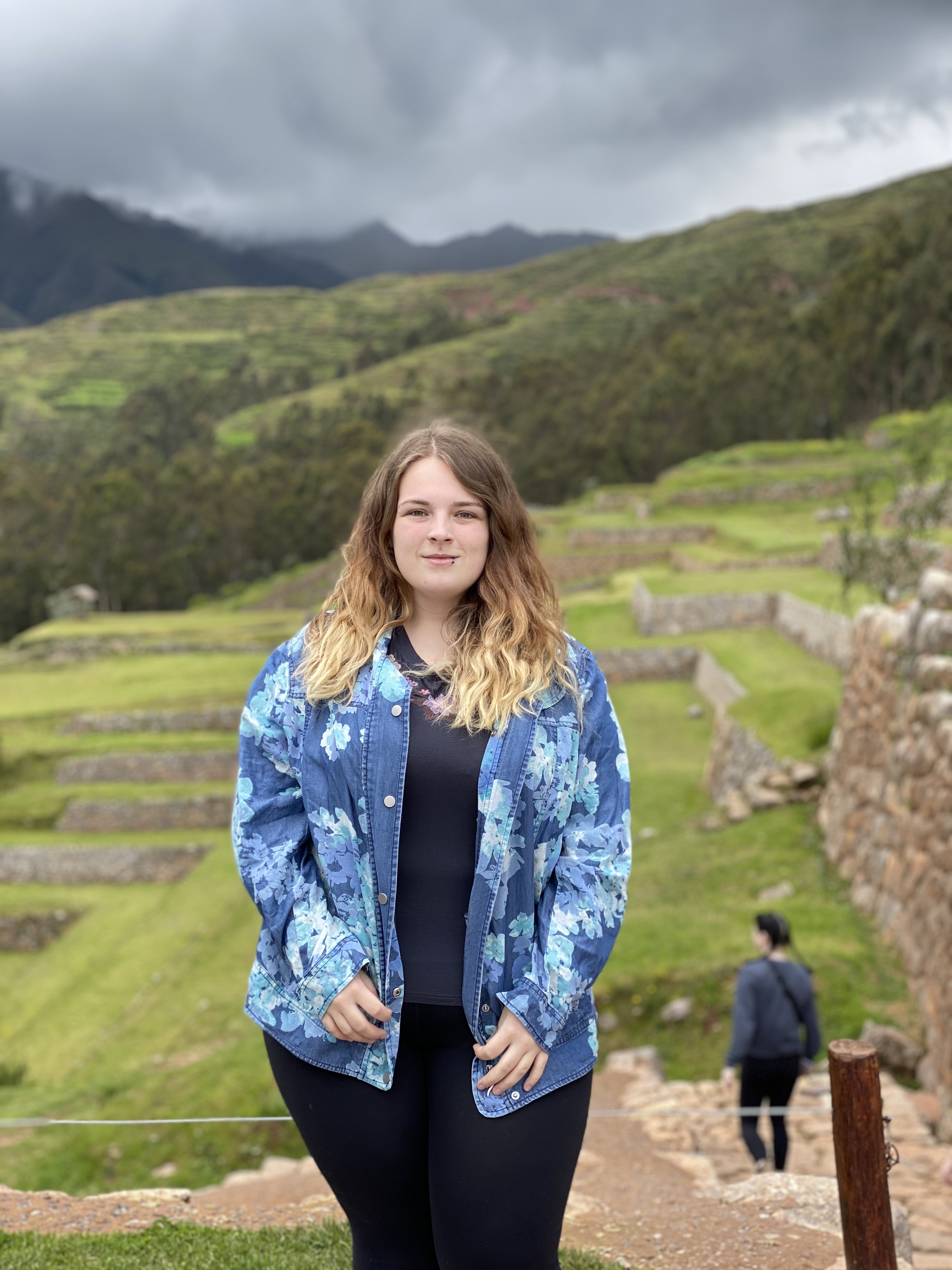
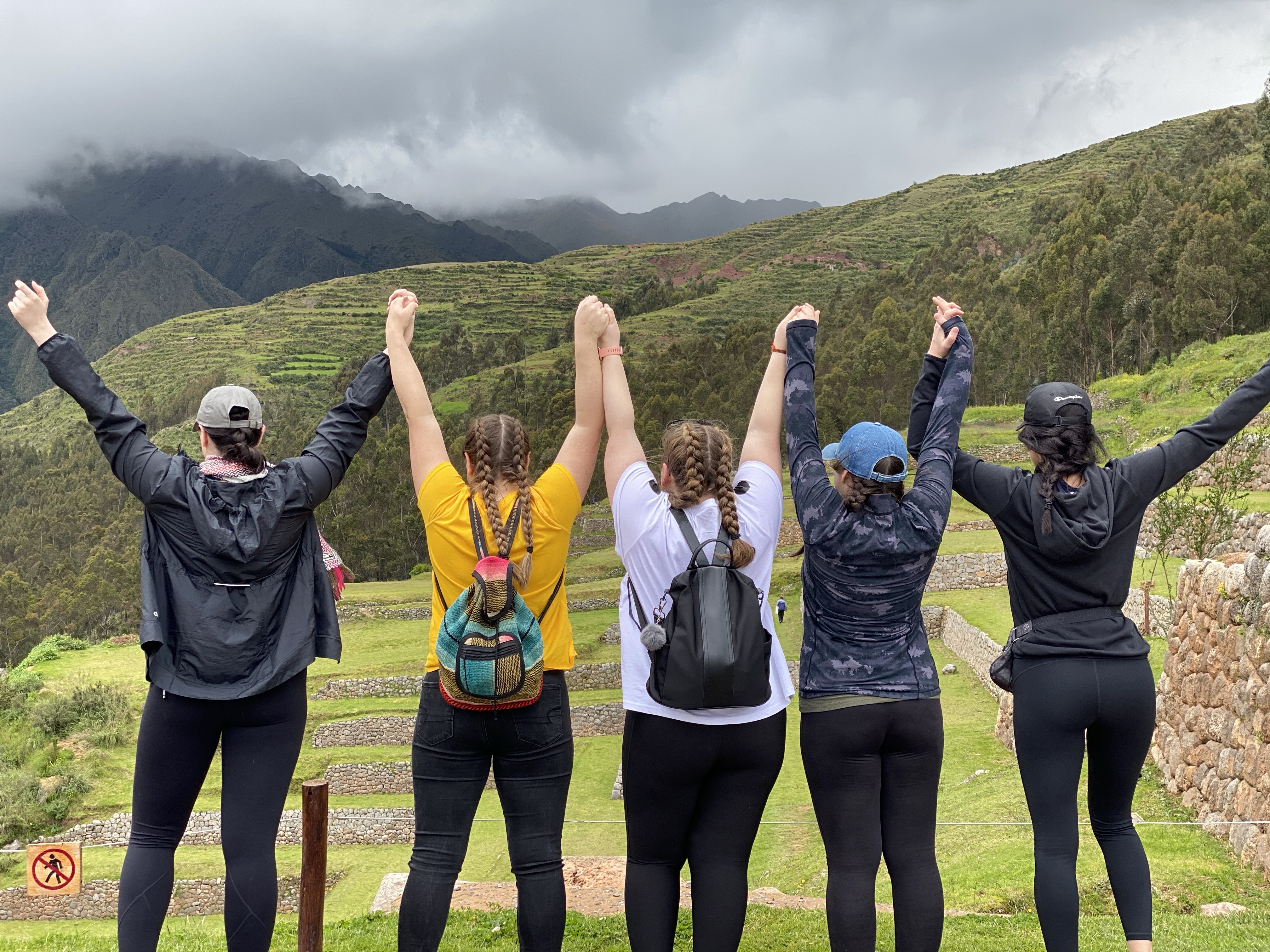
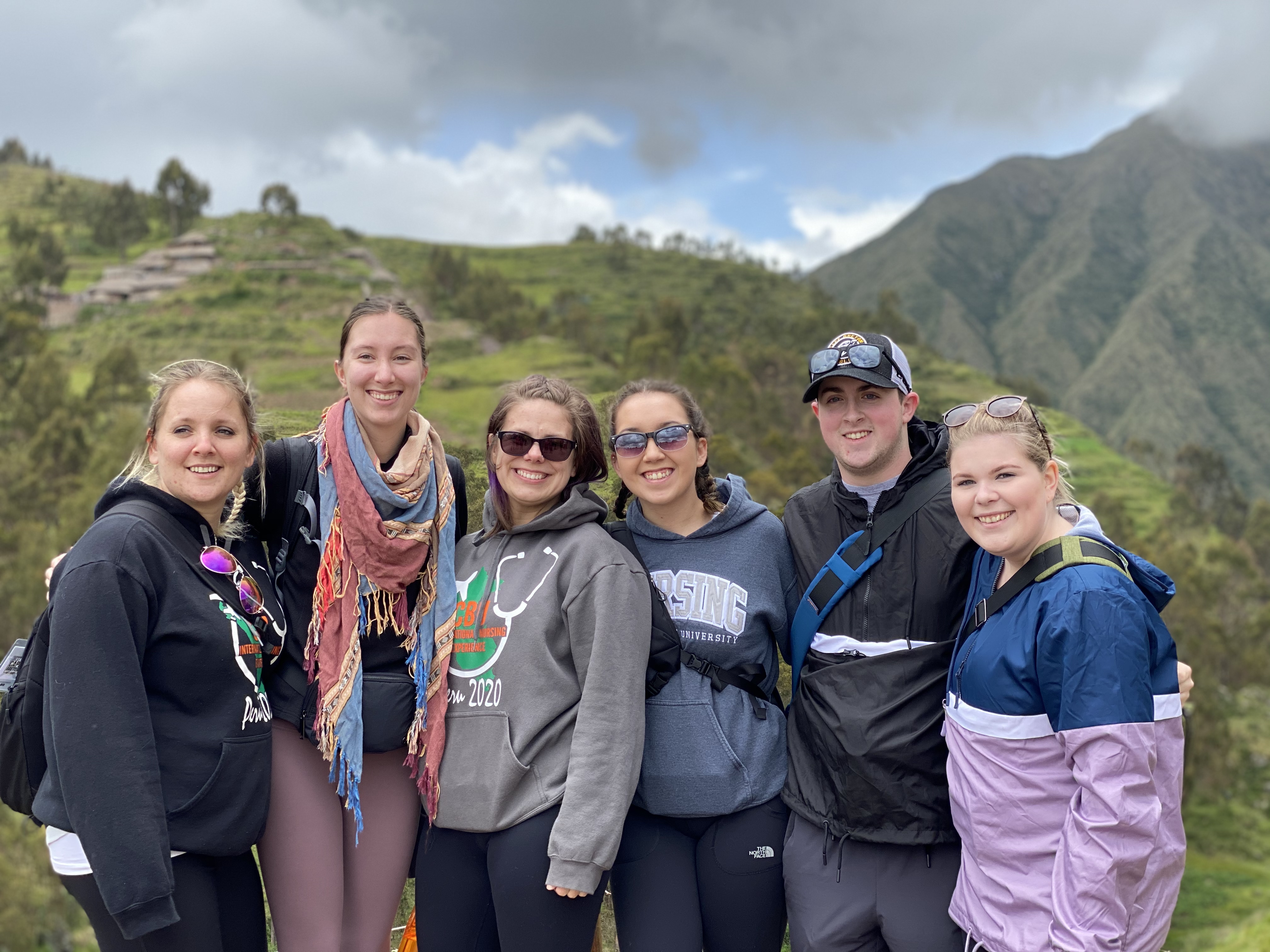
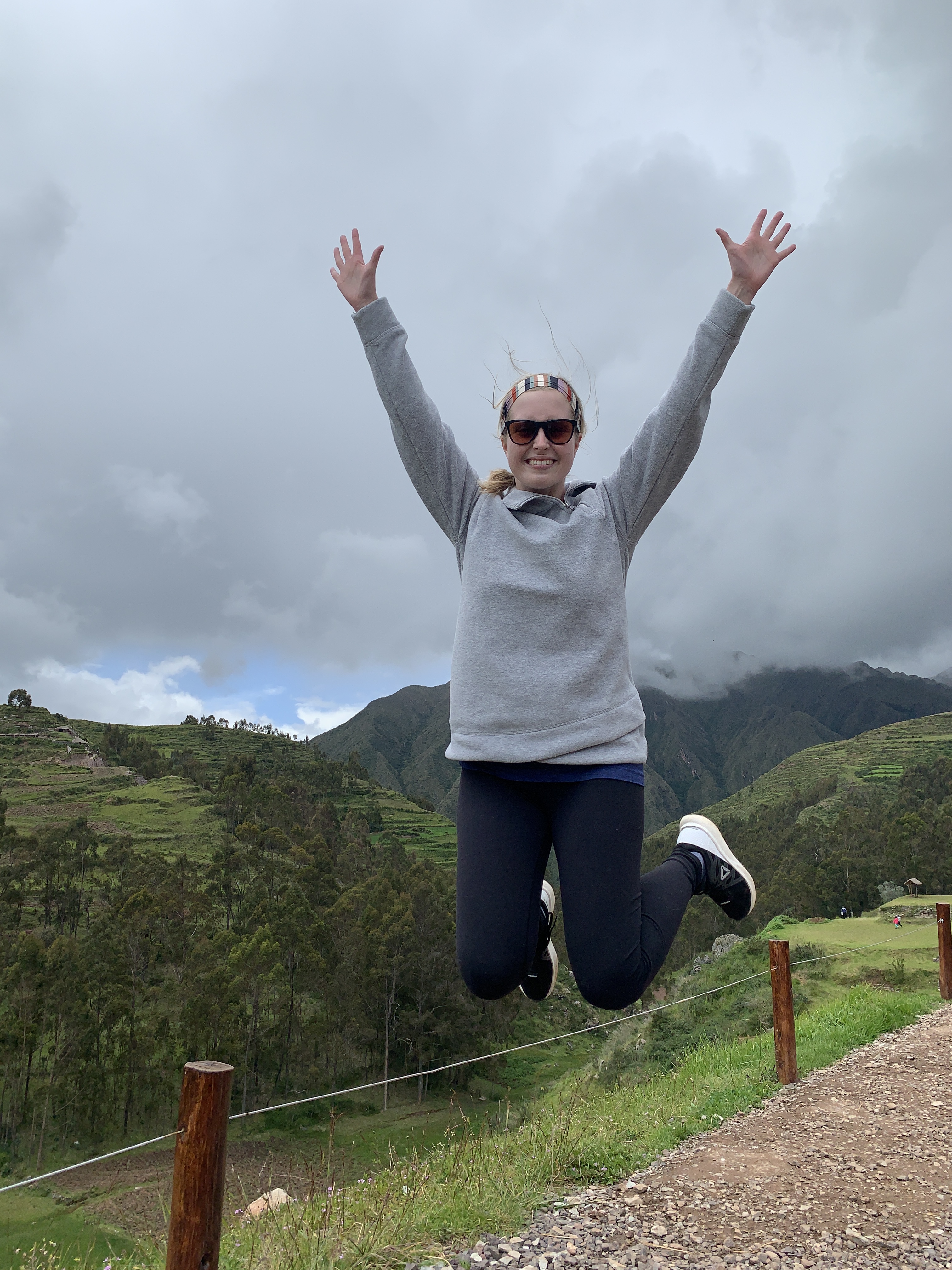
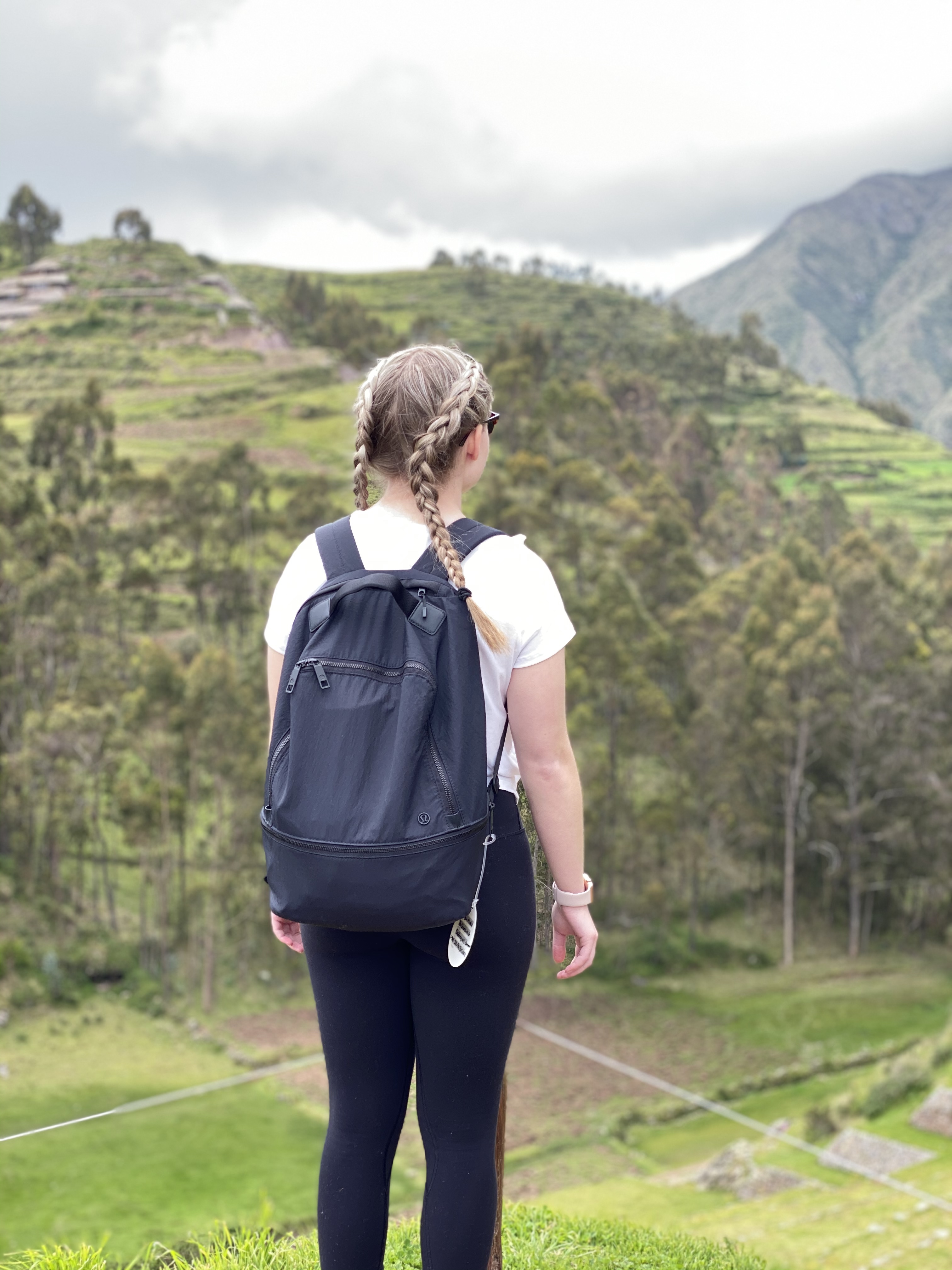
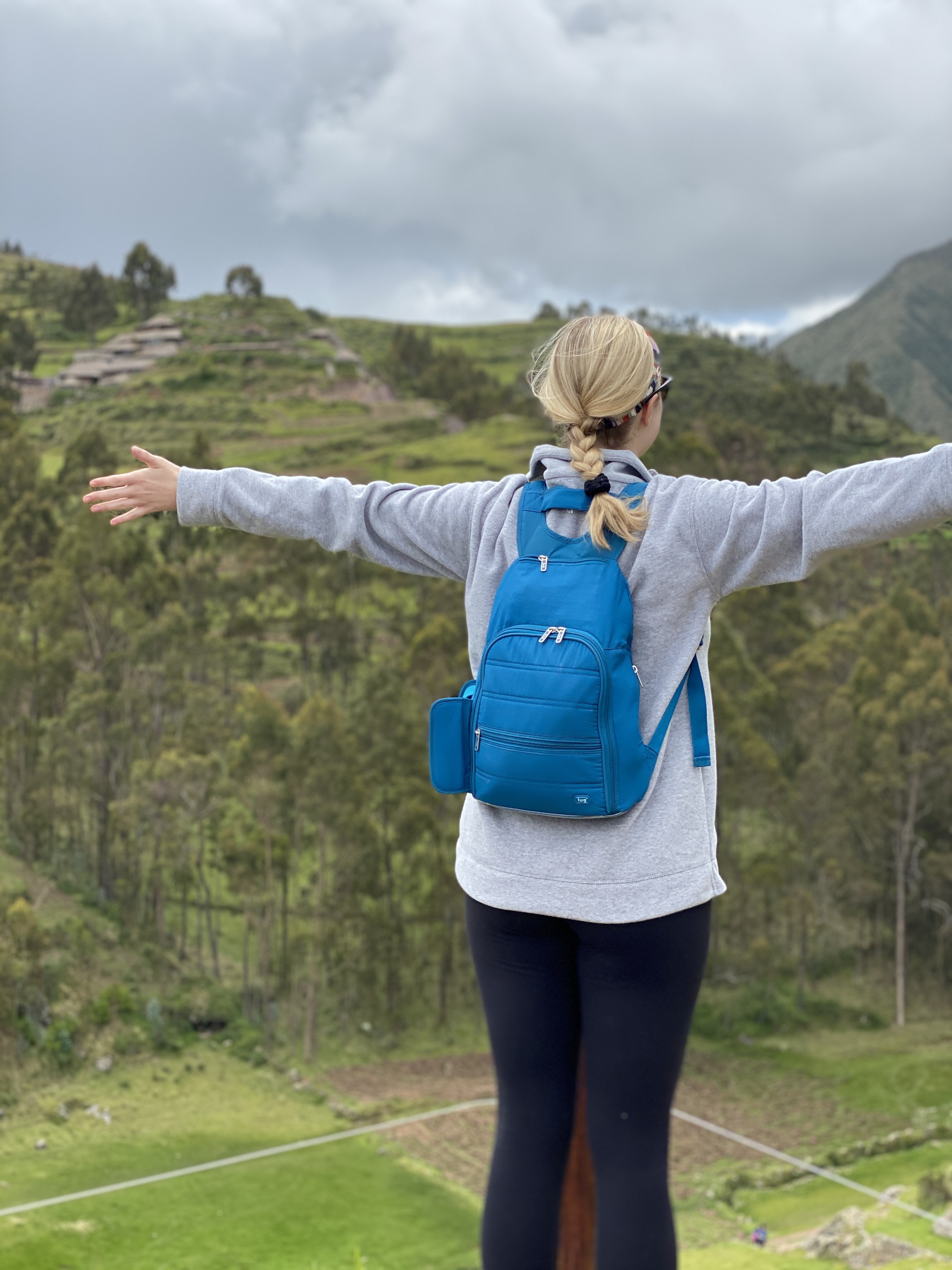
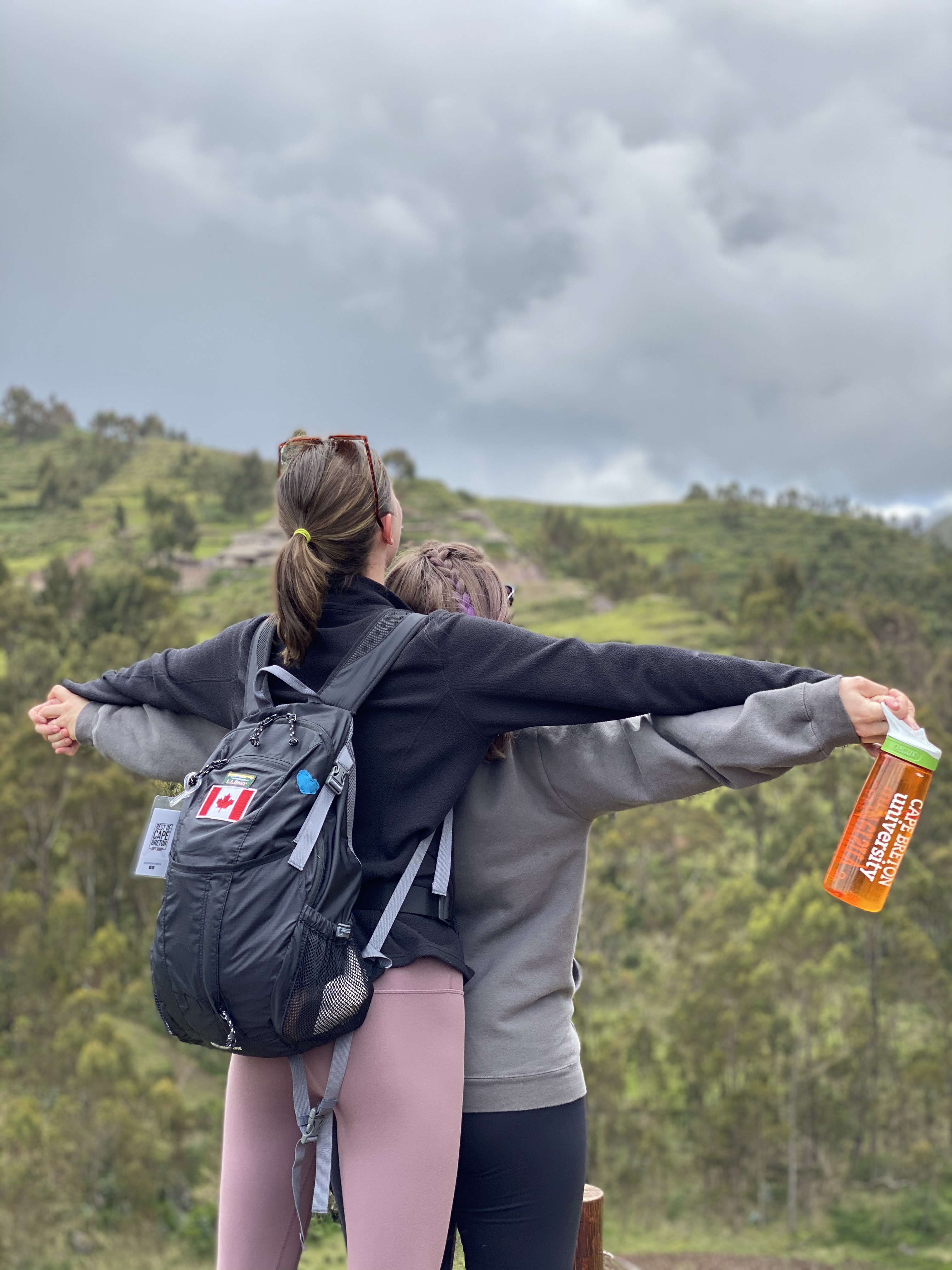
After enjoying our time at Centro Textil Lluvia we went and continued to tour the scared Vally. We came across some Andes Mountains.
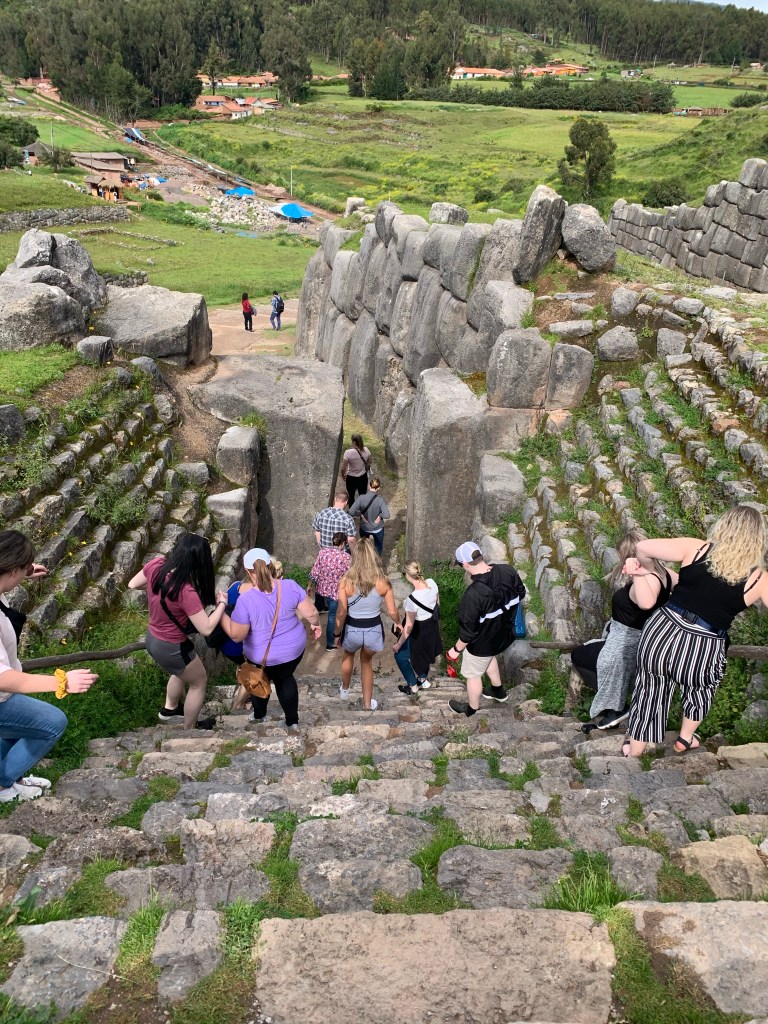
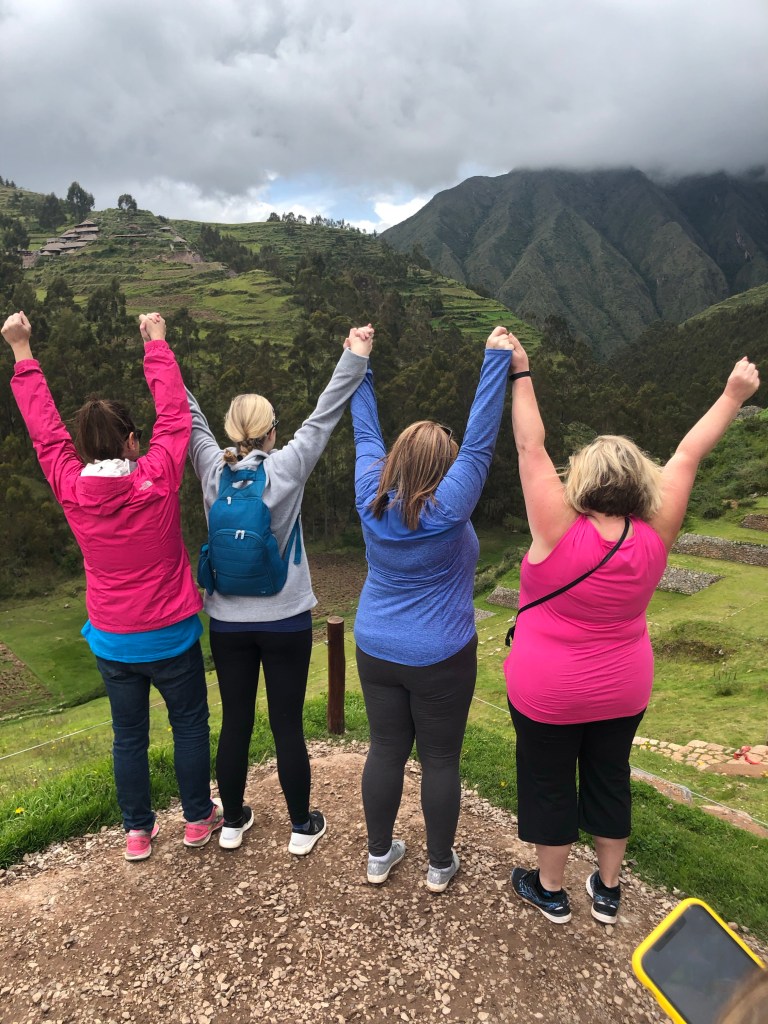
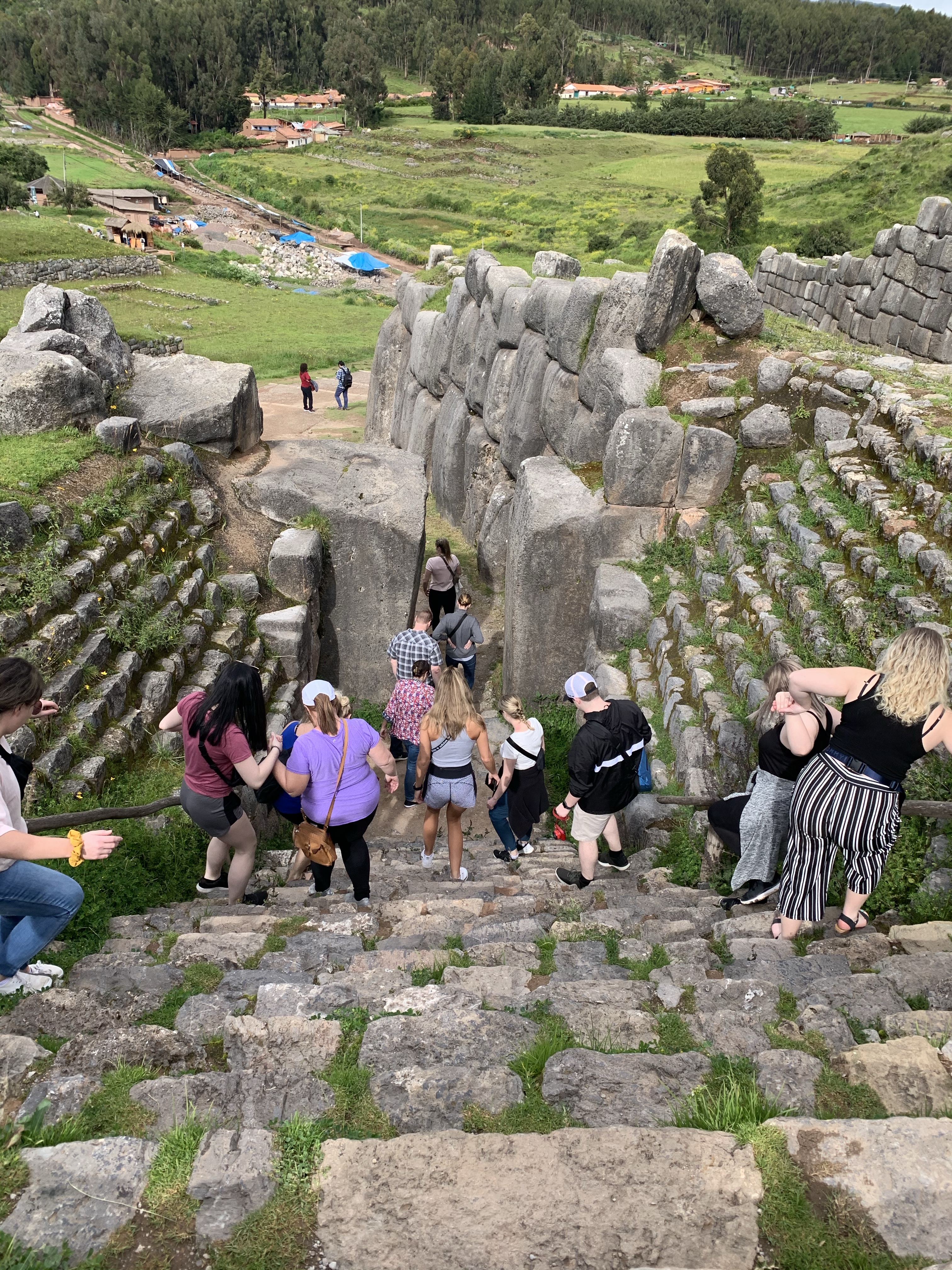
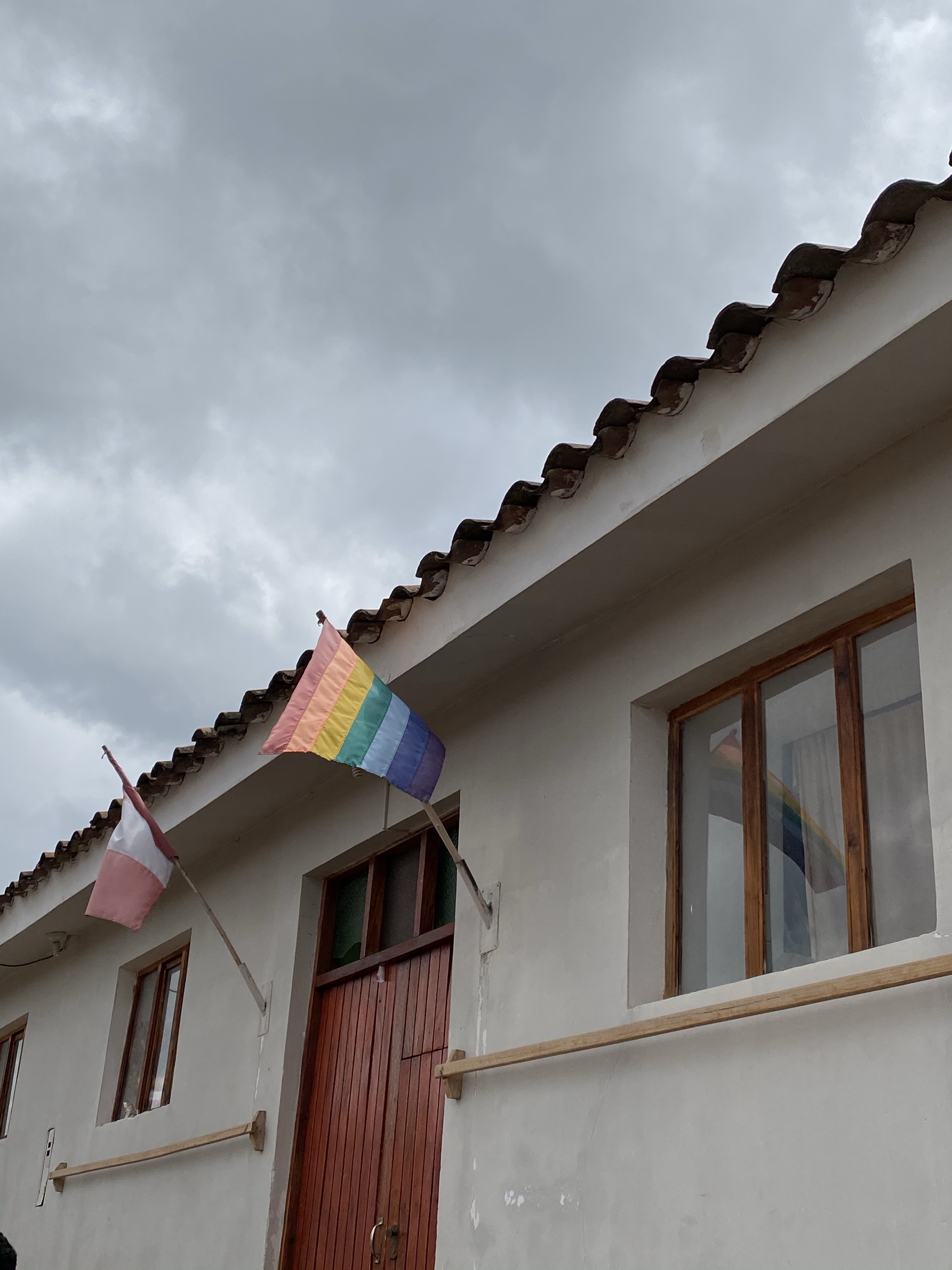
Arlich showed us the Cusco flag which resembles closely to the Pride flag (rainbow) the main difference is the Cusco flag has 7 colours and the pride flag has 6. The Cusco flags extra colour is the light blue.
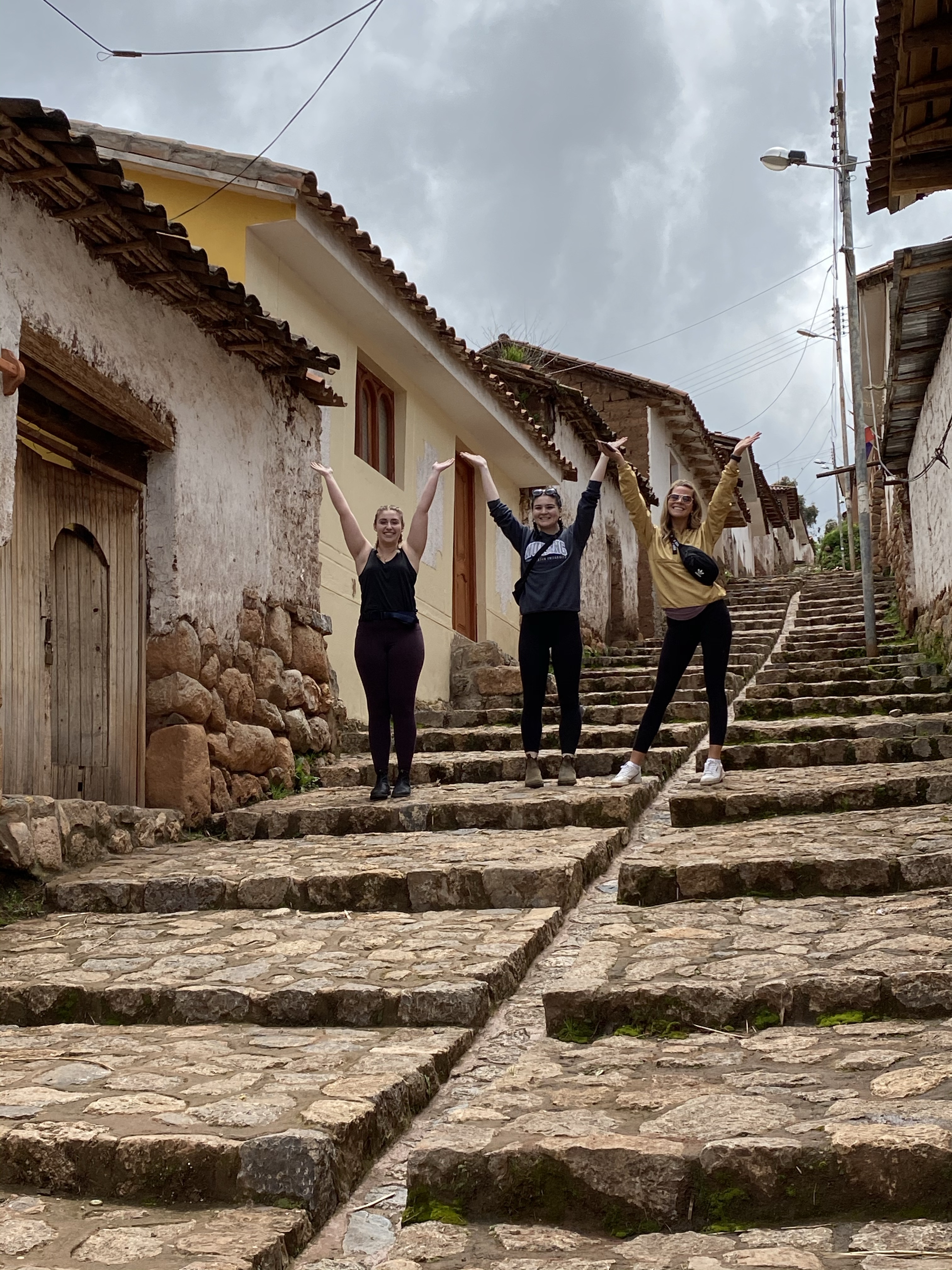
As we worked our way back to the bus it started pouring! We all quickly rushed back to the bus being extra careful because now all the rocks and cobble stone streets were slippery.
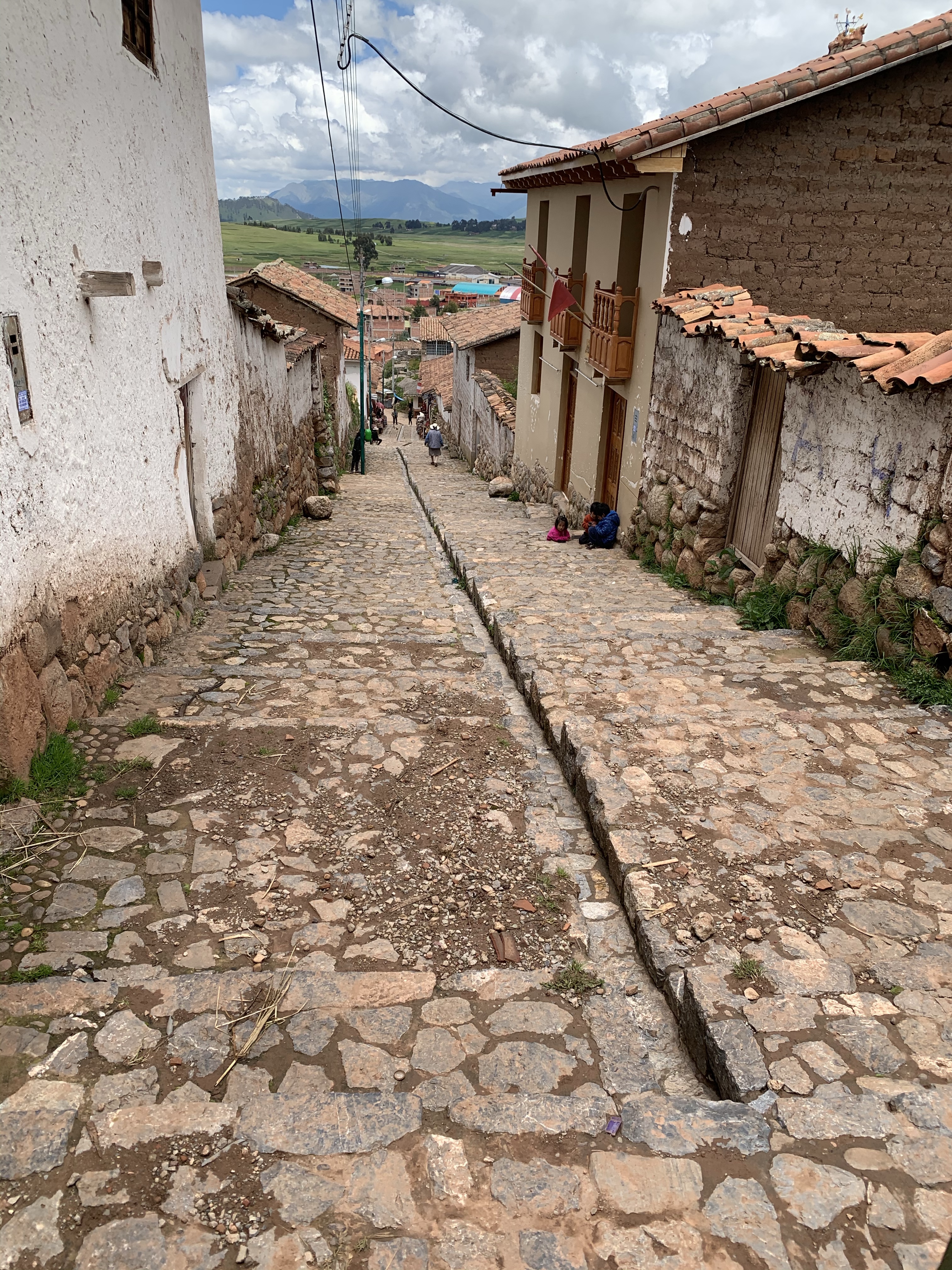
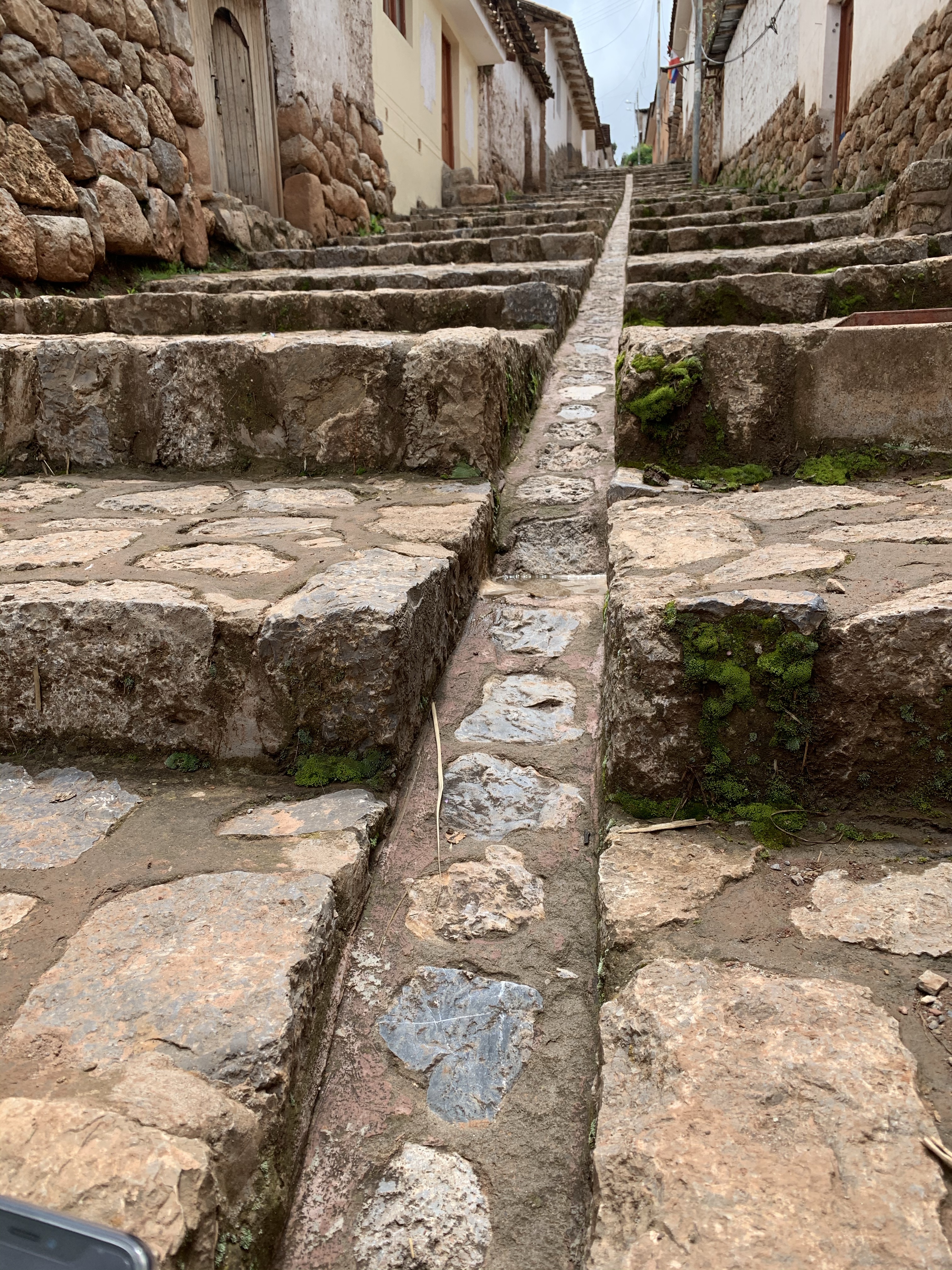
After getting out of the rain and boarding the bus we quickly drove Through a town/city called Maris. Our next stop was Moray!
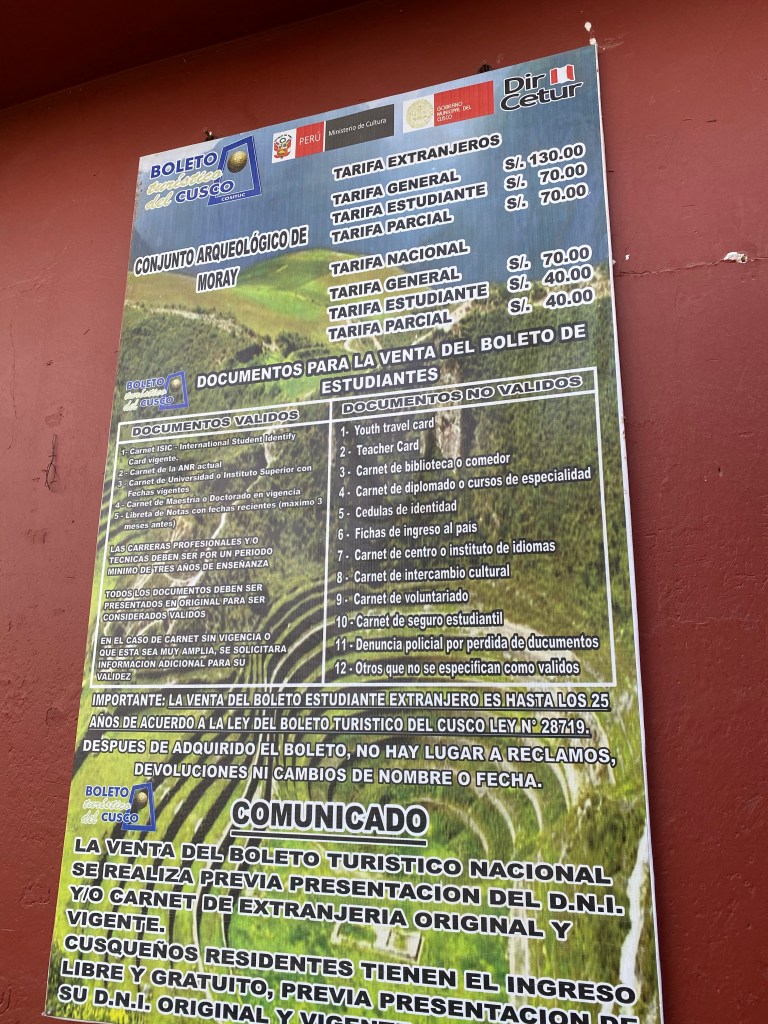
Moray was formally known as being an agriculture lab. A circle as seen below was built both by natural formation and hard work from the locals to adapt agriculture for the environment in the 13th Century.
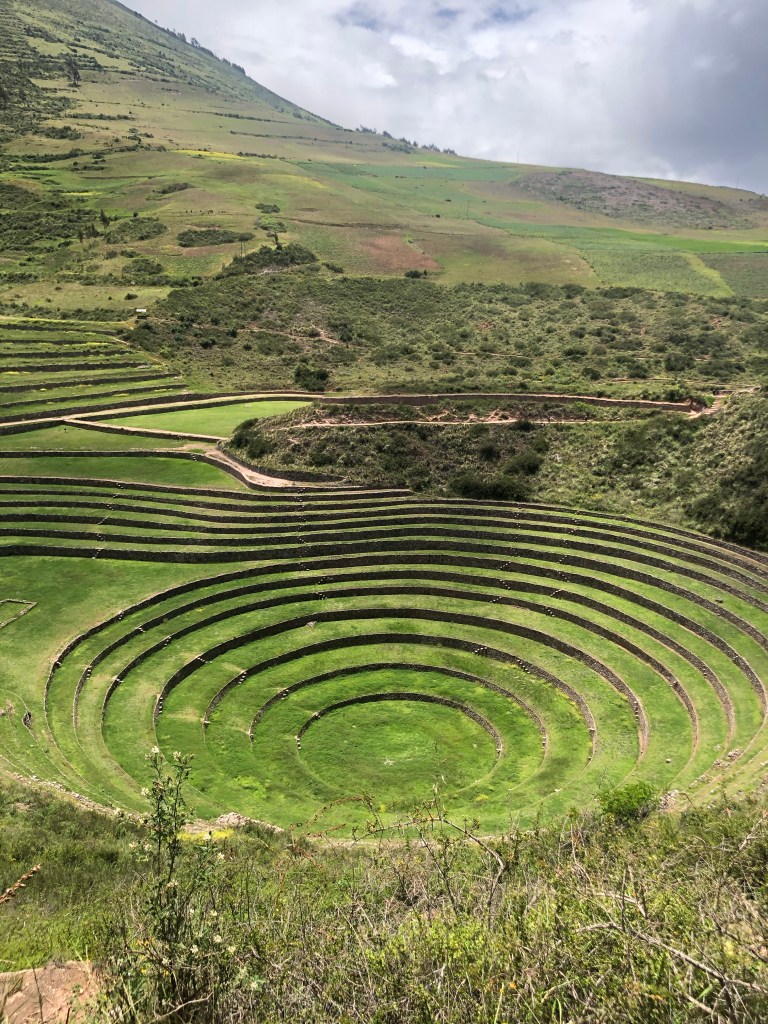
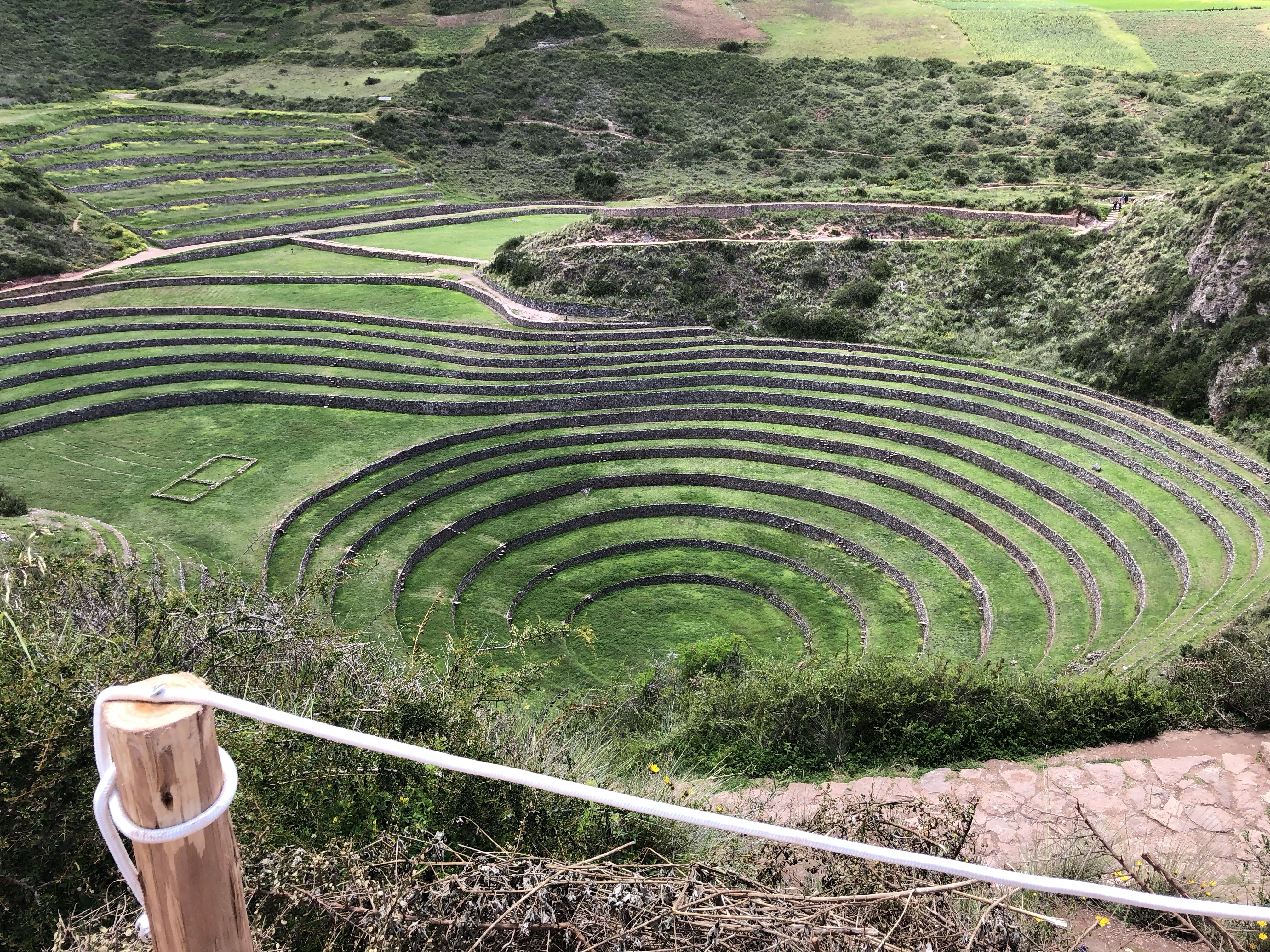
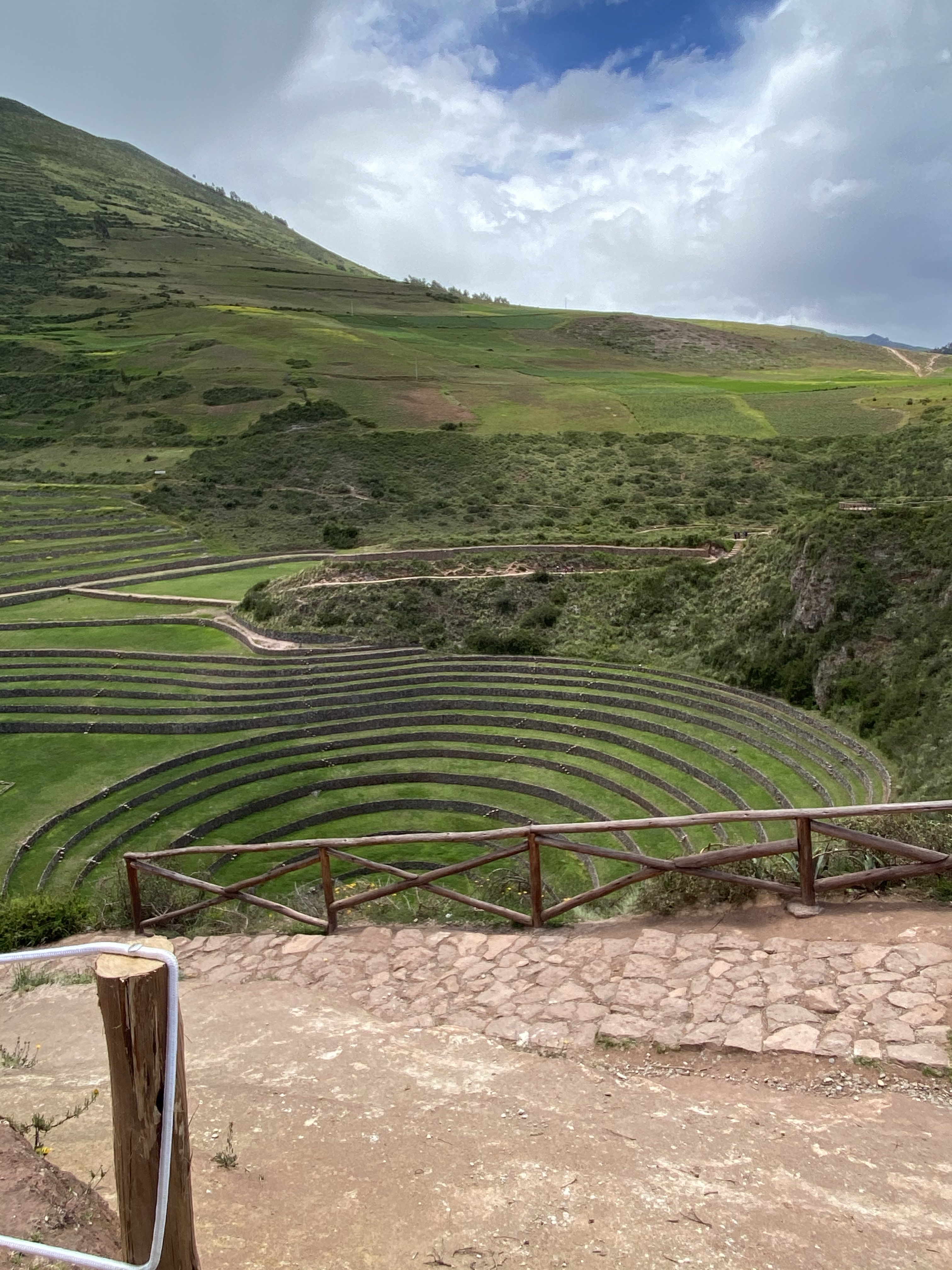
Arlich told us that inside the circle “IMoray” there is a difference in temperature than the point we were looking at it from. There is 150 metres from the point we are looking at this to the bottom/ last circle. Inside the circles varies between 0-15°C. Furthermore each level/new circle has a change in temperature. They fluctuate about 1-2 ° for each new level. Warmest at the centre. The wind plays a major role in this. All of the walls block the wind. Being designed for agriculture it was very clever!
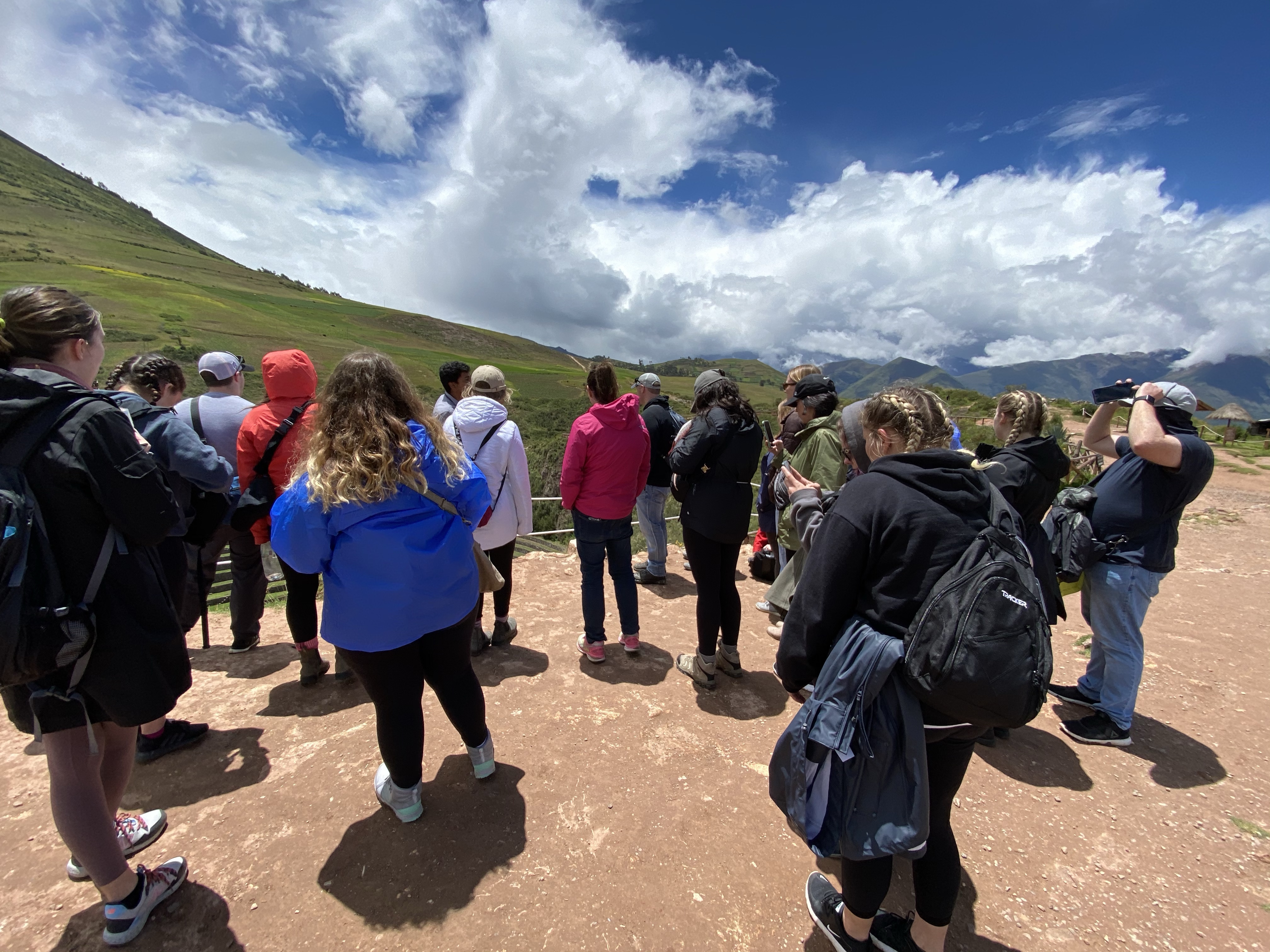
We were then taken to see the Andes mountains (you can see some snow on the top)
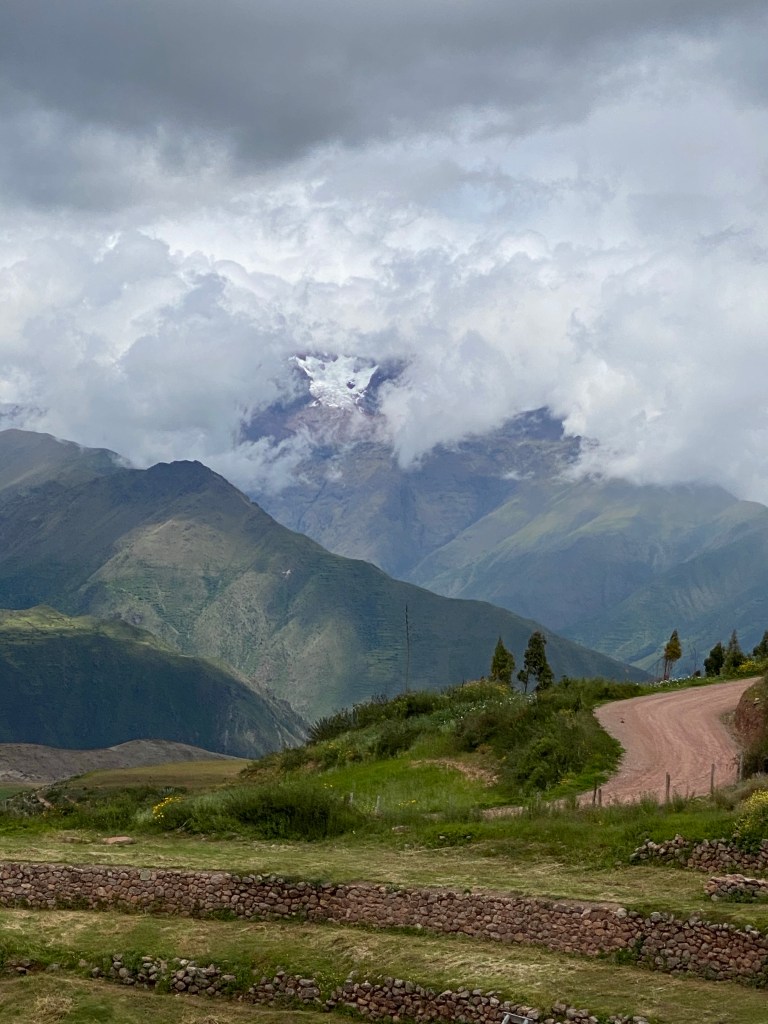
After seeing the Andes we got back on the bus and drove to Urubamba for some lunch.
Urubamba is considered the biggest city in the Sacred Valley and is the Capital City of the Valley.
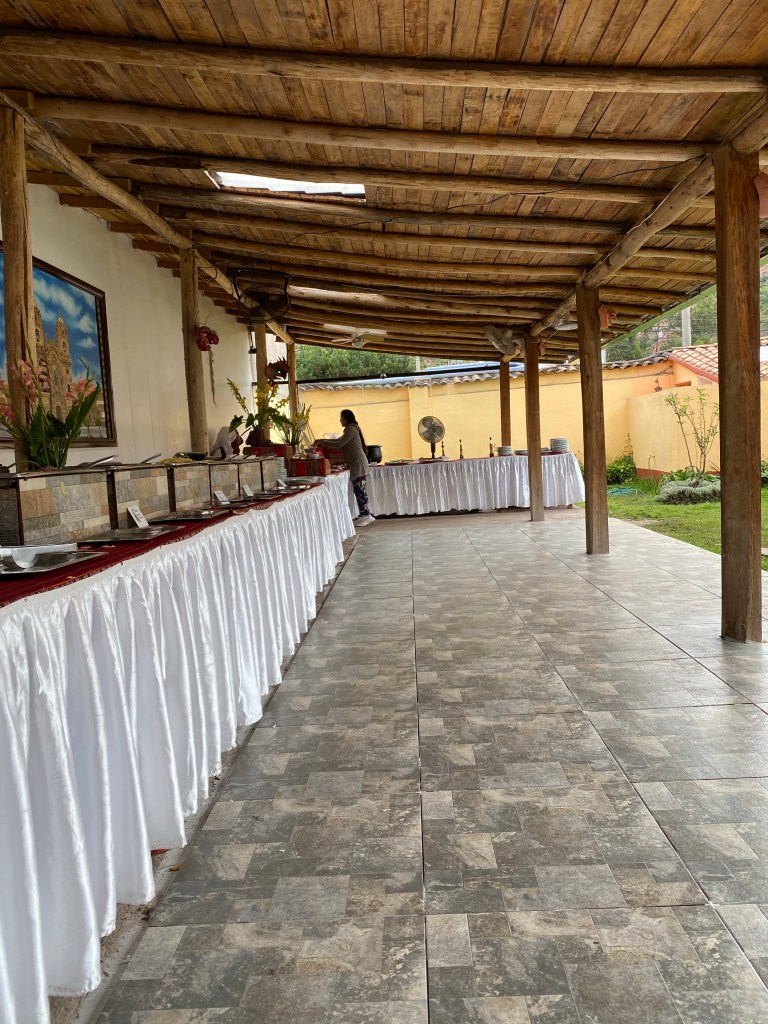
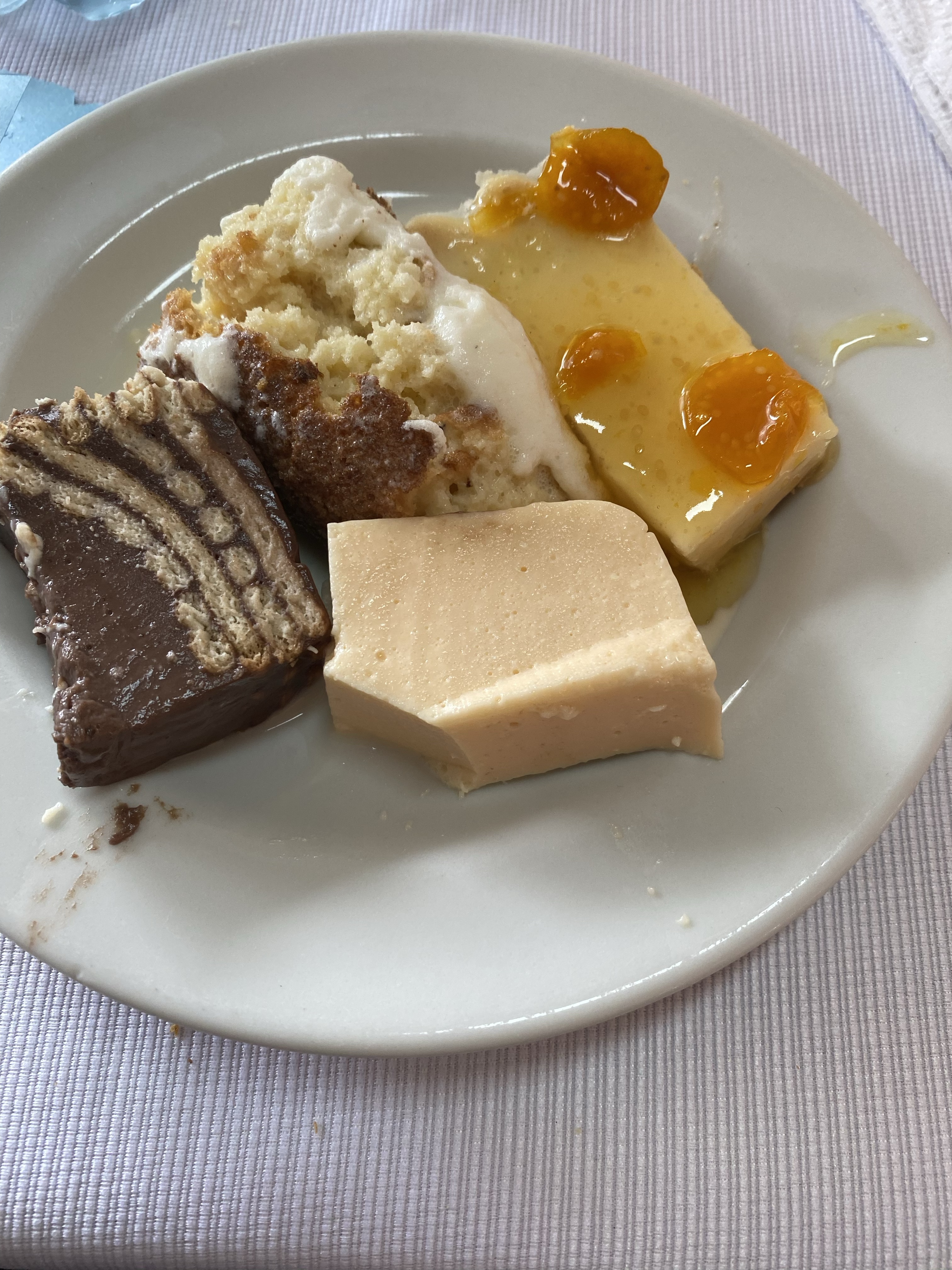
Lunch was served at maïs Sal and it was served in a buffet style.
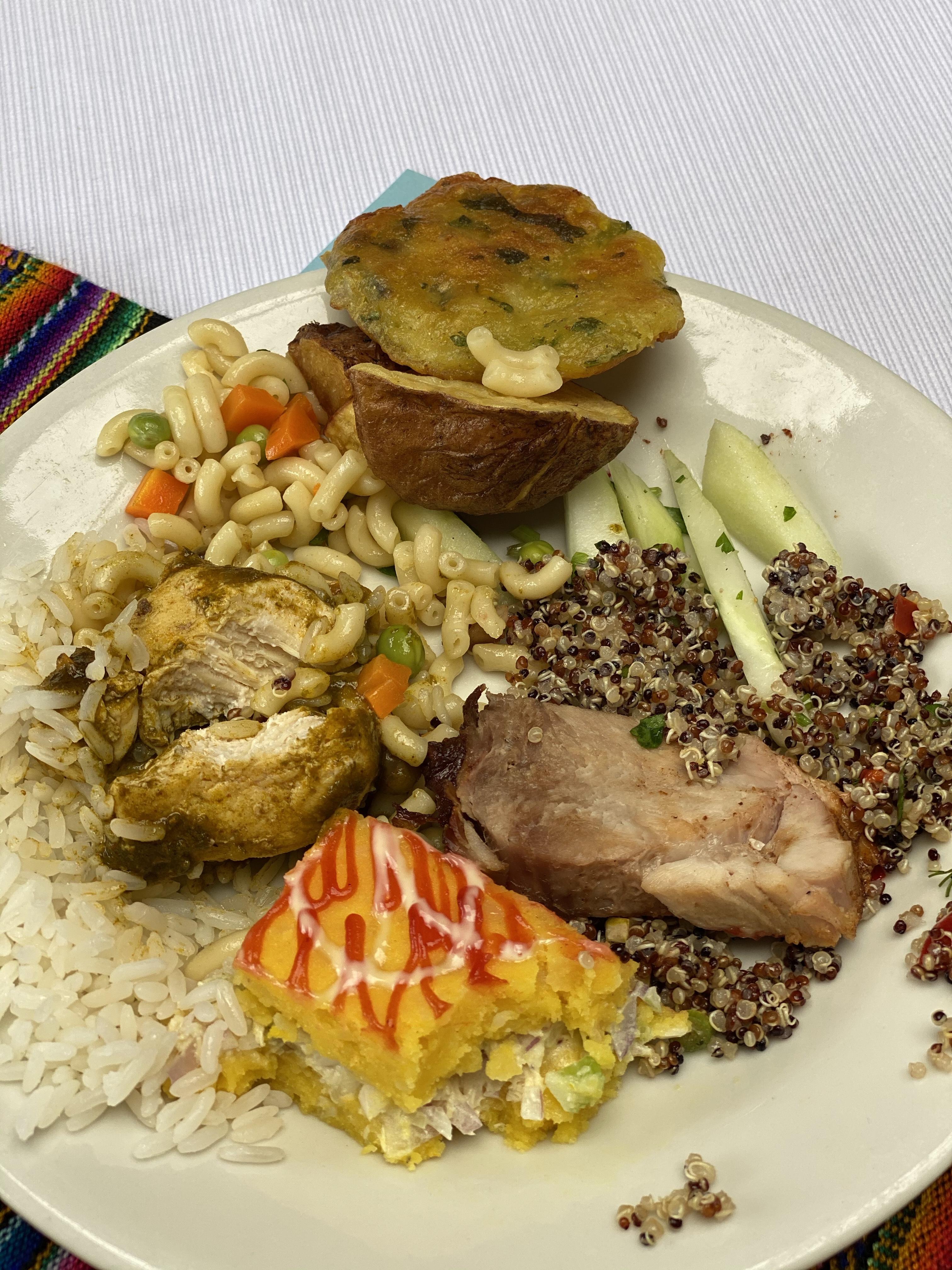
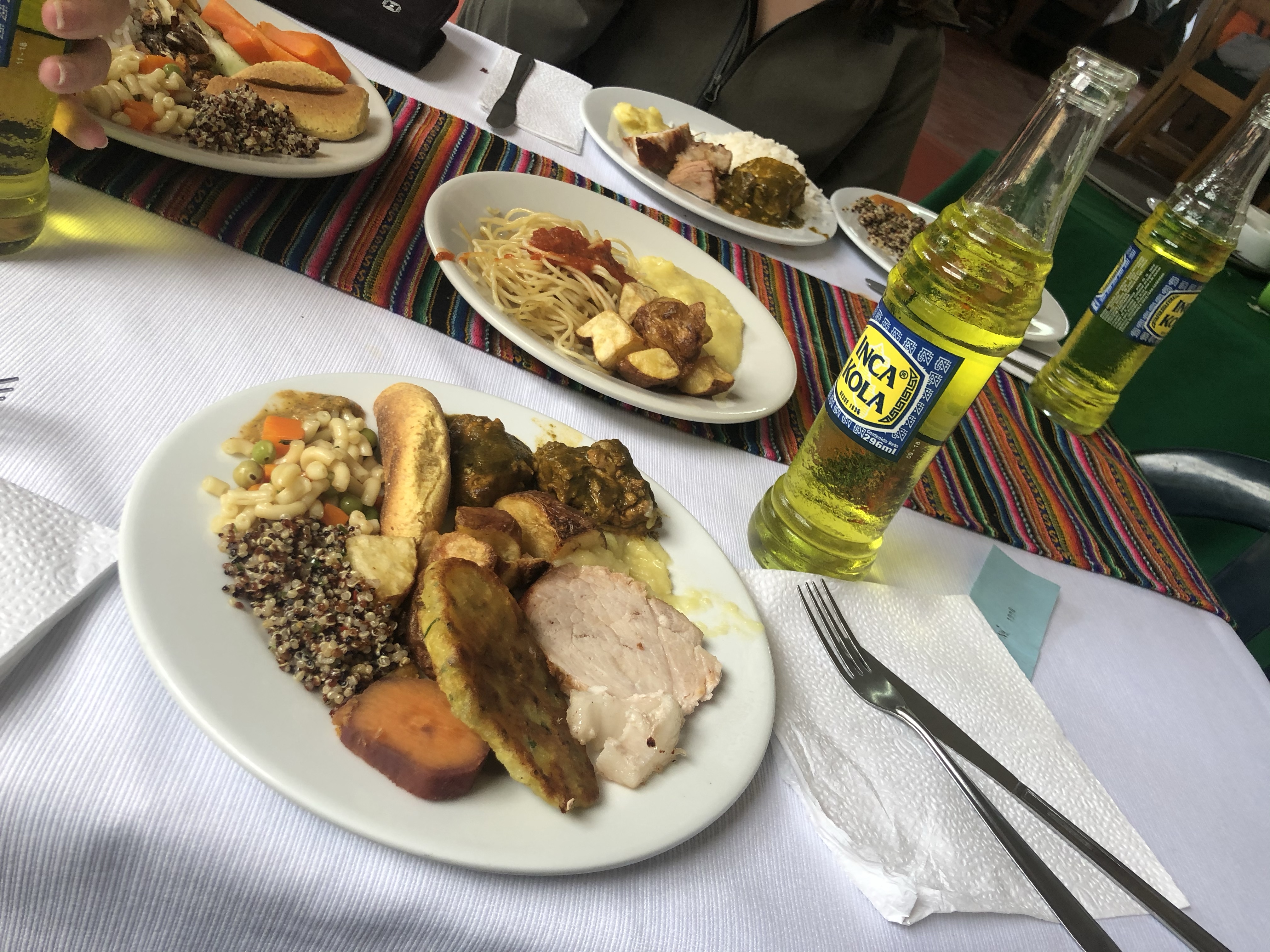
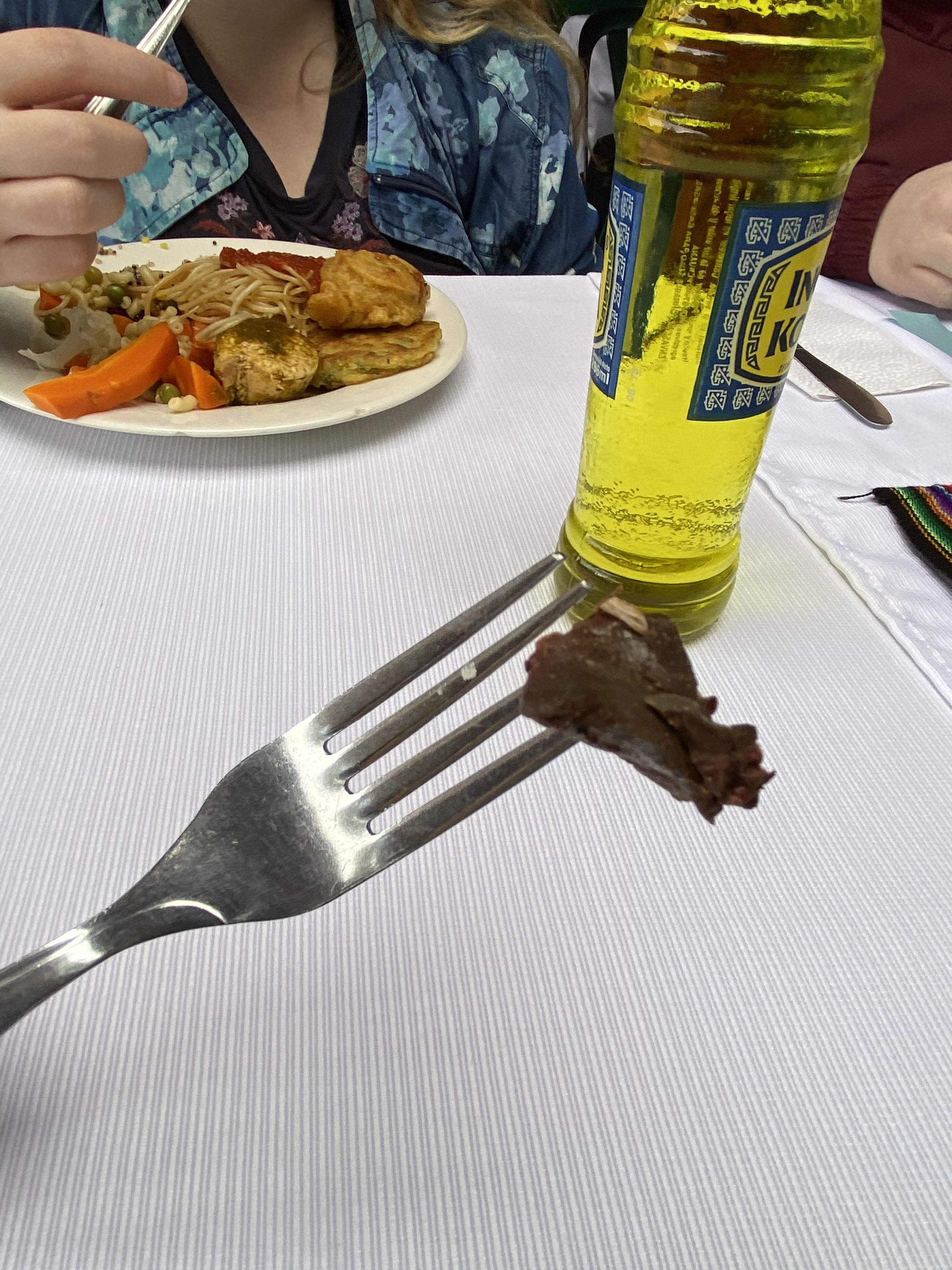
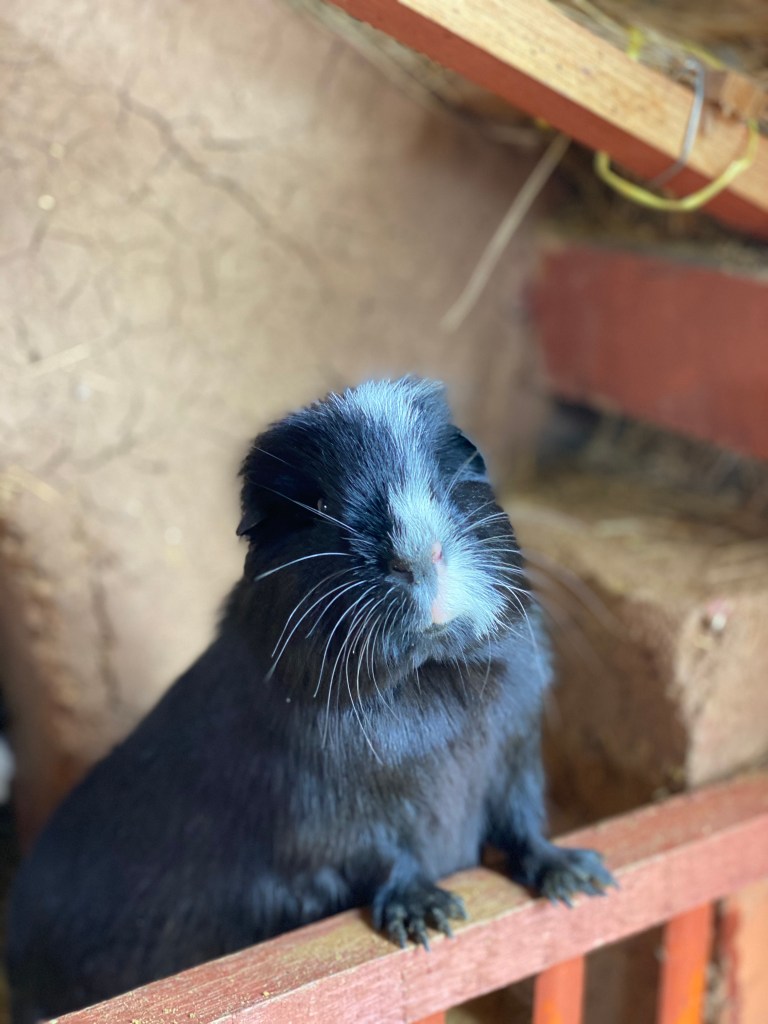
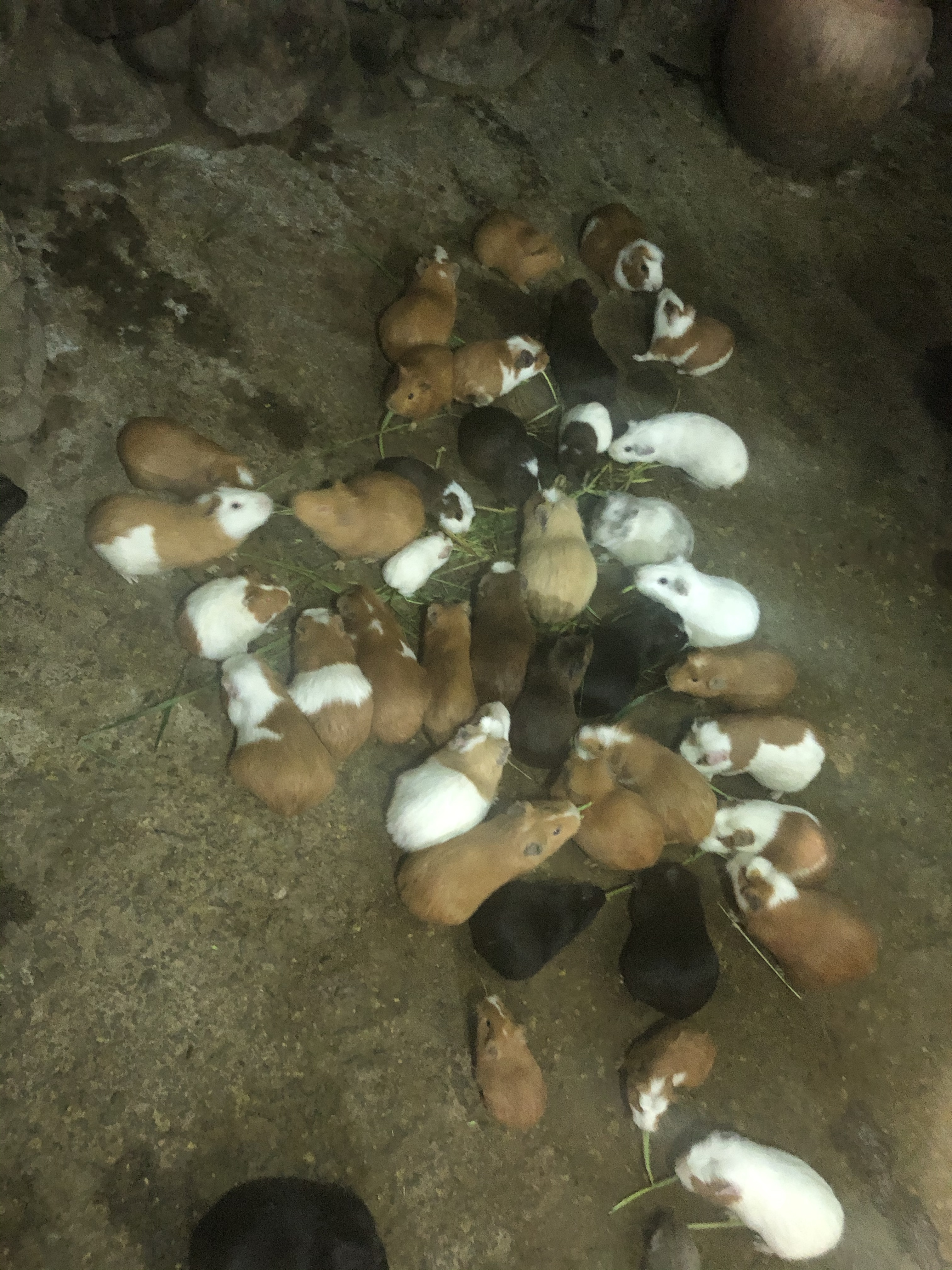
Some of us had the chance to try some guinea pig!
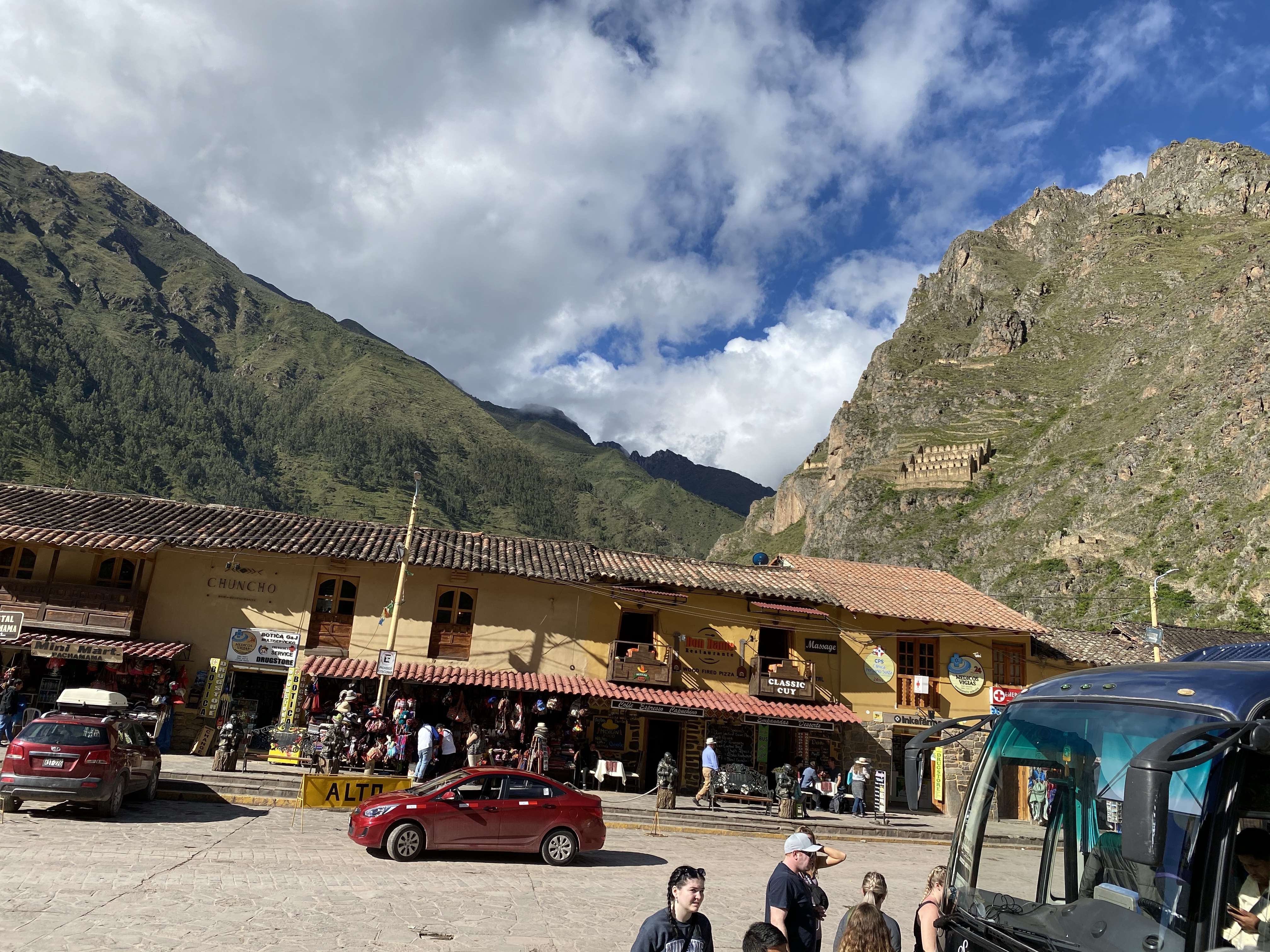
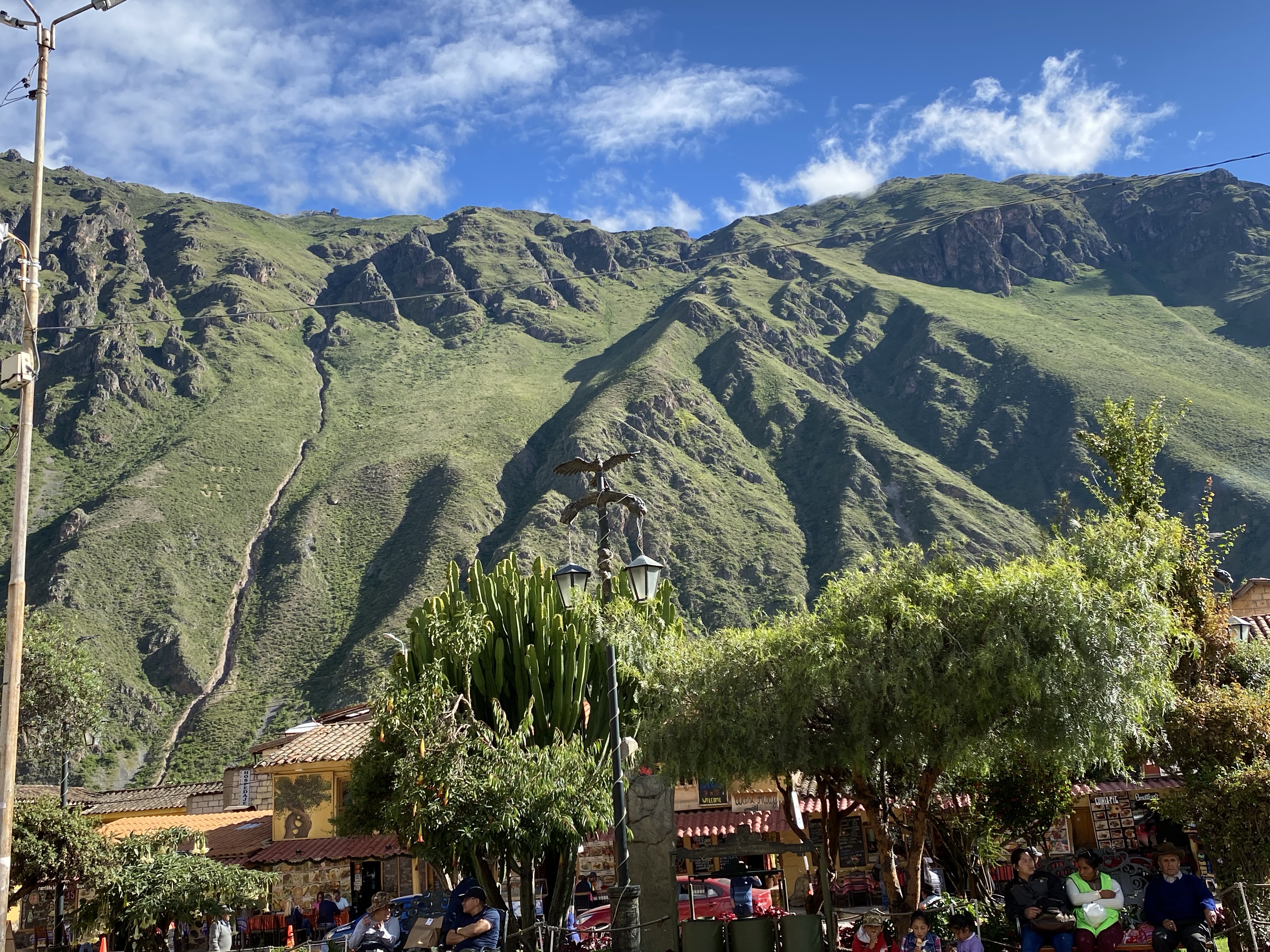
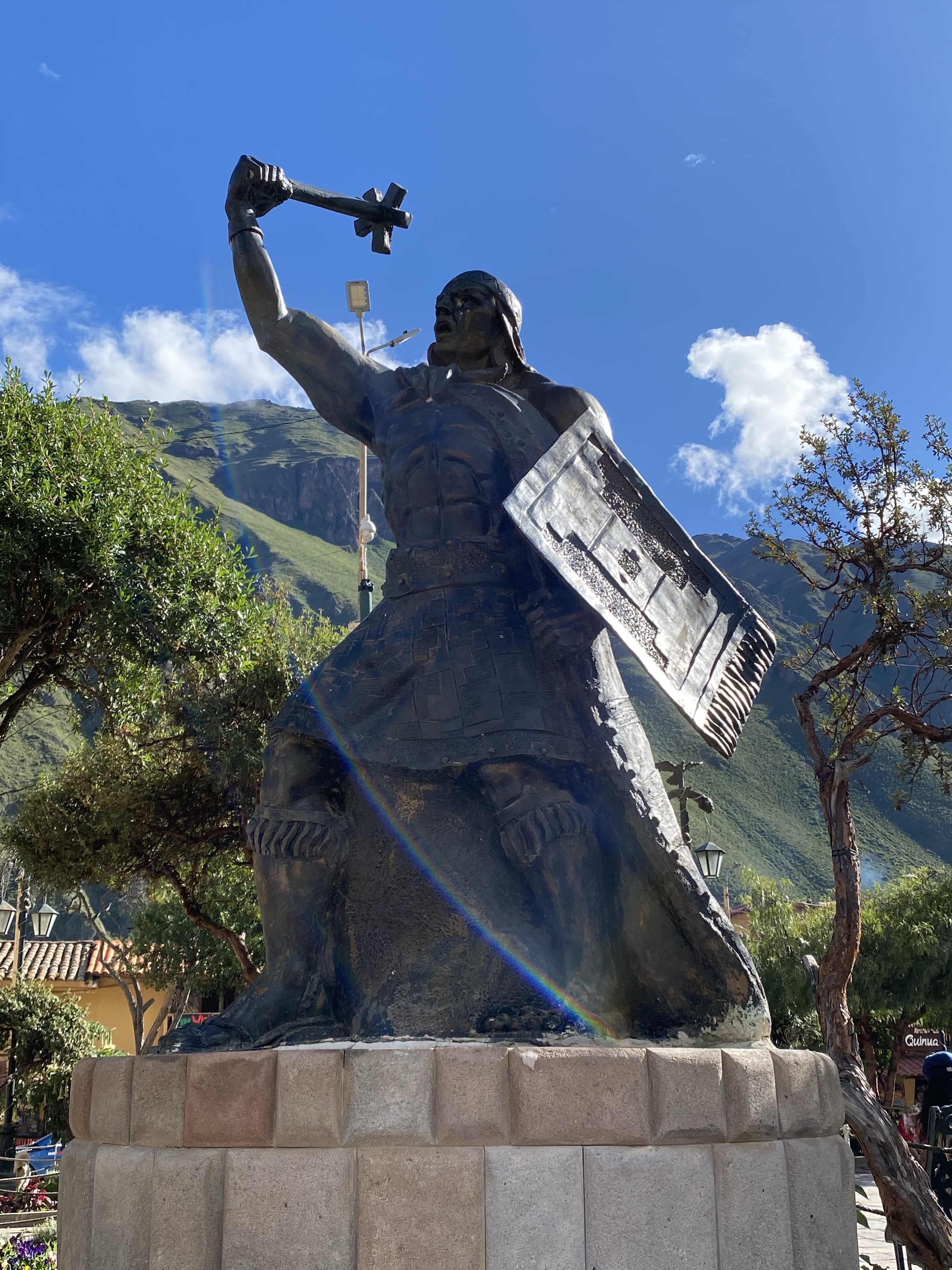
After we ate we all travelled to our last stop for the day Ollantaytambo.
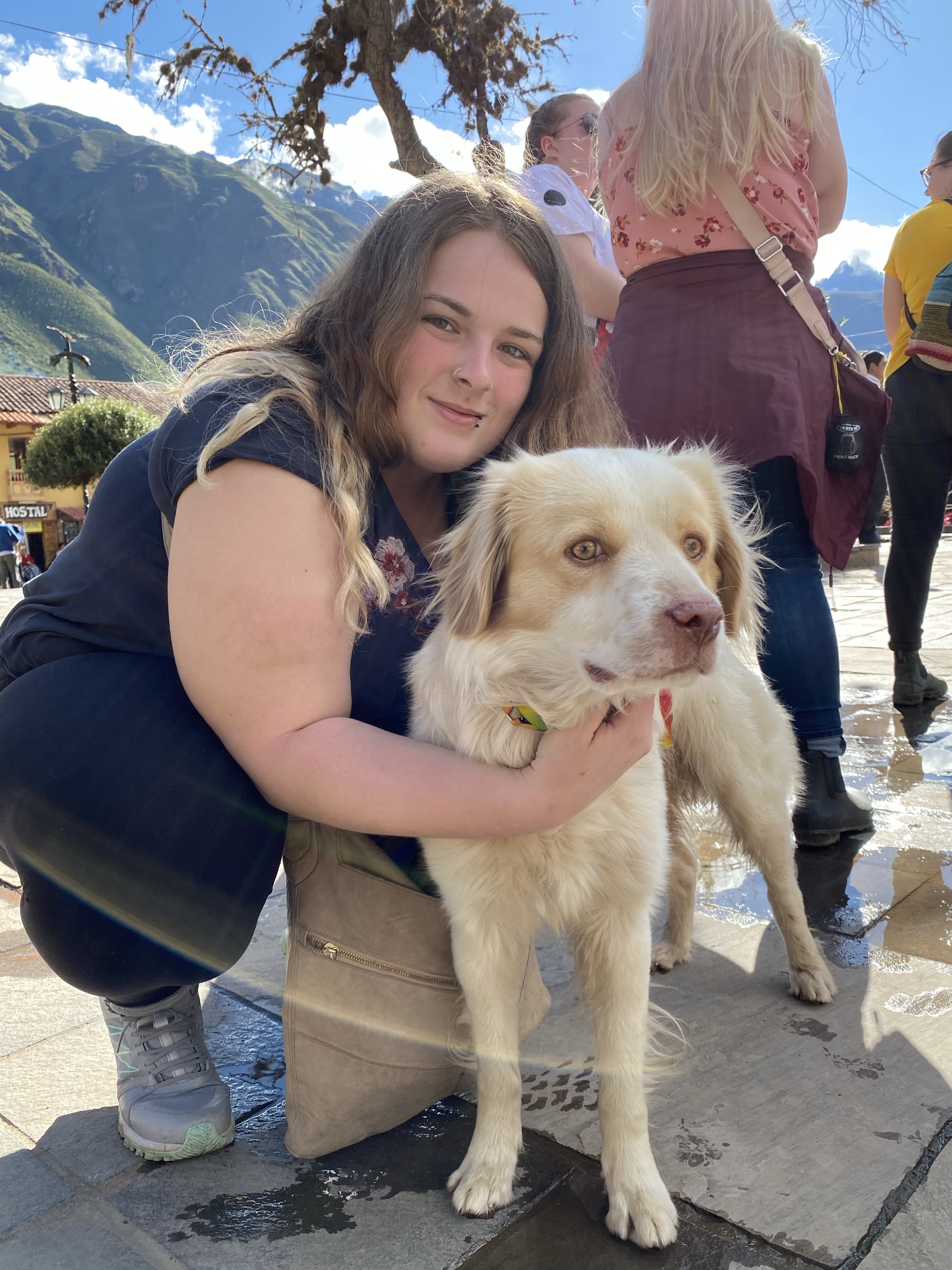
Kelsey Brown posing with a dog
The city of Ollantaytambo was built in the 15th century and all of the buildings today are 70% original.
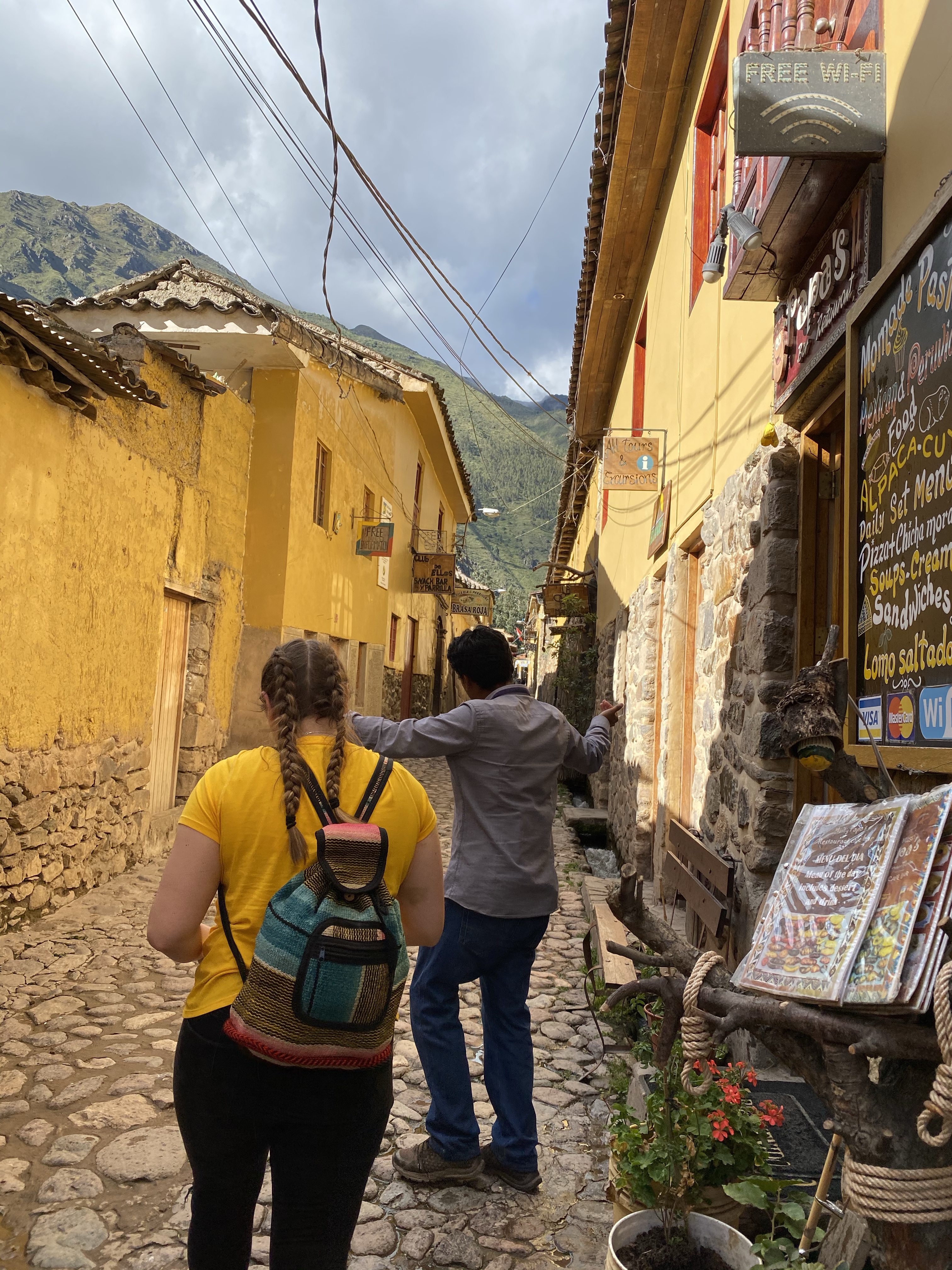
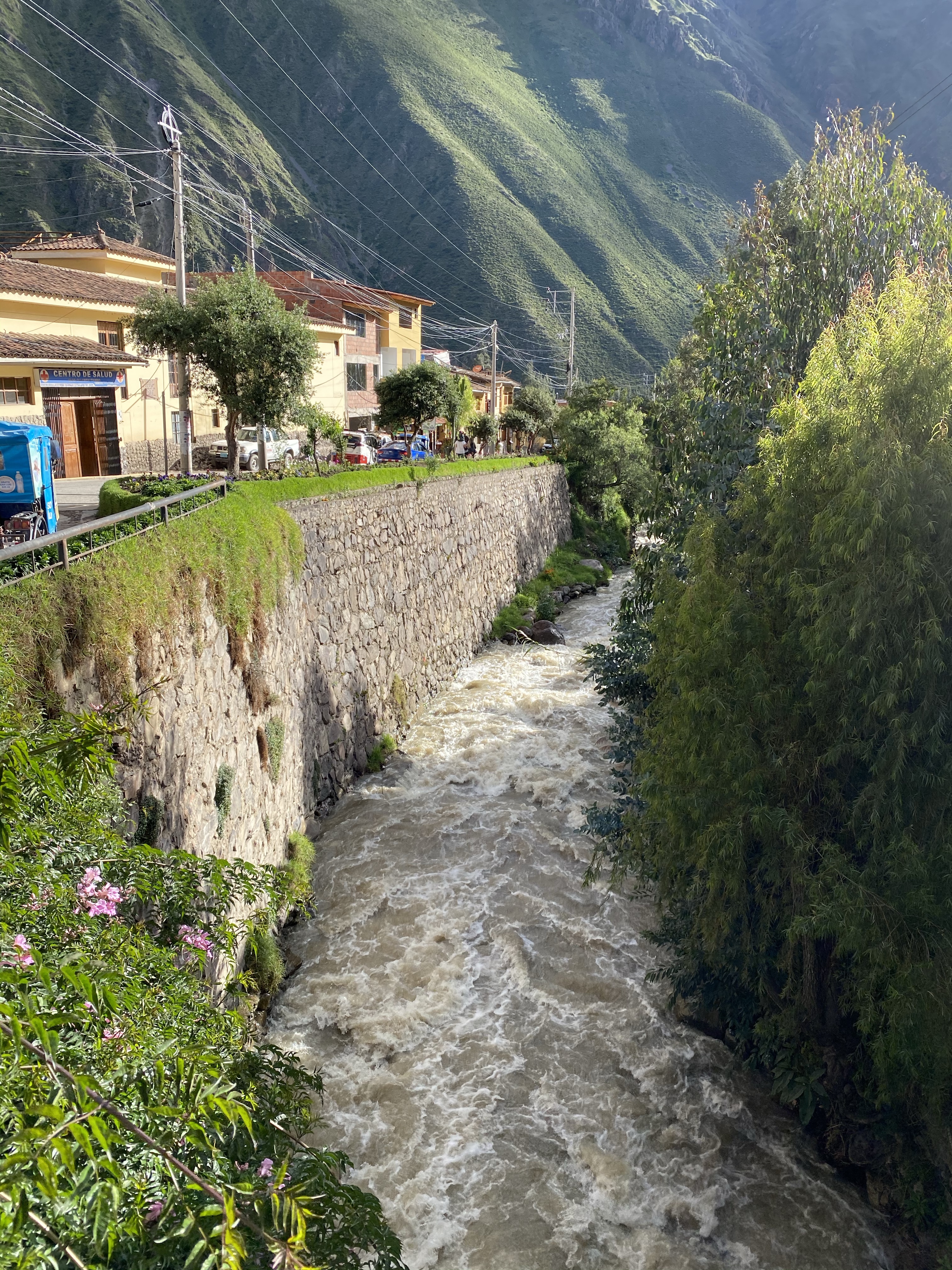
The water flowing through the city is coming from the glacier at the top of the mountain
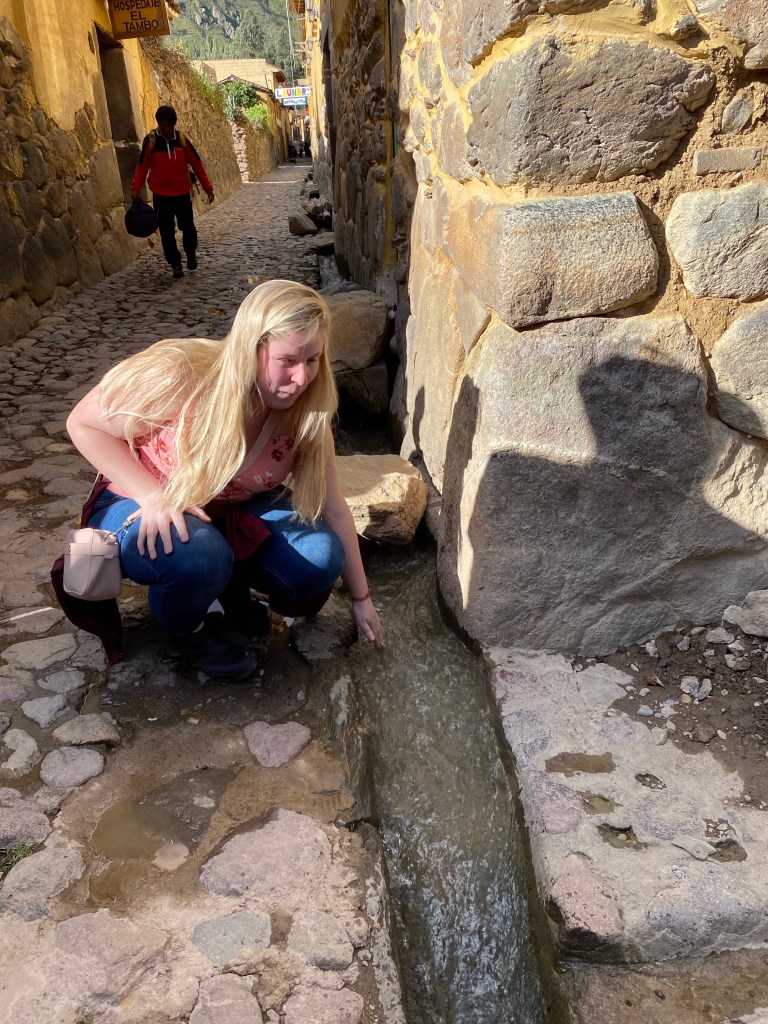
We walked to a small house in the city. Alrich showed us what it was like living in these small spaces.
Guinea Pig are raised for food. They are eaten on special occasions- like weddings, baptisms, birthdays, cultural celebrations, etc.
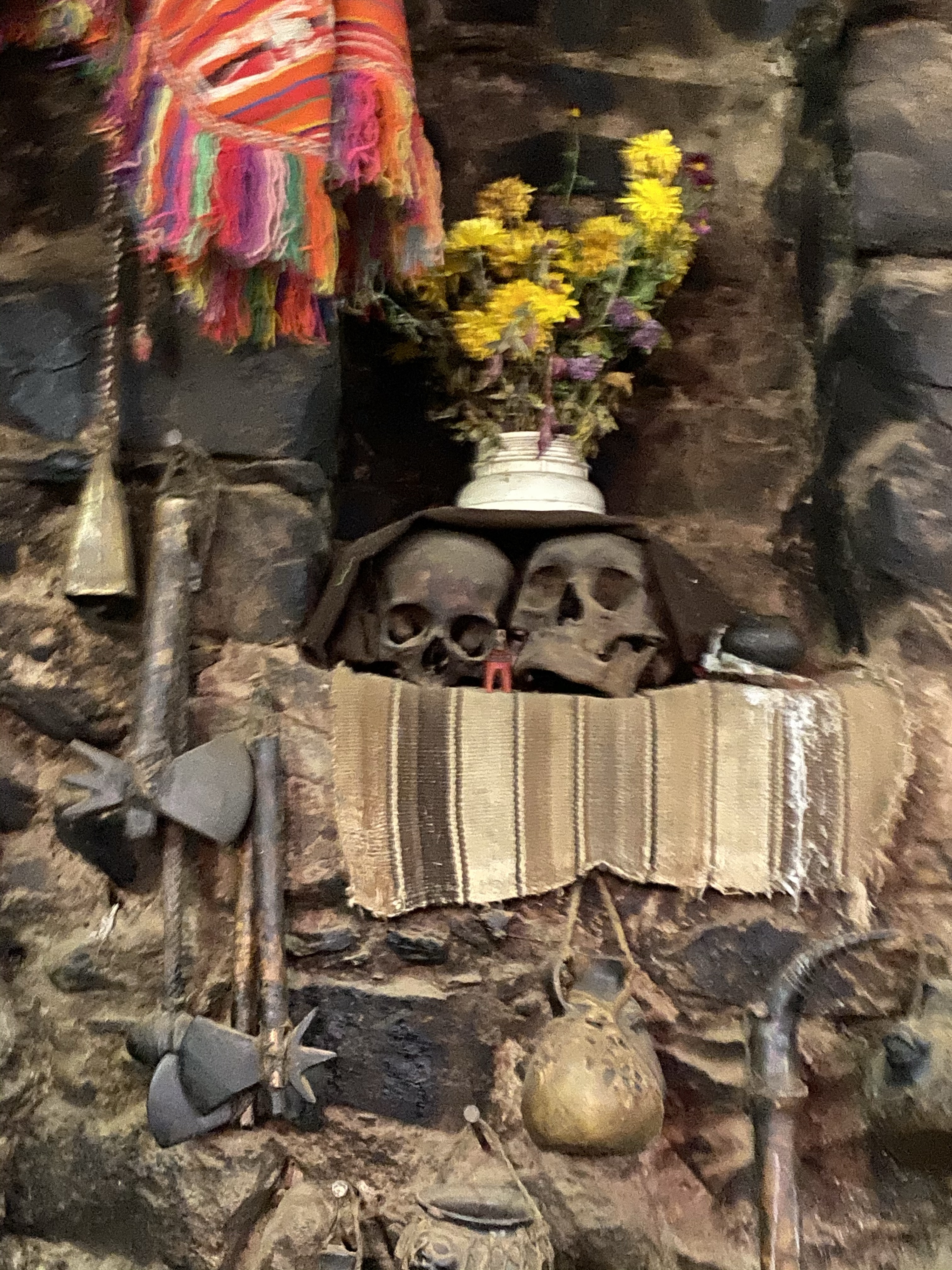
It is Tradition to save skulls of grand father, and grand mother. It is a way of remembering them, If they make food they would prepare some for them(skull), if they like this flower we will pick it and put it by their skull. They honour them more often then if they were all buried at a grave site.
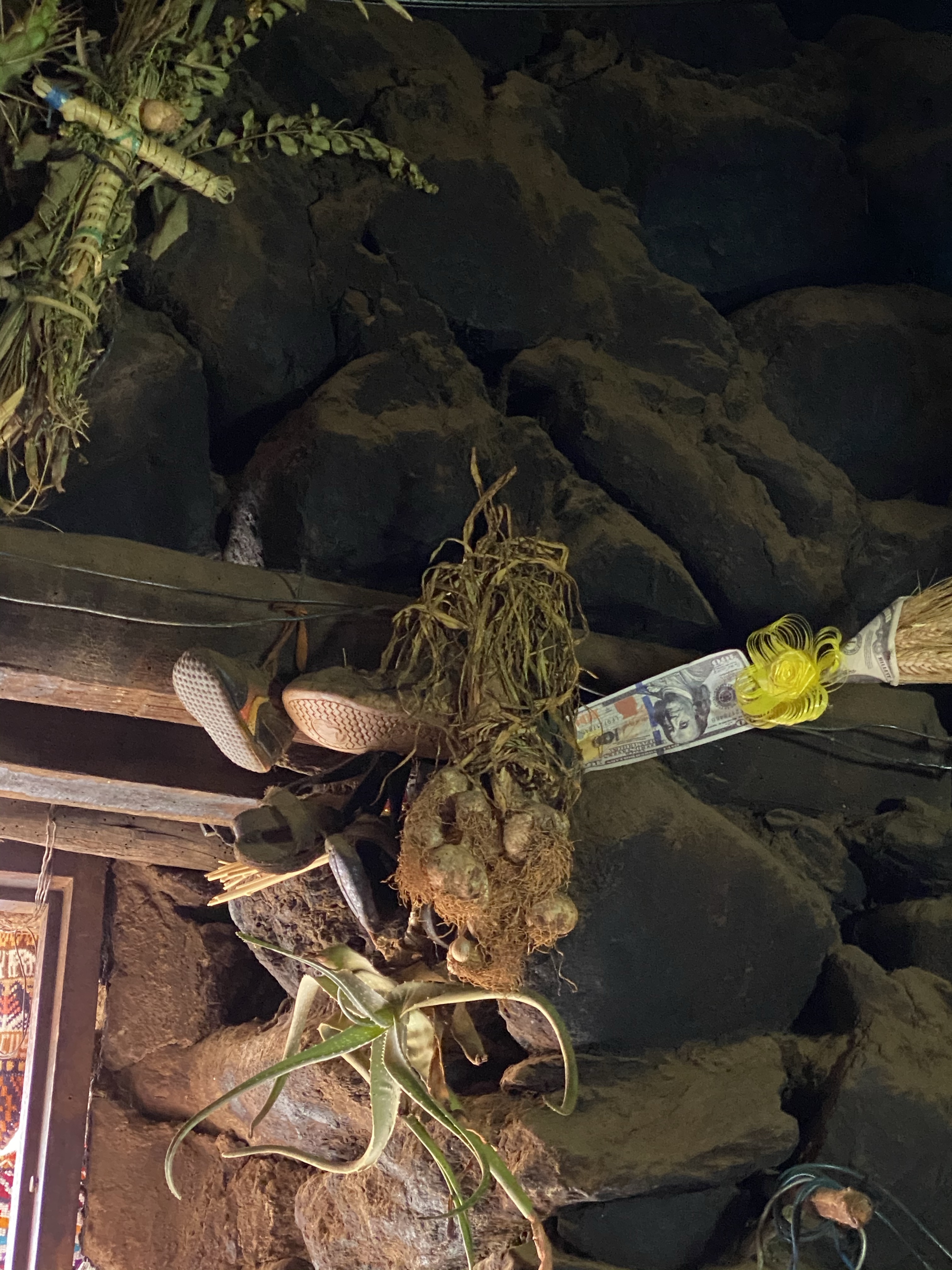
Arlich told us you can tell when someone is poorer not by the food they eat or the water but by their allocation, their housing, and clothes.
We then made our way to a mountain which think is named Diez Hornacinas.
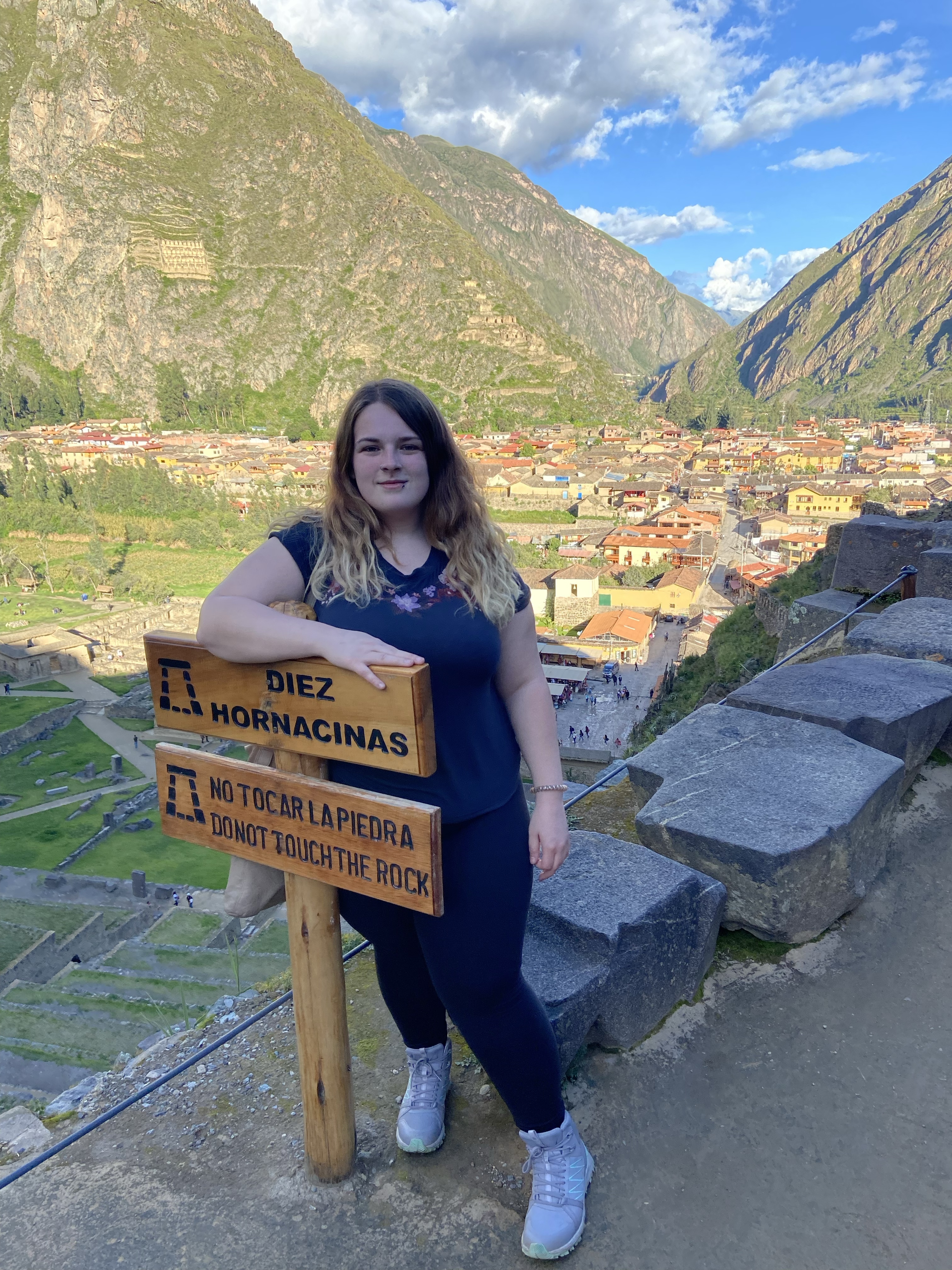
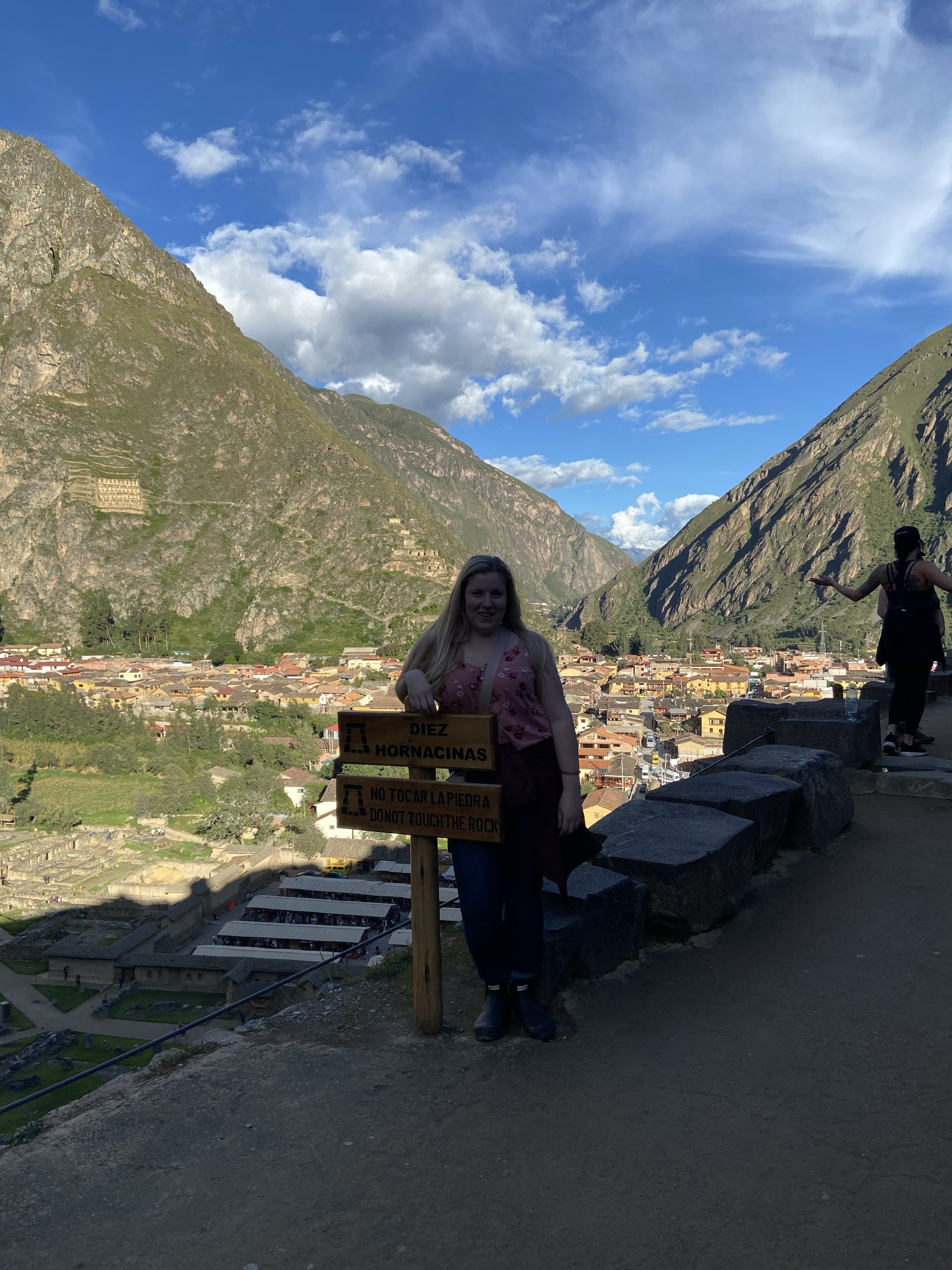
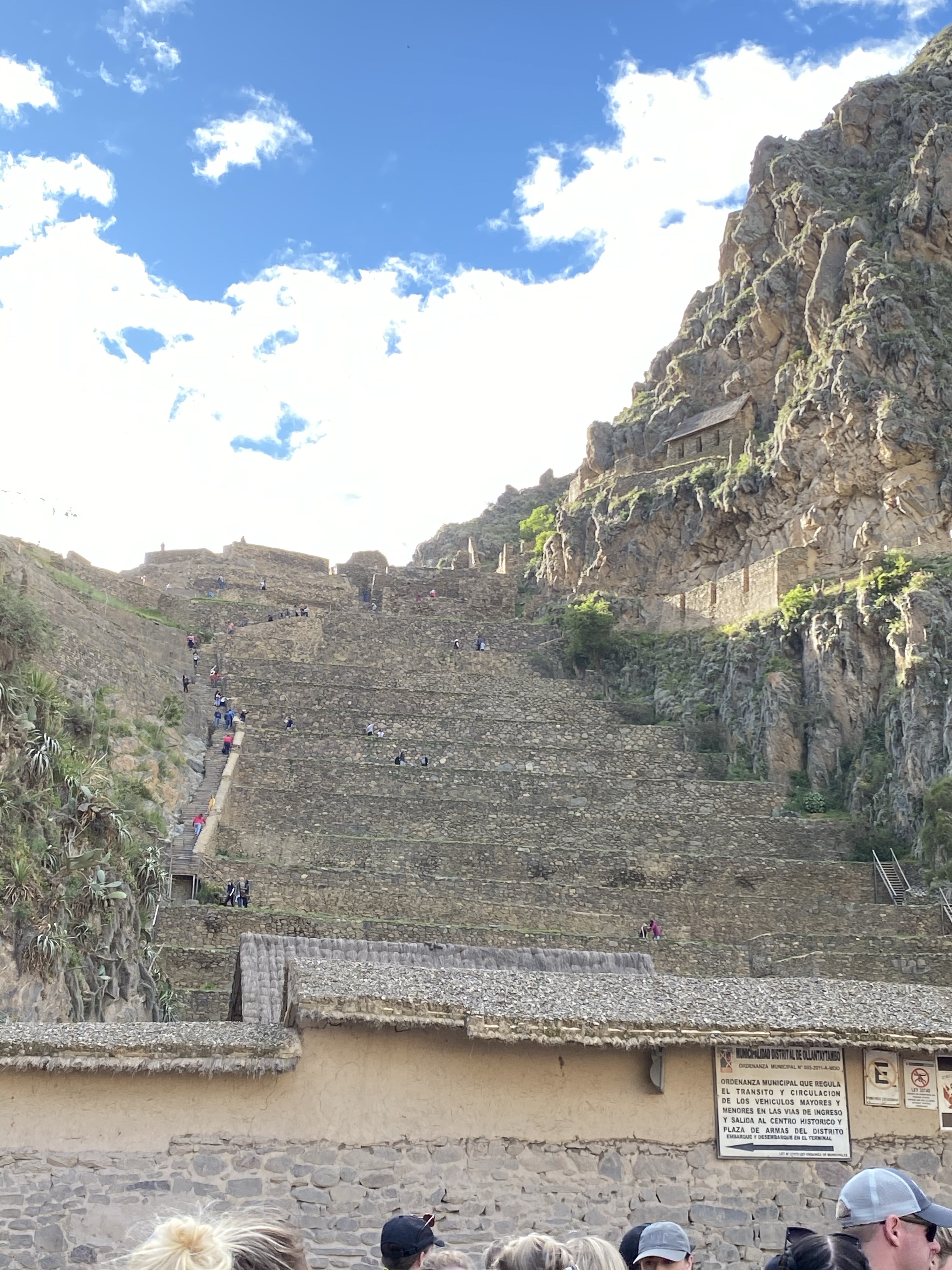
The majority of us hiked the mountain, a few stayed behind and shopped at the market. This mountain has about 250 very steep steps.
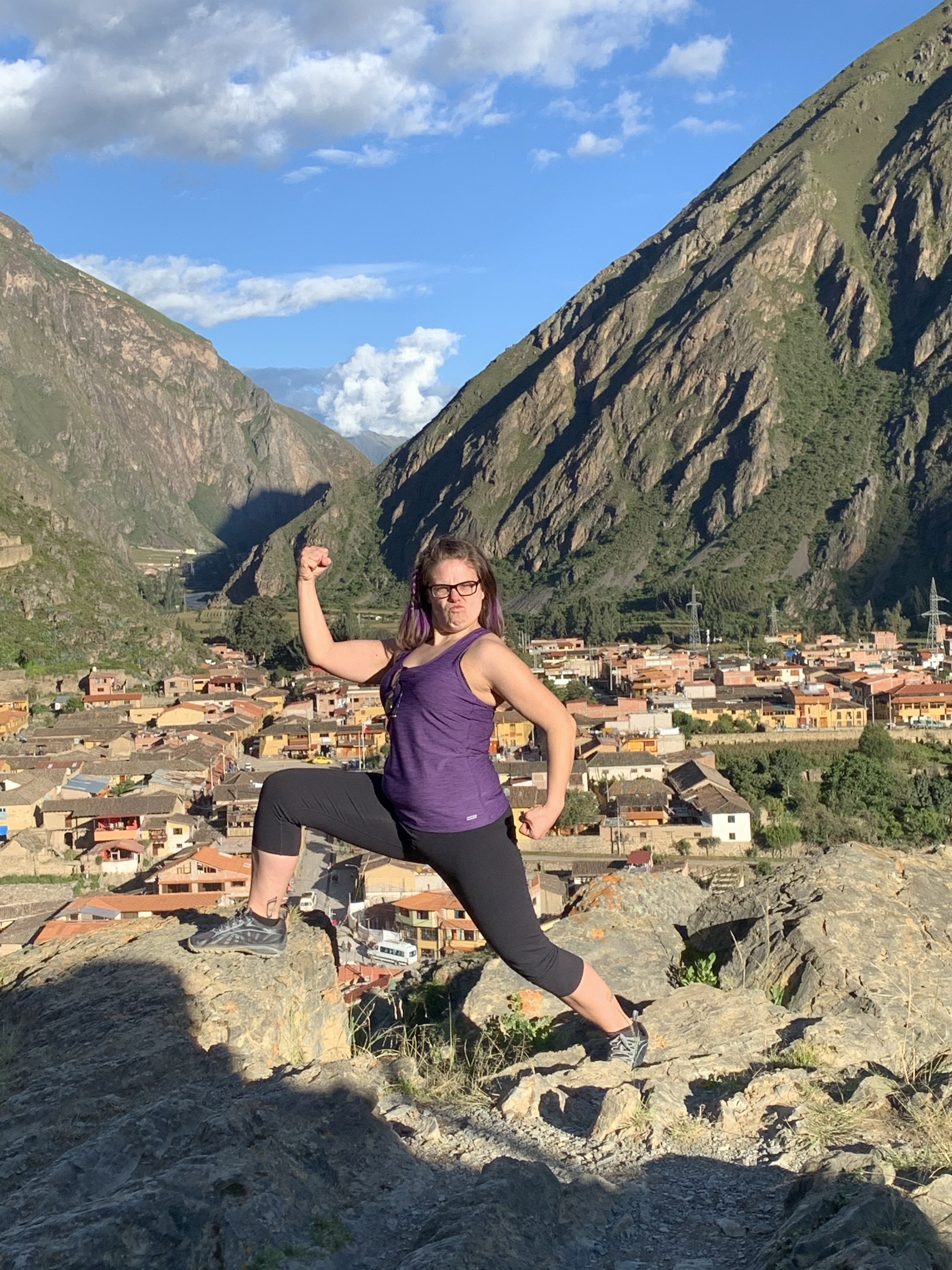
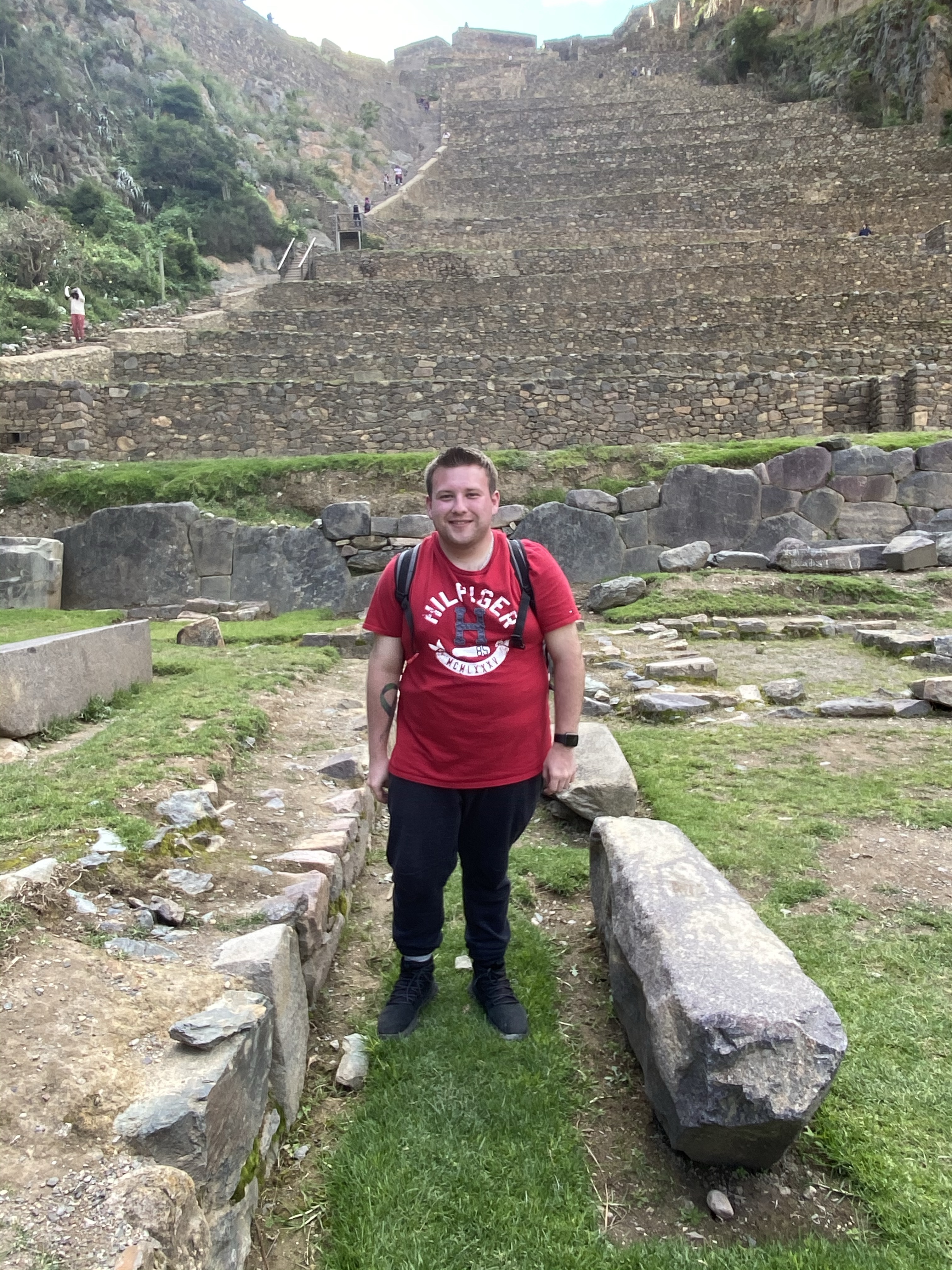
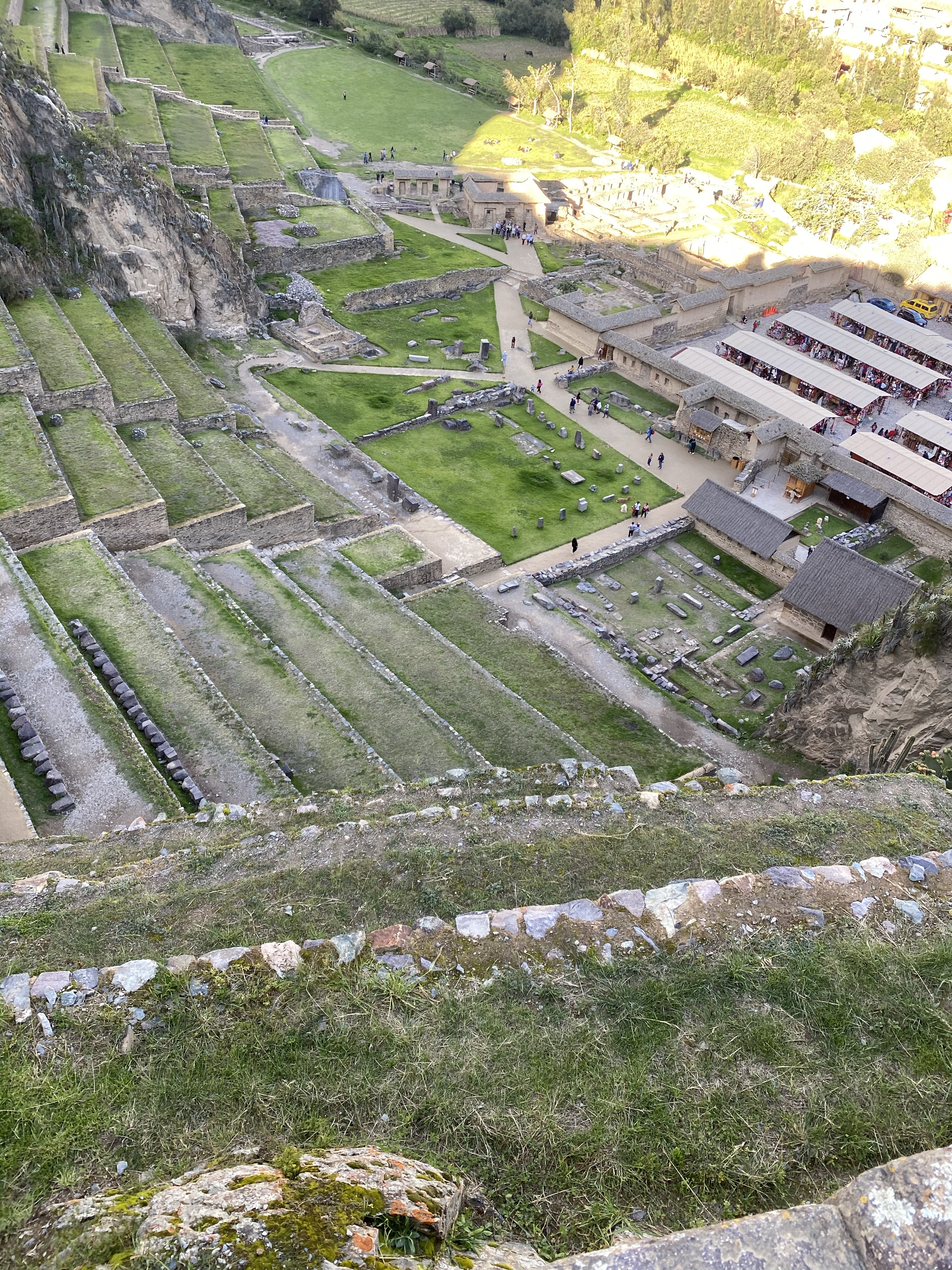
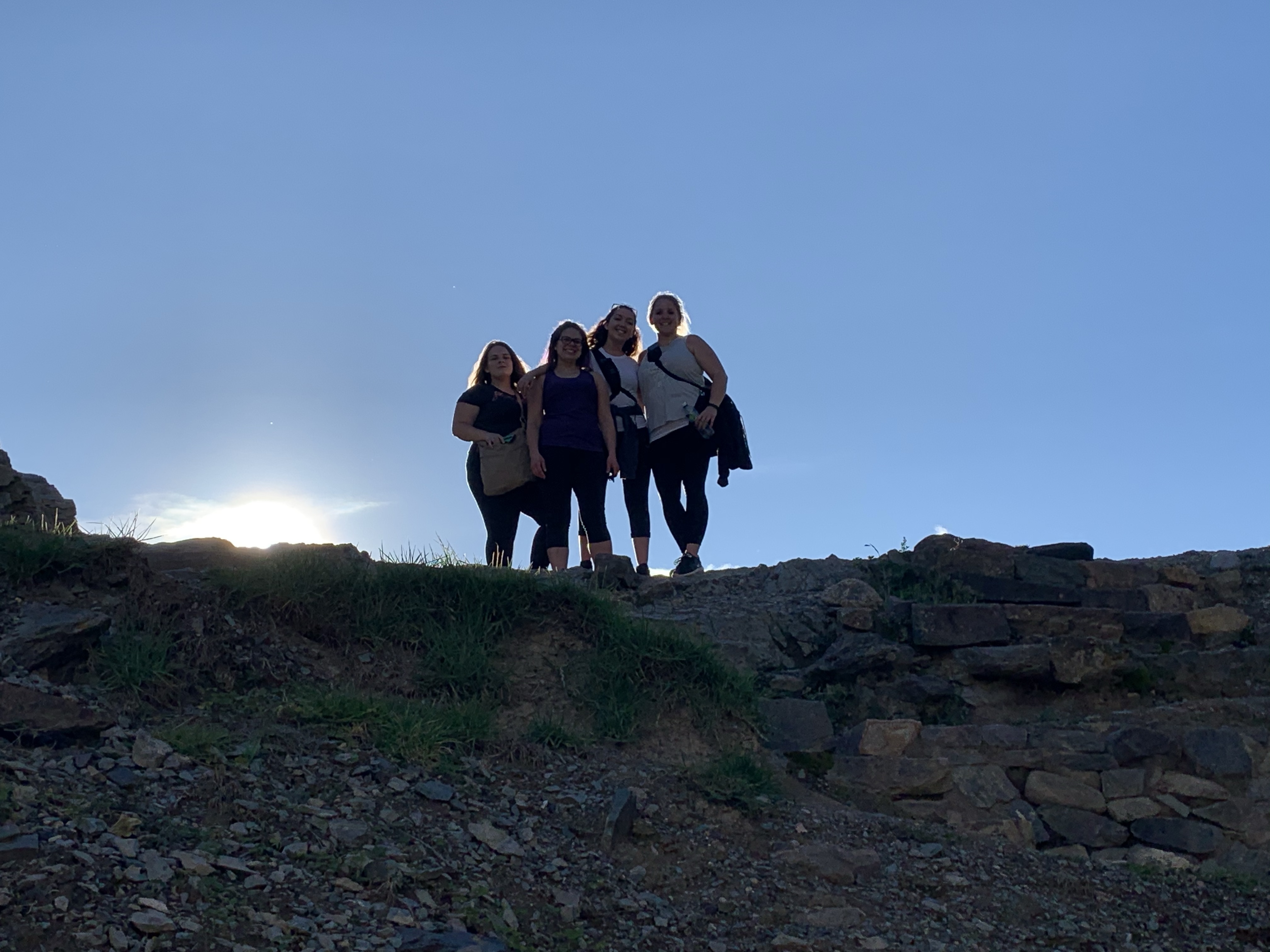
After climbing the mountain we checked out the market. Some really cute kids came and sang for us for some soles.
After this we went back to our hostel said good bye to our tour guide Arlich, thanked him for the amazing job he did the past few days and prepared for clincial the next day!
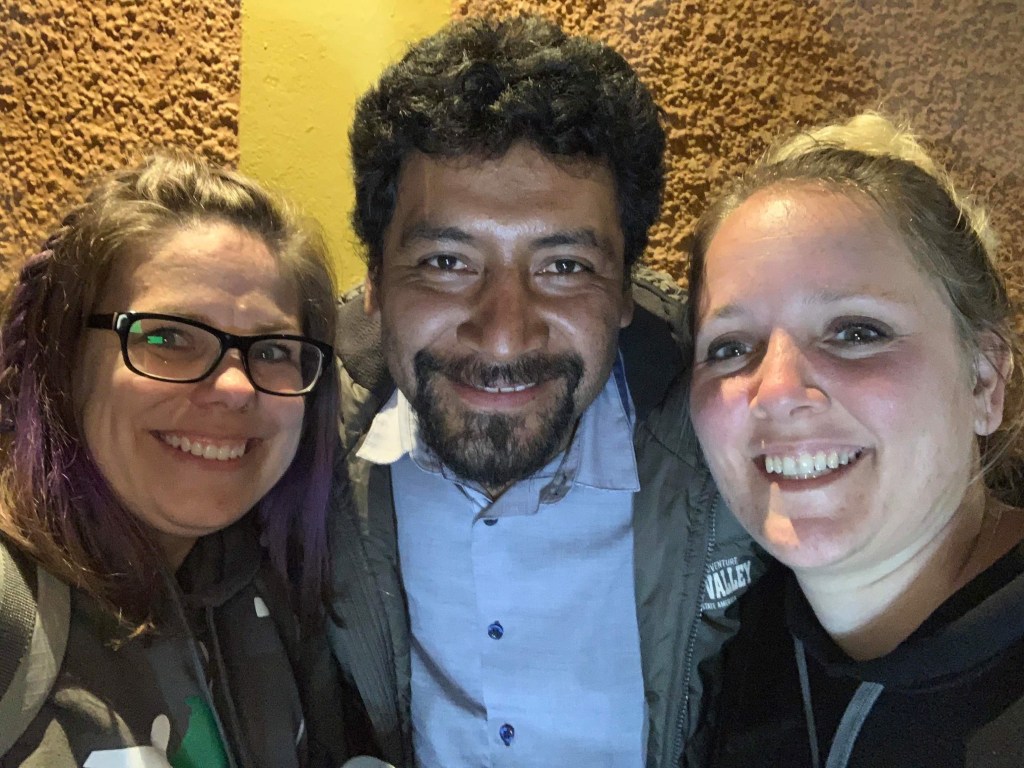
Stay tuned for our first Peruvian hospital experience!
 Austin Chapman Blogs
Love the history…learned a lot .That mountain was really steep beautiful view .Great pictures a lots to see .Hope your time at the hospital is a awesome experience Thanks My Man xx
LikeLiked by 1 person
Looks like you’re having a great trip – travel 🧳 Is the best history lesson 🙂
LikeLike