Today was our first day in the Peruvian hospitals. Our group of 22 was split into 2 as we are practicing in two different clinics.
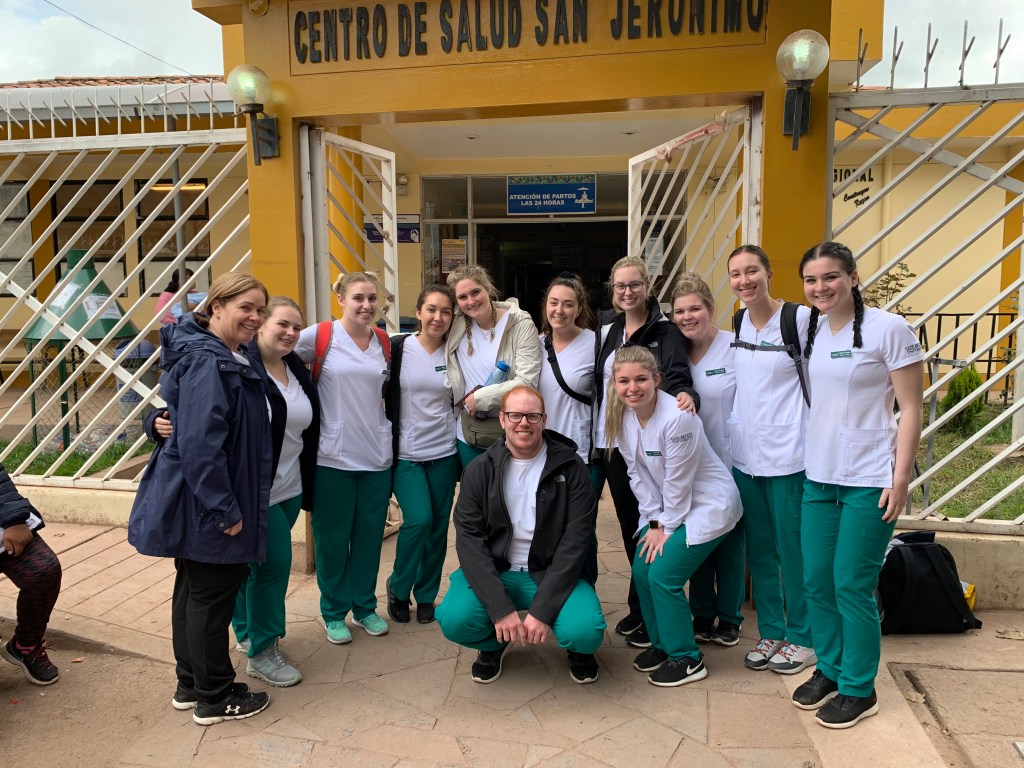
Back Row (L-R): Karen Kennedy (Instructer), Kelsey Brown, Jill Brown, Brianna LaRusic, Allison Burke, Chelsie Cann, Rebecca MacDougall (Instructer), Hannah Gartland, Hannah Mackeigan, Melanie Cochrane
Front Row (L-R): David Gouthro, Megan McNeil
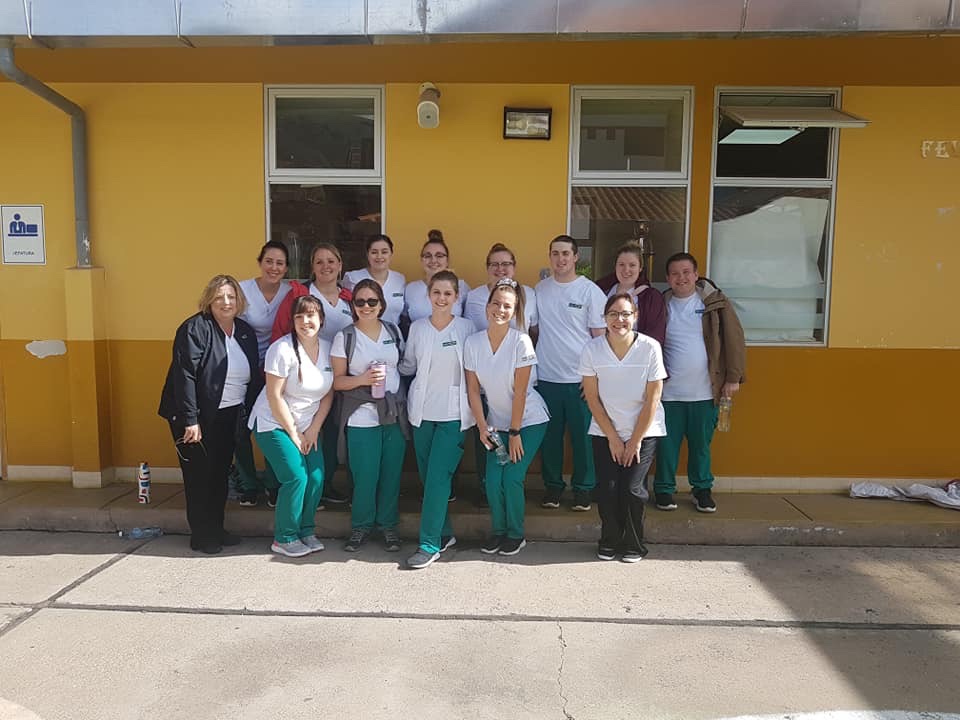
Back Row (L-R): Jean Lavers, Sonya Wambolt, Robyn Shibinette, Kristen Bach, James MacNeil, Morgan Edwards, Austin Chapman
Front Row (L-R): Tracy Lillington (Instructer), Annabelle Welsh, Terri Vallis, Mackenzie Somers, Kelsey Muller, Angela MacDonald (Instructer)
The first half of the students on the trip, were working in the San Jeronimo clinic, which serves prenatal, labour and delivery, immediate postpartum mothers, and general medicine; including an emergency department and immunization clinic. We had students working in many different areas, including with the nutritionists doing presentations on foods used to prevent/manage anemia in different age groups, performing well-baby assessments for children aged 4 months to 3 years of age, working in the emergency room, as well as sitting in on doctor’s appointments and observing in the immunization clinic.
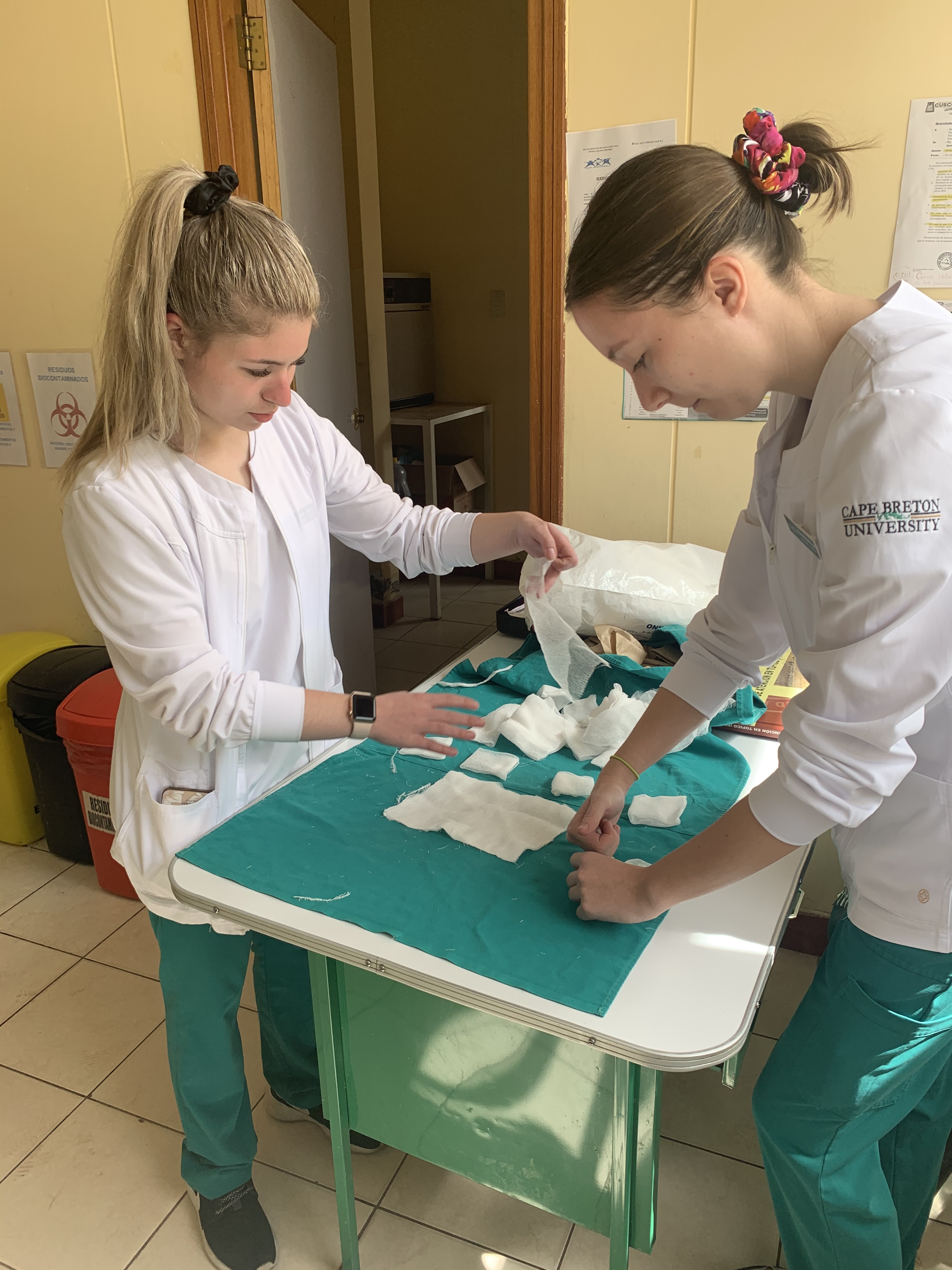
It was so overwhelming and a culture shock on the first day, but we are incredibly excited to go back for the rest of the week!
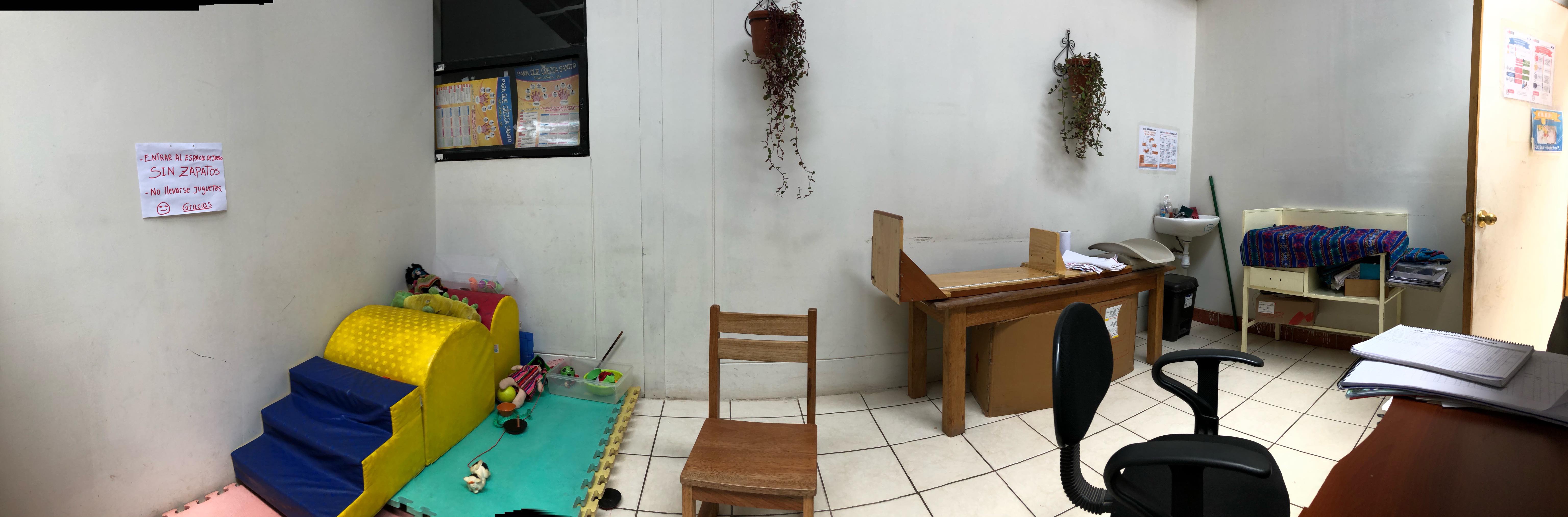
We are switching placements in the clinic every day so that we all have a chance to experience every aspect of care in the clinic environment.
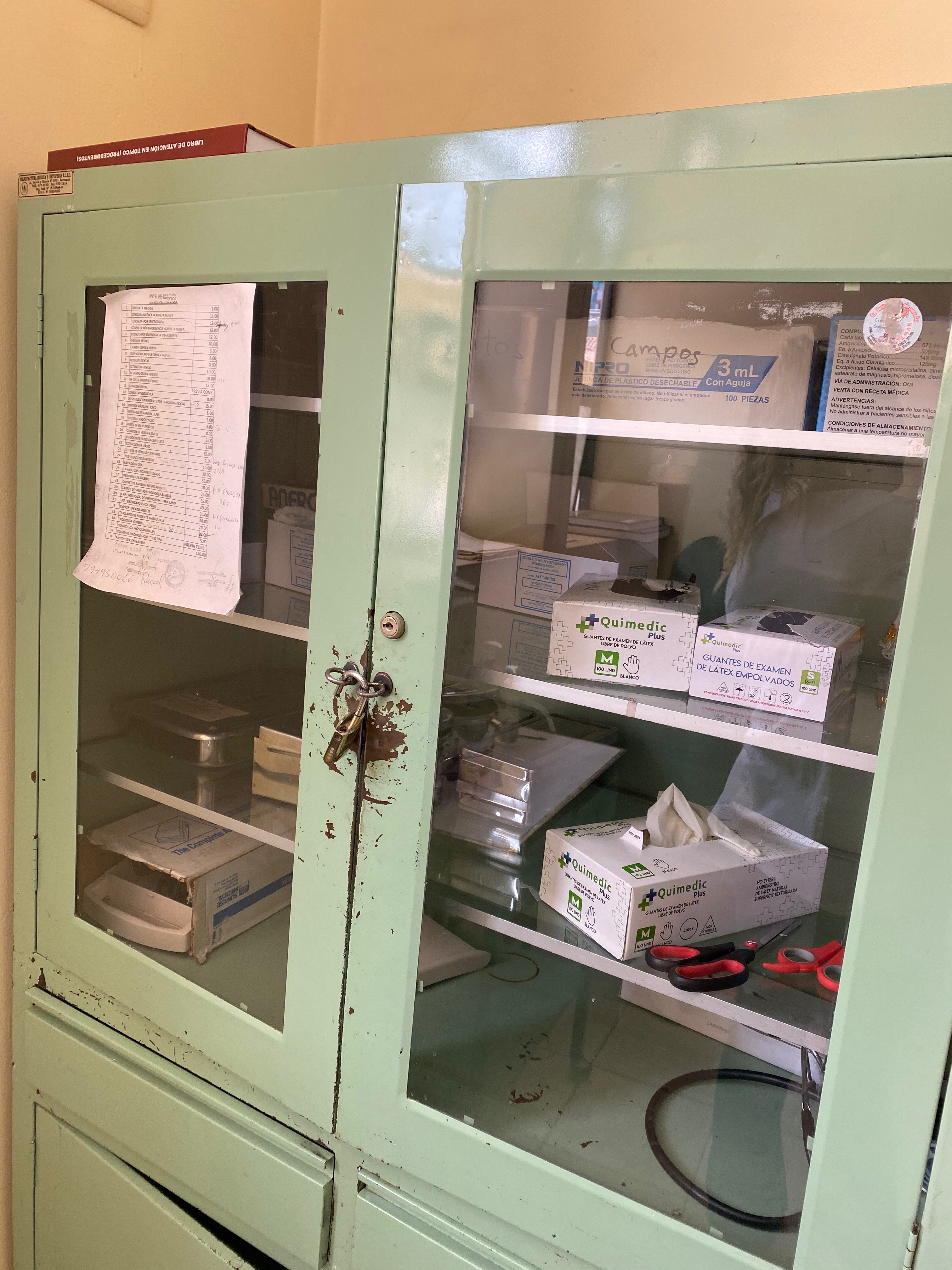
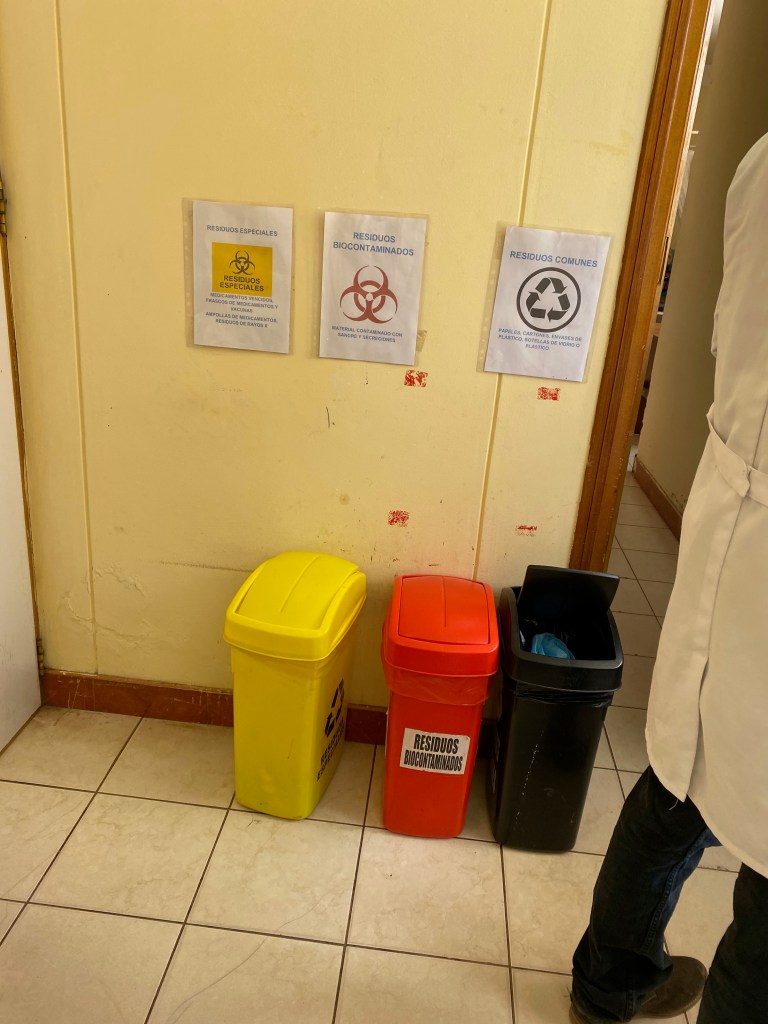
The other group went to CLAS TTIO. This Clinic does a lot of the same as the San Jeronimo clinic. There is a triage centre which is very busy, James MacNeil was placed there. He said they triaged 58 patients in the matter of 4 hours- their ages ranged from 20-65. In this part of the clinic they took vitals, height, weight, and asked about primary concern. They would take multiple patients in at one time to triage more efficiently.
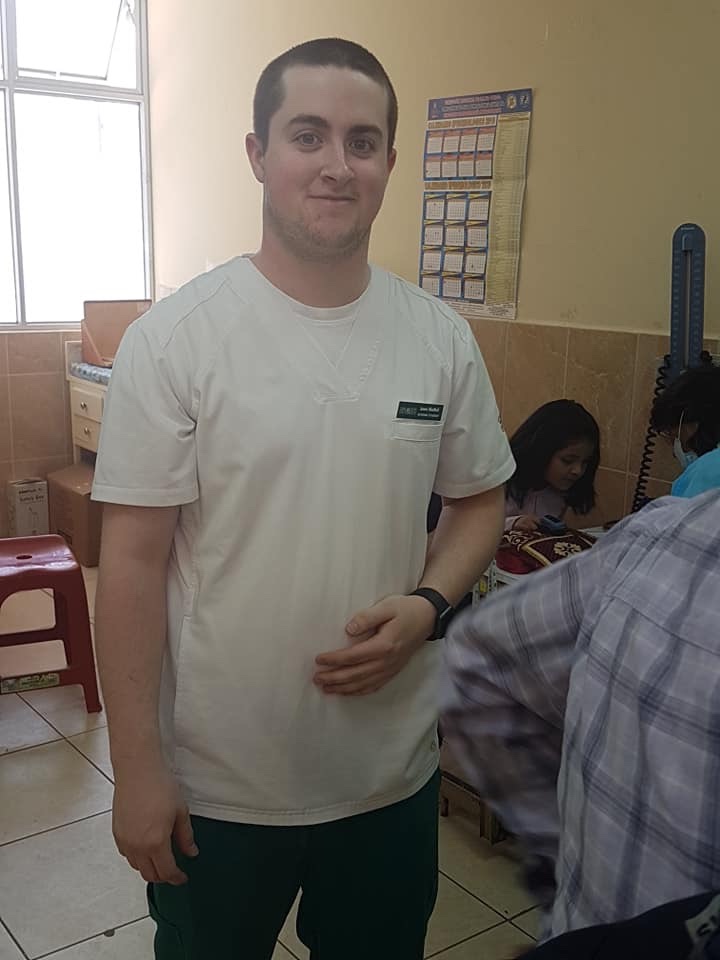
The clinic also has a few pediatic assessment rooms/ well child clinics, some Obstetrics clinics, well baby clinics/ check ups, a check up room for the elderly or adult population. They also have ambulatory care, a dental clinic, a psychiatric/ mental health clinic and a pharmacy.
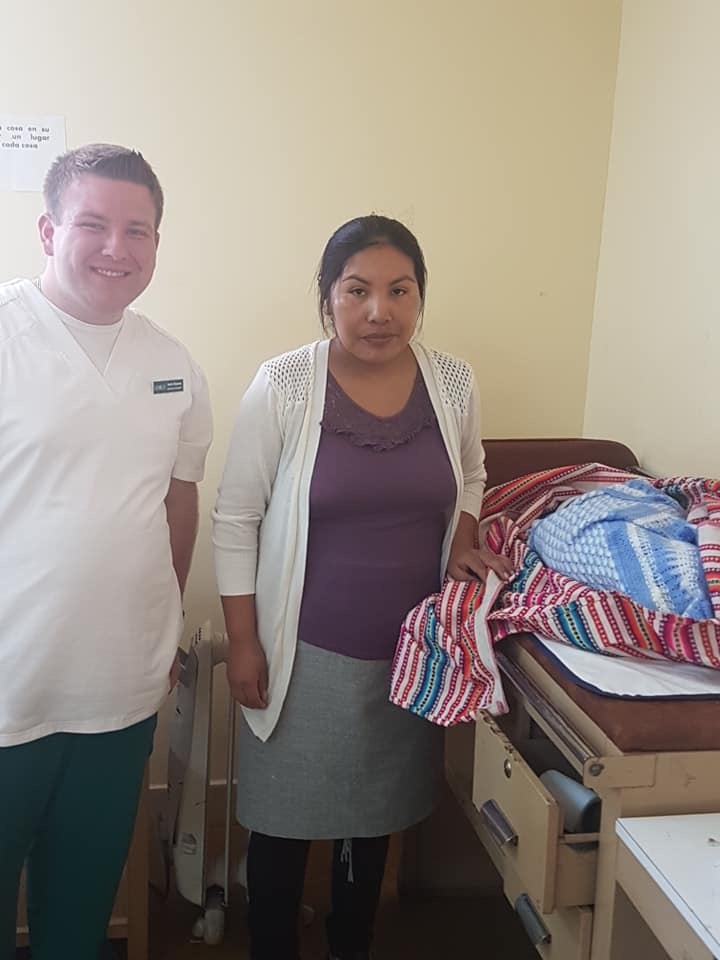
I (Austin) was in a well child assessment, Sonya Wambolt was in the other child assessment clinic. We measured height, weight, length, head circumferences of some children, their temperature and their Apical heart rate. One thing we both found interesting was that the patients/ patients parents bring all of the paper work and information with them. They carry the growth charts, medication info, developmental info (Nipissing) , etc with them to the appointments. The nurses provided education to the patients and showed them all how the growth charts work/ what they mean.
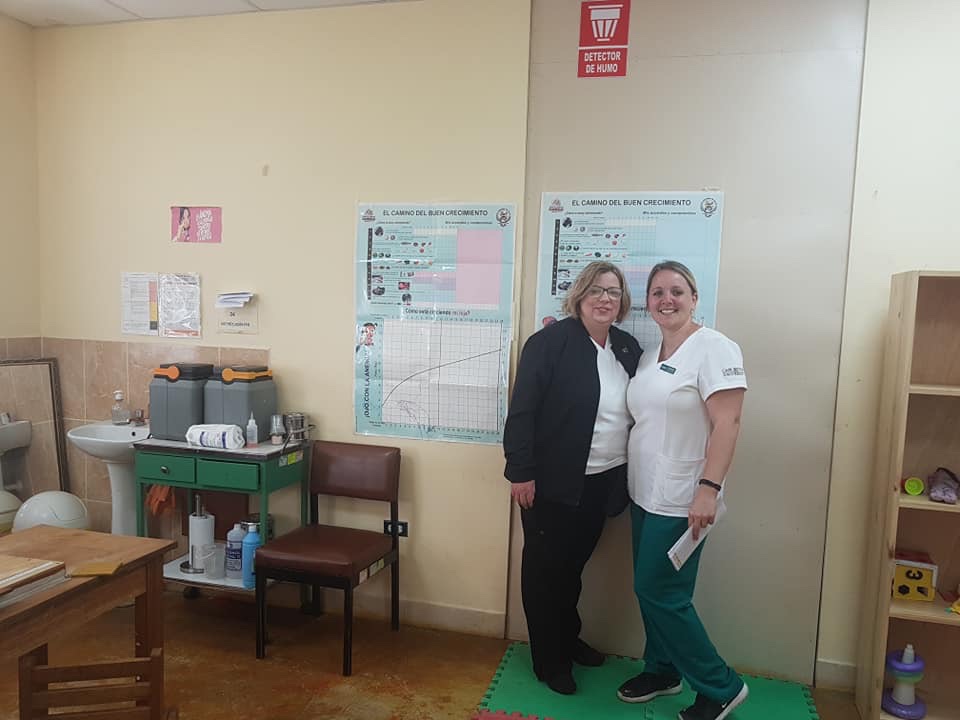
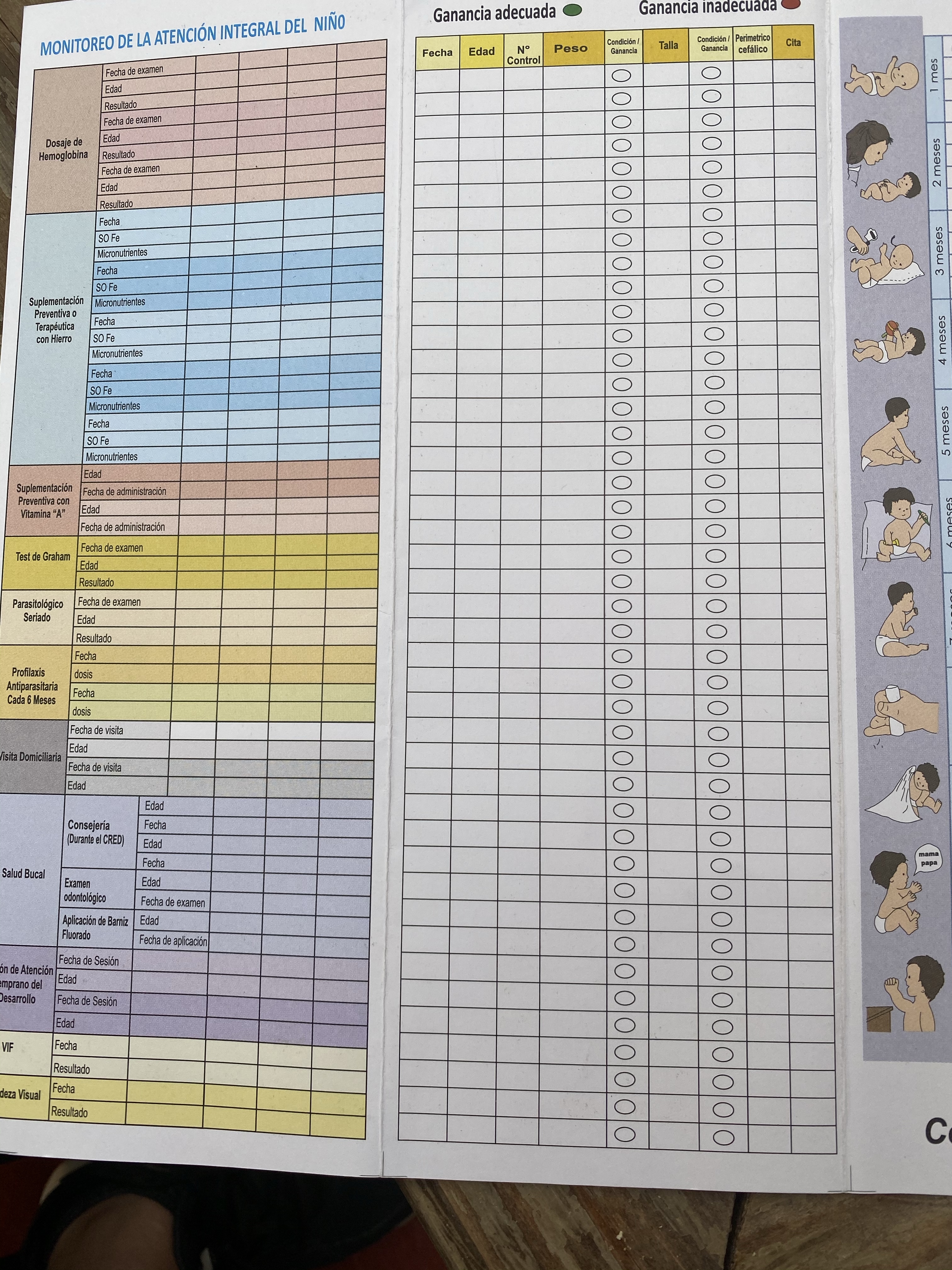
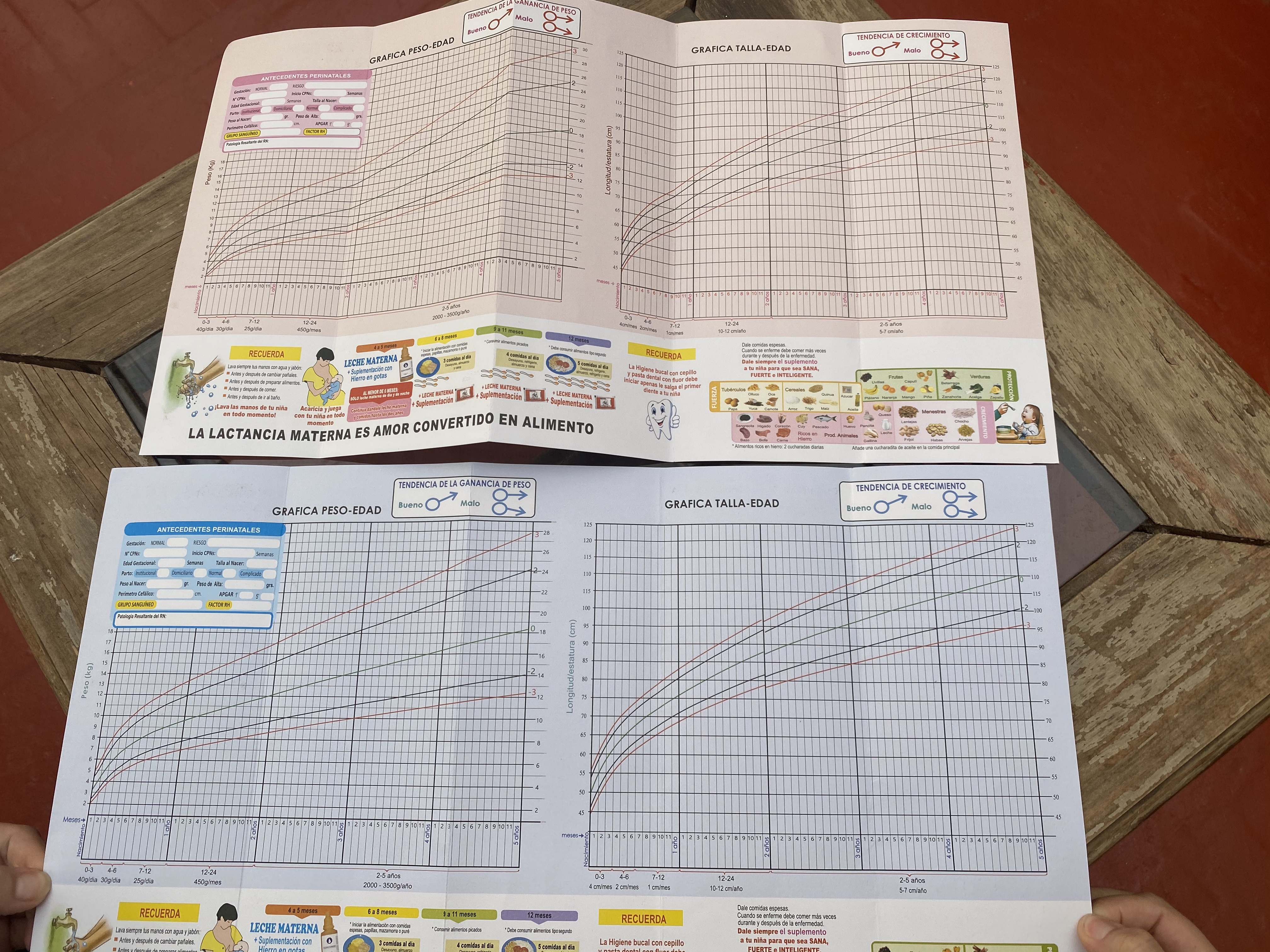
Growth charts 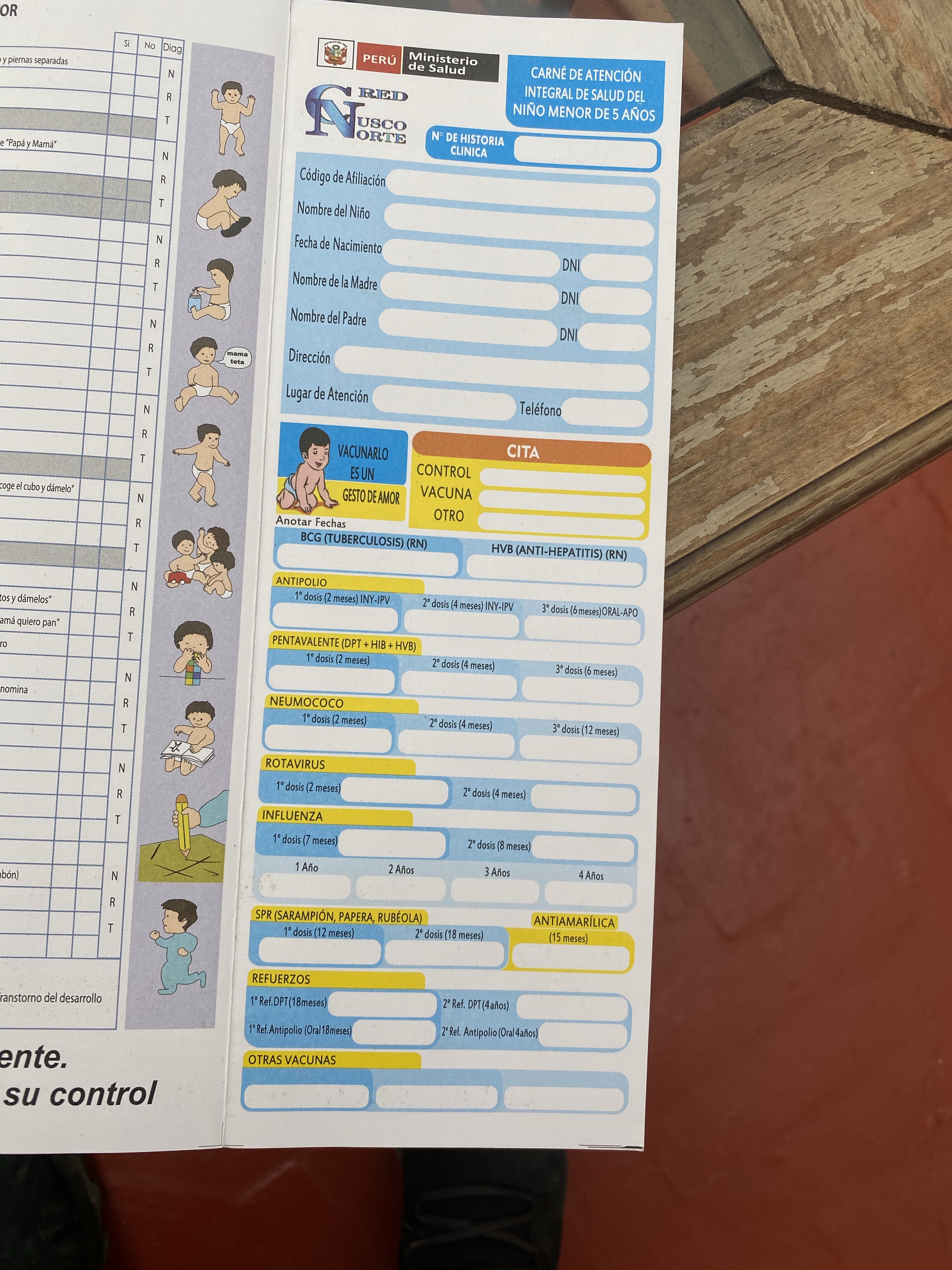
Personal and immunization info 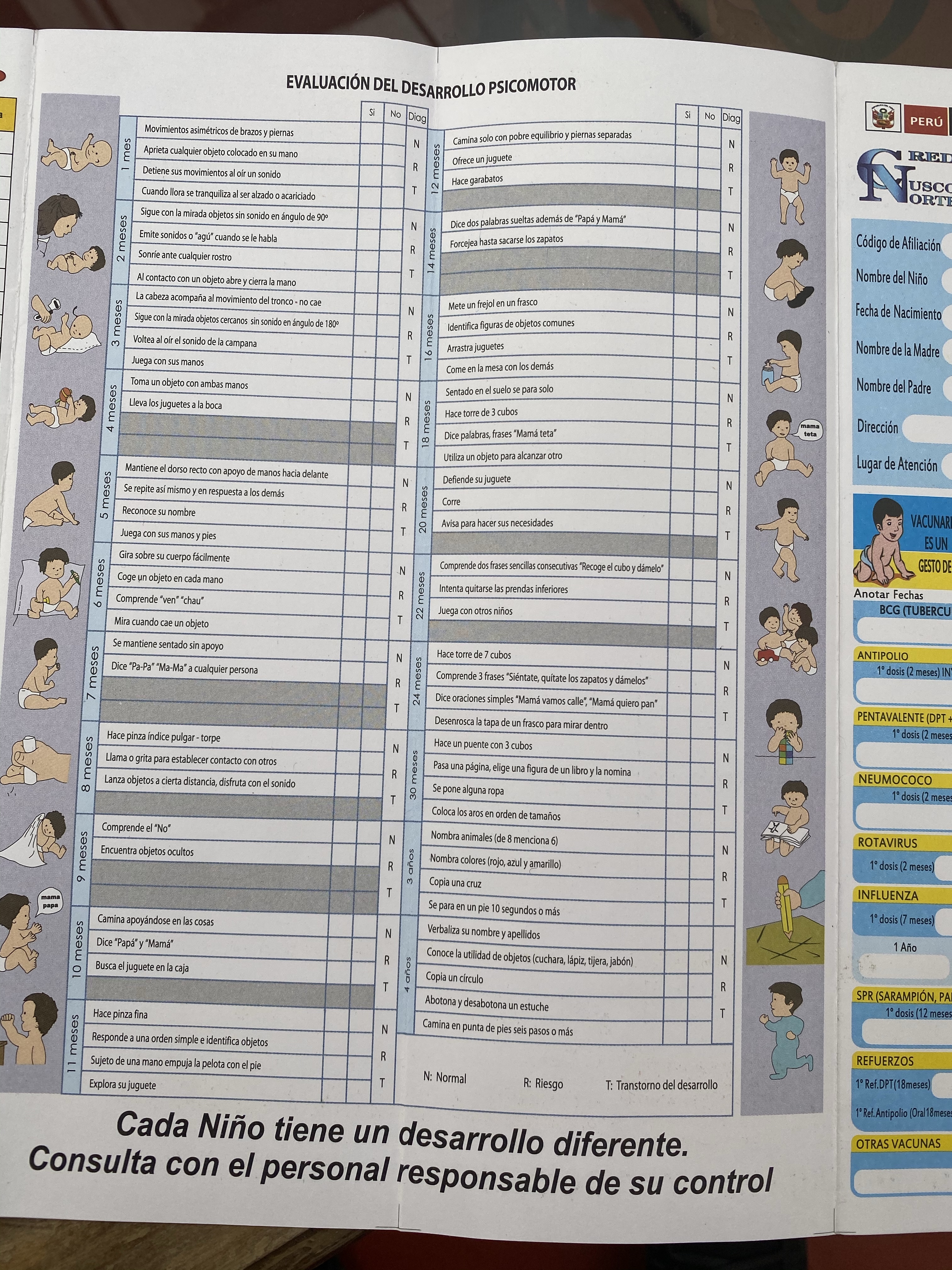
Developmental
Mackenzie Somers was placed with dentistry. In dentistry she observed some cavity fillings and a tooth extraction.
Terri Vallis was placed in the prenatal clinic. They completed assessments like they would back home. They took Blood pressures, temperatures, weight, heart rates, fundal measurements/height, breast exams, they check for edema in the ankles and also check reflexes. The nurses there provide a lot of education on nutrition and how to properly nourish your baby.
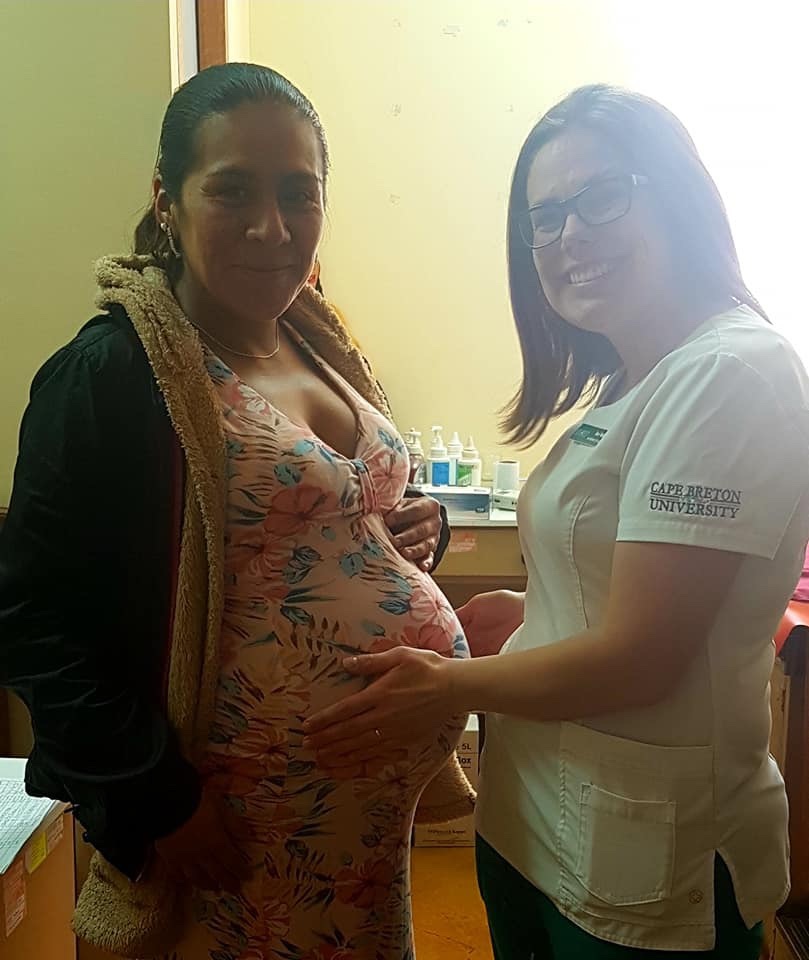
Kristen Bach was placed in a procedure room at CLAS TTIO. Kristen observed some Intermuscular (IM) injections of dexamethasone. She also assisted in changing some dressings for patients who had dog bite wounds and watched them take out some stitches.
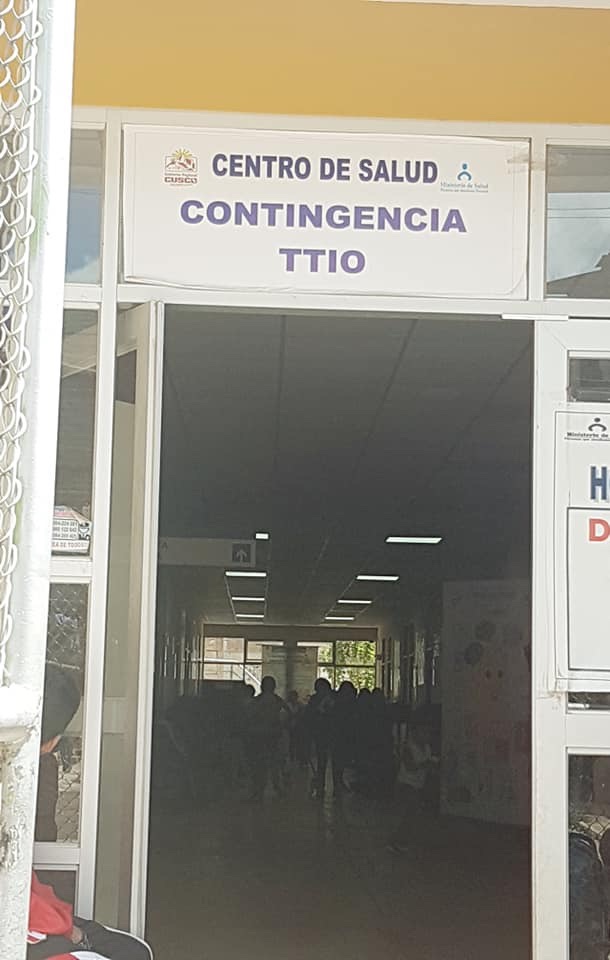
Morgan Edwards was placed in a well woman’s clinic.
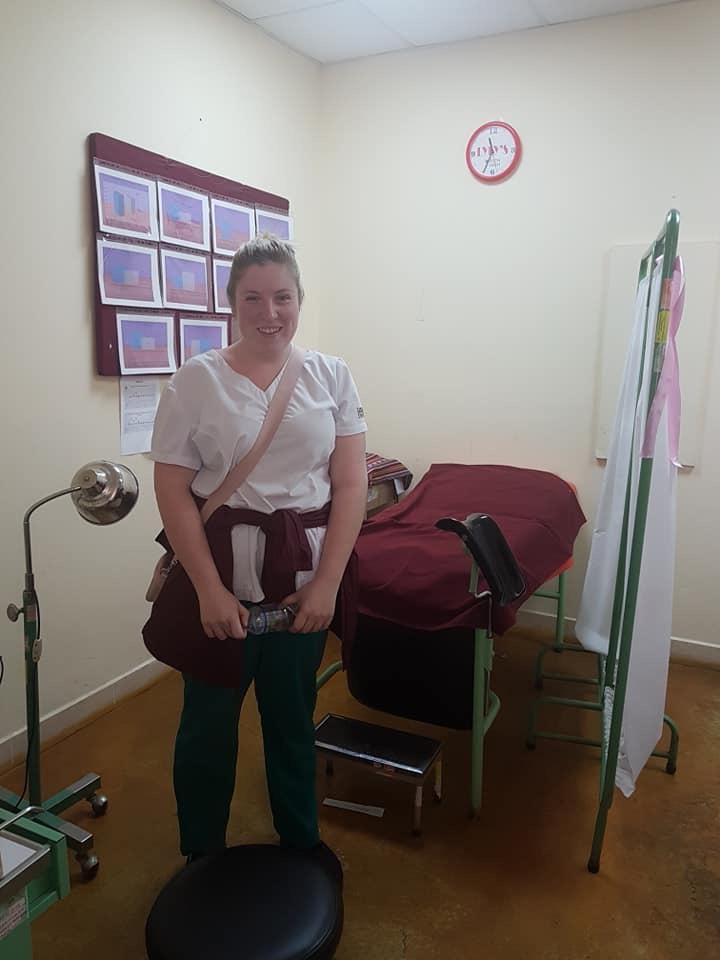
“The first day of clinical in Peru was an experience I wasn’t prepared for. I was placed with an OB/GYN physician. She allowed me to assist her with multiple Pap tests as well as associated paperwork.
I noticed a few similarities between Pap tests back home and the ones I was a part of today, but the differences were remarkable. For example, the physician used acetone a lot, which I didn’t understand. I also couldn’t question this practice because of the language barrier so this will be something I will have to research further.
The other areas with the greatest difference were in sanitation and privacy. I noticed in the clinic that the physician did not wash her hands or her equipment to the standards that we uphold in Canada, and it was not unusual for anybody (staff or patients) to enter the clinic room while she was performing a Pap. This would not fly at home.
Overall, this would have been a typical day back in Canada, however, she didn’t speak any English and unfortunately, I don’t speak Spanish. She was extremely friendly and helpful, we got along well, and we had a lot of laughs when our communication was failing. I am extremely grateful for the opportunity, but I must admit that being placed alone with people that you can’t effectively communicate with can be a bit overwhelming.” -Morgan Edwards
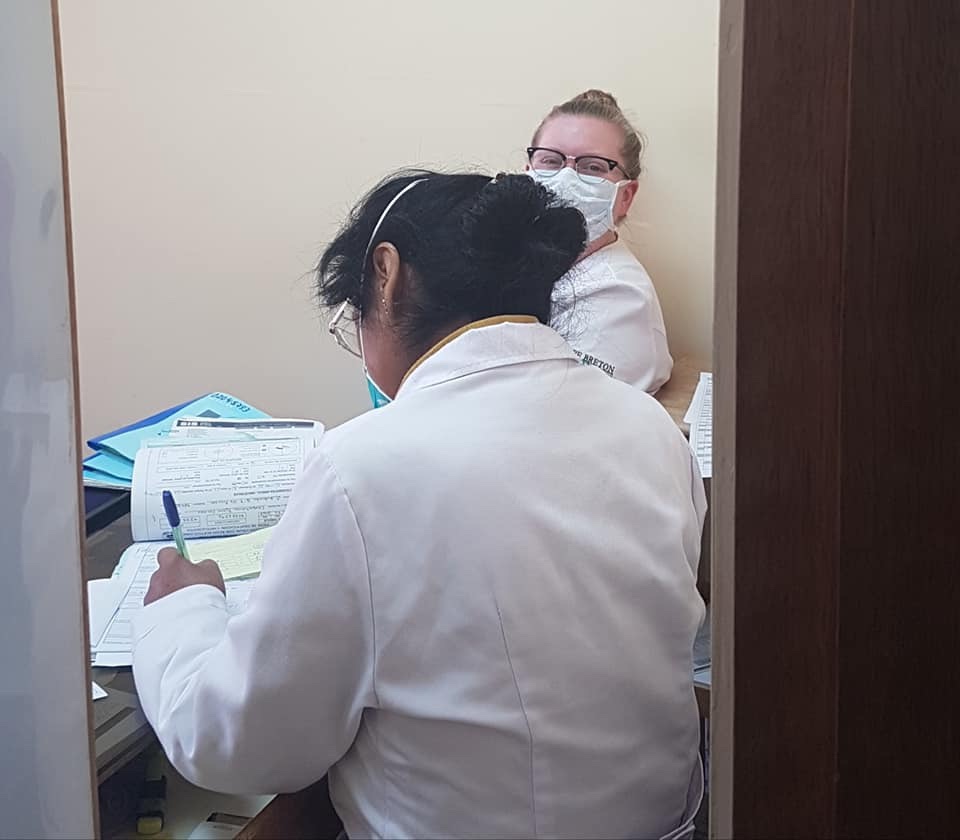
Kelsey Muller was placed in general medicine: “I spent my day with “junior”. I learned documentation which I did all morning. I was able to preform exams, help with diagnosis, and do hands on skills such as blood pressures, throat inspections, auscultating lung sounds, etc. A lot of diagnosis were seen such as bronchitis, conjunctivitis, abnormal bone growth in 10 month old legs, mosquito bite which turned into dingue (infection), etc.”- Kelsey Muller
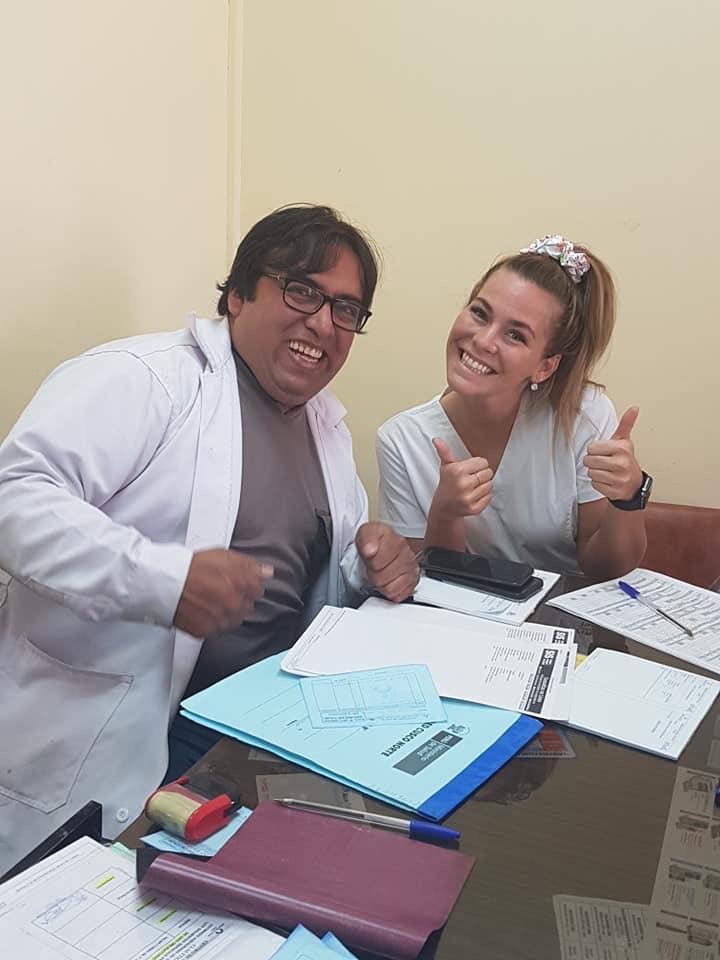
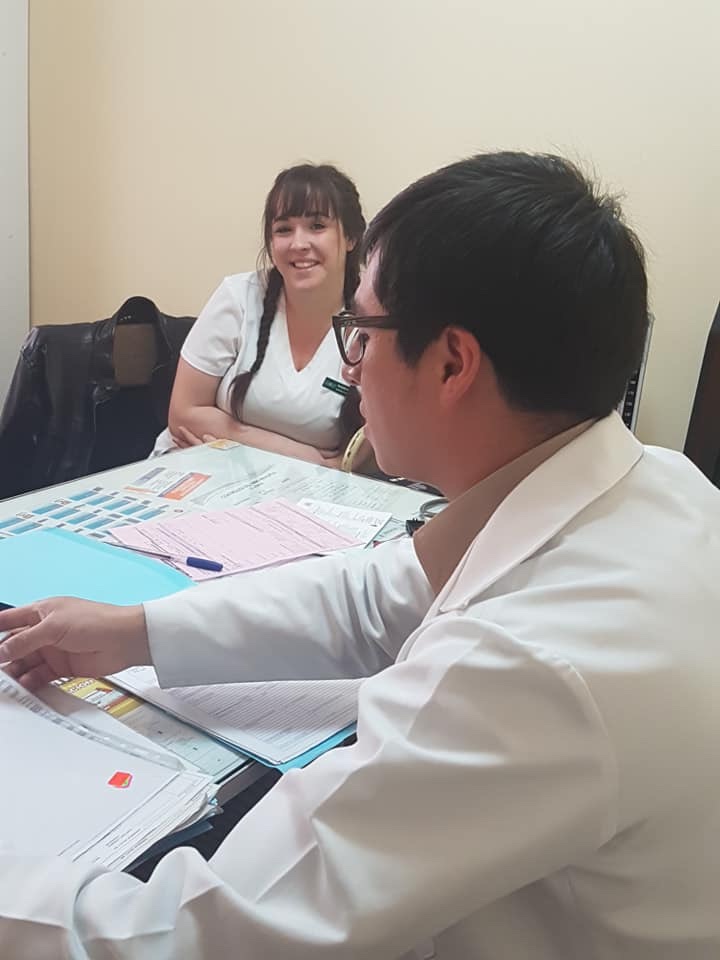
Both groups learned a lot from their clincial experience, it was definitely difficult and a bit of a culture shock but it was eye opening. We are going to use this experience in our future nursing practice.
Stay tuned for our next clincial experience.
-Austin Chapman, Hannah Gartland, Morgan Edwards, Kelsey Muller
 Austin Chapman Blogs
SOME MORE BEAUTIFUL PHOTO’S 💞 WOW SOME EXPERIENCE 4 YOU ALL ENJOY AMAZING PHOTOS AUSTIN 😁 😍
LikeLiked by 1 person