After our first clincial experience and our first Spanish lessons at San Blas Spanish School we felt a little more confident going into clincial today.
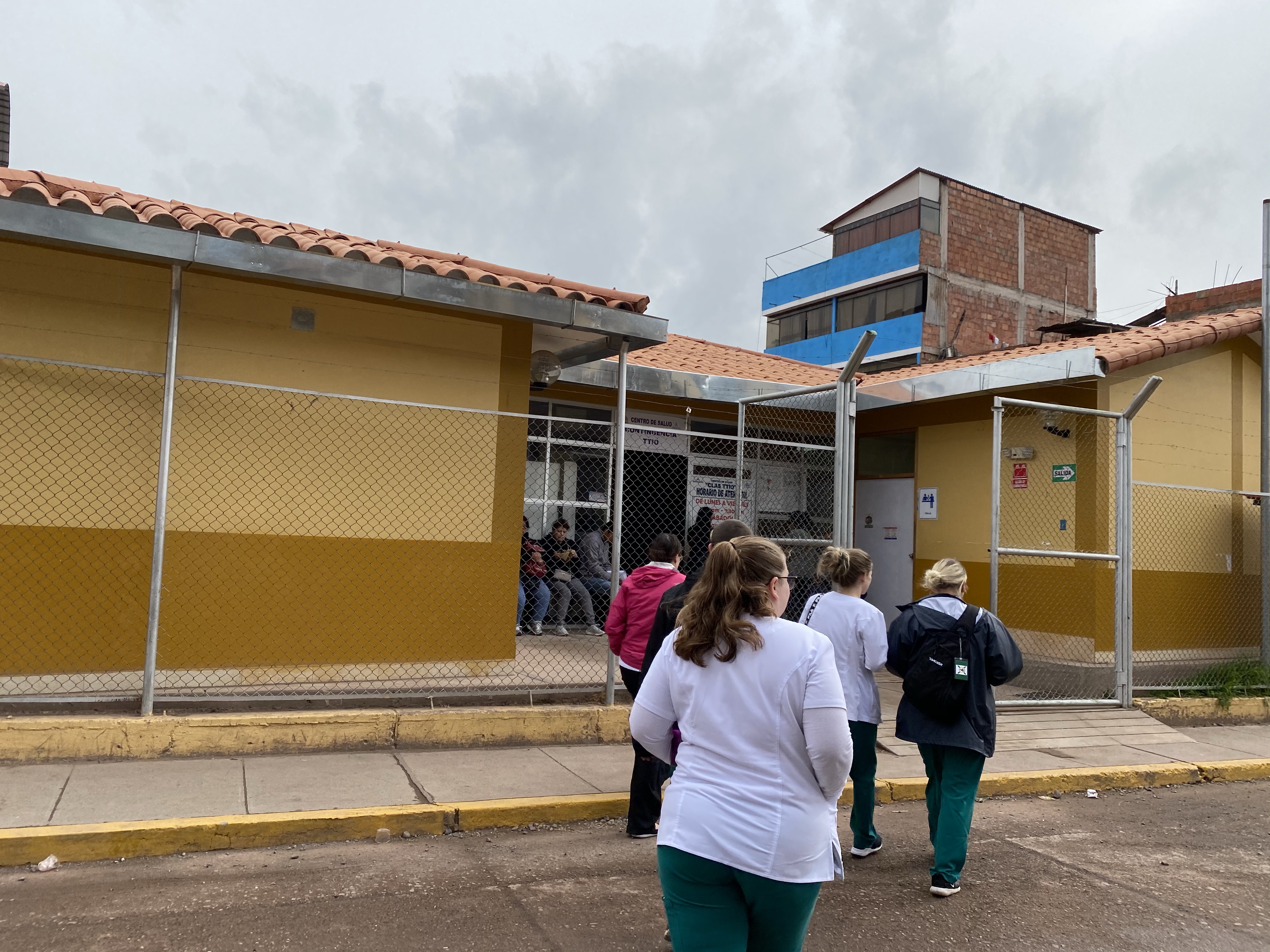
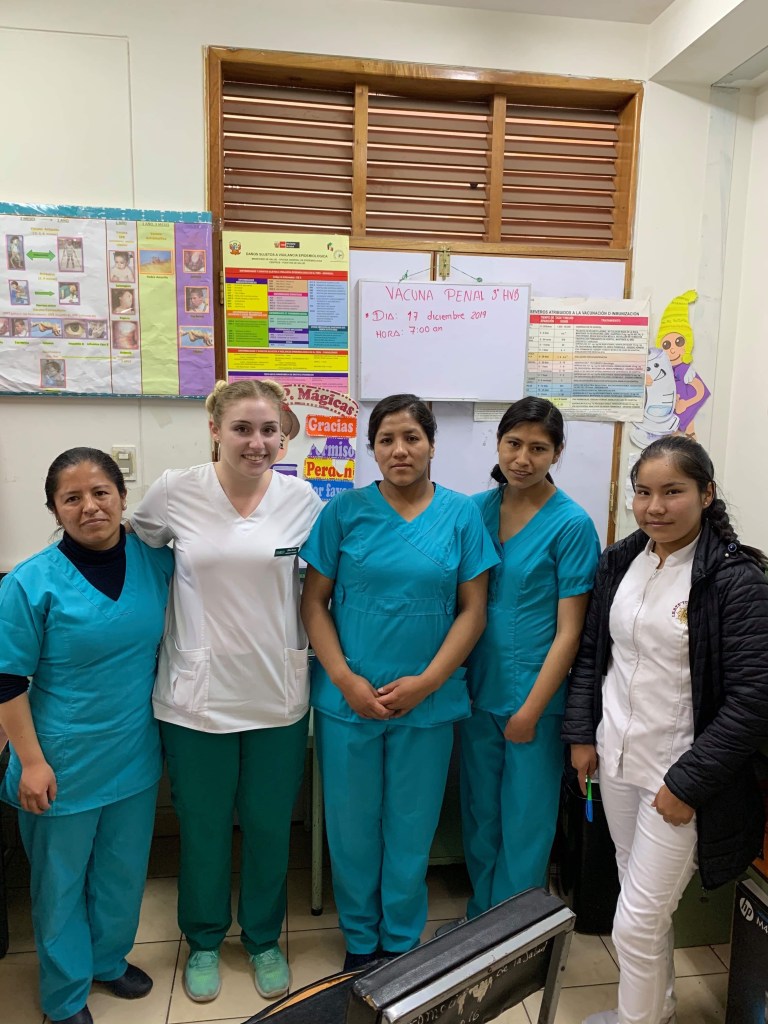
The students at the San Jeronimo clinic- written by Hannah Gartland:
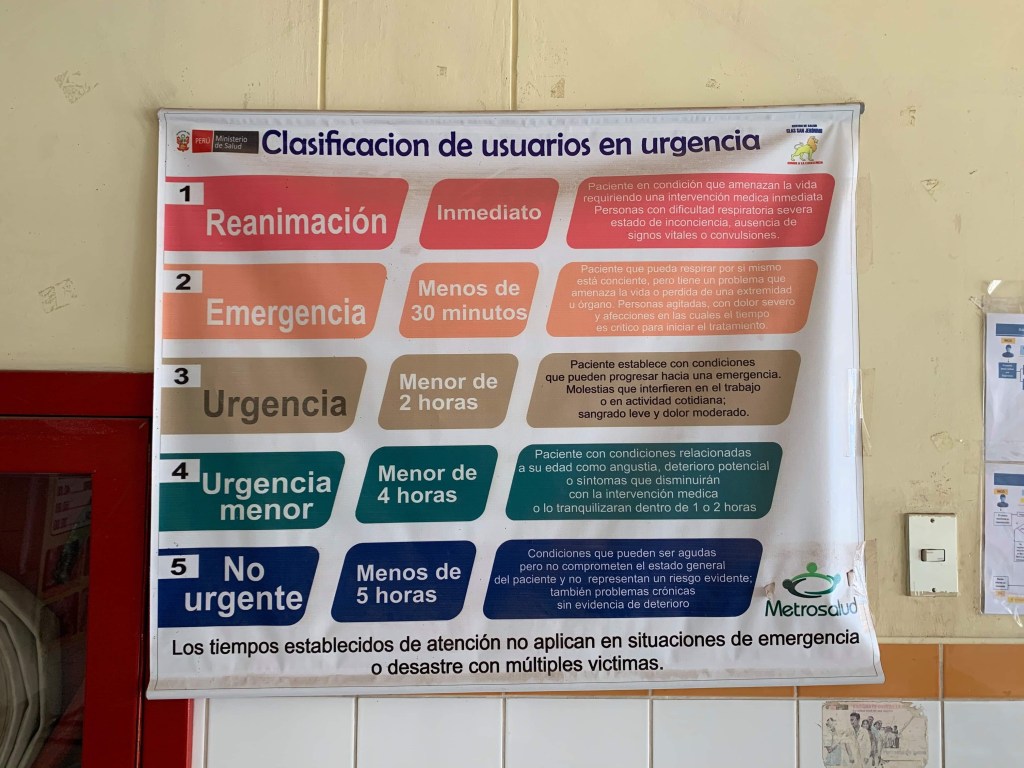
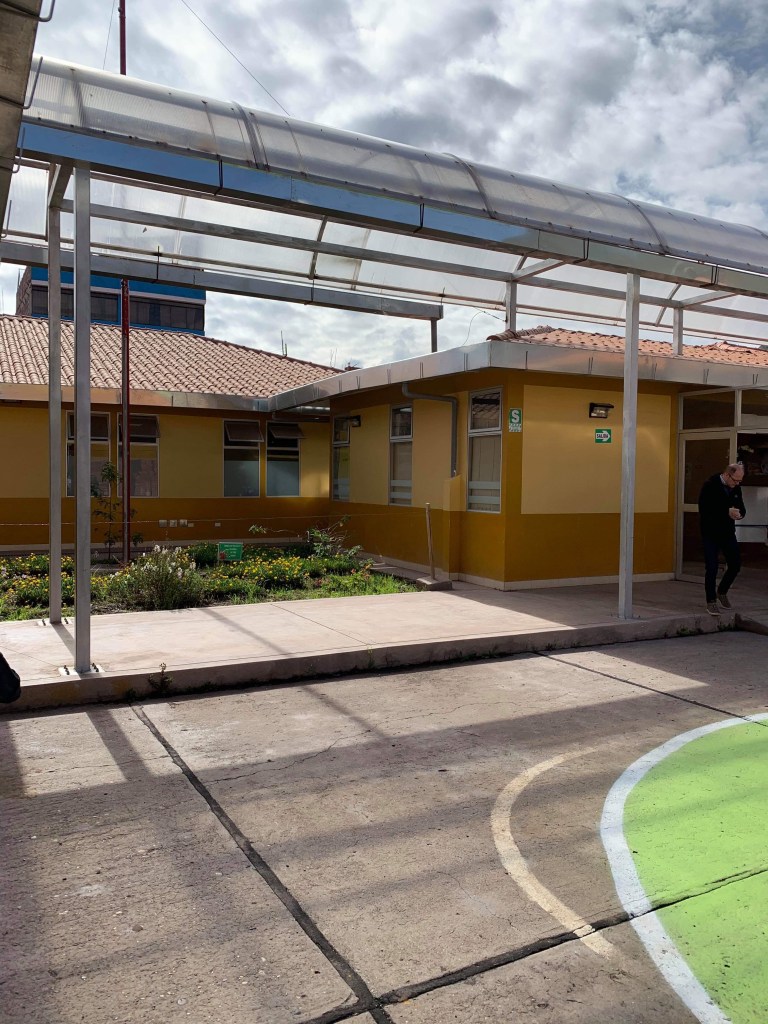
To start our second morning of clinical, Manfred took us on a tour of the hospital we are working at.
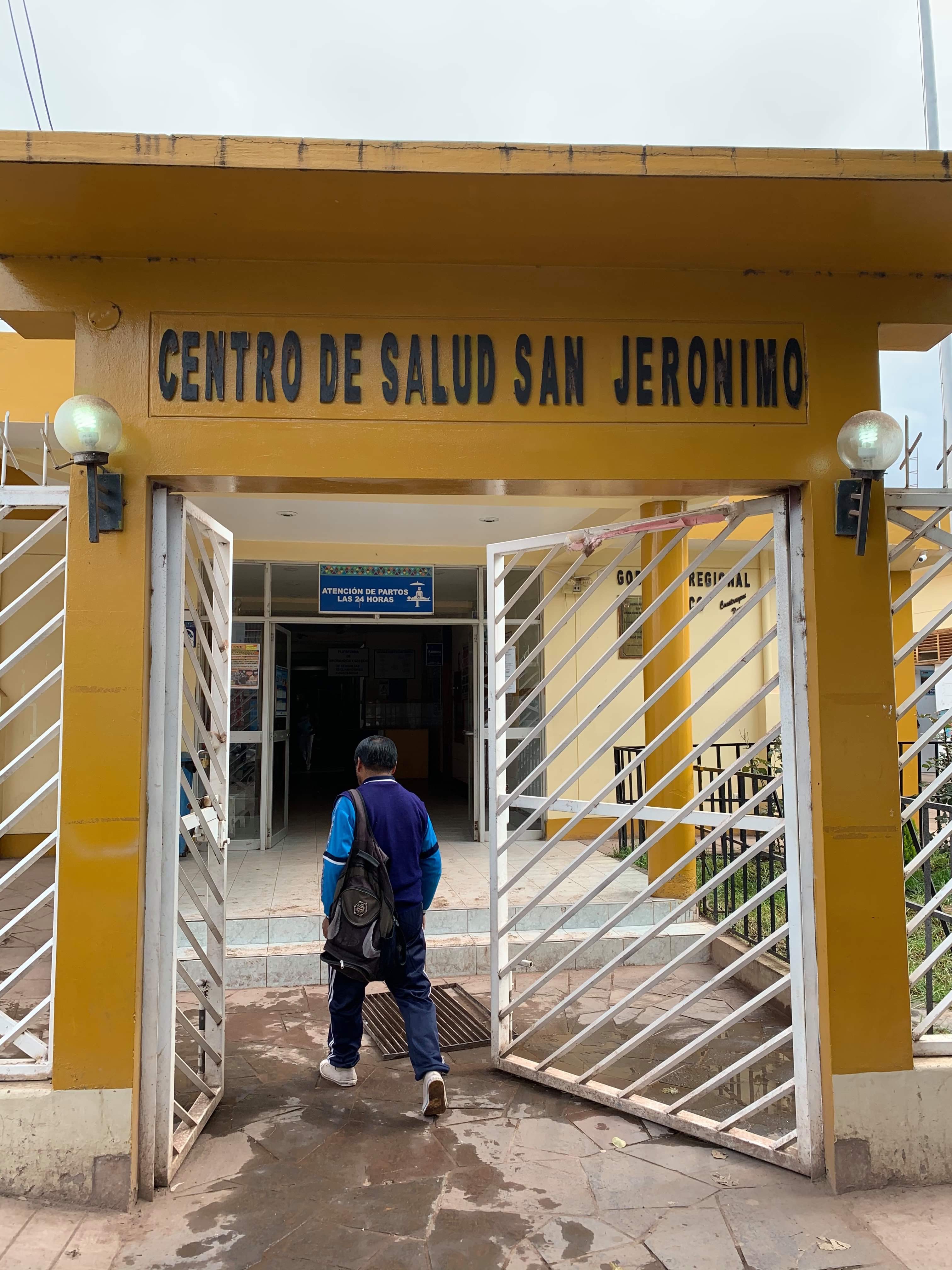
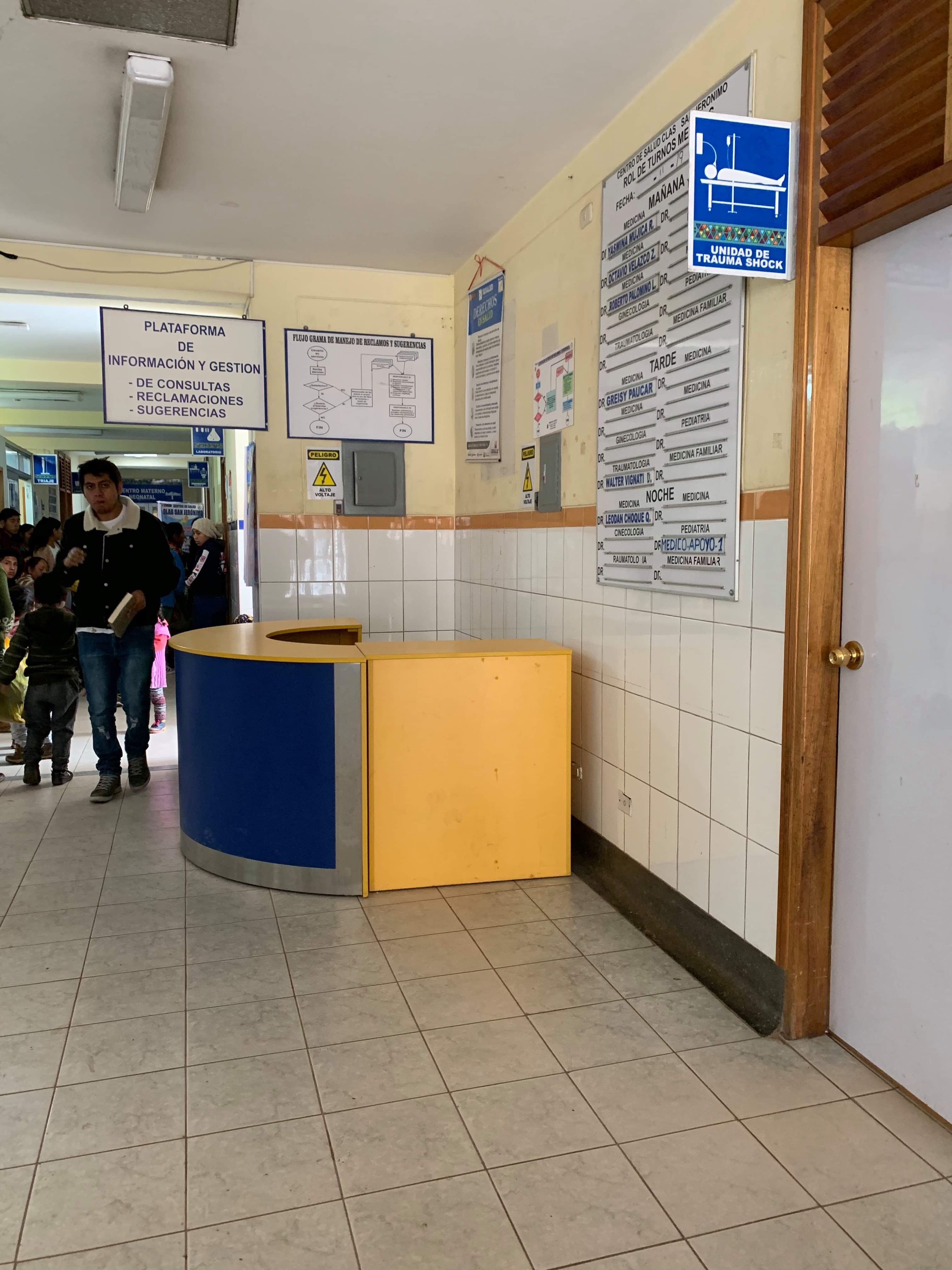
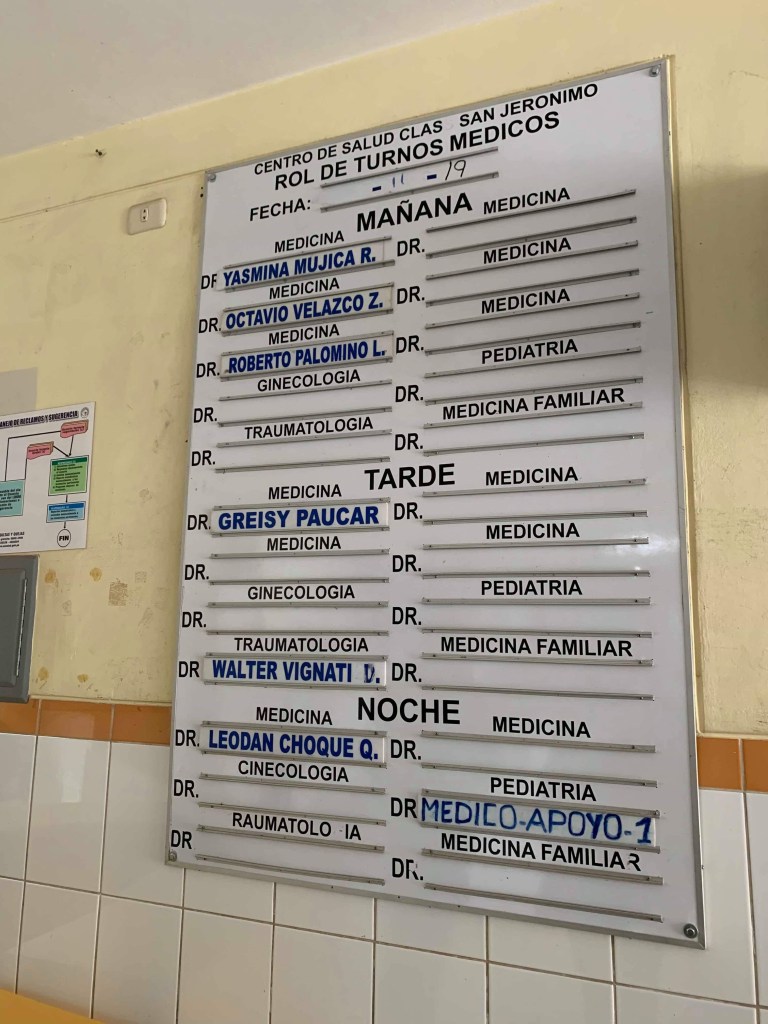
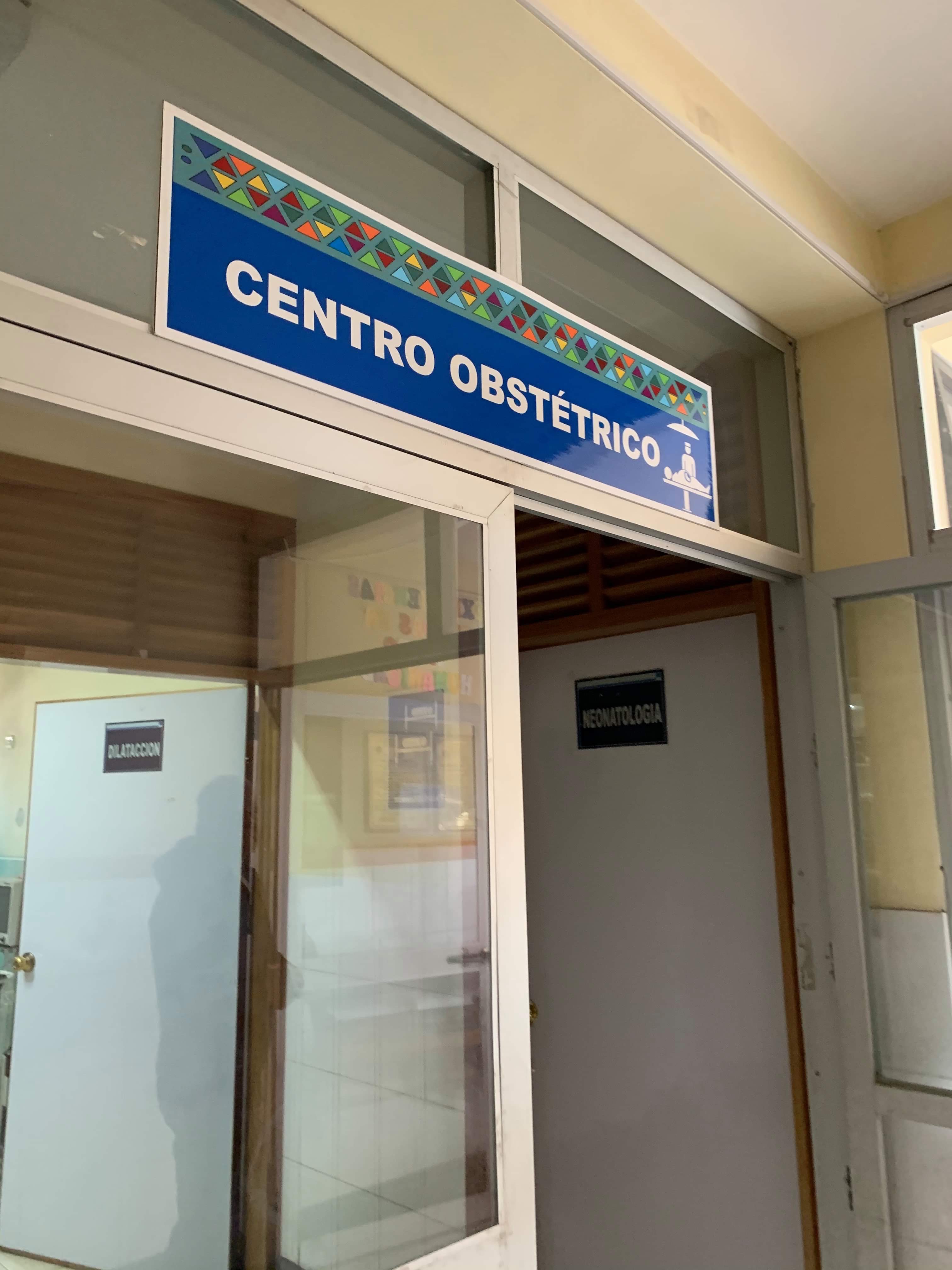
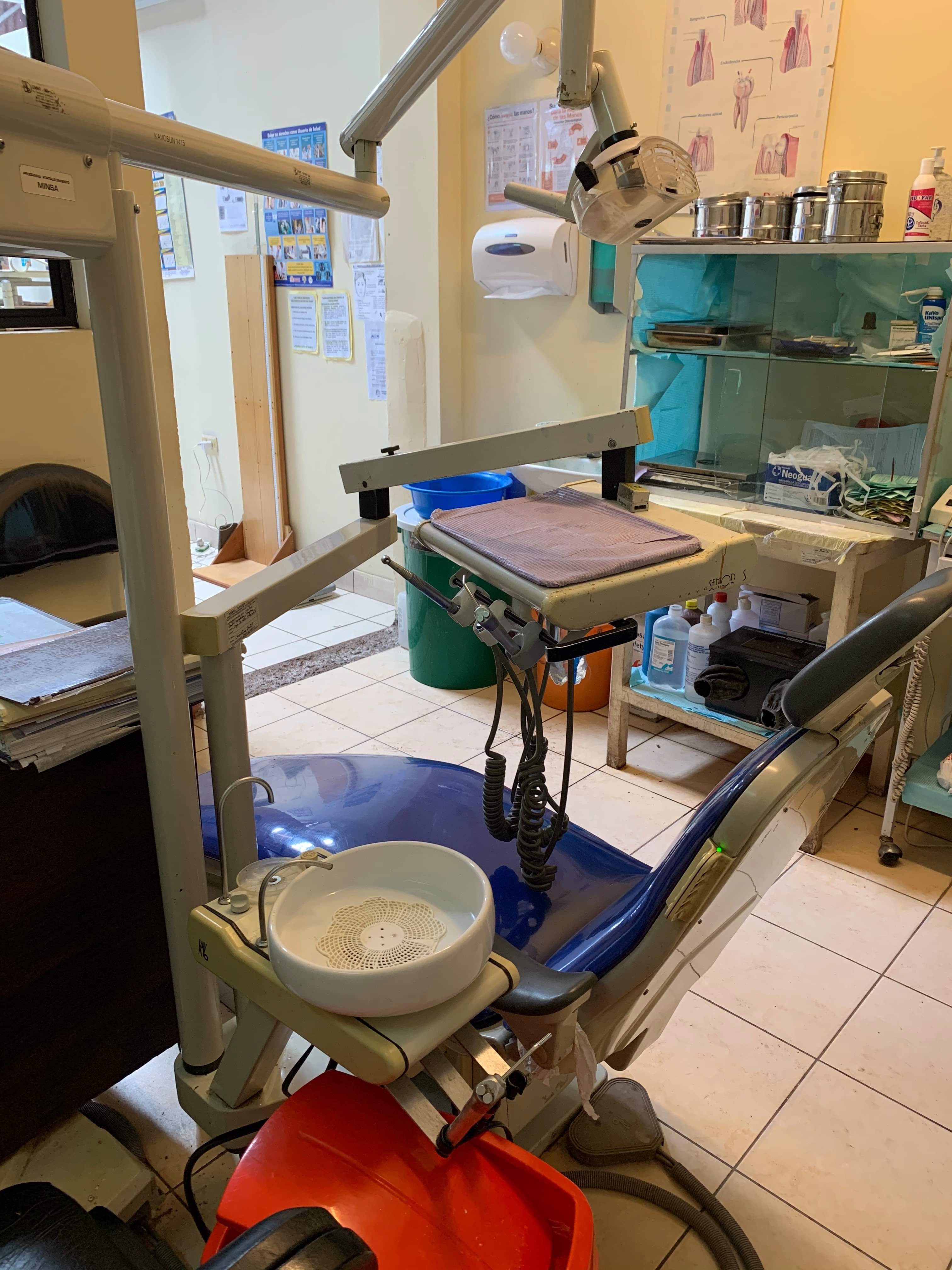
Today we learned that our health clinic is for the public of lower socioeconomic status, and that the Peruvian healthcare system has private hospitals for military and police. They also told us that the working class of Peru pay into healthcare in a similar way that we do at home, and they are able to access the hospitals easier than those of lower socioeconomic status.
San Jeronimo serves the city of Cusco as well as the surrounding area (up to 40 minutes away). There are specialized centres for care available (ie. cancer care) but they are further away from the city centre and cost more for people to access.
The biggest issue they face in Peru is malnutrition, which leads to anemia.
The main area of San Jeronimo is used for different clinics and consultation rooms, however there is a small hallway used as a maternity ward for mothers immediately following the birth of their child.
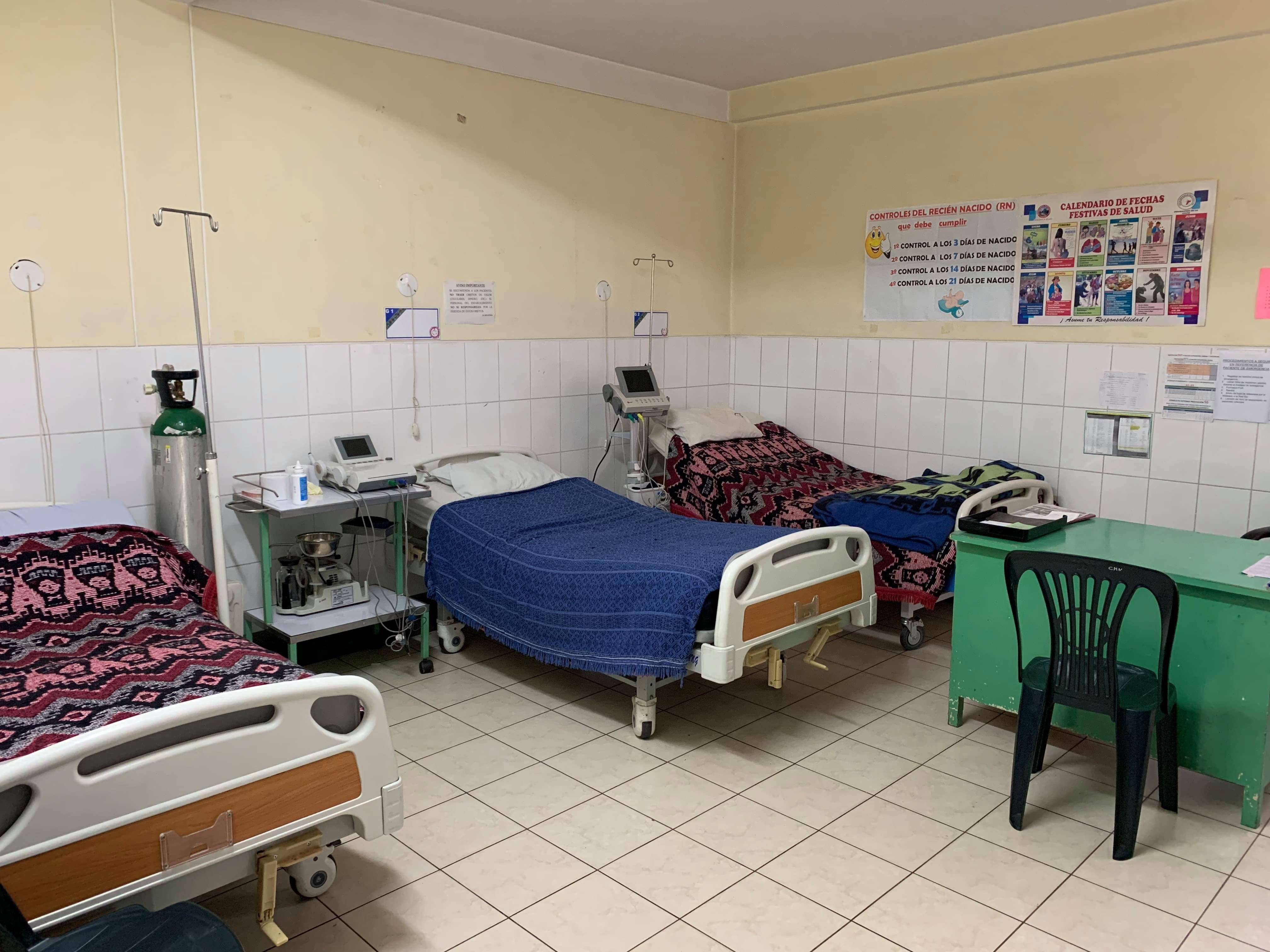
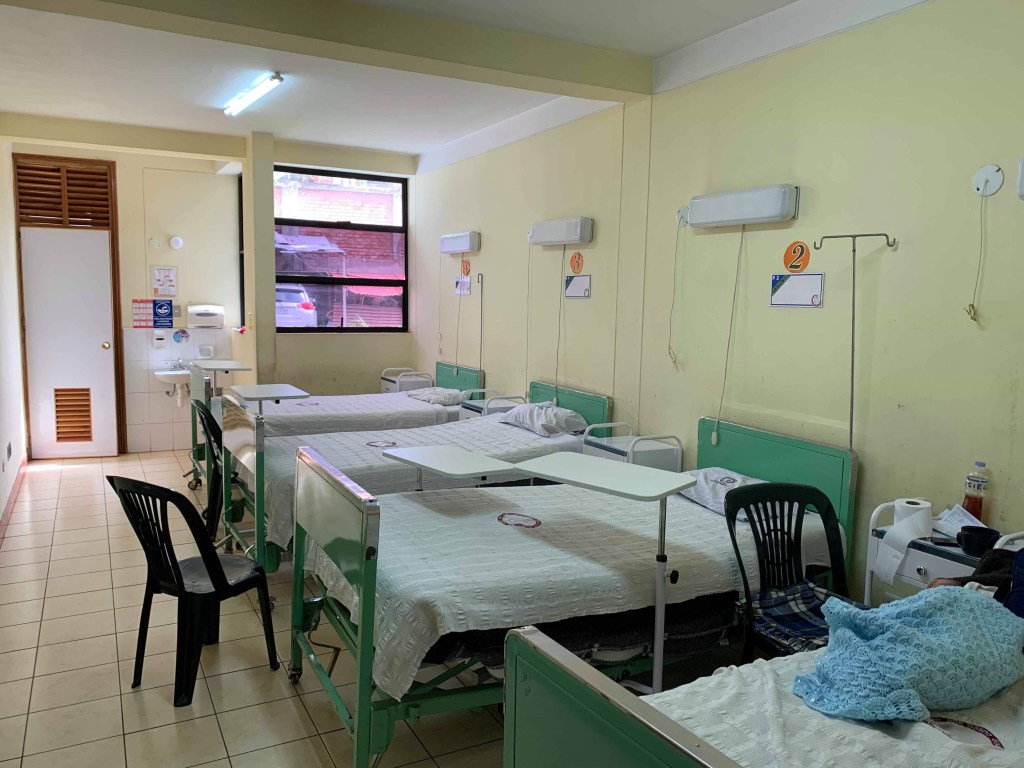
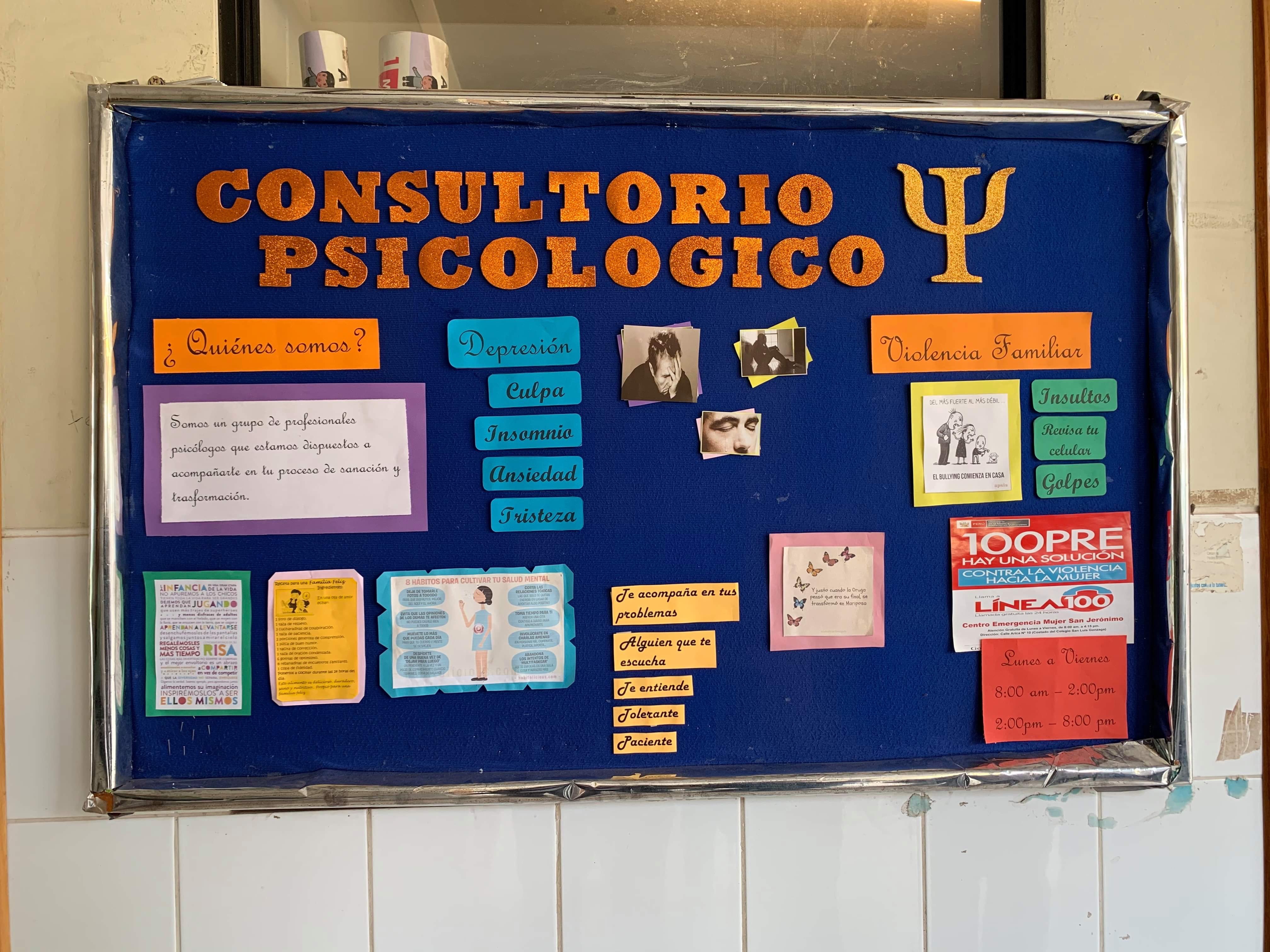
Domestic violence is also a significant issue in Cusco. San Jeronimo has a clinic run by a psychologist to assess families and individuals for violence at home and to put them in contact with services to assist them.
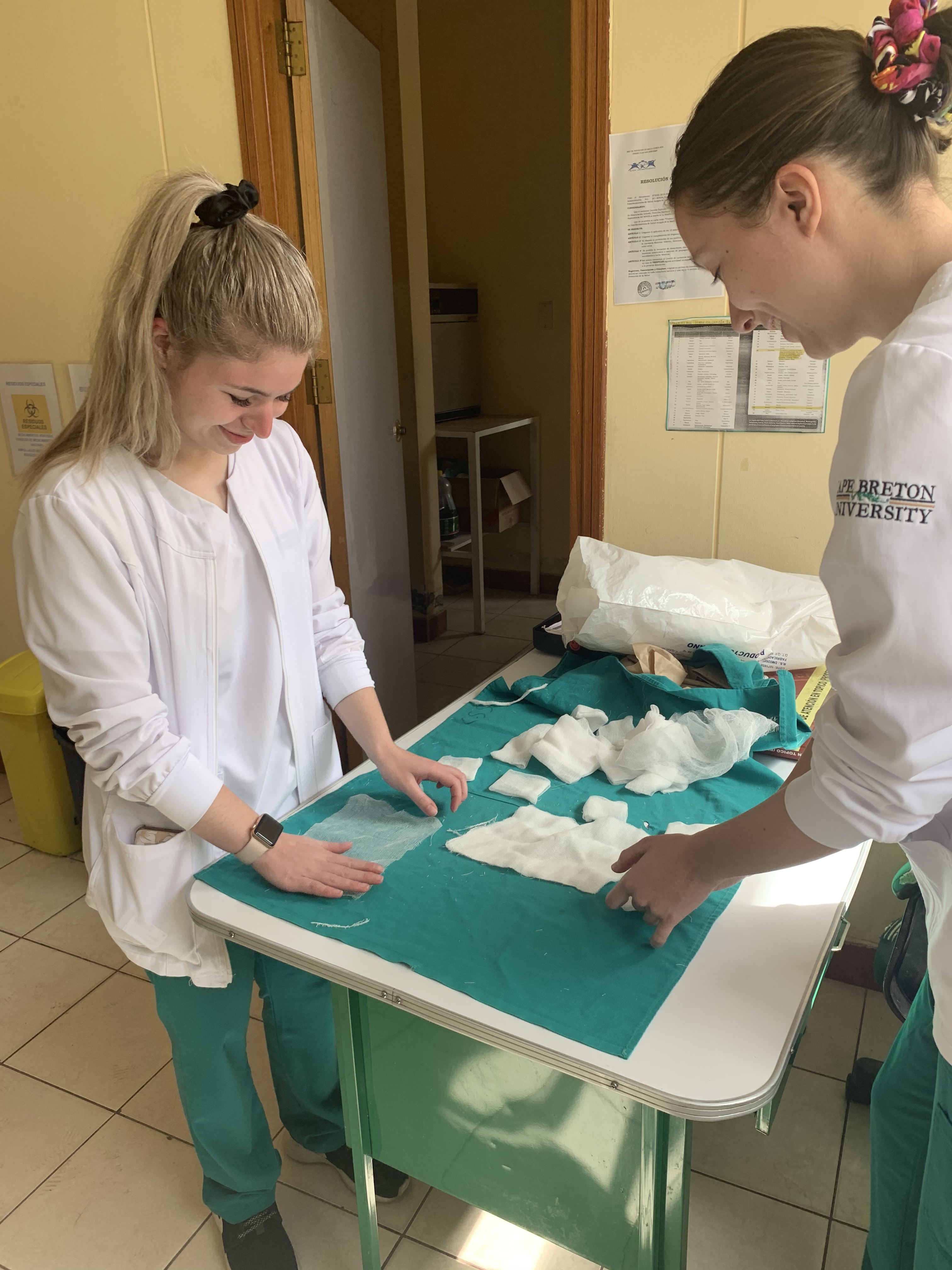
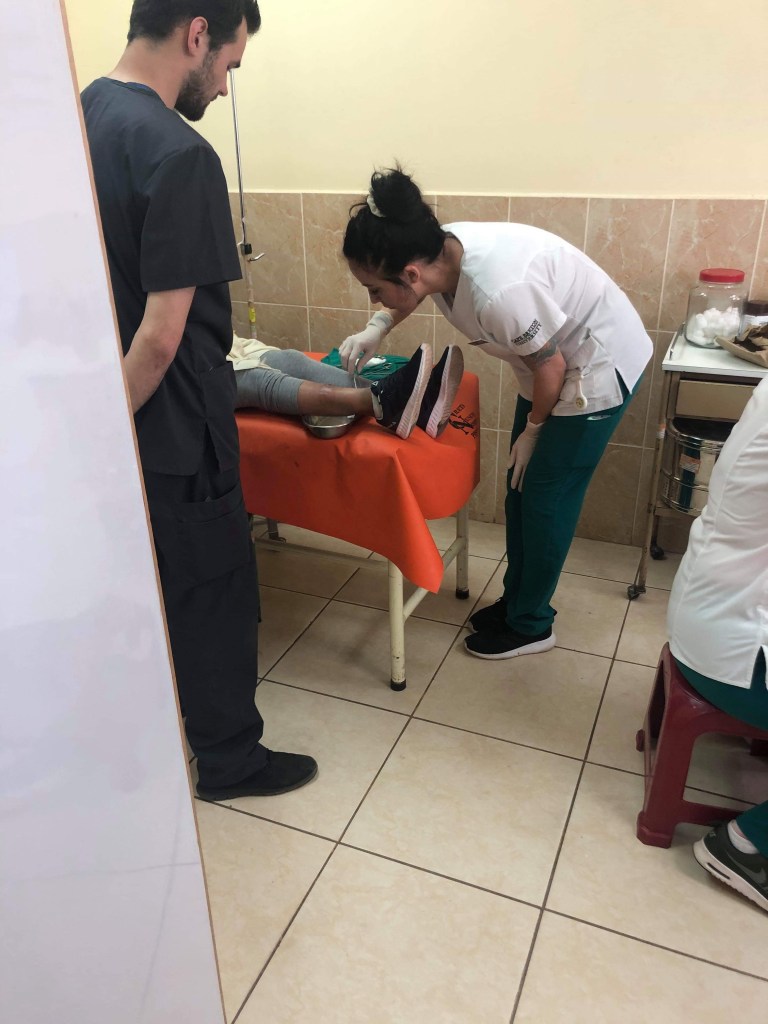
During clinical, students had the opportunity to help present a nutrition education session to a daycare full of anemic children and their parents. As well, students were working one on one with the doctors in their offices, and again working in the pediatric clinic. Students also had the opportunity to help get supplies ready for the wound clinic, and help clean and dress different kinds of wounds. – Hannah Gartland

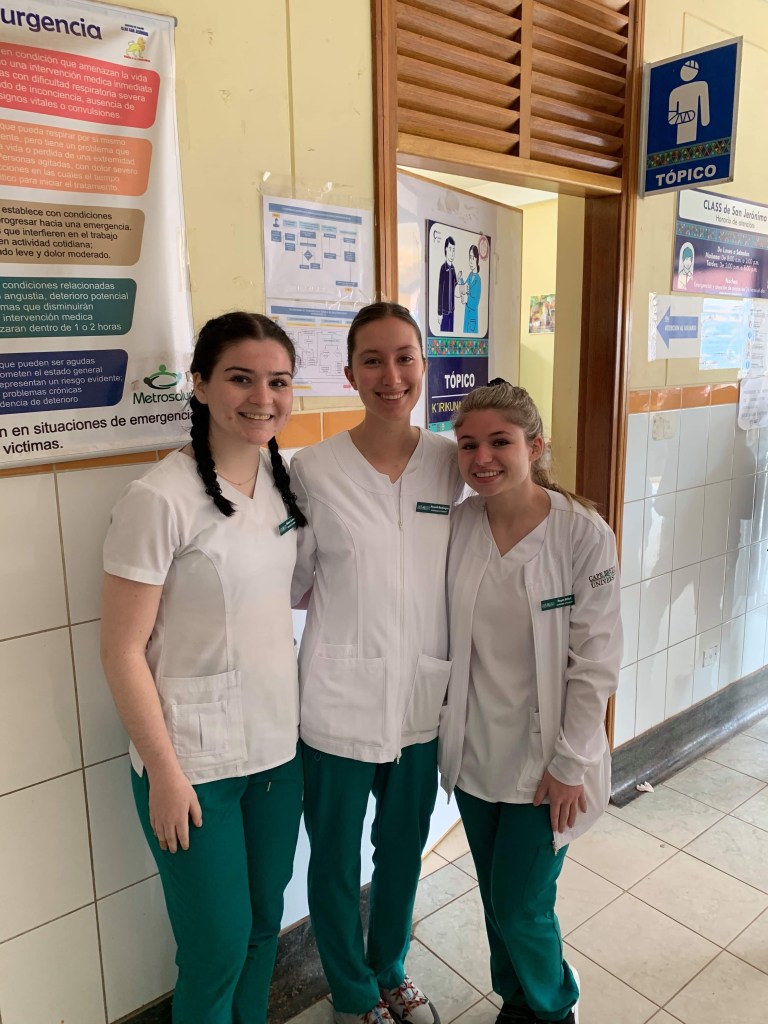
The students in the other clinic CLAS TTIO had a very exciting day with some new experiences and cases.
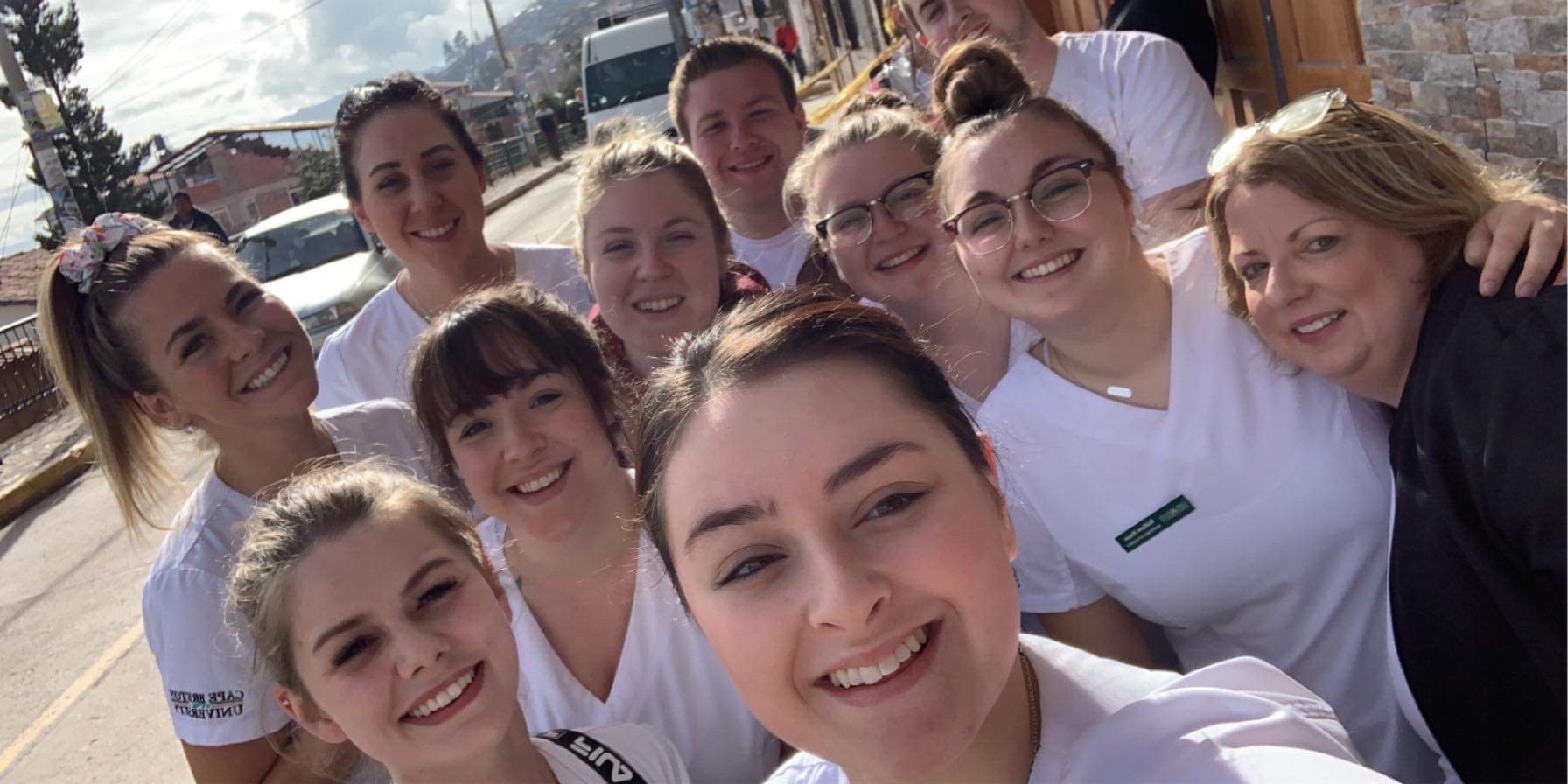
Today we learned that the CLAS TTIOs Clinic is open Monday to Friday 7am-7pm and Saturday 7am-1pm. The clinic is closed in the night and on Sundays. If there is an emergency they suggest going to the hospital (Cusco Regional). Nurses work on average 6 hour shifts; they have one day off throughout the week and everyone has Sundays off.
Robyn Shibinette was placed in the dental clinic. She observed some fillings – which are done with no freezing because they how deep the cavity is. She also observed some tooth extractions; they do use some freezing when pulling teeth. Robyn met a 15 year old nursing student named Ruth at the dental clinic who was quickly drawn to Robyn. Every time she sees her she asks how she is doing and gives her a hug.
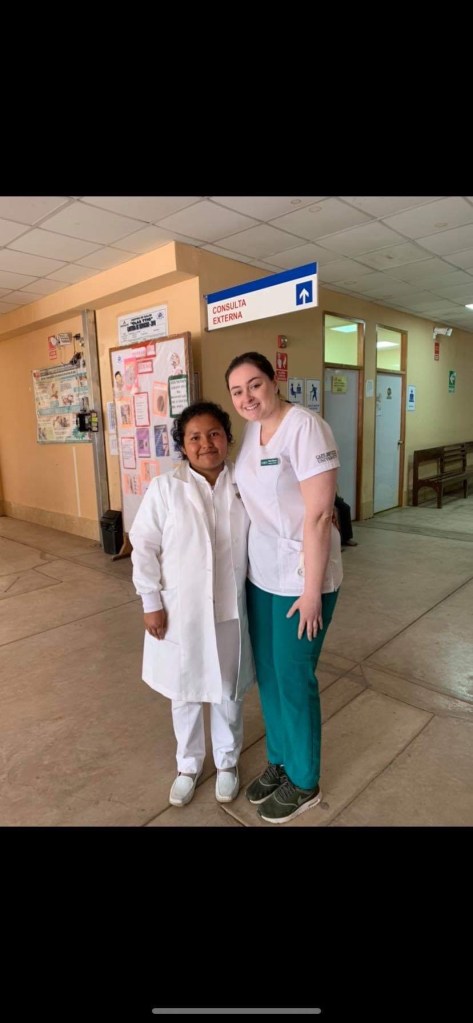
Today Jean and James were placed in a procedure room/ ambulatory care. In this part of the clinic there is an American Nurse named Adam; he was able to translate a bit and help them communicate with other healthcare providers and patients.
James and Jean seen an older couple with 4 venous leg ulcers caused by the altitude creating cardiomegaly.
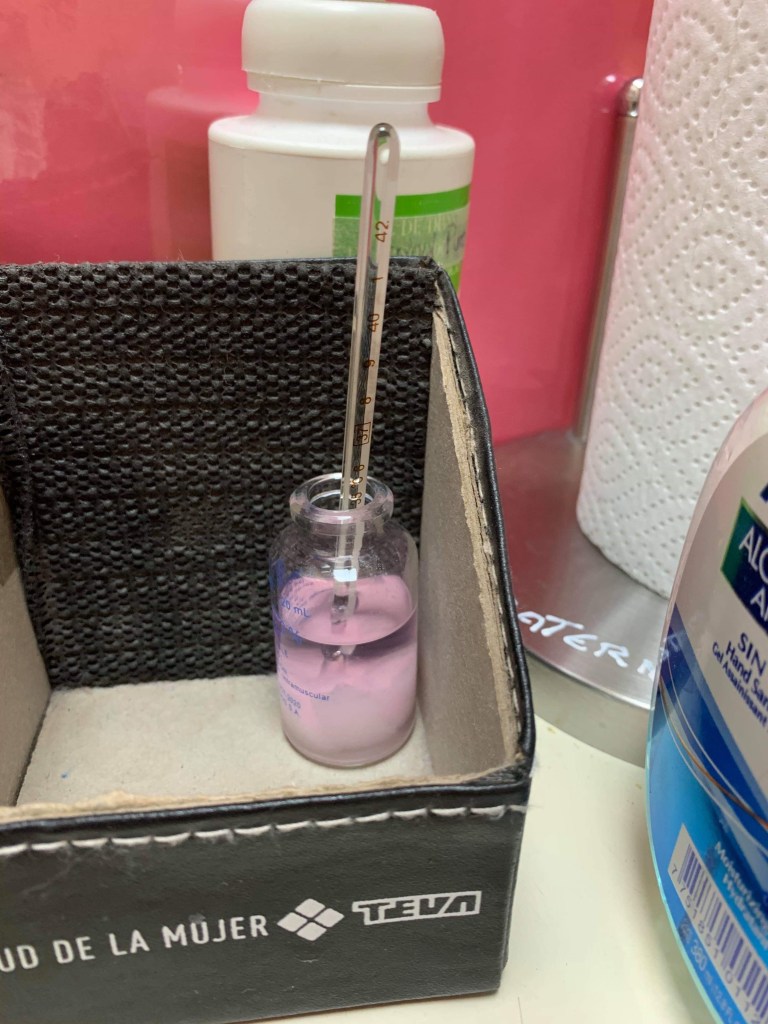
If the patients need an IV and it’s less than 20ml of Fluid they use a 20ml syringe, dilute the fluid/meds and push it through a vein slowly with a needle attached to a syringe. They push slowly in hopes that the vein doesn’t blow. When patients come to the procedure room/ambulatory care they have to bring/ buy all of their needles and medication; if anything breaks they have to go buy more, so we must be very careful not too damage anything. They wash all of their sterile equipment with laundry soap and they clean their wounds with green hand soap.
Kristen Bach was placed in triage where she measured heights, weights, vitals and practice her numbers in Spanish.
Annabelle Welsh was placed in a pediatric clinic. She helped assessment kids aged new born- 5 years old, making sure they are developing properly. She also measured some weights, heights and vitals. She noticed that there were a lot of recs for hemoglobin.
Kaitlynn Hayes was in an OBS ward where she completed some baby checkups. The nurse that was with her gave the parents a lot of information/ teaching on anemia and nutrition. Kaitlynn said she seen with Mongolian spots on the bottom of their back- softer skin.
Mackenzie Somers had a great day in mental health/ psychiatry clinic. They do assessments for all types of reasons, and Almost anyone can refer them for assessments. Mackenzie said she had 2 people complete assessments because they wanted to be preschool and kindergarten teachers. They had the assessment done to make sure that they are fully capable of working with children.
Anyone who wants to get a job or sell their land they just have an assessment done to check their mental capacity/ capability.
The psychiatrist gets the patients to draw a person in the rain. The way they draw this; depending on what they include and their interpretation of the drawing means different things. For example, if they draw a person holding an umbrella it means that they feel protected. If they draw no umbrella it means that are facing it all head on; no extra protection or precautions.
If they draw the eyes forward it means they face their problems head on. If they draw their eyes to the side it means they avoid their issues. If the shoulders are straight it could mean they are aggressive or angry. If they drew the shoulders curved it means they are somewhat content; this is seen as a good thing.
The doctor then asks who they drew in their picture. The patients usually say themselves. The doctors think that doing this lets them think back and Reminisce about their past. They sometimes forget their childhood. This drawing is said to say a lot about a person.
Today Kelsey Muller was placed with a nurse in a Pediatric clinic. She performed some assessments and played with some kids, while assessing developmental milestones. She said the blood glucose machine is a little different here than at home. When poking the finger to get the blood they use a single needle (pin) instead of a retractable device like we use. You place the blood on the middle of the strip closer to the glucometer.
Terri Vallis was with the Obstetrics clinic today. The person that was performing the assessment called her self an obstetrica, which is one step down from a doctor (kind of like an NP- specialized in obstetrics.) Terri said they mostly did HPV screening. During the PAP tests she seen all normal cervixes. They clean the inside of the vaginal canal with acetone. Terri said she helped write some prescriptions for condoms/ find some educational info for the patients.
There was a 33 year old Female that was getting an IUD inserted but was unsuccessful after 2 tries. She later found out that these IUDs were covered through her medical because she was of a poorer population/income.
All of the equipment was sterilized in the room (OBS room). It was washed in the sink and then placed on a tray and put in a sterilizer.
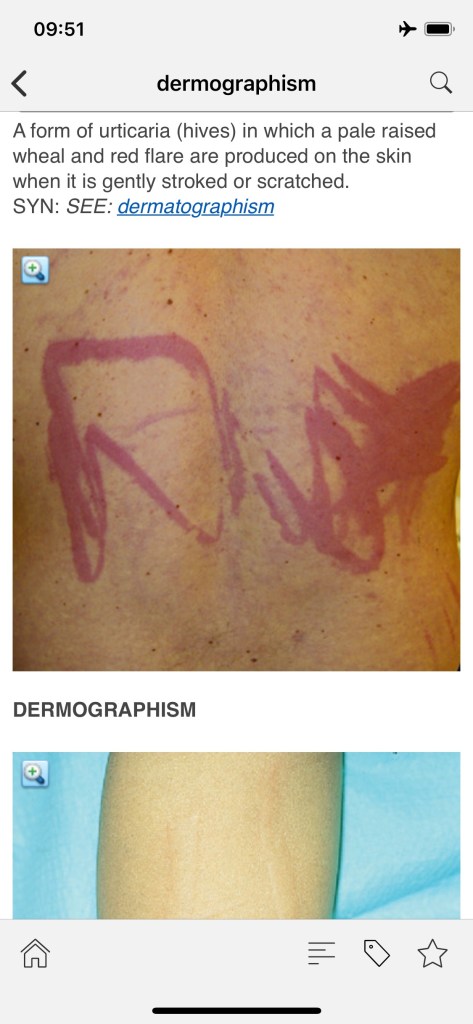
Sonya Wambolt was placed in a general medicine clinic with a doctor. It was manly observation for her today but she seen some really interesting cases. This lady had a scratch on her hand that wouldn’t go away. The doctor performed a test and determined it was Dermographism (which is the formation of hives in which a pale raised wheal and red flare are produced on the skin when it is gently stroked or scratched).
So the doctor took a tongue depressor and drew her name on her back lightly. It welted white and then a red flare occurred which indicates hives.
Sonya also experience a case of a lady with no taste buds in the middle of her tongue- the doctor sent her for mouth care/ the dentist clinic.
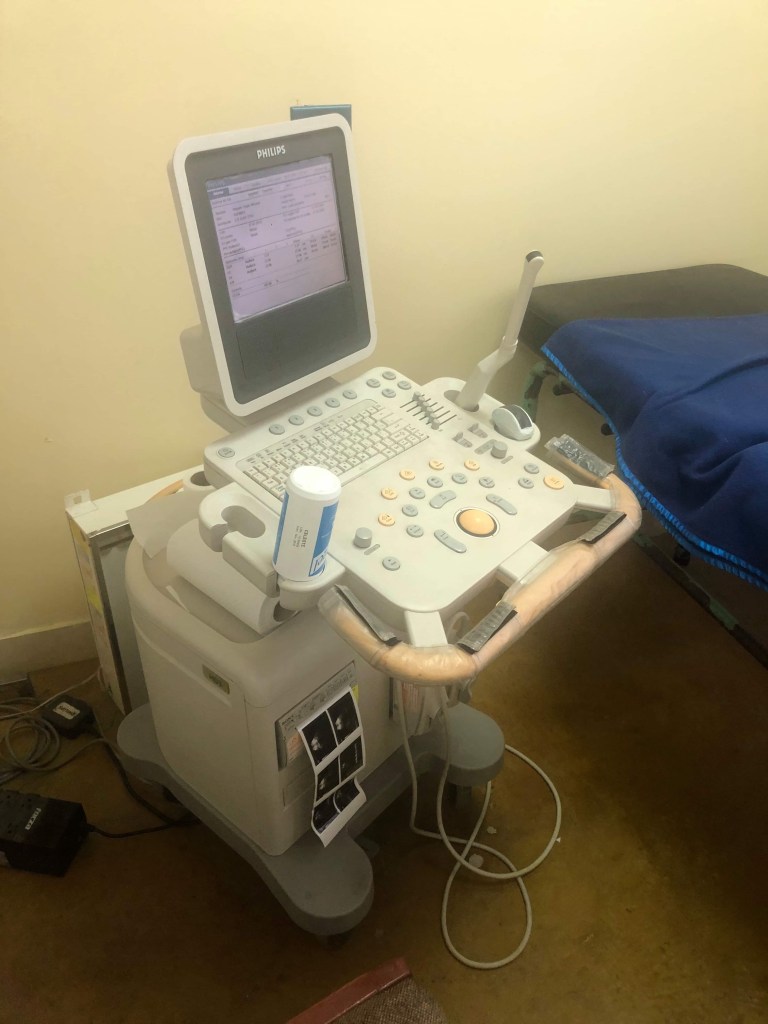
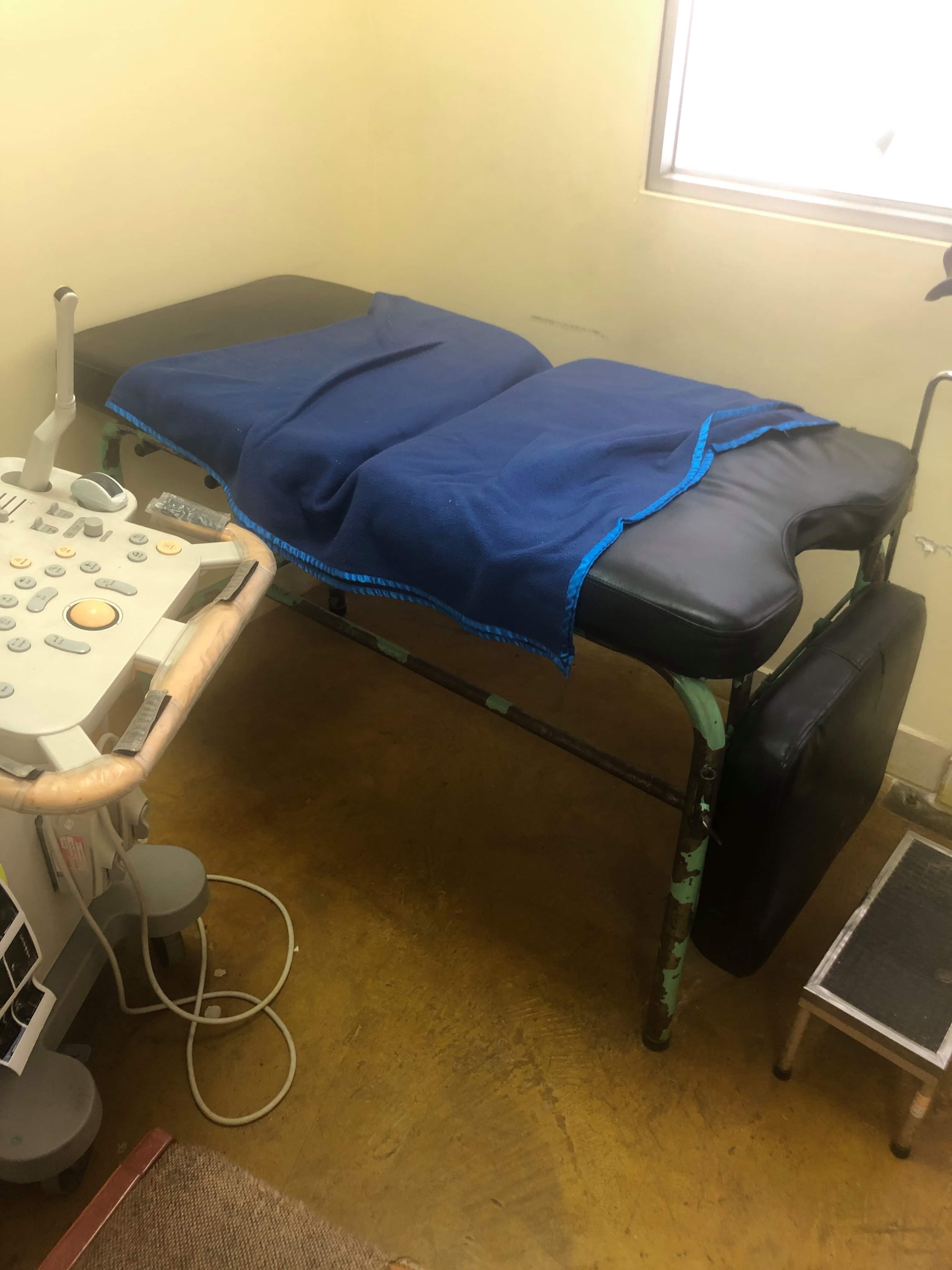
She then was taken to see an ultra sound of a mother who is 30 weeks pregnant and is experiencing a lot of pain. They found on the ultra sound that the baby is breeched. She was sent for some follow up care.
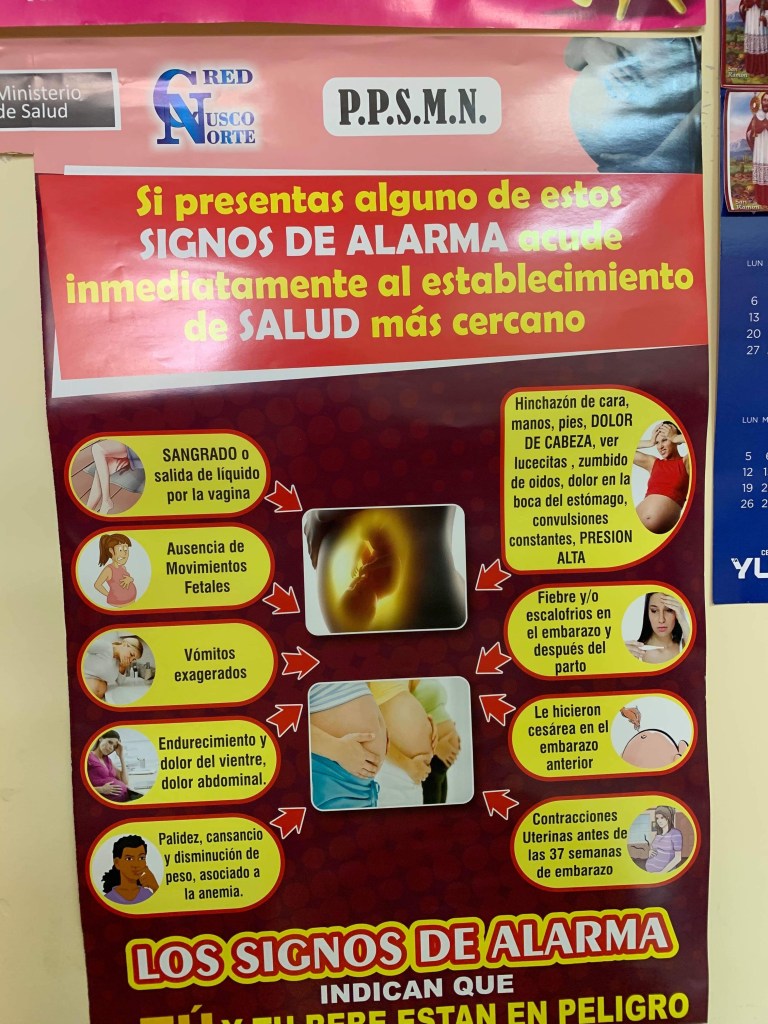
Sonya also observed a check up with a young boy who recently had a circumcision and was having glans pain. He was sent for some tests.
Today Morgan Edwards was placed in a prenatal clinic. She did some assessments, vitals, observed the doctor feel for fundal heights. Their was a lot of education given and questions about how they are feeling and their emotions. Those who were further along were asked about how they want to have their baby delivered; at home or in a hospital.
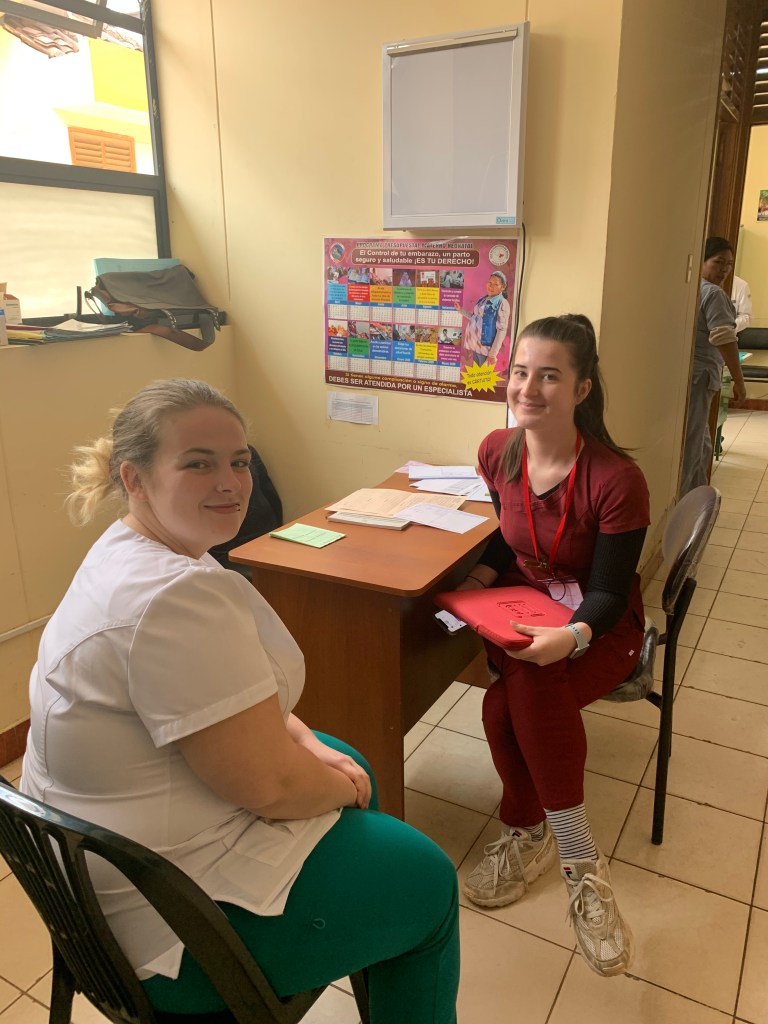
I (Austin Chapman) was placed in a adult assessment and checkup/ triage room. I was with a nurse and a volunteer nurse from America named Brianna. Brianna spoke fluent English and a lot more Spanish than me so she was able to translate when needed. She taught me a few new Spanish words and phrases like “take off your shoes please”- “Retire SU zapatos por favor” and “I’m going to weigh you now”- “ Le voy a pesar” (see picture below).
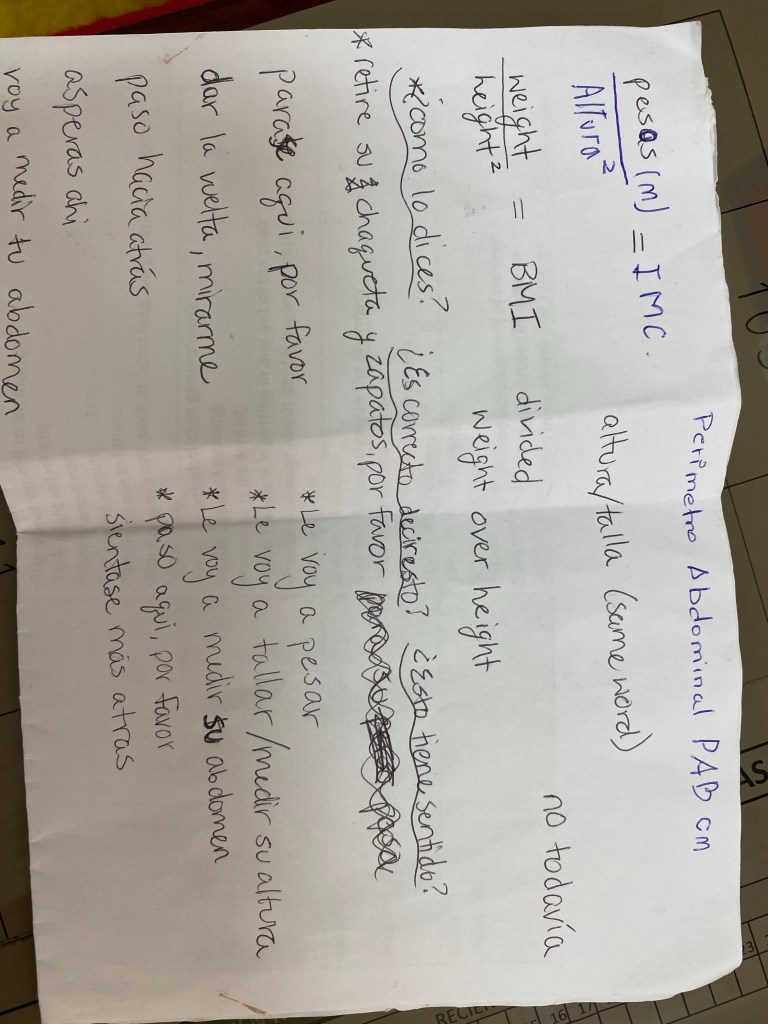
I learned that the clinic is used mainly for adults but anyone over the age of 5 can be assessed in this clinic. A lot of the Pediatrics clinics in CLAS TTIO do not have glucometers and are not as well equipped for eye assessments.
After observing how the clinic works/flows for a bit I then began to weigh patients, measure their height, abdomen, take their temperature, clean the thermometers and ask a few simple questions in Spanish.
We assessed/ took vitals on about 25 elderly patients aged 50-85 and one 5 year old boy who needed his sugar and eyes tested.
After they leave our clinic the majority of them then take the paper with their vitals and go see a doctor.
After clincial we got back to our hostel grabbed a quick bite to eat and walked across the street to San Blas Spanish School for our second day of Spanish lessons.
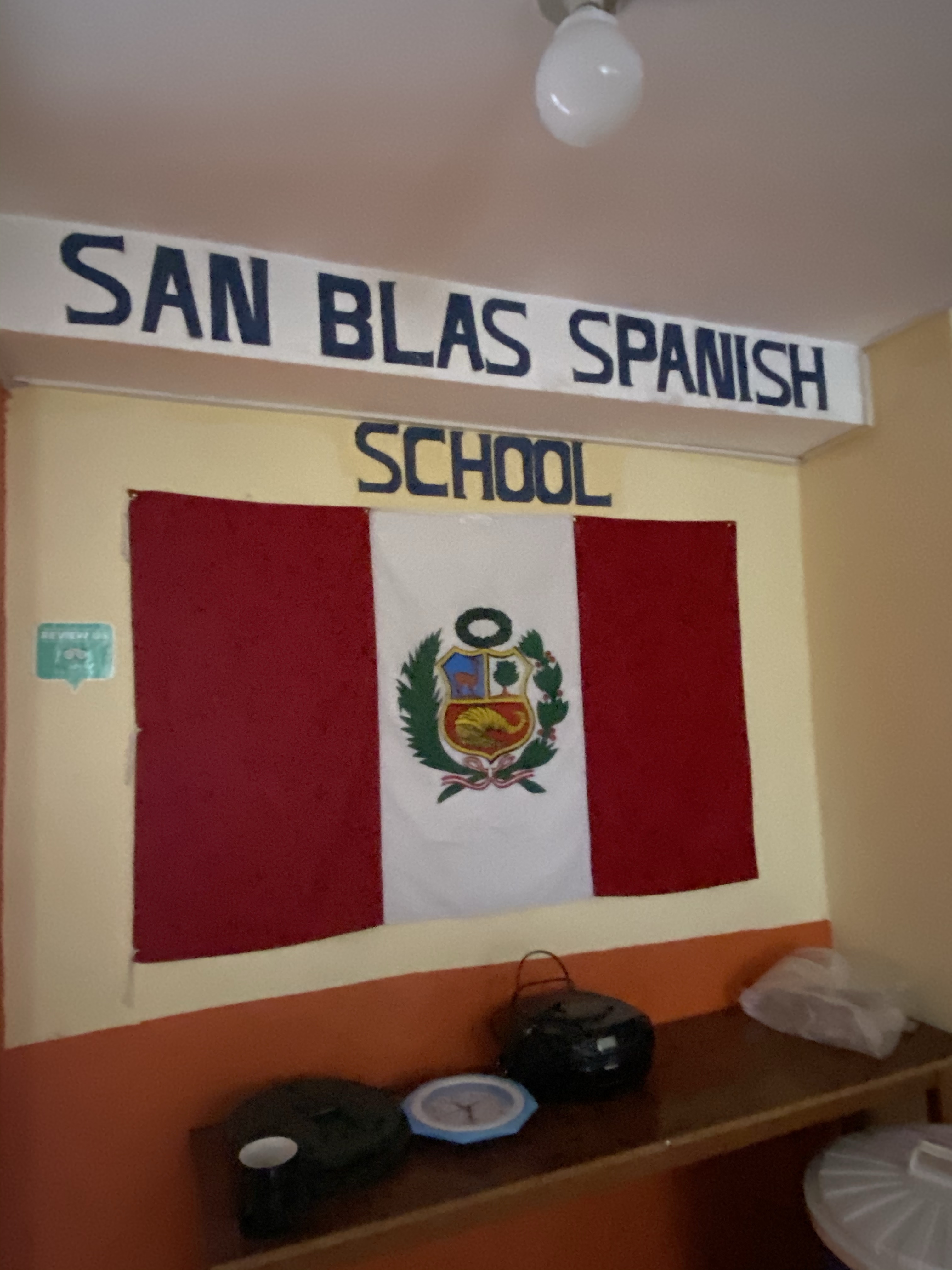
The group of 22 is split into 3 groups of 6-8 each with their own instructor. Hans, Miguel or Edward.
Miguel is also the translator that follows group 2 to CLAS TTIO and Edward is the translator that follows group 1 to San Jeronimo.
In Hans’ group we focused a lot on medical terms and common phrases today so we can work with that in the hospitals.
Our lessons lasted about 2 hours and it was focused mostly on what we think is most important to know for our clincial experience and what is important to know for the language in general being in Peru.
After Spanish lessons people dispersed in groups and either went to eat, went shopping for some souvenirs/ gifts or went back to the hostel to rest after a very busy day!
Permission was received for all photos!
-Austin Chapman and Hannah Gartland
 Austin Chapman Blogs