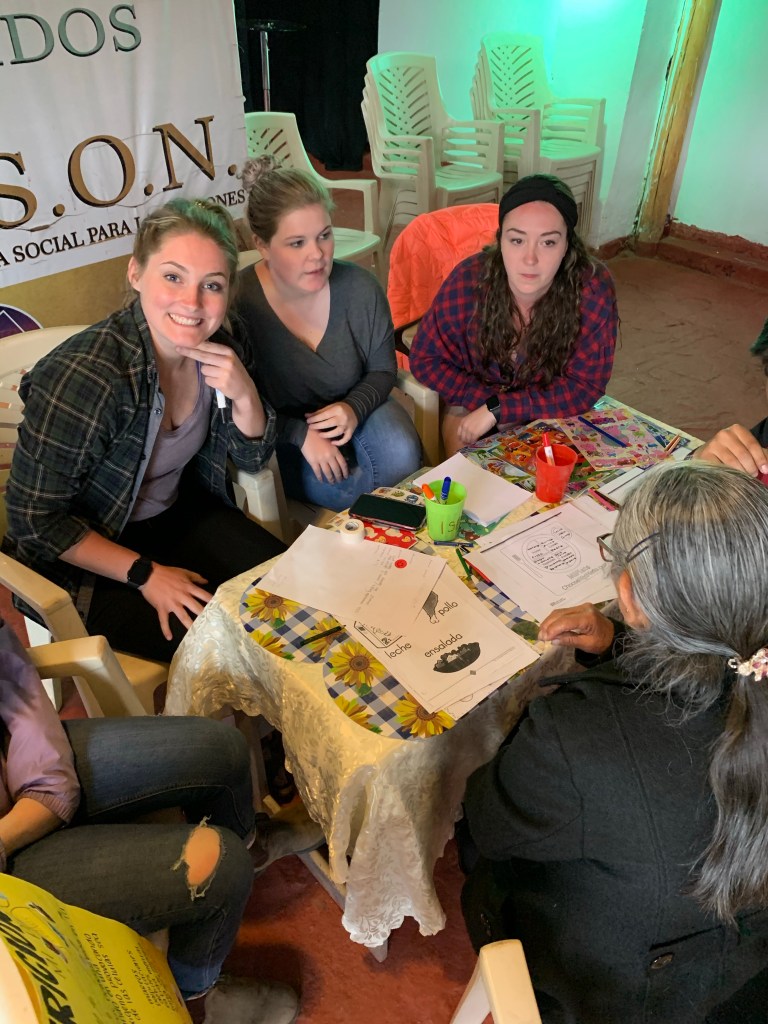
Today started by heading over to the Spanish School to make some posters on our assigned group/topic for the after school program we will be attending today.
We were assigned groups of 2-4 with topics like dental health, blood pressure, nutrition, glucose regulation, height and weight, hand washing and parasites, etc.
We got into our groups and worked on making posters for our topics.
Shortly after we finished our posters we bussed to the after school program.
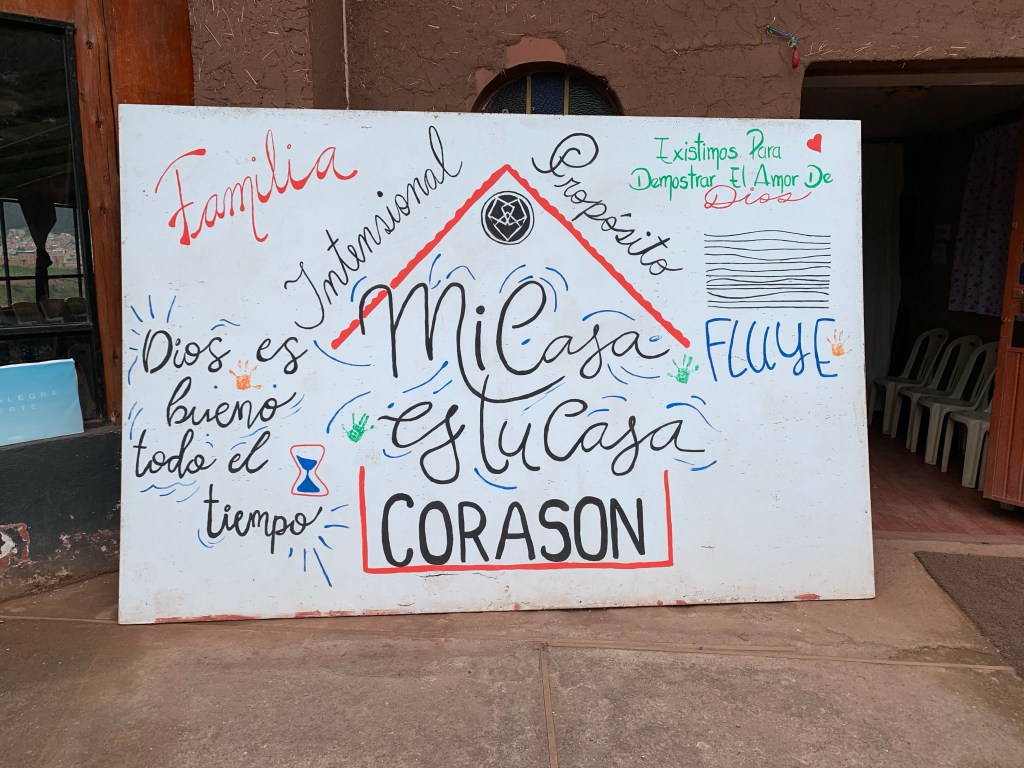
CooperarPeru is an afterschool program located in a more rural neighborhood of Cusco called Tankarpata.
The program provides children from the neighbourhoods with a safe and productive place to go when they get out of school, before their parents come home from work.
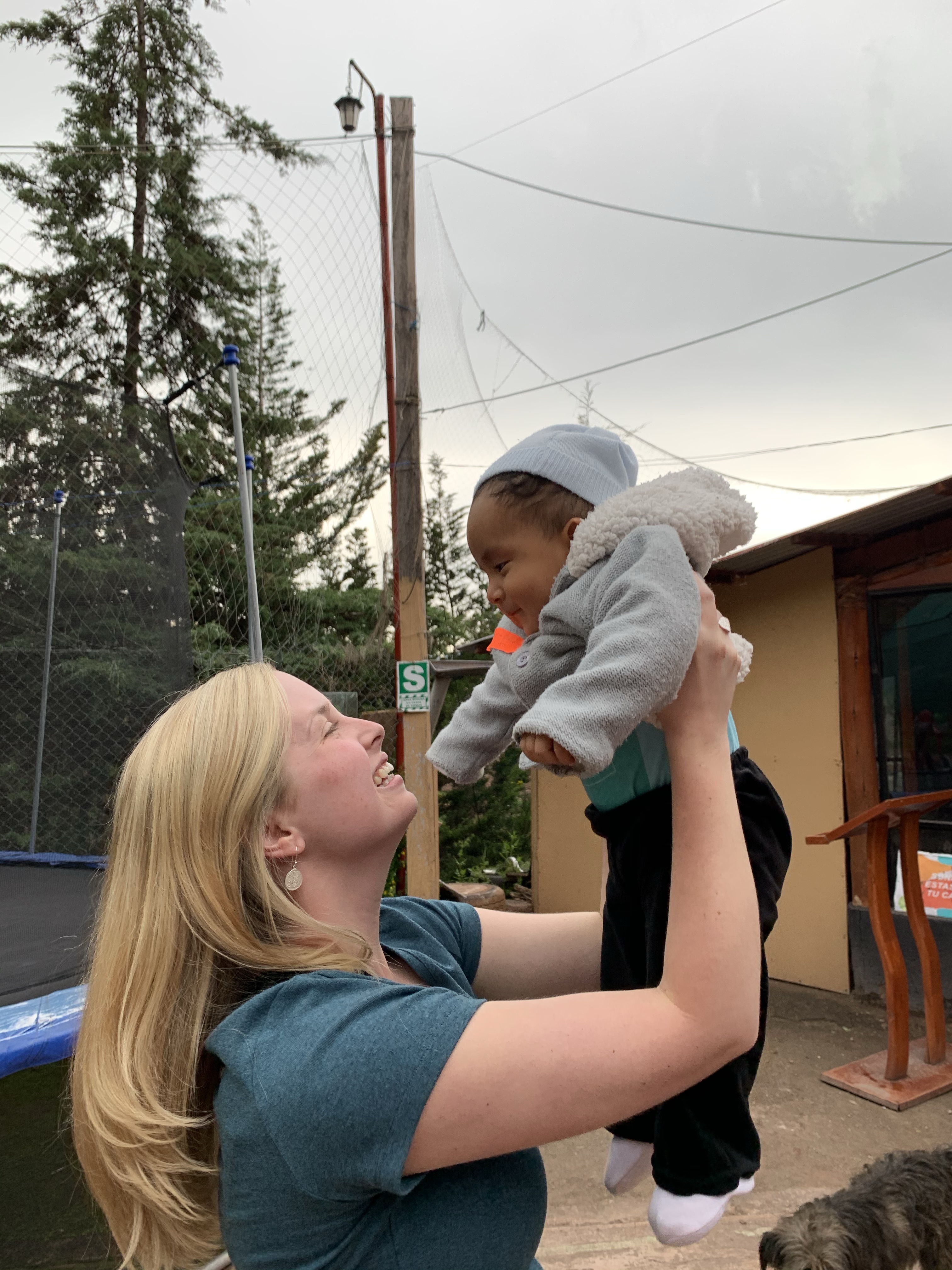
CooperarPeru is a non-profit organization. They hope to prevent children from academic failure by providing education support like homework help and tutoring.
The project also provides social interaction through recreational games and activities, and they also have a feeding program where the children are provided a meal when they arrive after school.
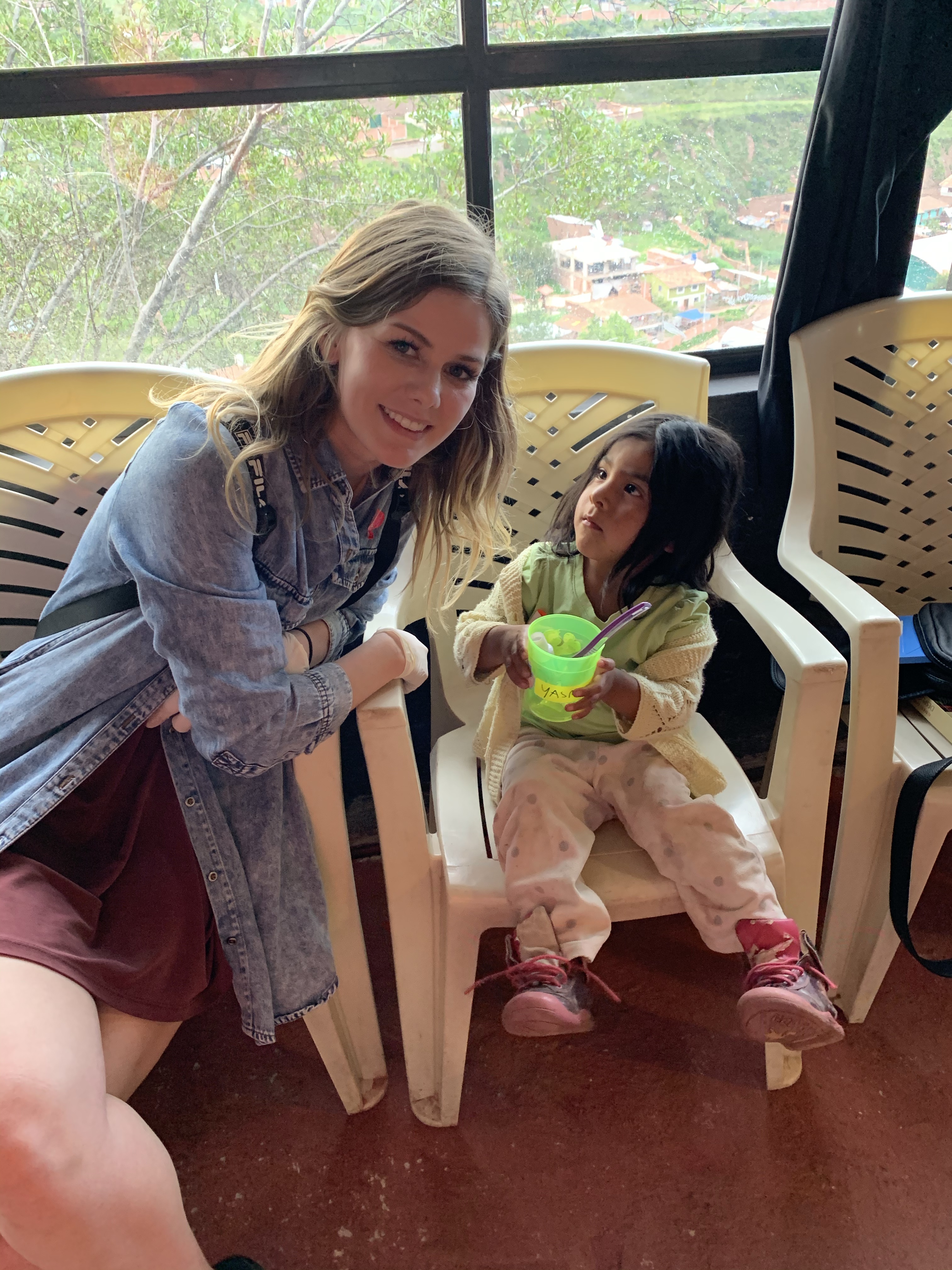
The after school program normally consists solely of children but today they opened it up to members of the community as well.
People started pilling in quickly to the stations and we very quickly started to work in our groups.
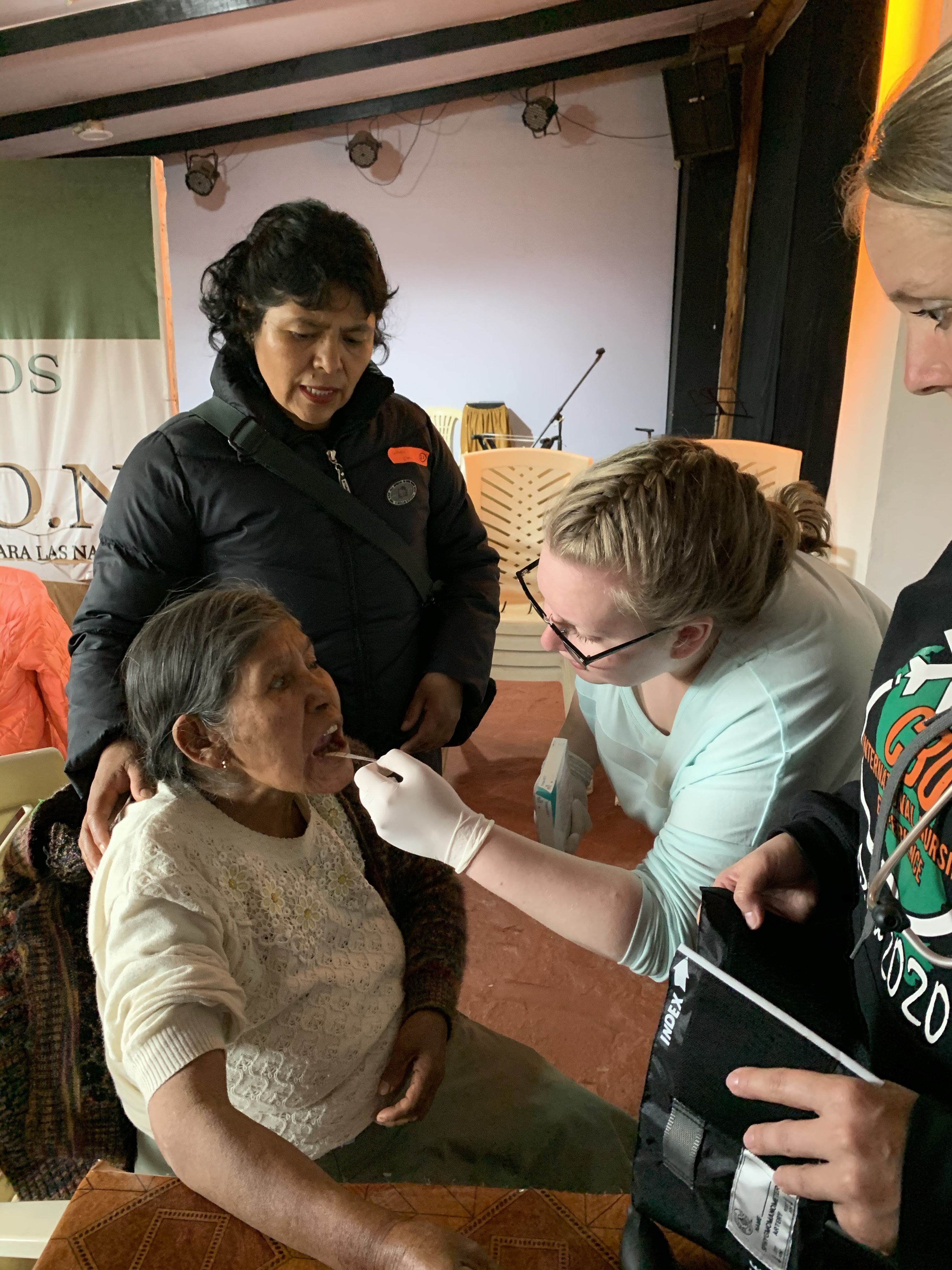
In the dental group we started out by helping the dentist and the dental students with having the kids sit and watch a few sort films about dental hygiene (cartoons about fighting off bacteria in your mouth by brushing and flossing).
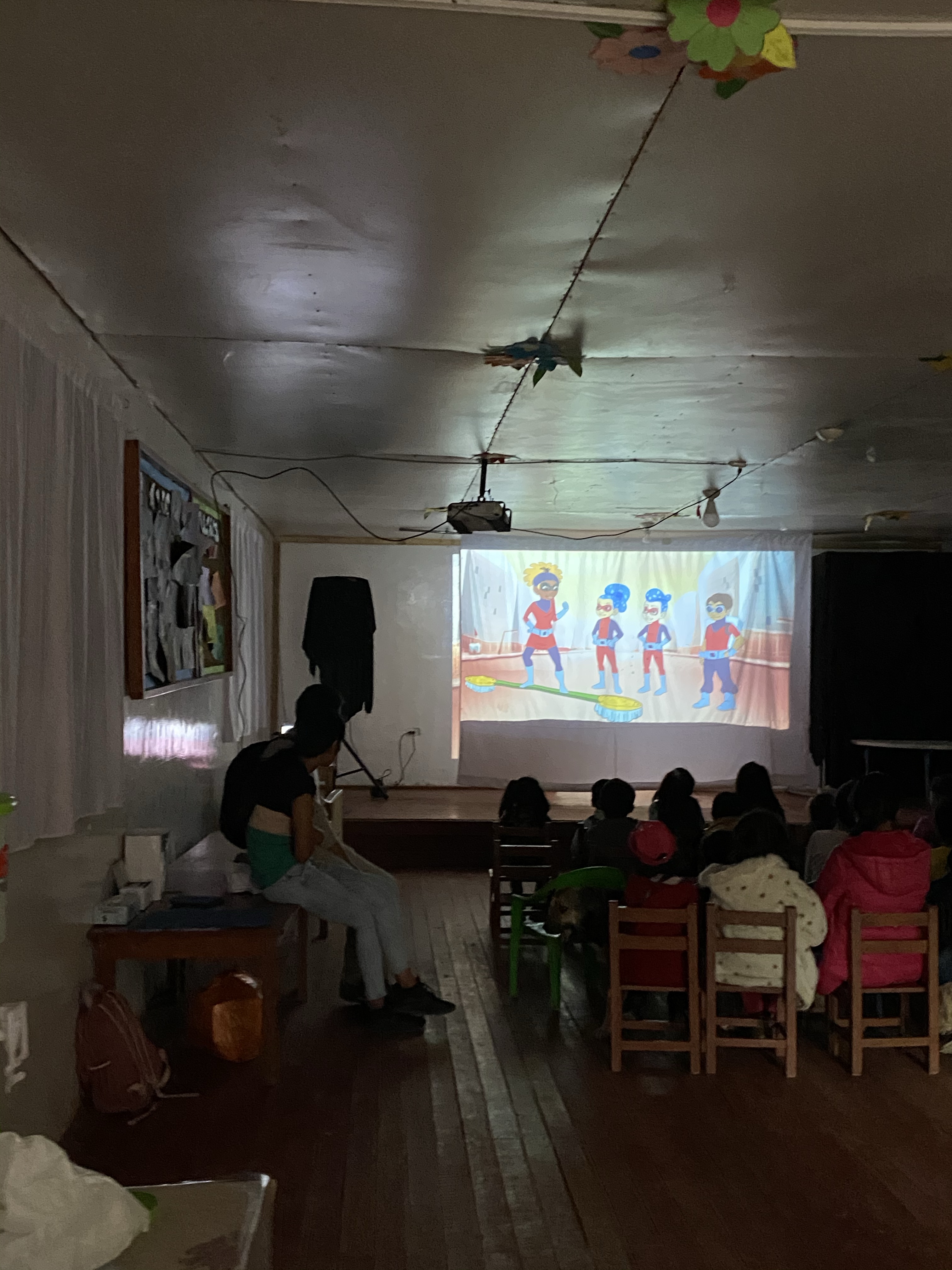
After the children watched the films they went to the dentist to have their teeth and mouth checked/examined.
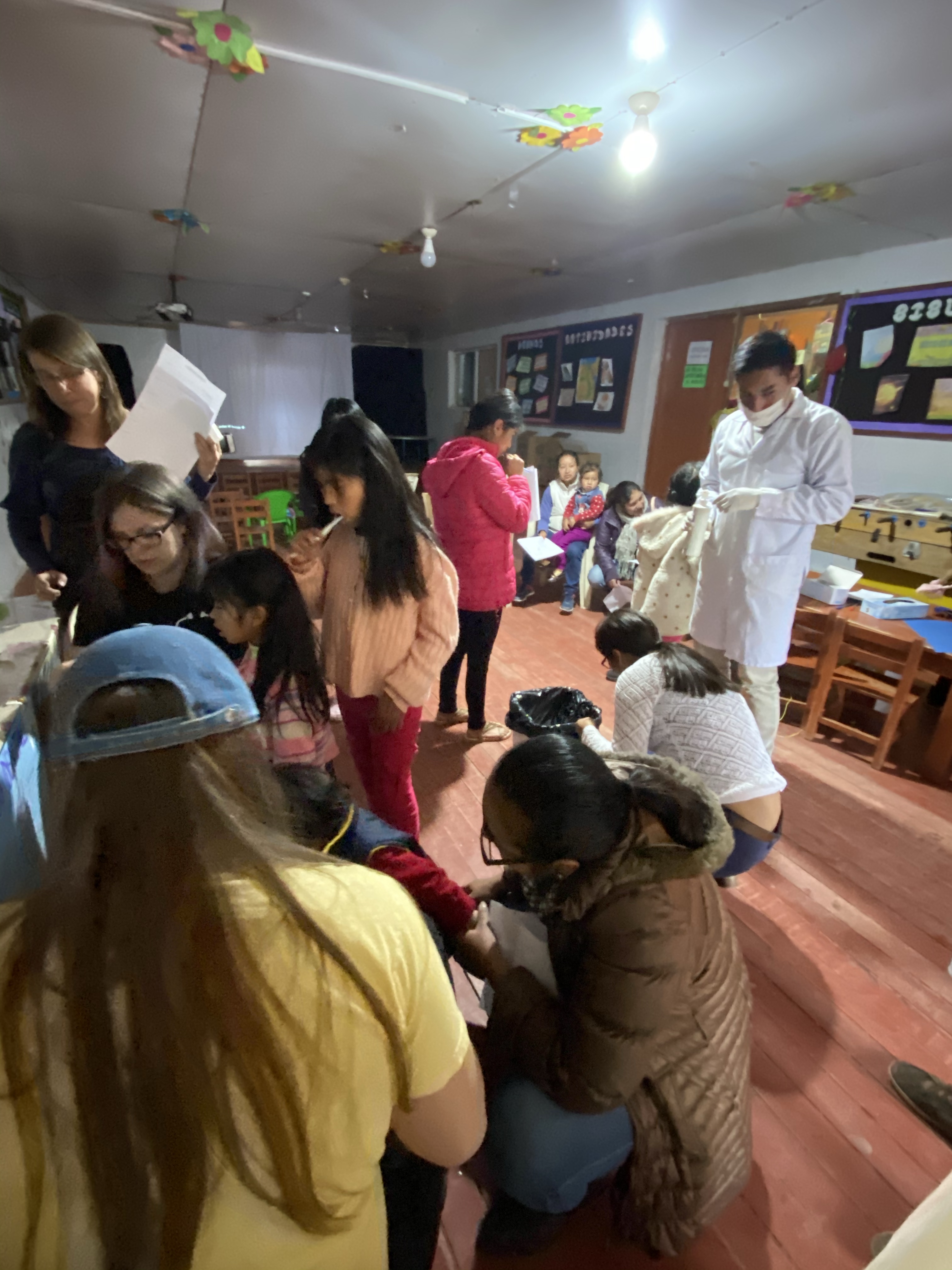
After that they were then sent to us to have their teeth brushed.
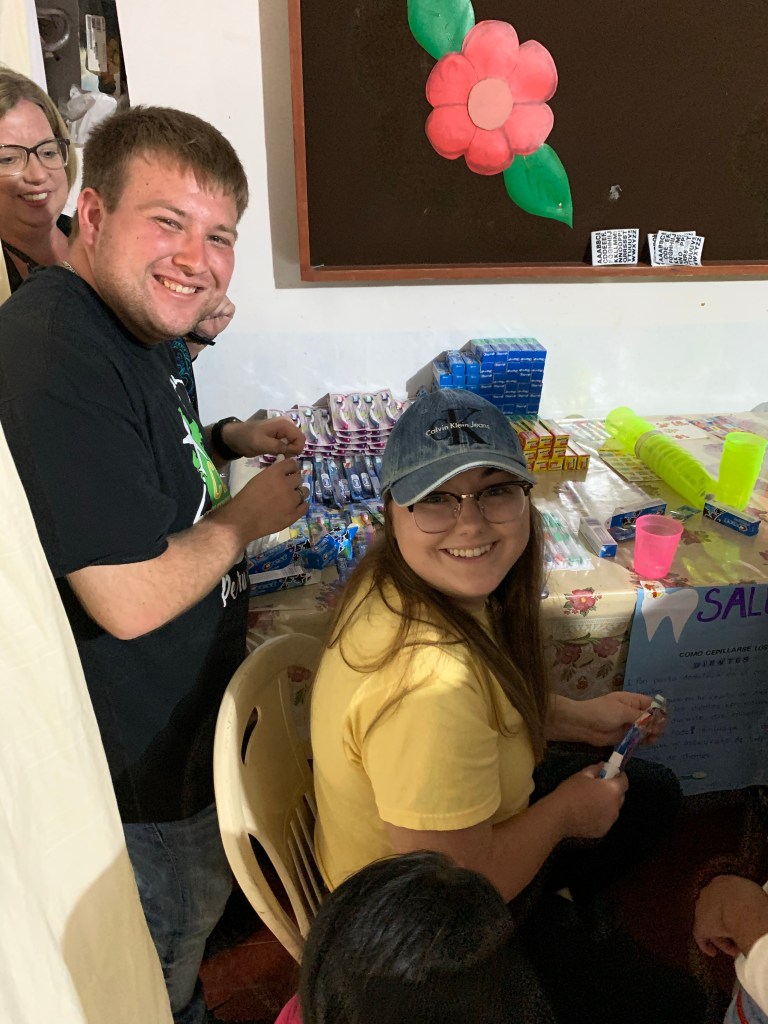
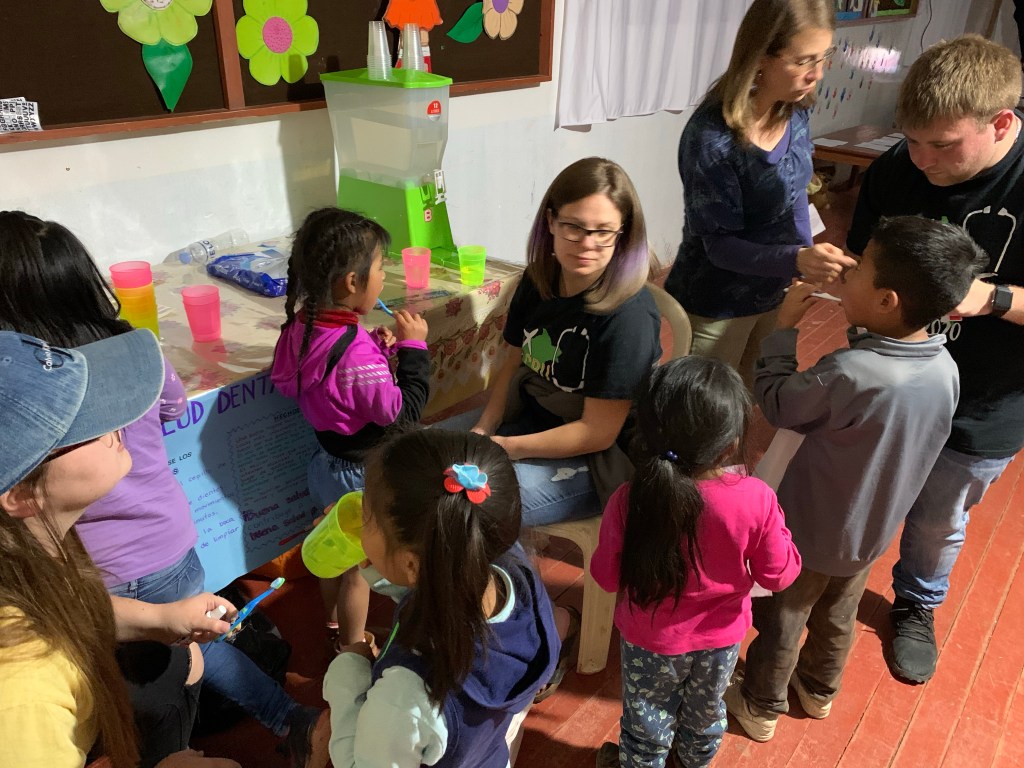
We gave everyone a new tooth brush and tooth paste. We had a wide variety of both for younger children, older children, adolescents and adults.
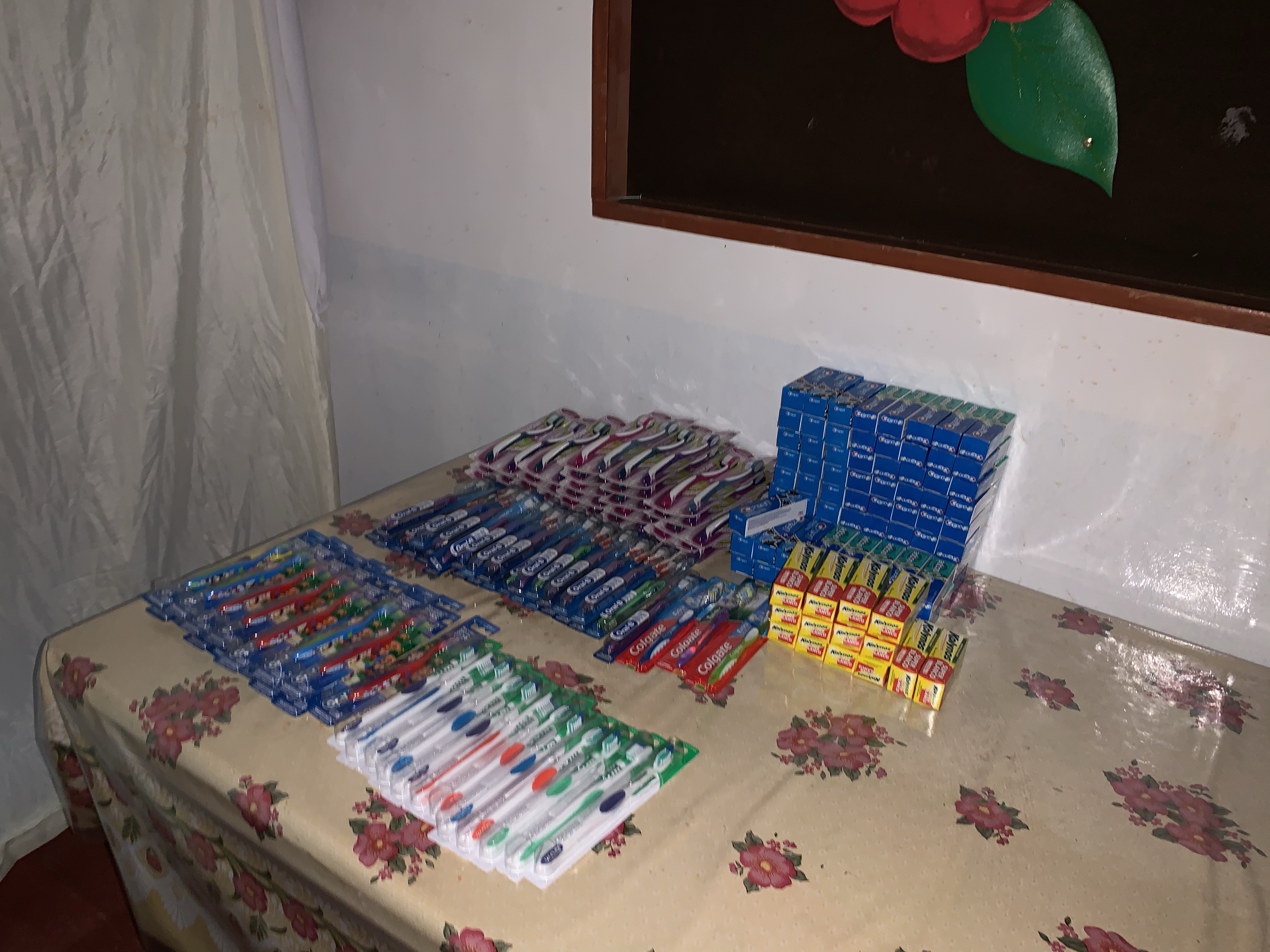
We helped some of the kids brush their teeth. We showed them circular motions for 2 minutes, then rinse your mouth and spit.
After that we then applied fluoride on the kids teeth.
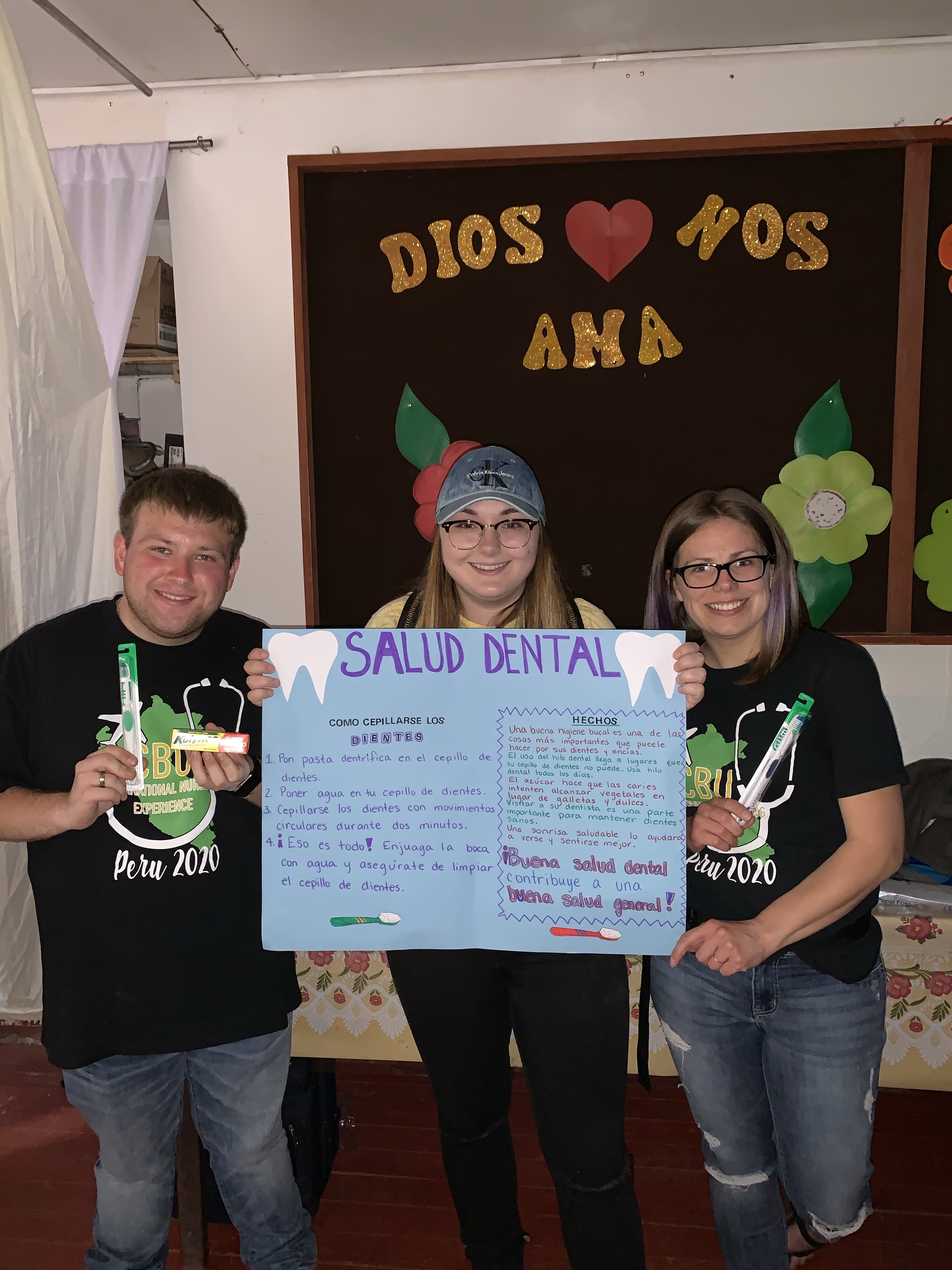
At this station we leaned that for the kids here, most of their parents do have medical but it does not cover any dental health; they have no dental coverage.
They receive cheaper care at the after school program but it is not ideal.
The dentists do not come here very often and it still costs 50 soles for a cleaning and 100 soles for a cavity.
We learned that a lot of the children here (older children included) do not know how to brush their teeth.
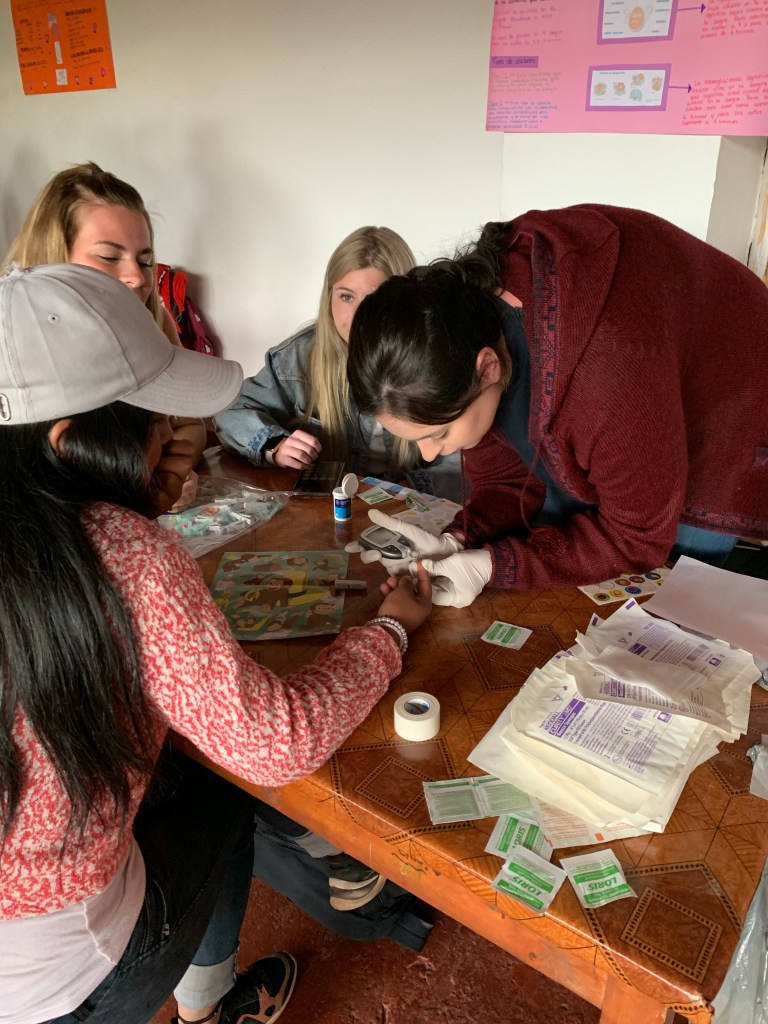
The group that did glucose regulation checked the blood sugars (glucose) of 20 teens and adults.
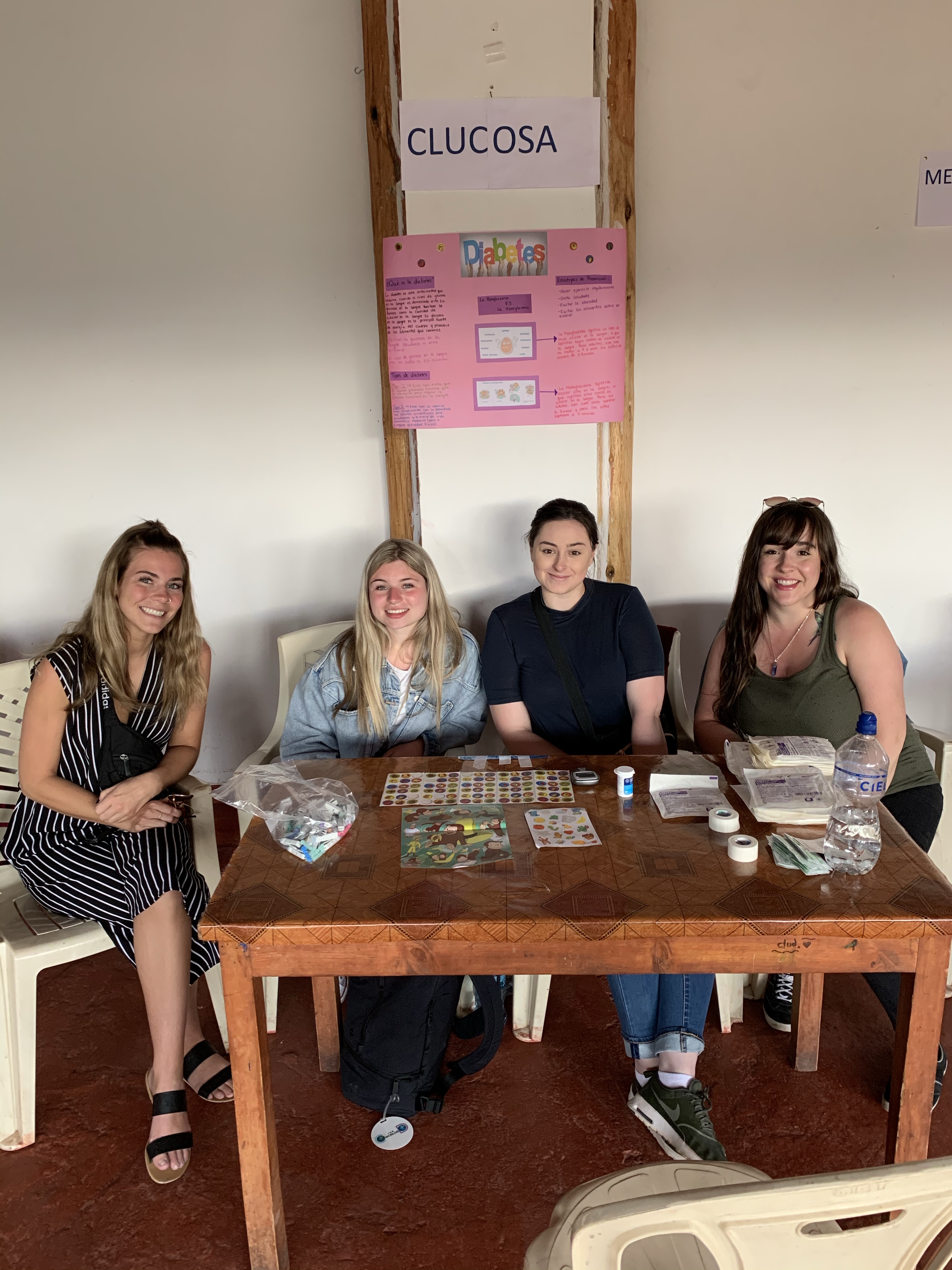
They determined that most were normal (18 out of 20) they only had 2 really high sugars.
We believe this may be because most people grow their own food and eat healthier. It costs more to eat unhealthy in Peru.
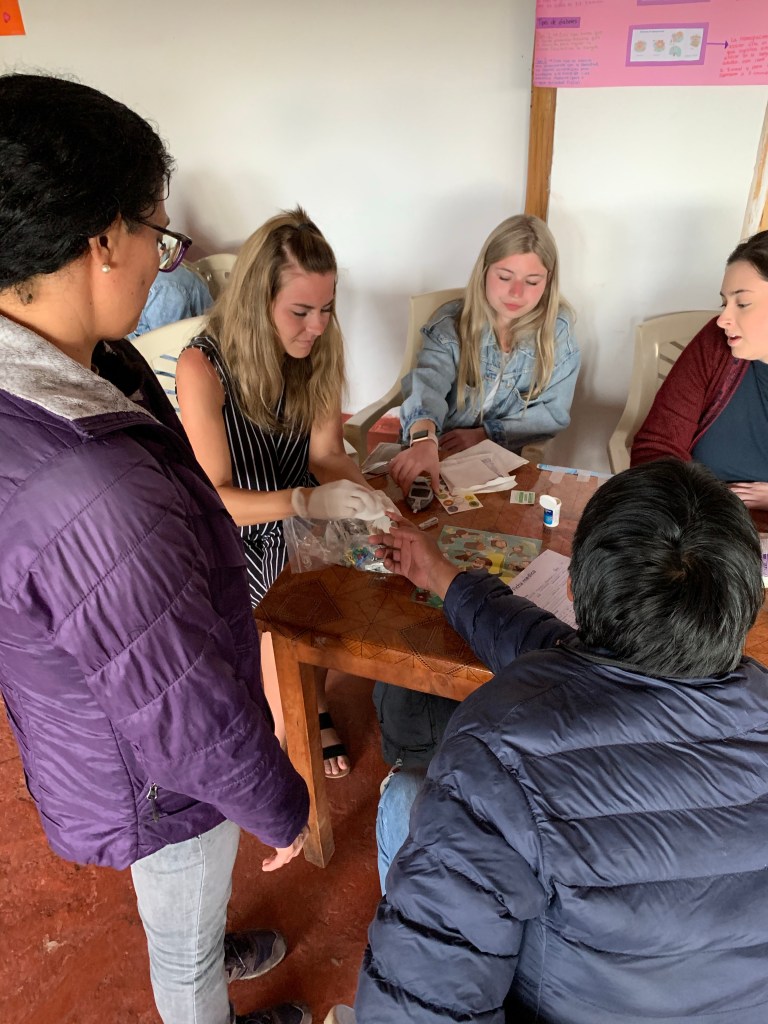
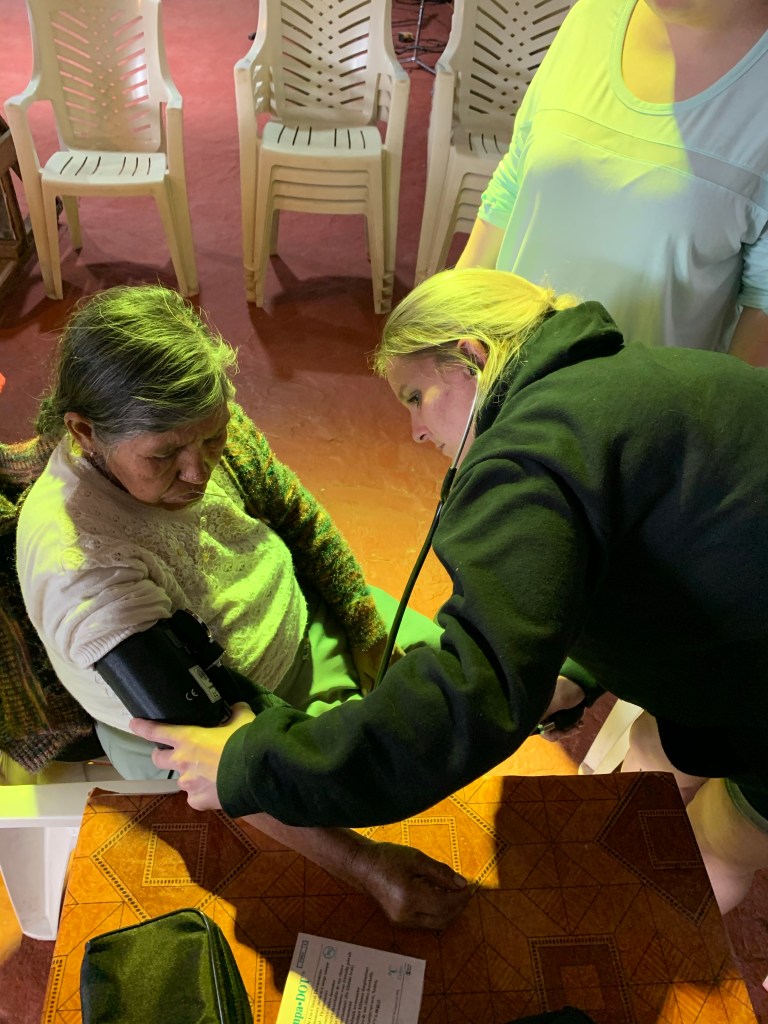
The group that was checking blood pressure and temperatures found that the majority of people had normal (and somewhere around lower normal) readings. Most children had readings around 100|60 and most adults had readings of 100| 80.
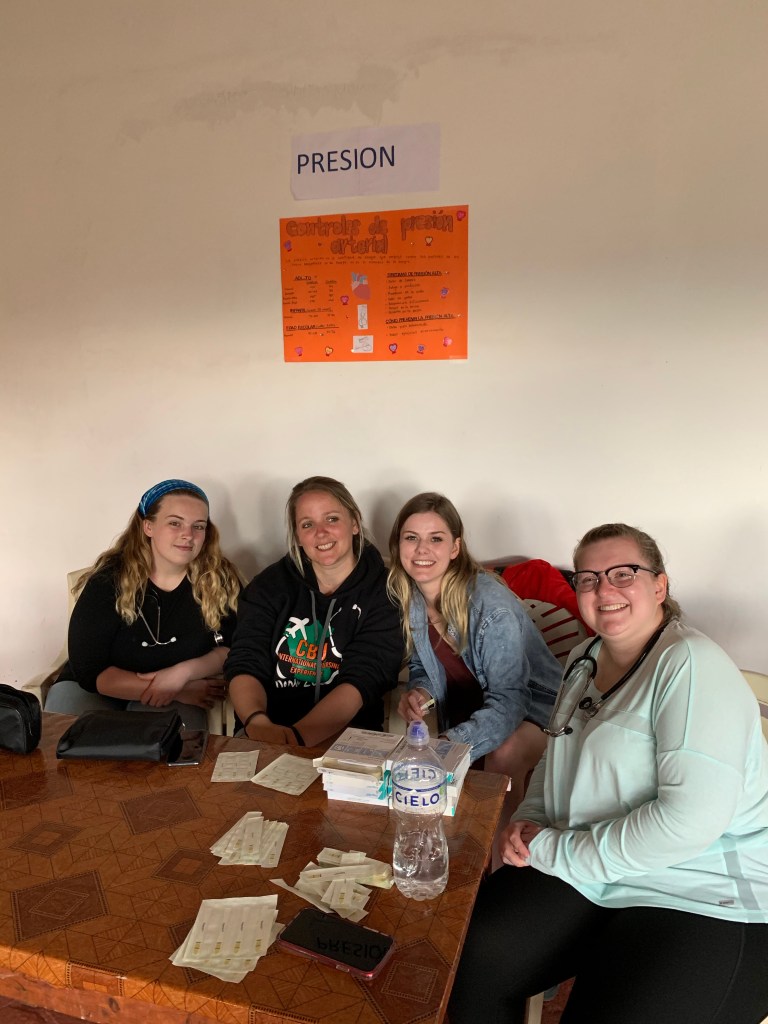
One older lady had a higher blood pressure of 145|90 but she told us that she had not taken her blood pressure medication for a week now because she ran out.
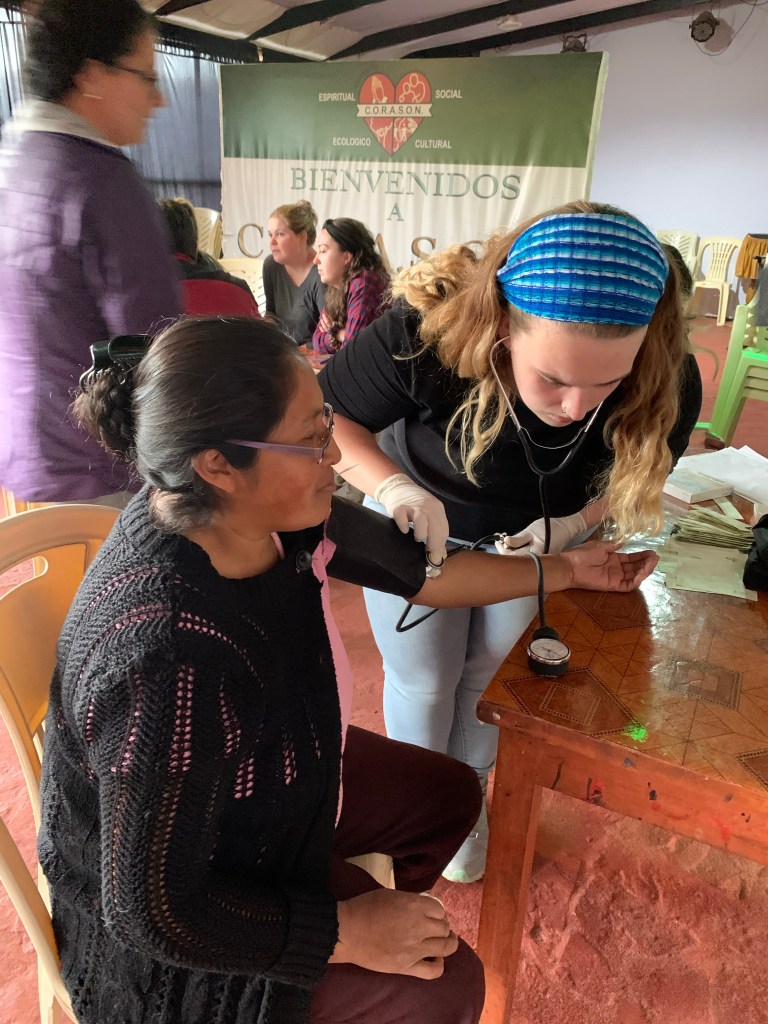
One women had a higher temperature of 37.9 and was having dizziness and headaches. All of her other vital signs were normal and she said she already consulted with a doctor.
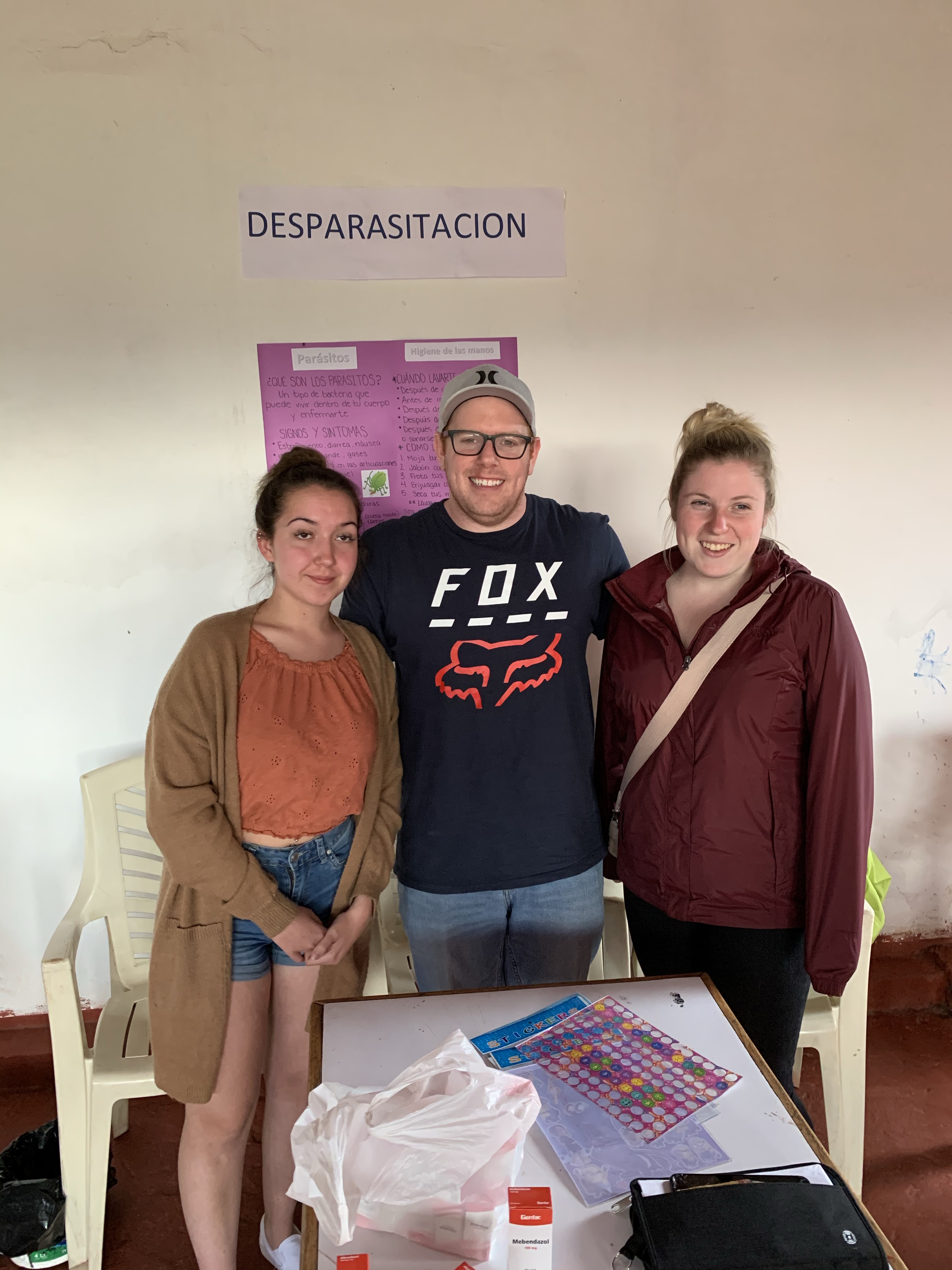
The group that provided information on hand hygiene and parasites gave a lot of education to the children and their parents about the importance of washing your hands to avoid parasites and becoming sick.
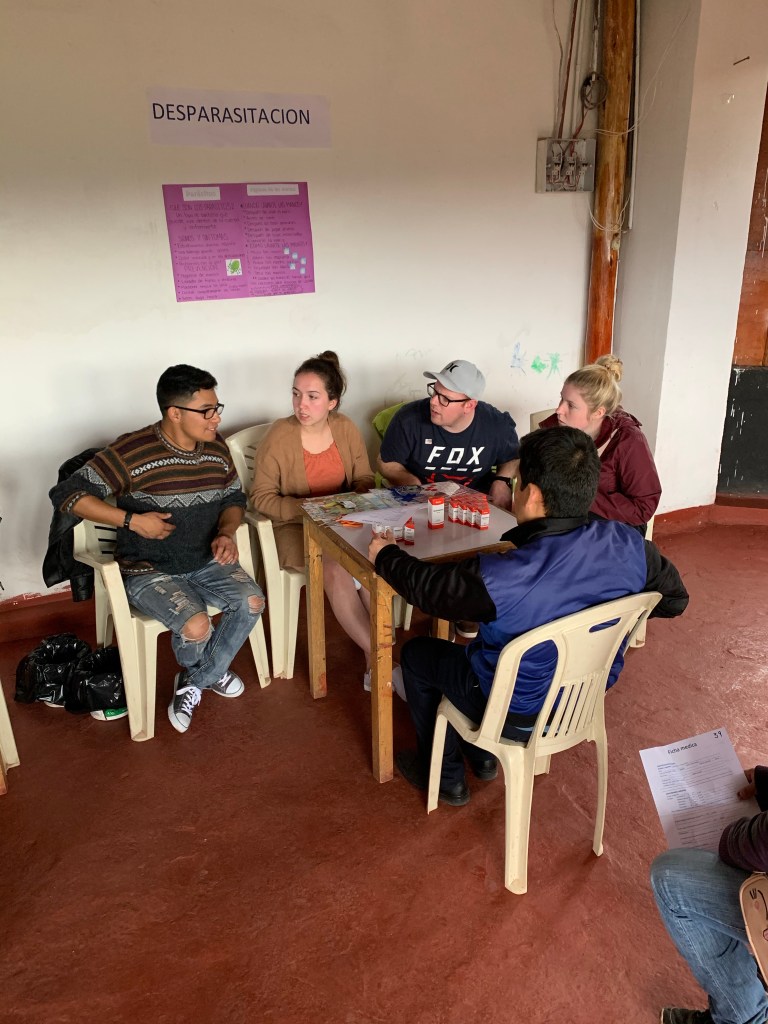
This group gave out medication (liquid) to the children under 6 for parasites and gave tablets (medication) to those older than 6 as well.
They gave info on the signs and symptoms of parasites and how to prevent them.
There was a few pregnant women present at the program today and we knew that there was some contraindications about giving parasite medication when pregnant so we told them to consult their doctors.
The group that was assigned to nutrition provided some education on the prevention of anemia (a very common issue among the Peruvian population) and the importance of eating healthy; related to malnutrition and growth.
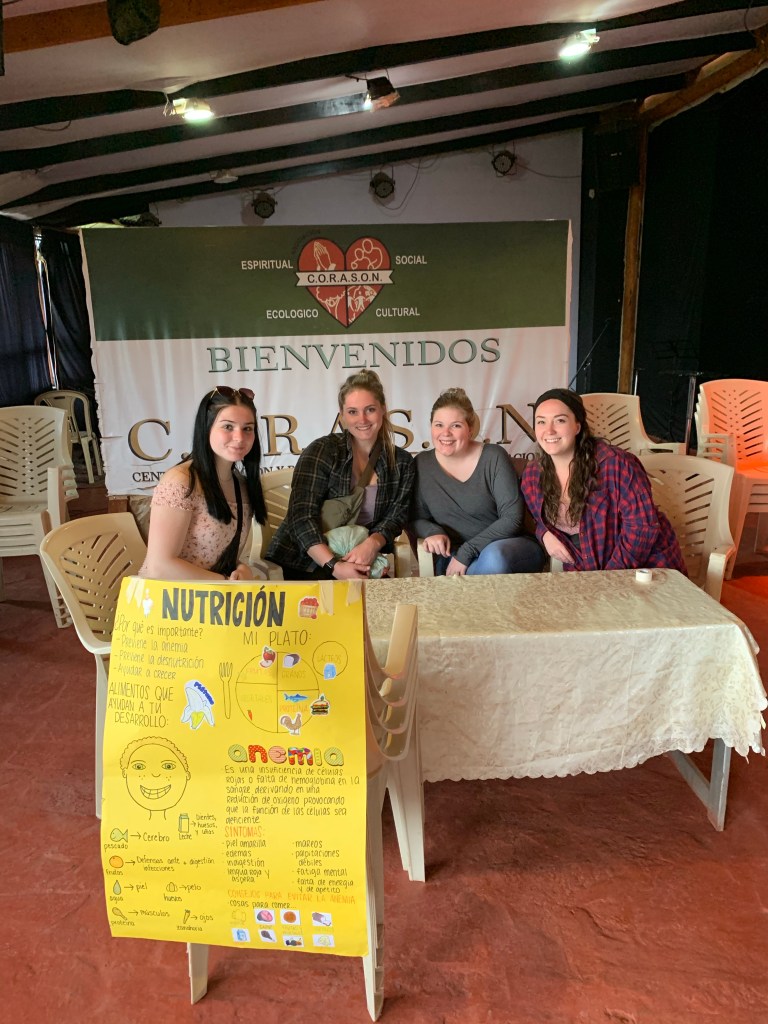
The nutrition group talked about what a plate should look like when eating a meal, the importance of drinking water. They found out that a lot of people only drink about 1-2 cups of water per day.
This group also educated on the symptoms of anemia (yellow skin, tiredness, rapid heart beat, weakness, shortness of breath, etc.)
They discussed some food that will help with anemia like oranges, eggs, chicken, bread, meats, etc.
A lot of the parents displayed interest in this station to make sure their kids were on the right track even if they didn’t have anemia.
We also have some education on diabetic foods, pregnancy, baby’s nutrition and the importance of protein to have more energy.
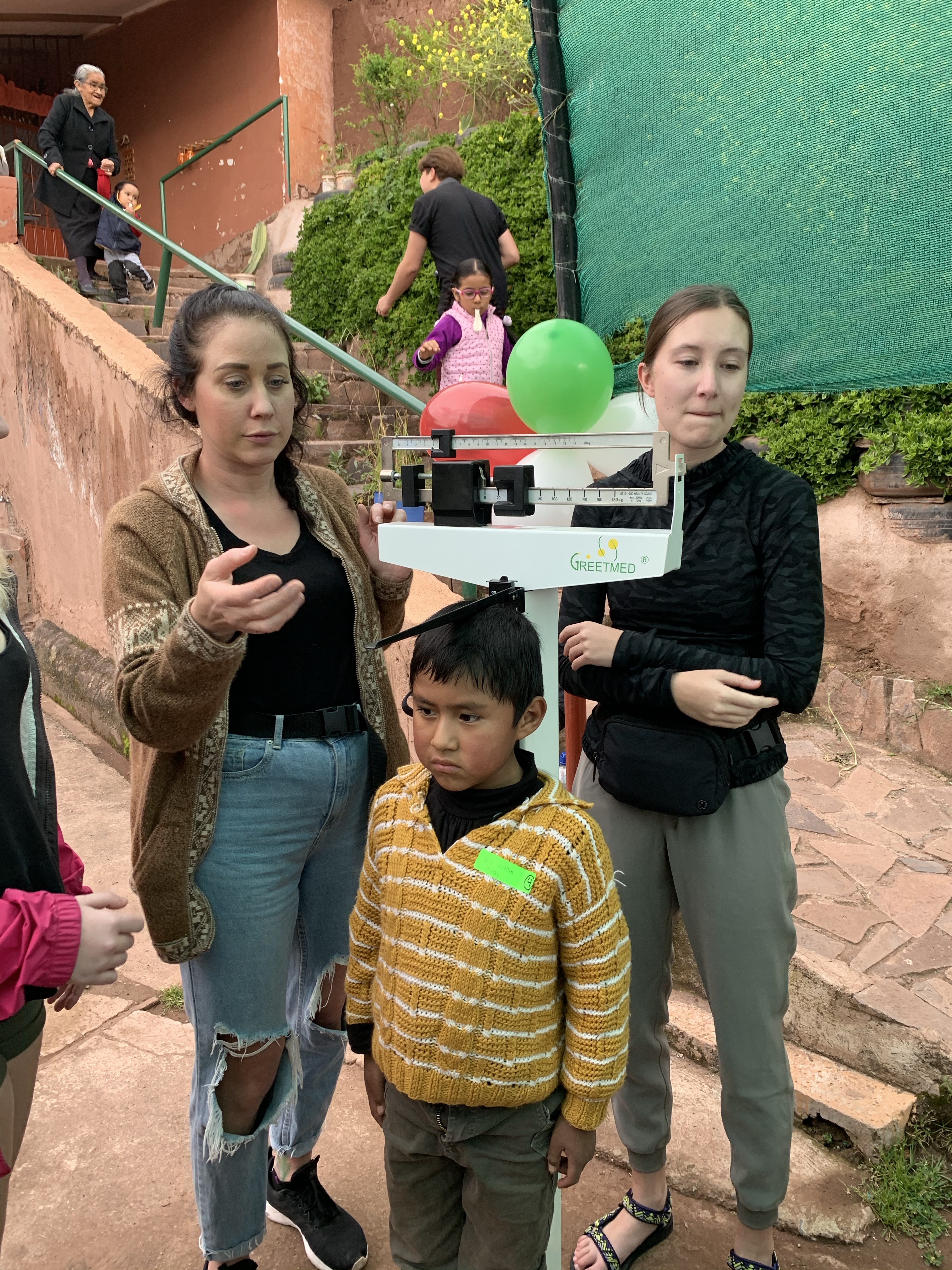
The group that was assigned height and weights was placed outside in the main courtyard of the after school program.
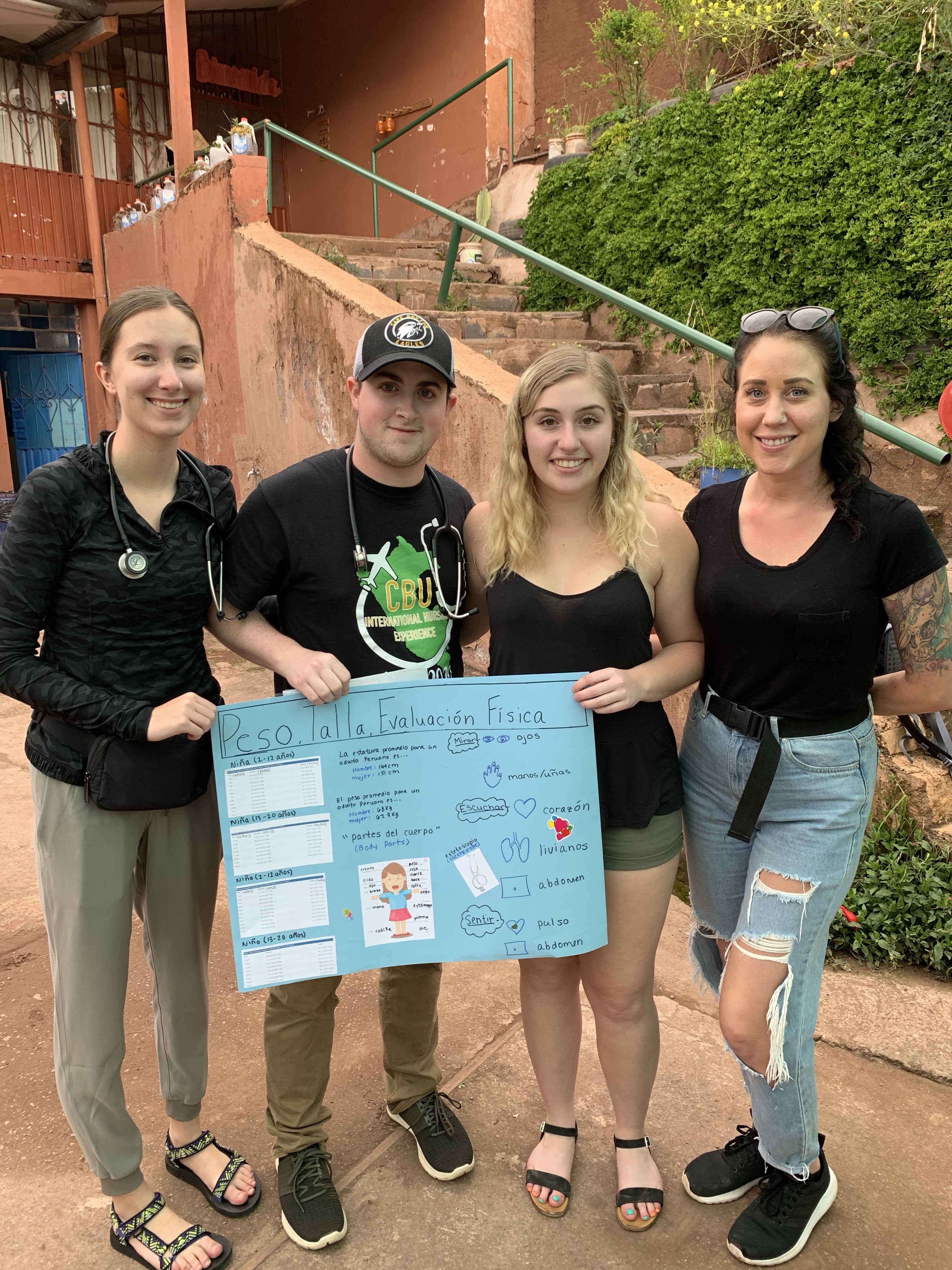
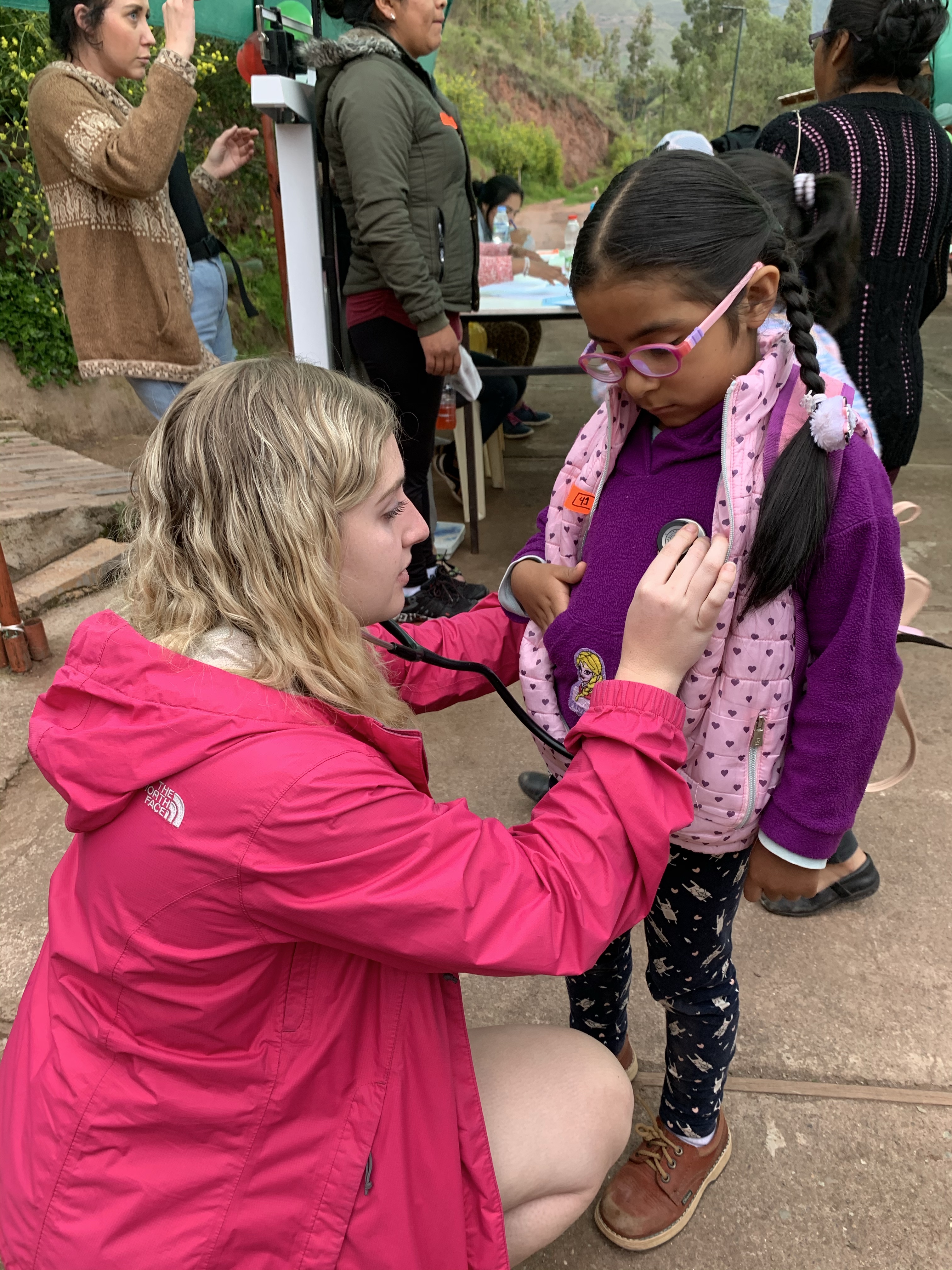
This station involved checking the height and weights of all clients. They also complete a brief physical assessment where they listened to heart lung and abdominal sounds. They also measured abdominal circumferences.
After that they sent the registered individuals to the next station.
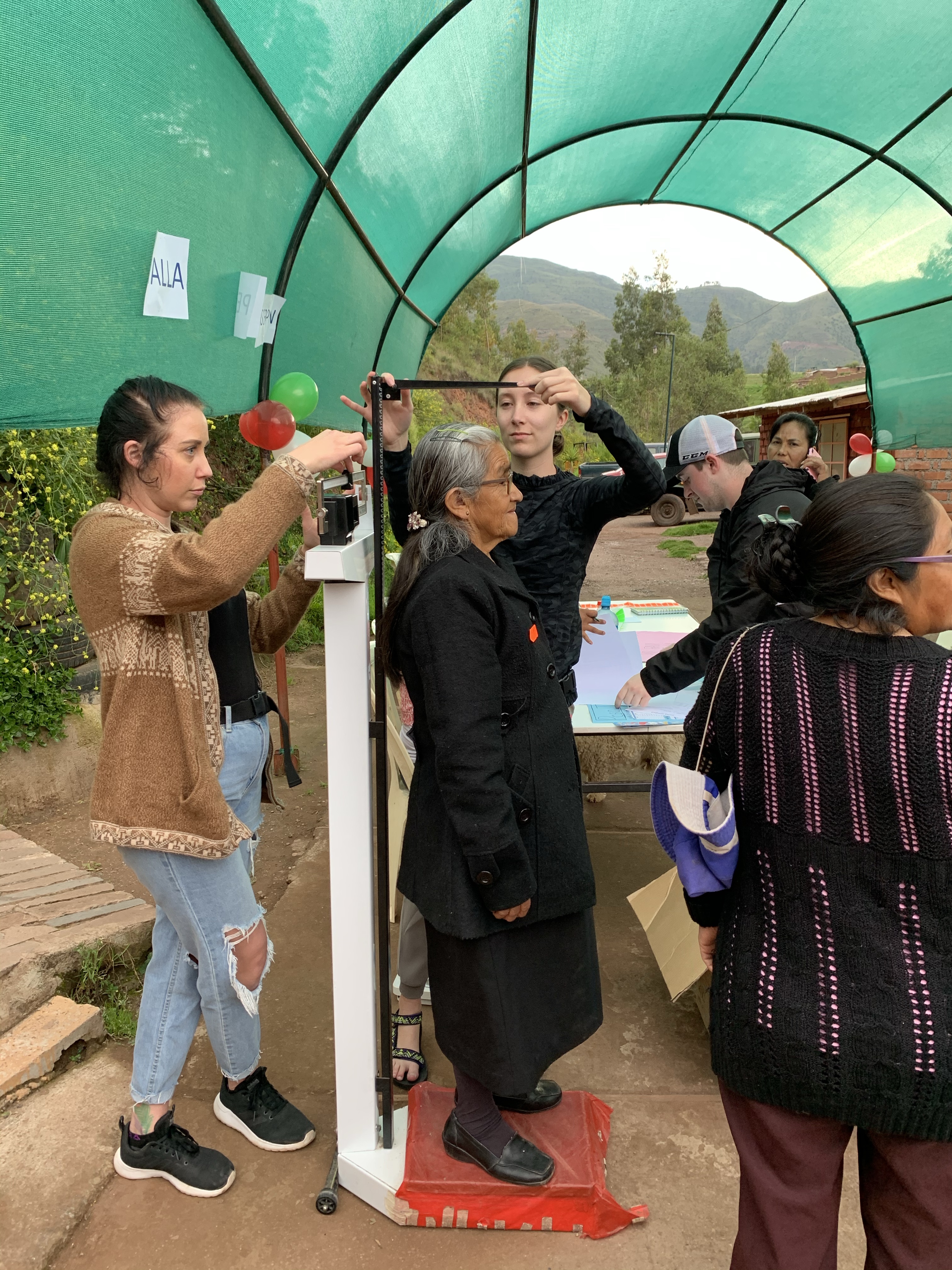
We all had a great time at CooperarPeru!
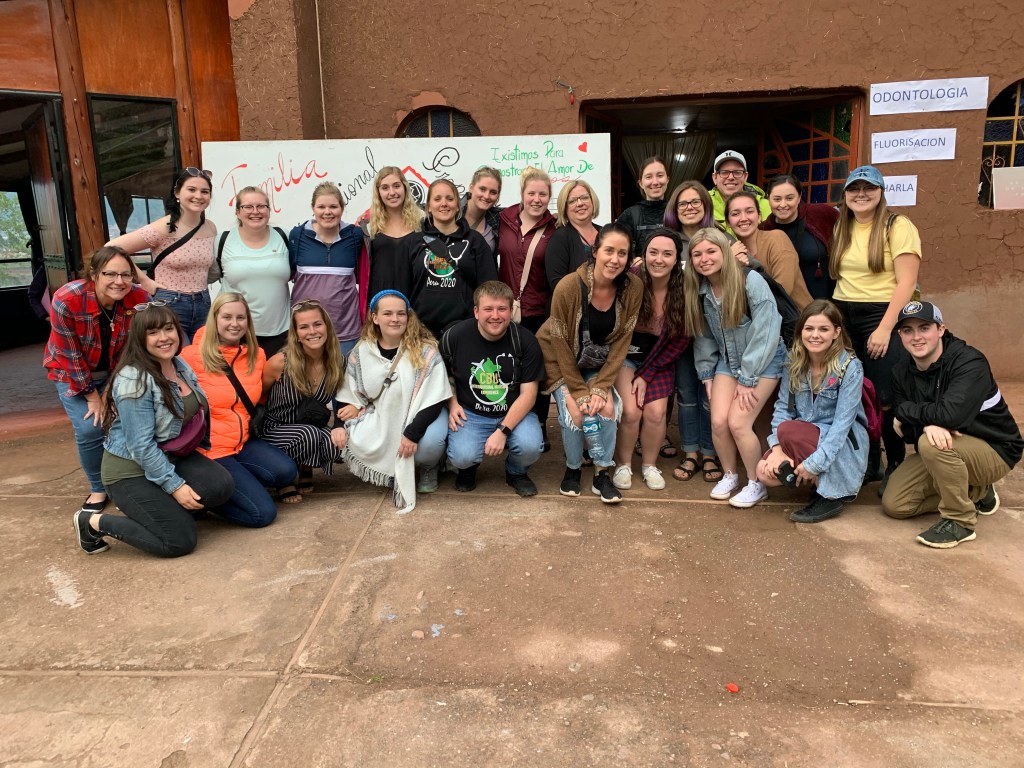
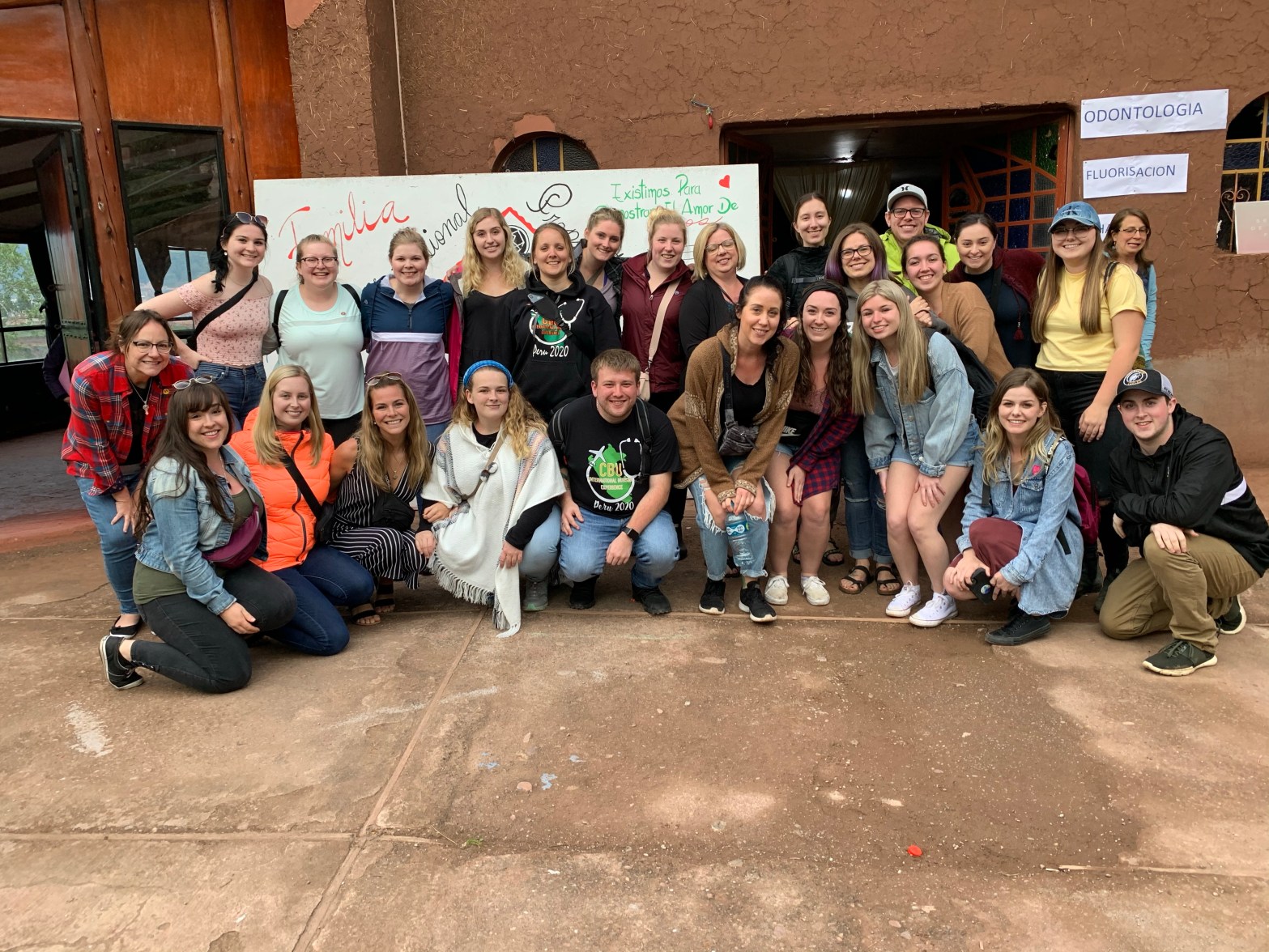
Font Row (L-R): Angela MacDonald, Annabelle Welsh, Rebecca MacDougall, Kelsey Muller, Kelsey Brown, Austin Chapman, Jean Lavers, Chelsie Cann, Megan McNeil, Mackenzie Somers, James MacNeil
We learned a lot about the community and what the program is all about.
Tomorrow is our last day in Peru!
Ciao!
*Permission was received for all photos*
 Austin Chapman Blogs
Getting educated on proper hygiene..teeth cleaning…the right foods to eat is awesome even just as a reminder as most of us tend to go in the wrong direction so easily. Its awesome that this after school program is offered & of coarse all the help from the R.N is super.Im sure they all appreciate the lessons & help from all .Great experience all around 🤗😀
LikeLiked by 1 person