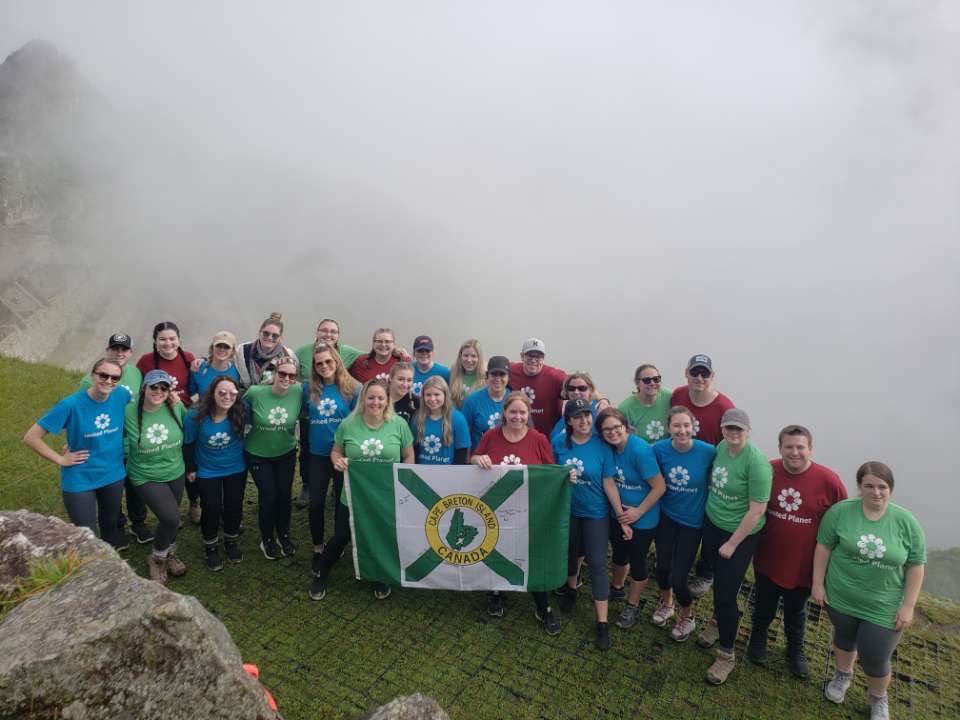
Today is the day we have all been waiting for!
After spending a week in two Peruvian clinics, longterm care facilities, day cares and an orphanage it’s time to explore Machu Picchu (one of the Seven Wonders of the World)!
A large portion of our group chose to wake up early and do the full hike from our hostel to the start of the trial and then to the top of the mountain; while others took the bus to the base of the mountain and hiked from there.
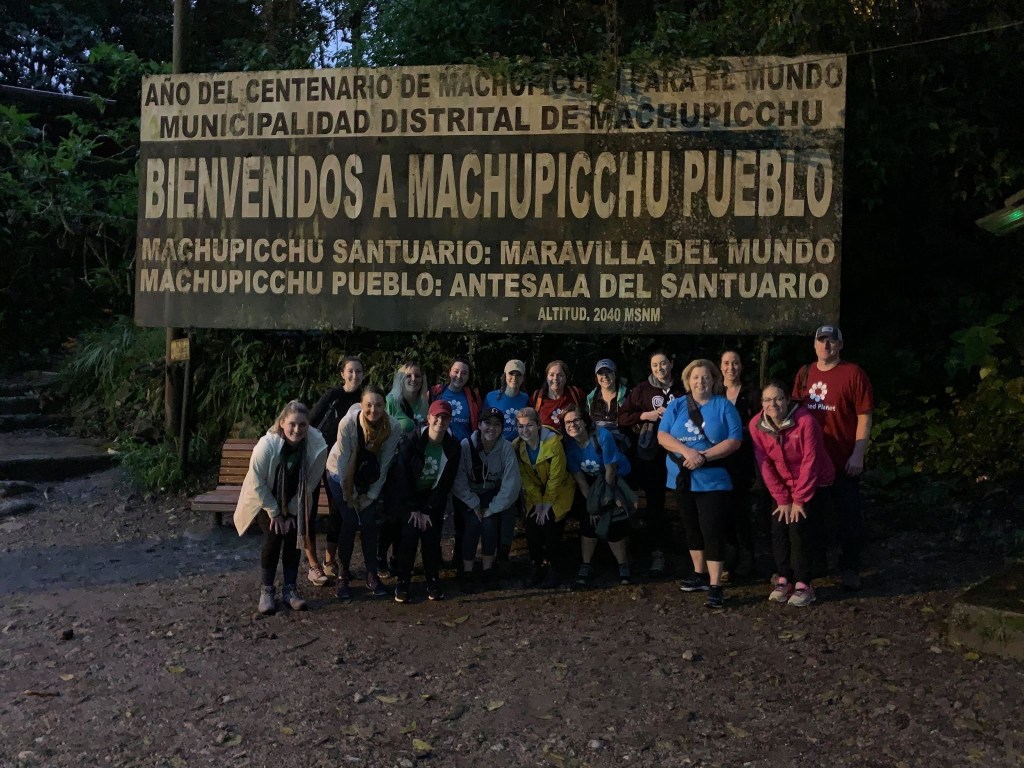
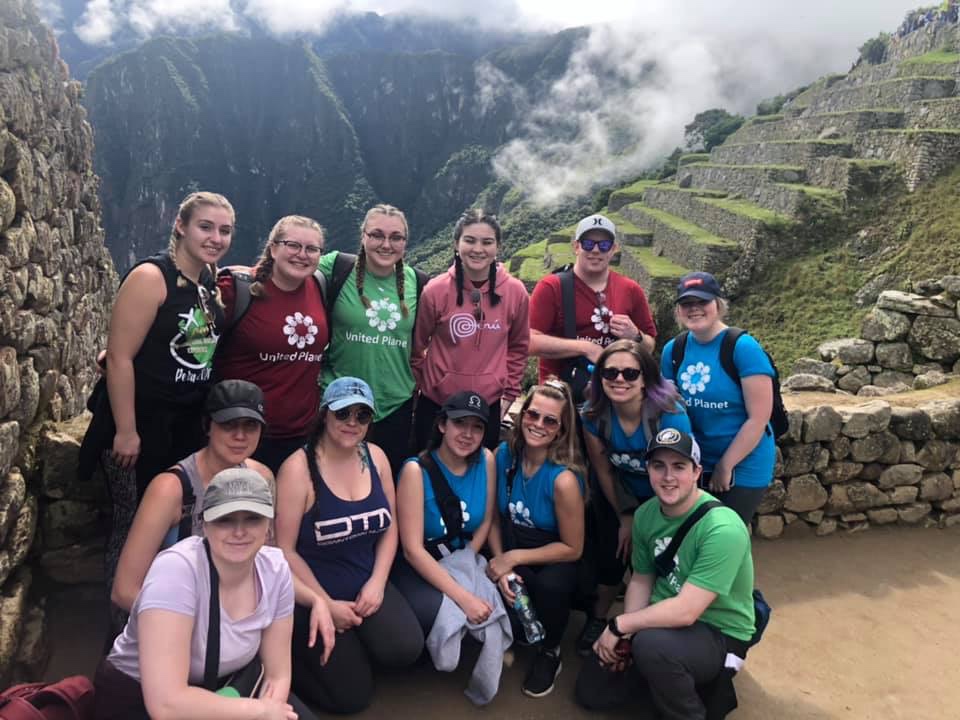
Back Row( L-R): Hannah MacKeigan, Sonya Wambolt, Chelsie Cann, Mackenzie Somers,
Karen Kennedy, Annabelle Welsh, Robyn Shibinette, Jean Lavers, Greg MacDonald
Front Row( L-R): Allison Burke, Callie Roberts (United Planet Rep/trip organizer), Rebecca MacDougall, Brianna LaRusic, Megan McNeil, Terri Vallis, Tracy Lillington, Angela MacDonald.
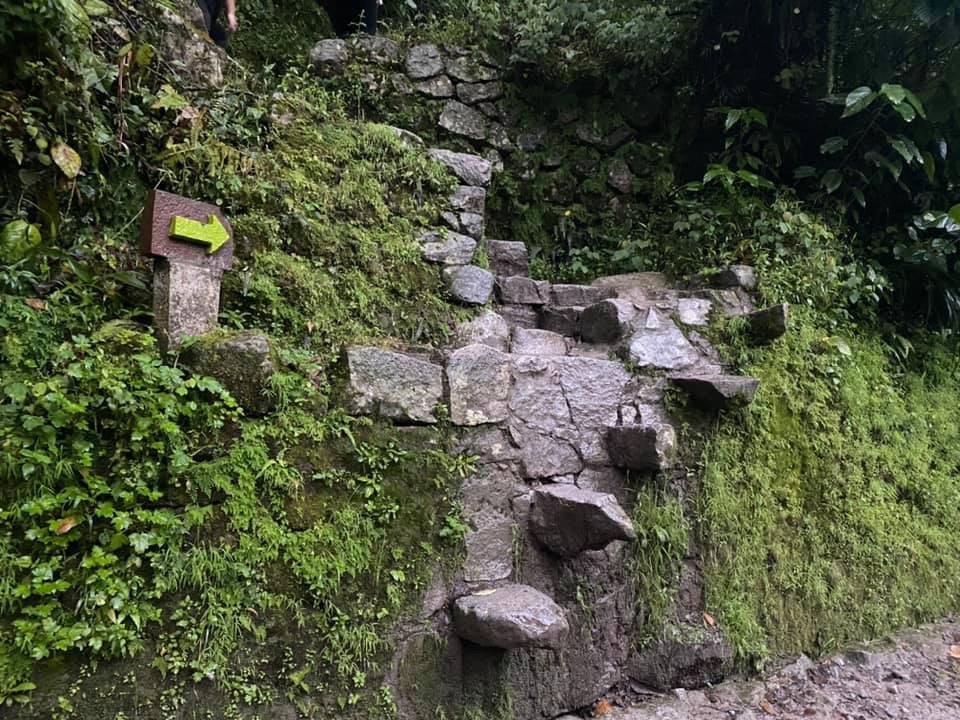
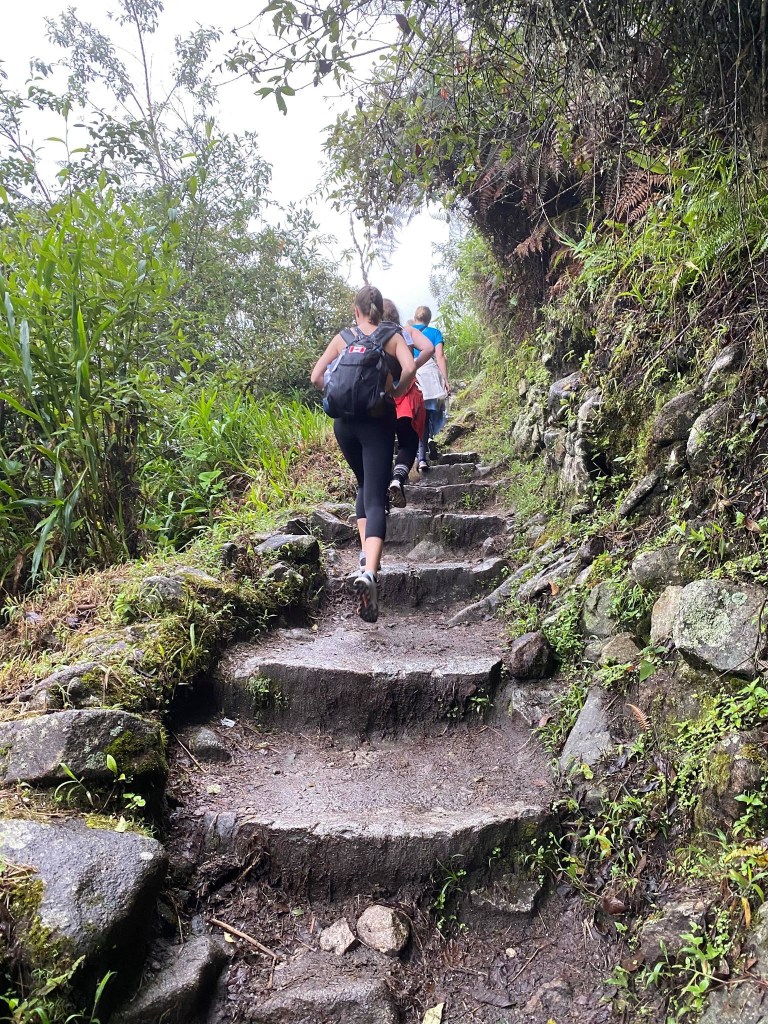
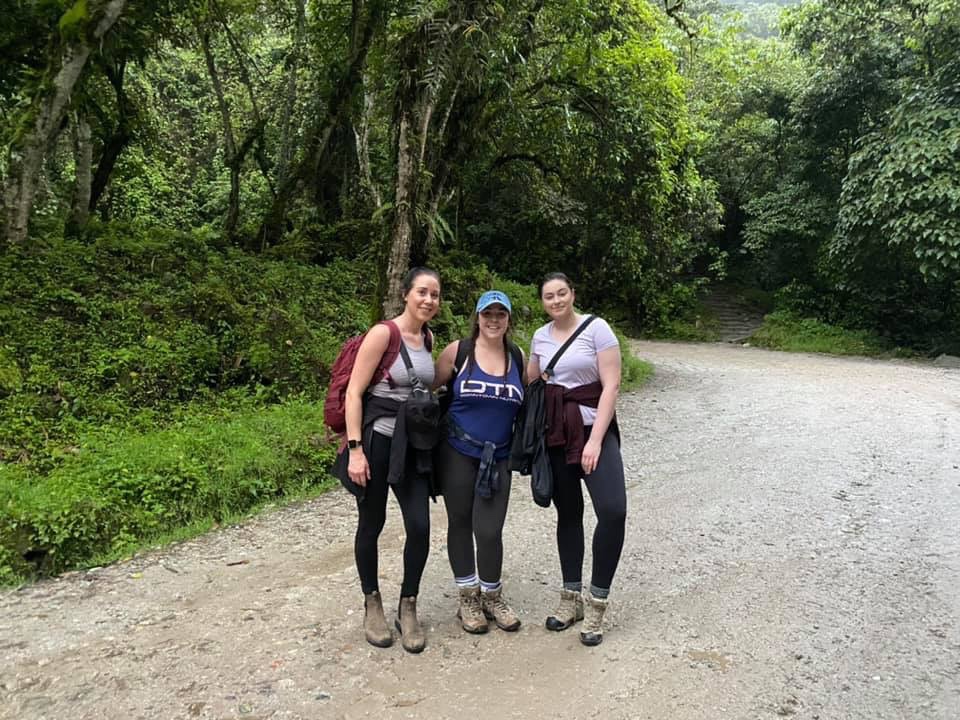
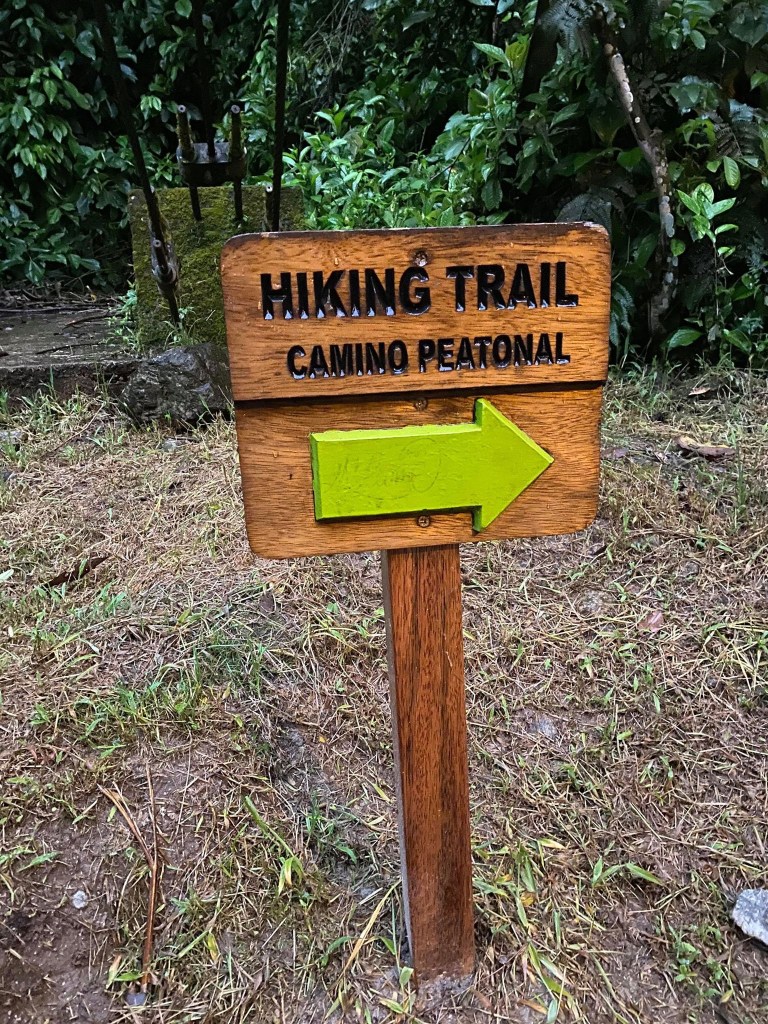
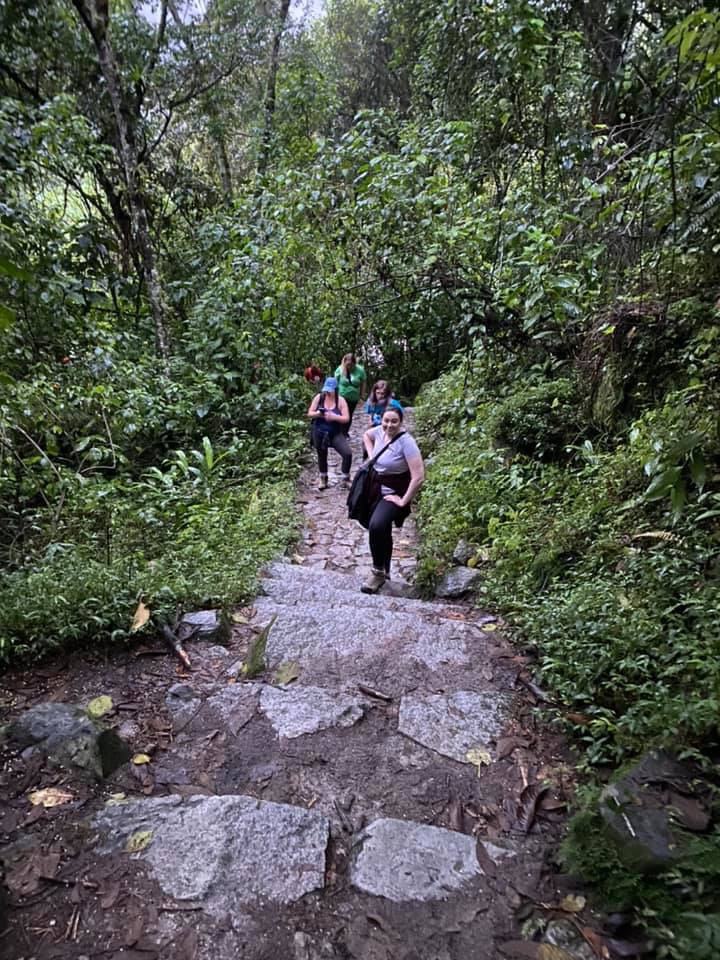
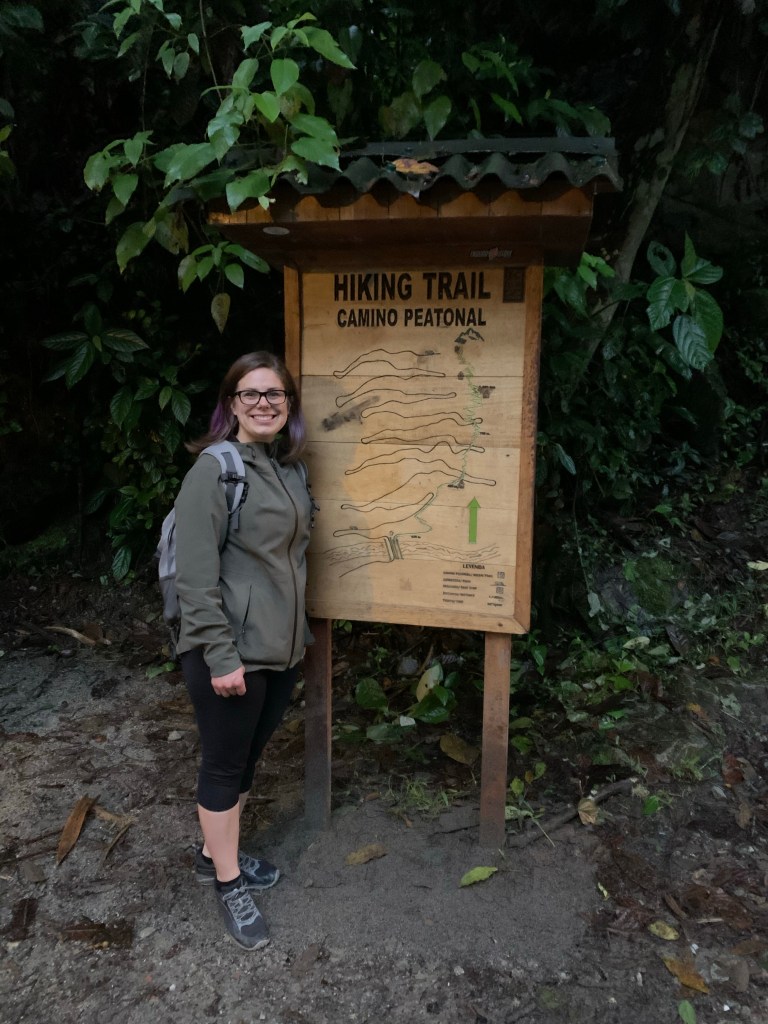
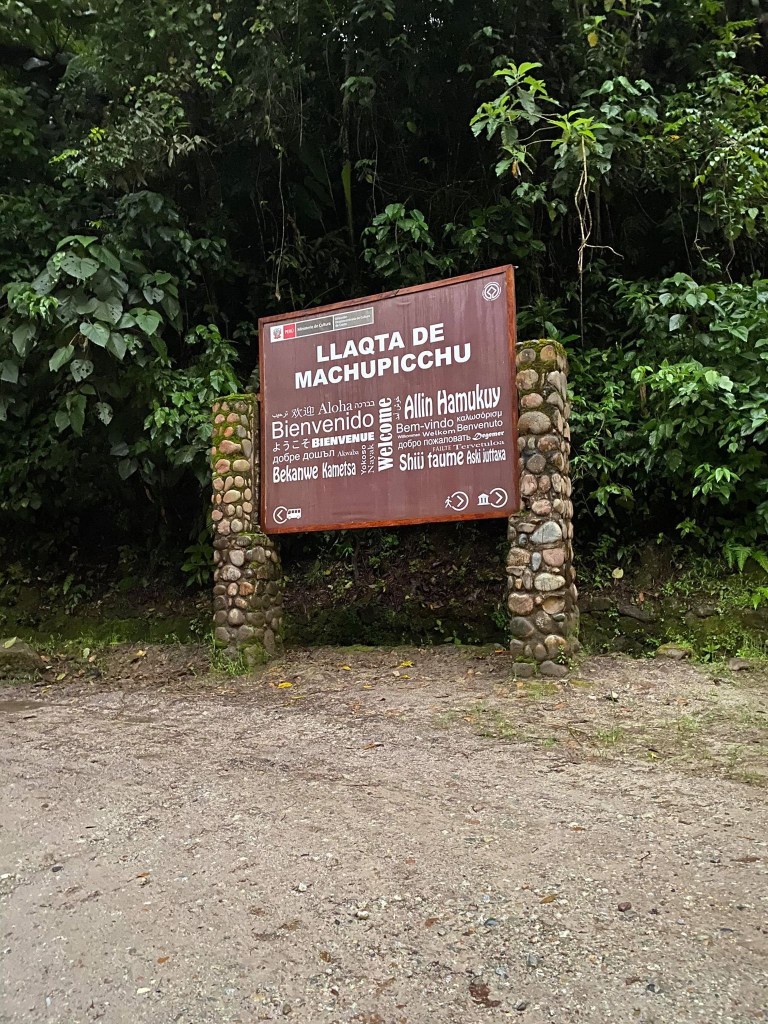
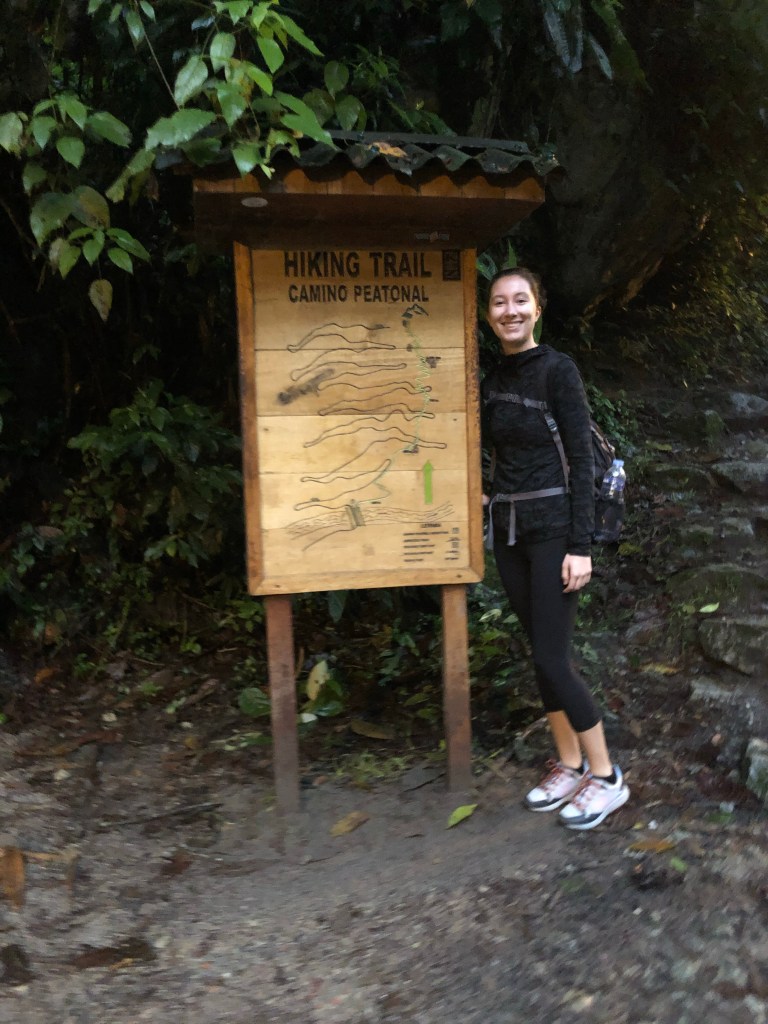
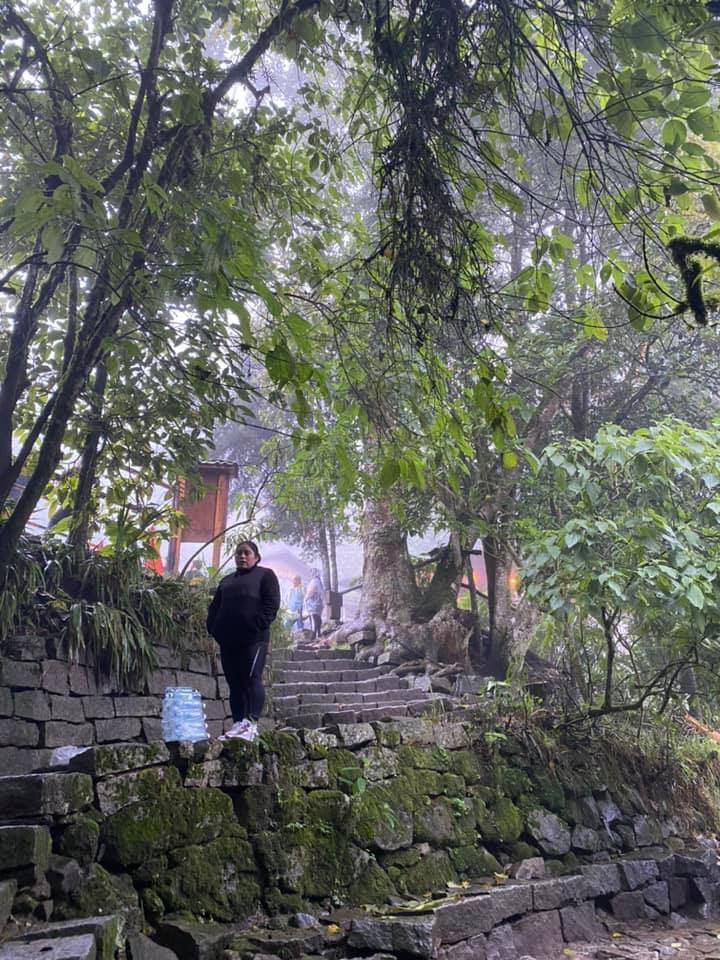
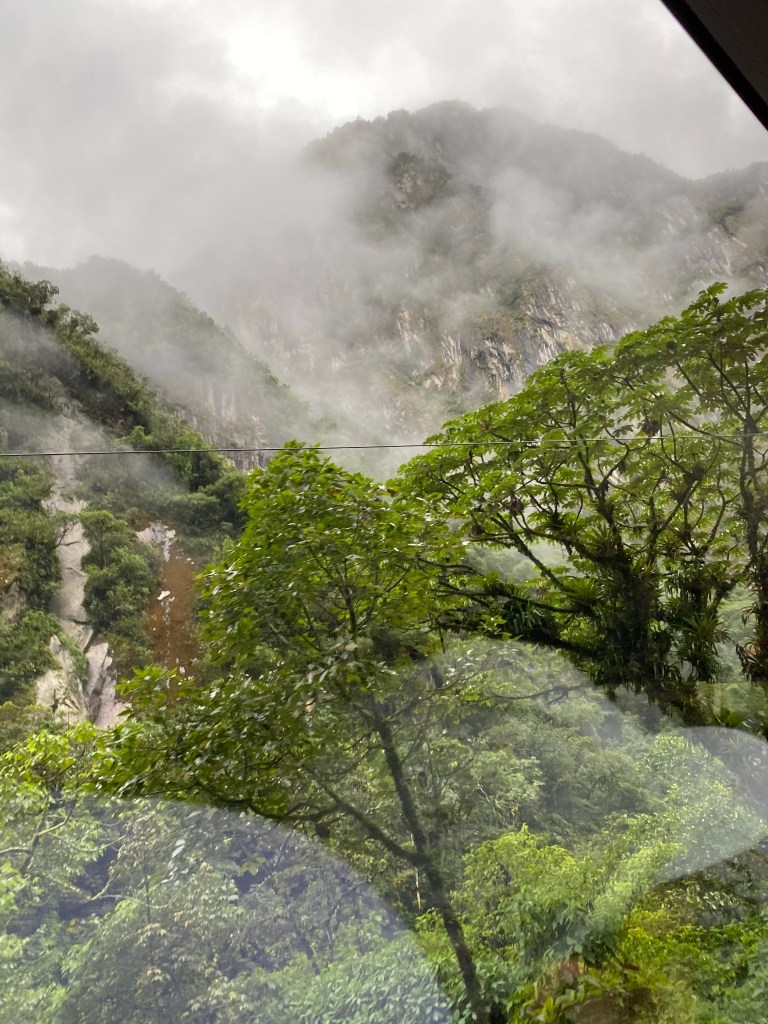
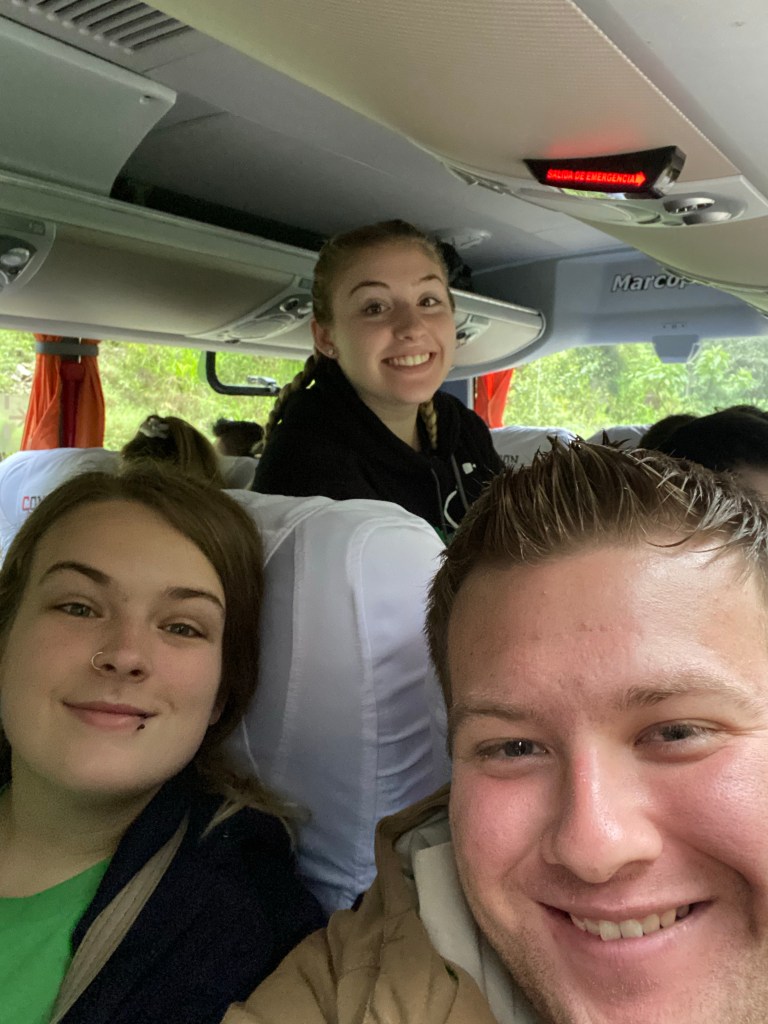
When we arrived to the base of Machu Picchu by bus the majority of our group that walked the trial were already there but there were still a few people missing. We cheered as they arrived to the top of the trail.
One of our tour guides met us at the base of Machu Picchu, the other met us inside.
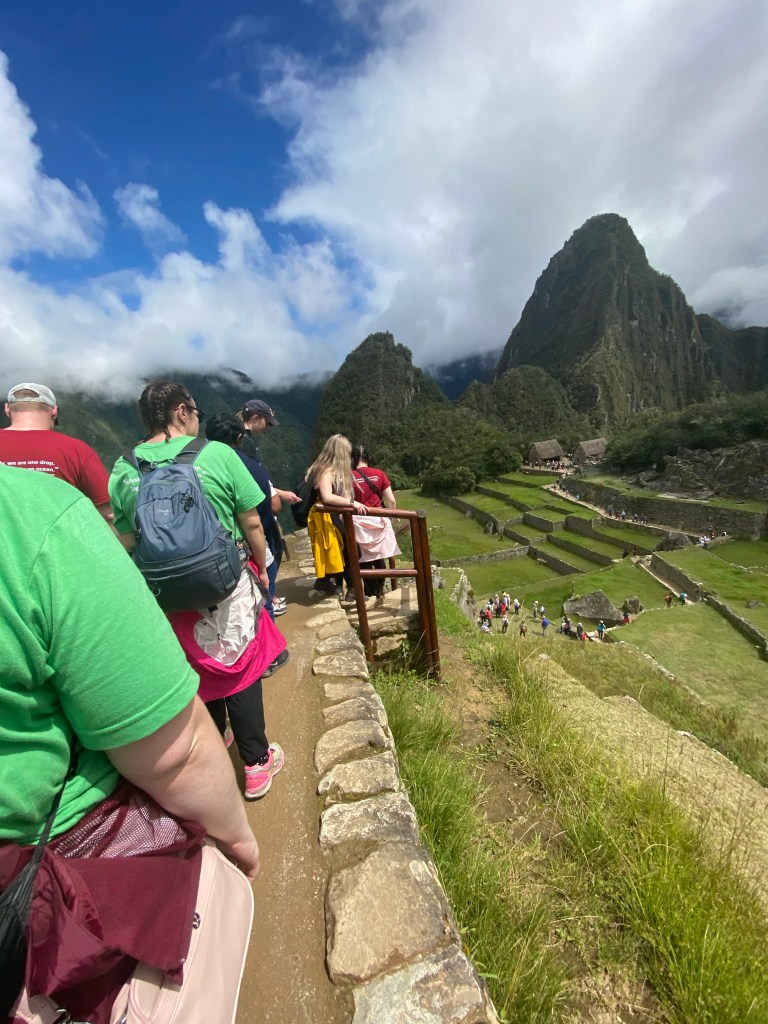
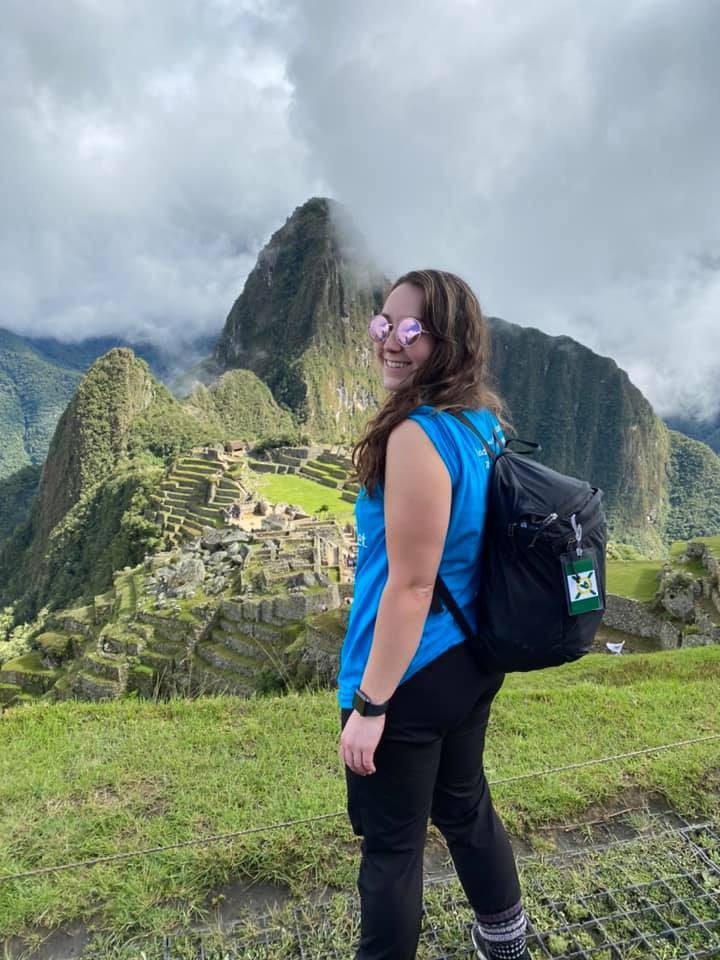
Walking into the gates/entrance was truly a spectacular moment. The sight was unbelievable; it was like we were all dreaming.
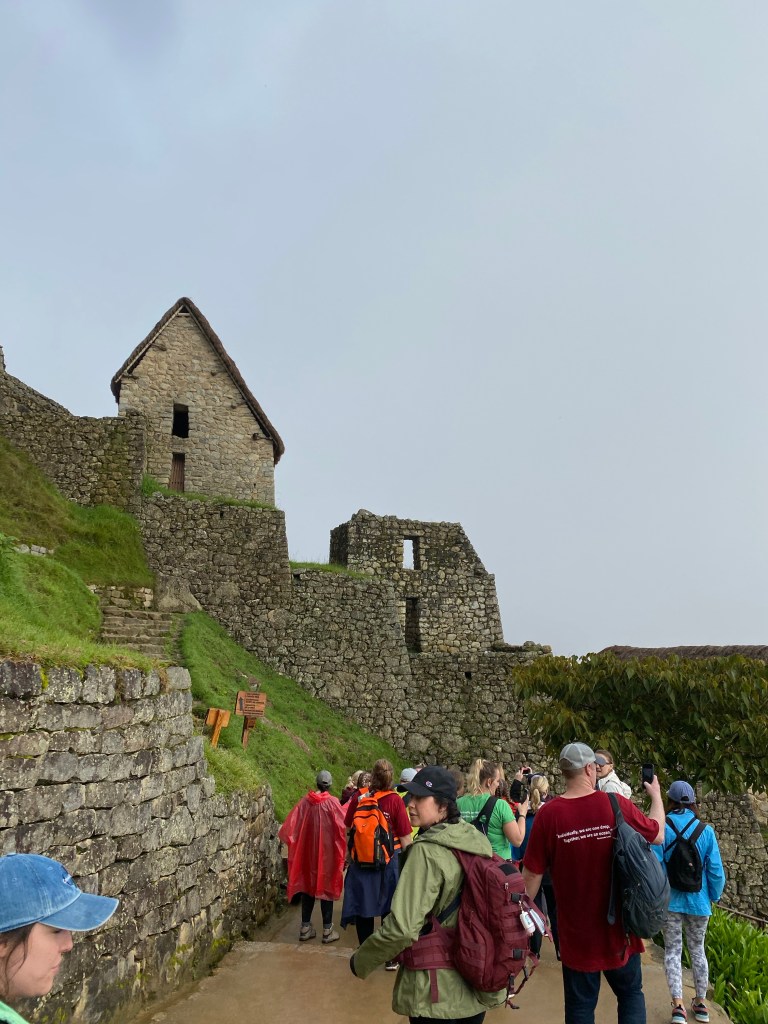
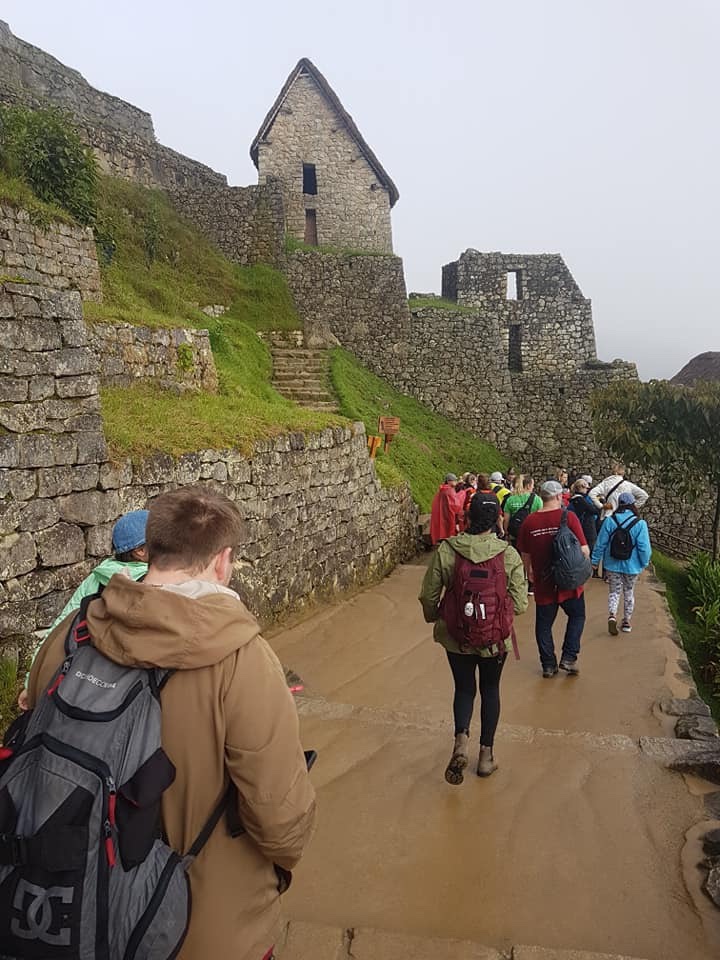
Are we actually here? Are we actually at one of the seven wonders of the world?
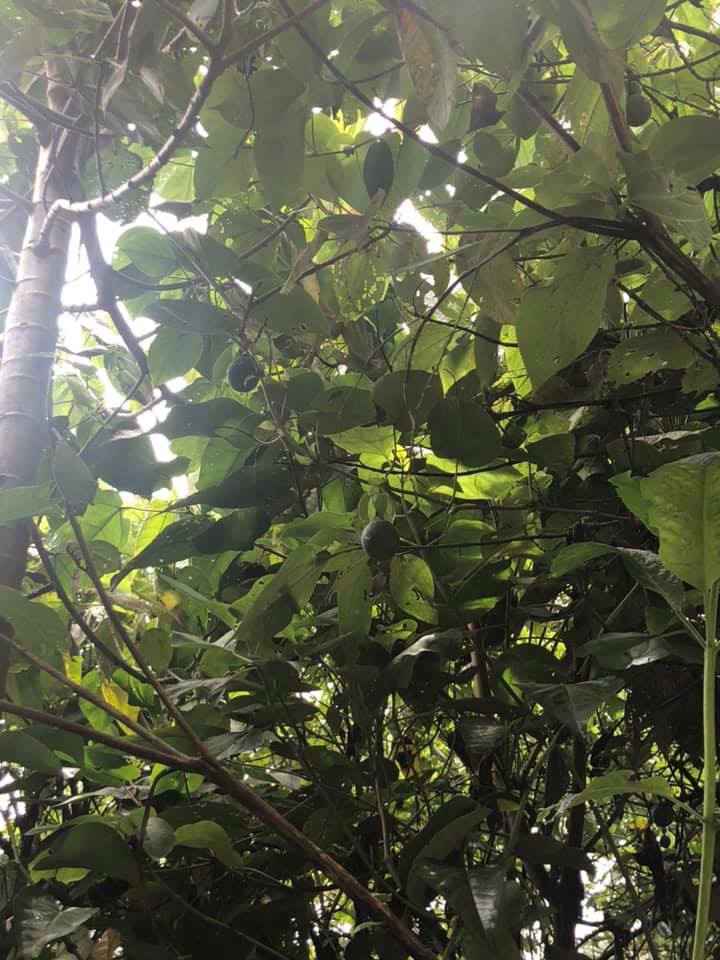
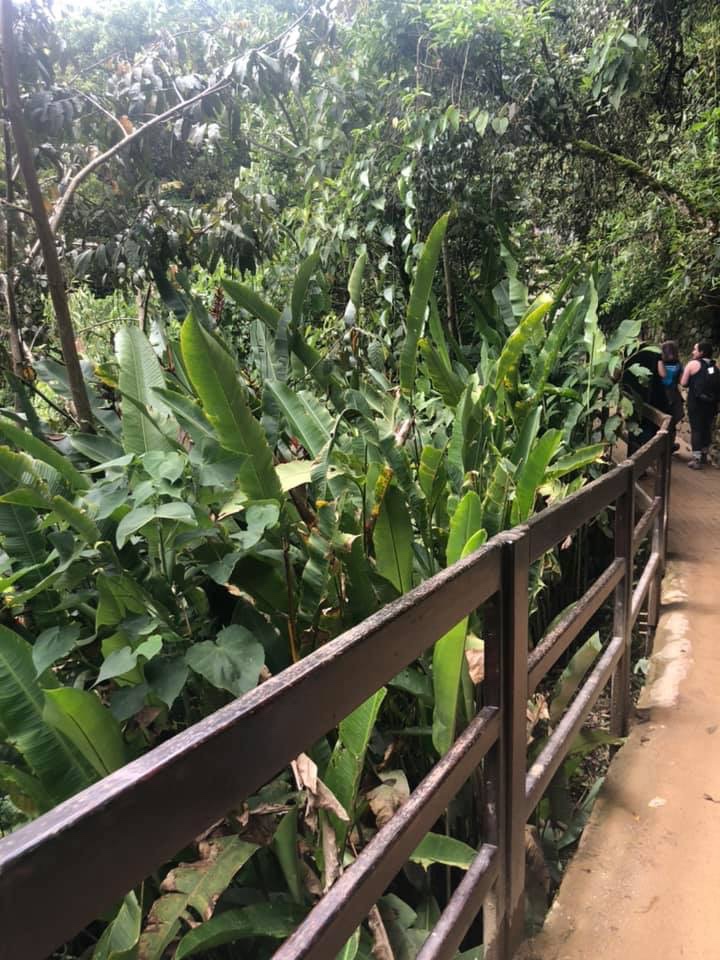
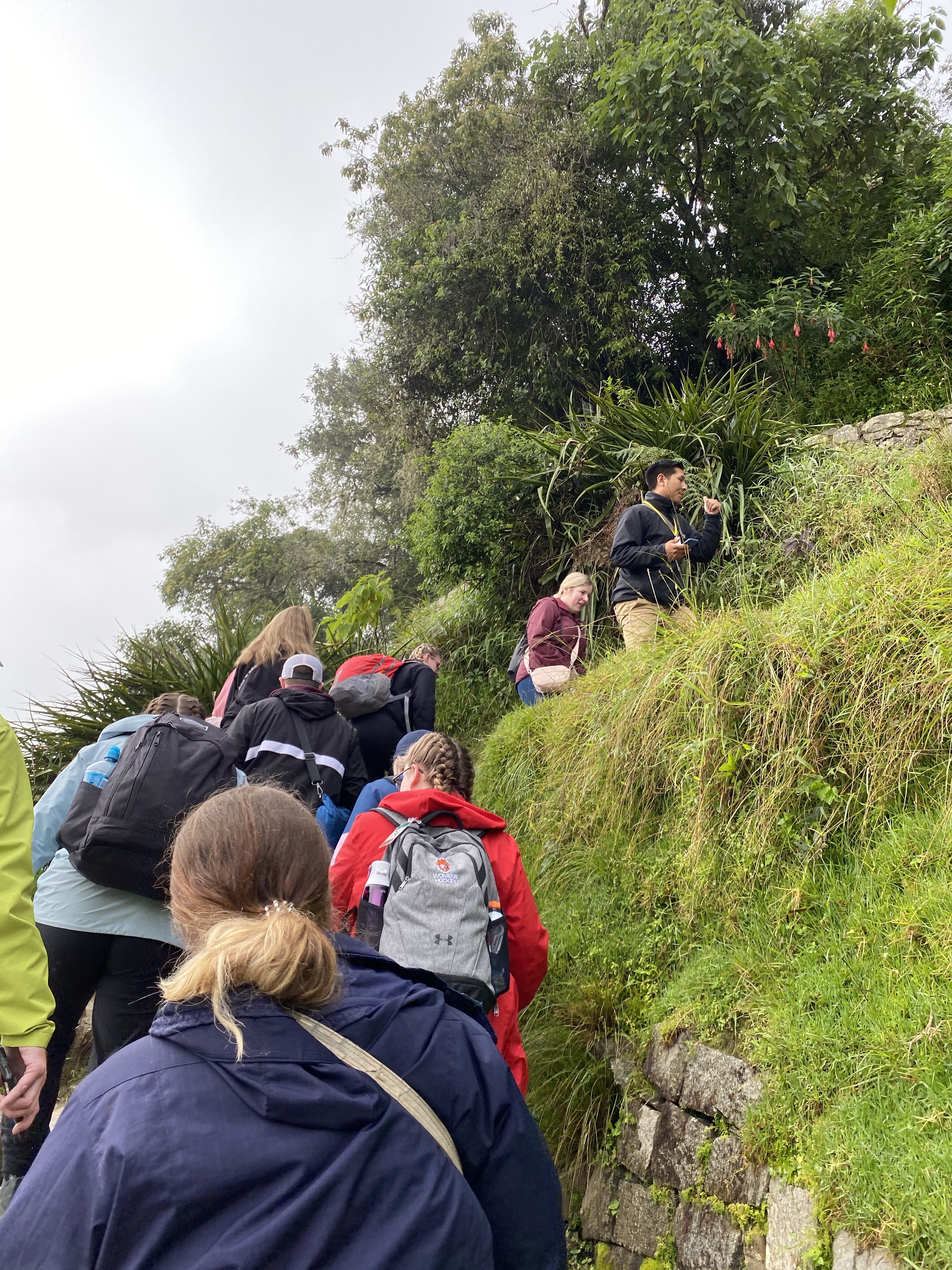
Our tour guide mentioned how it is not uncommon for people to see wild animals like bears, weasels, snakes, fox and pumas. He stated that they are all friendly animals unless they feel threatened.
We did not have the chance to see any wild animals this time around.
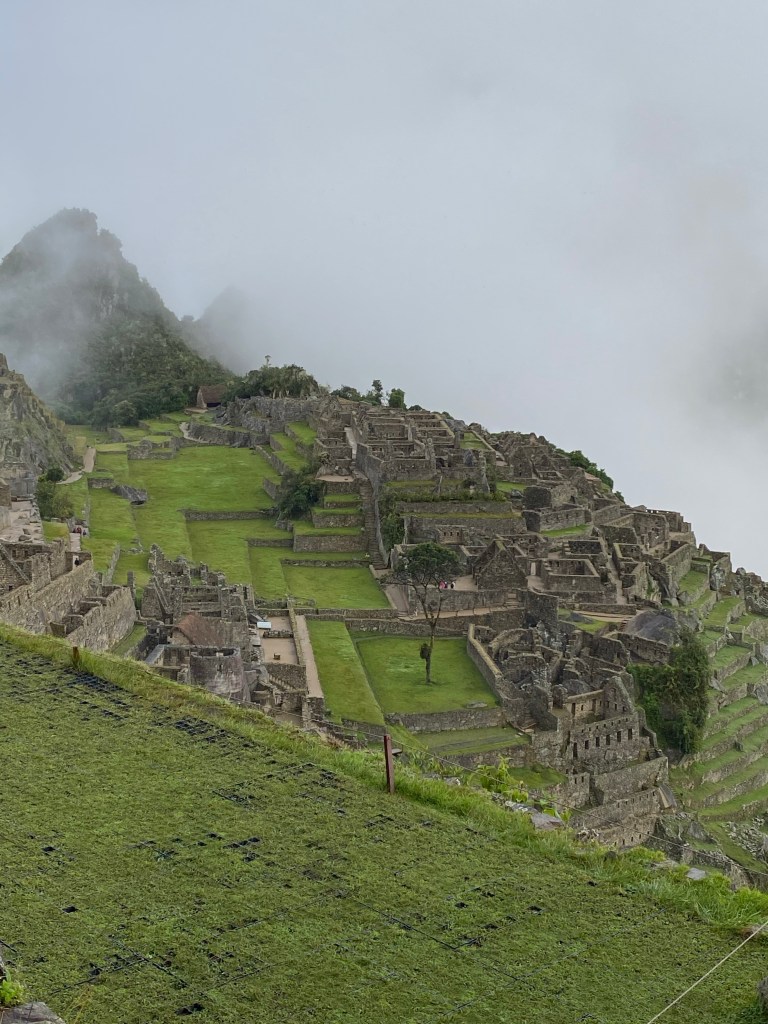
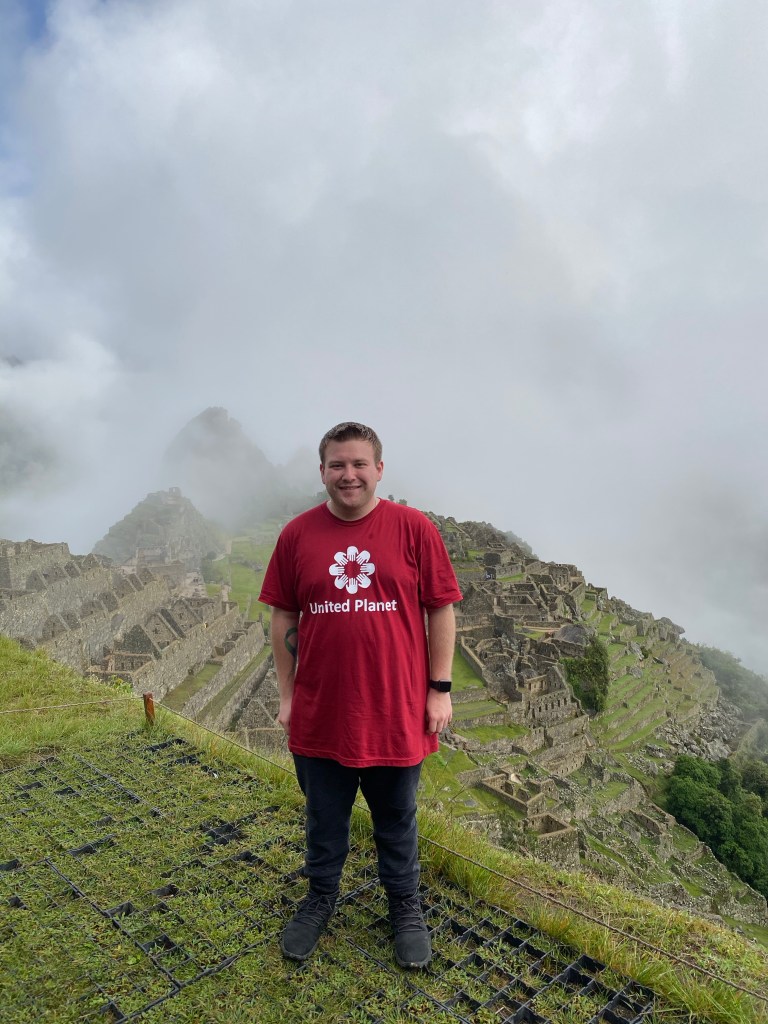
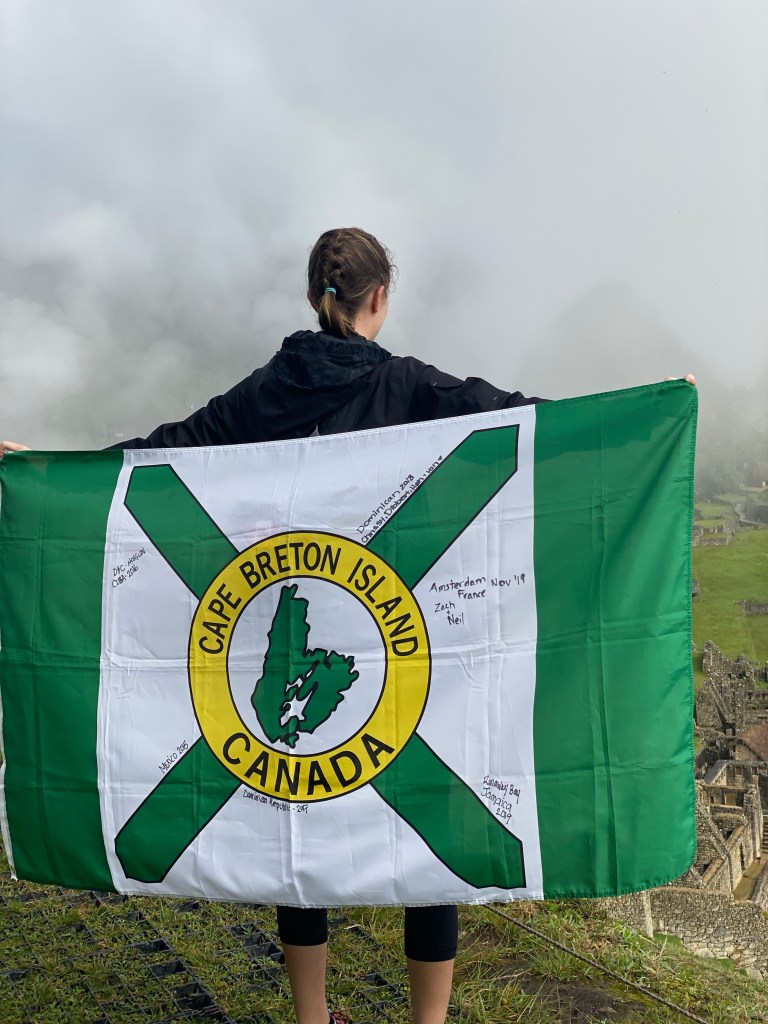
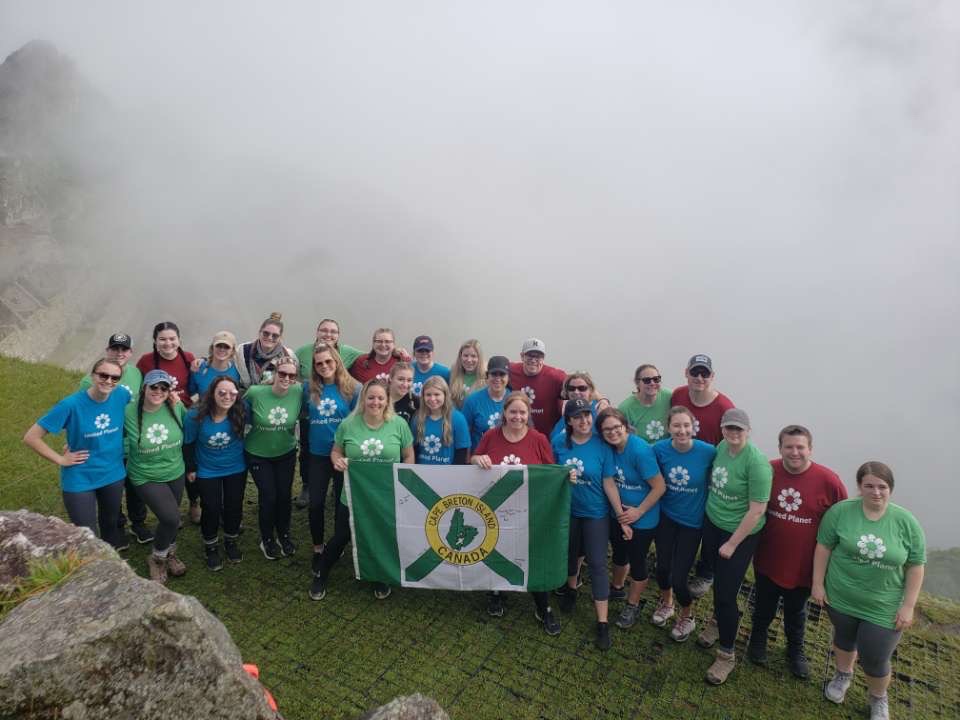
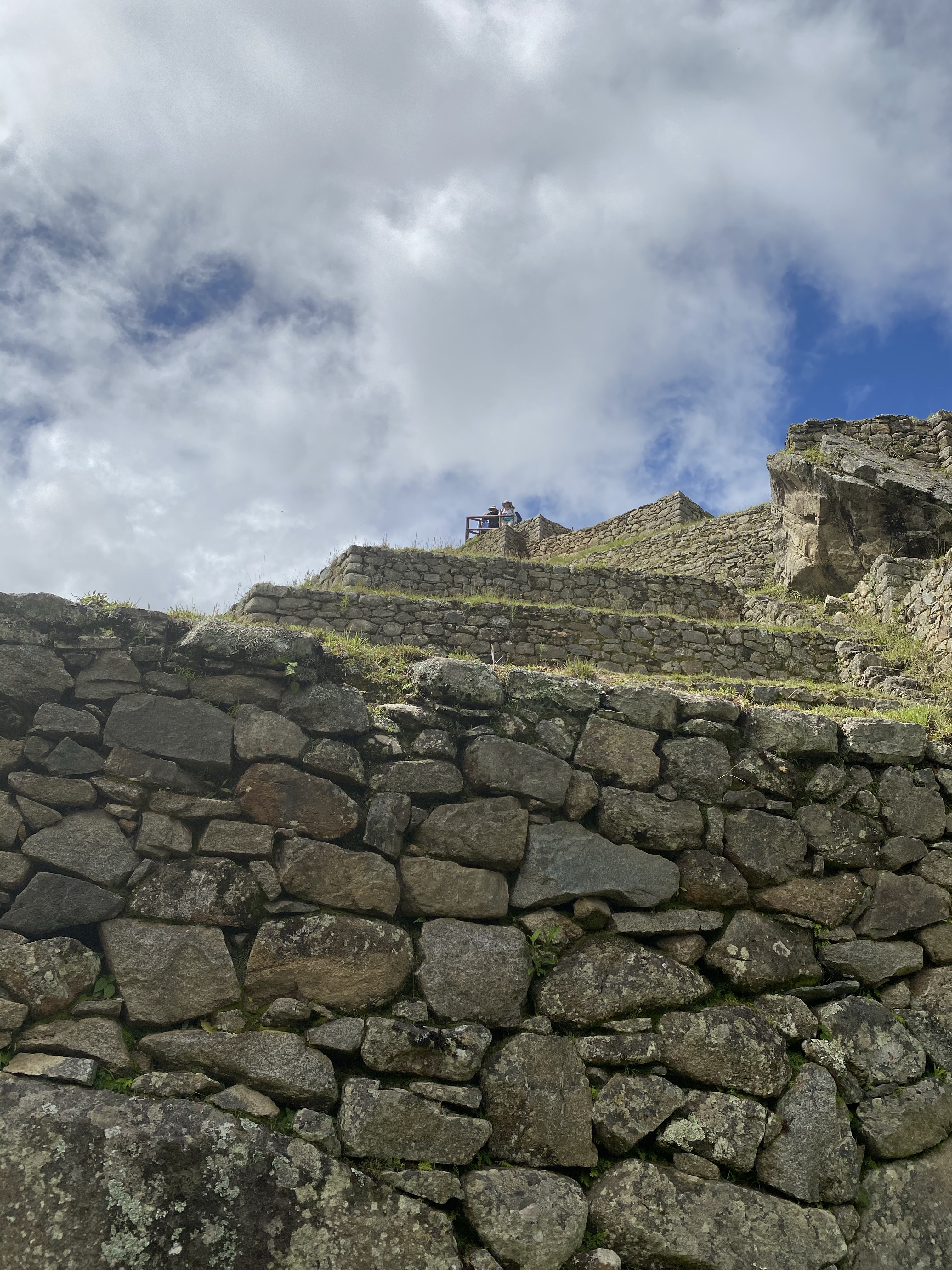
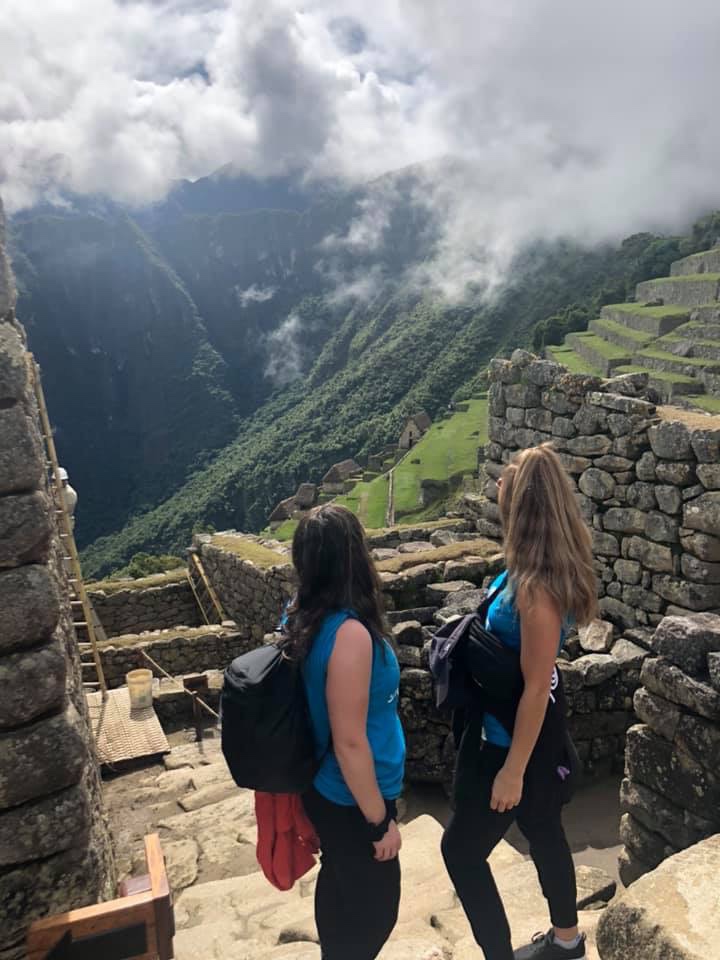
After taking a few breathtaking photos we worked our way up higher on the mountain.
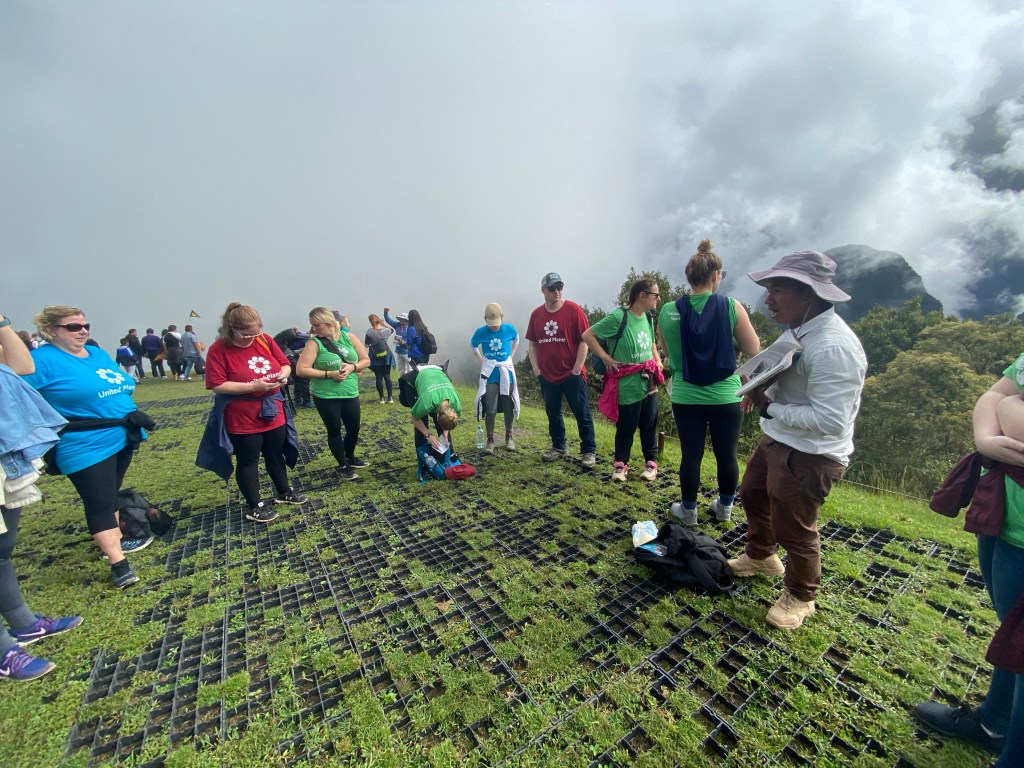
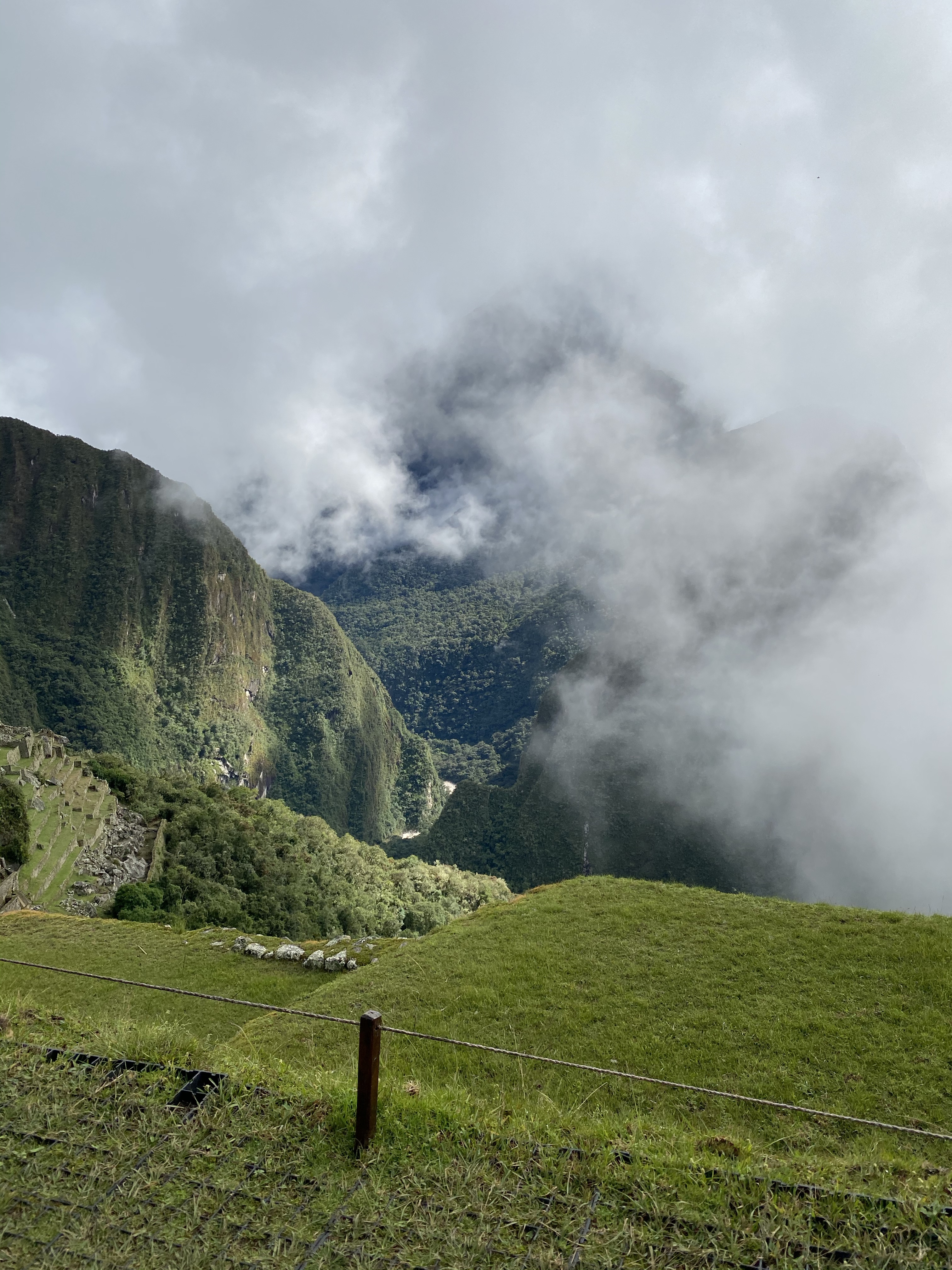
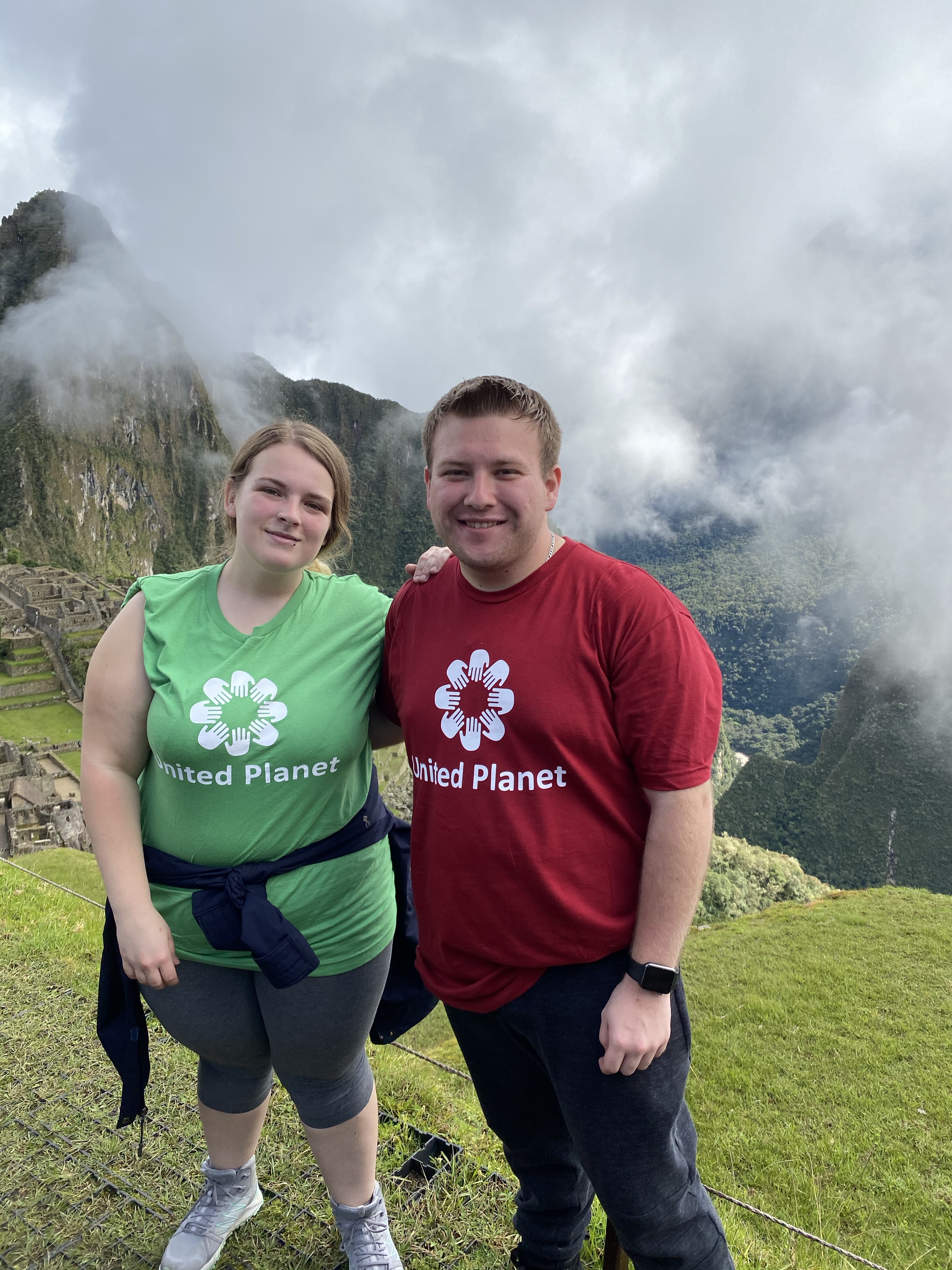
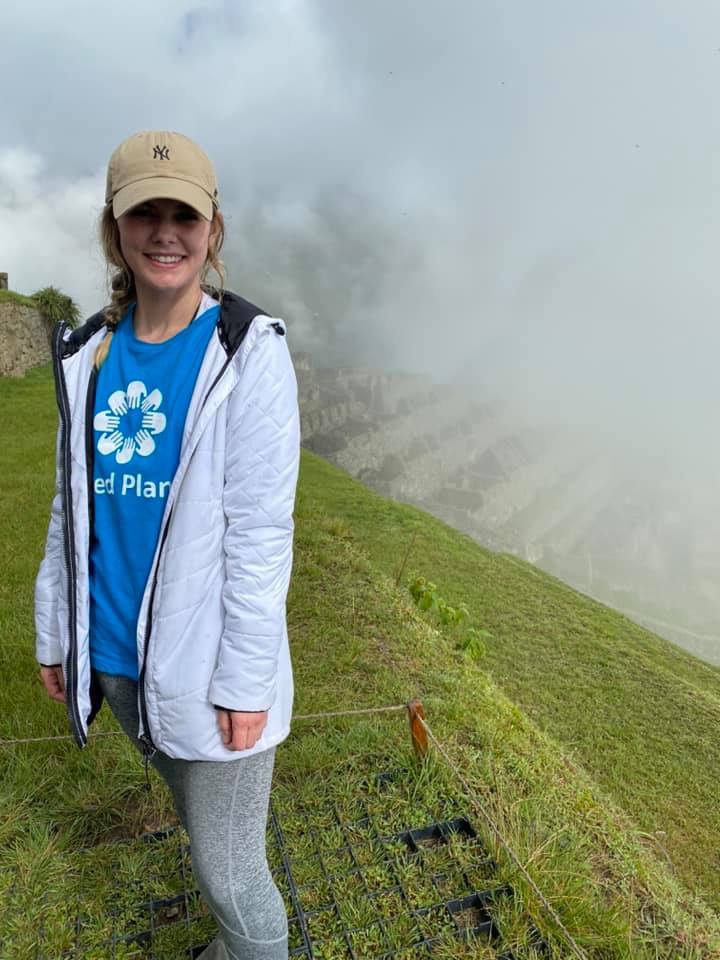
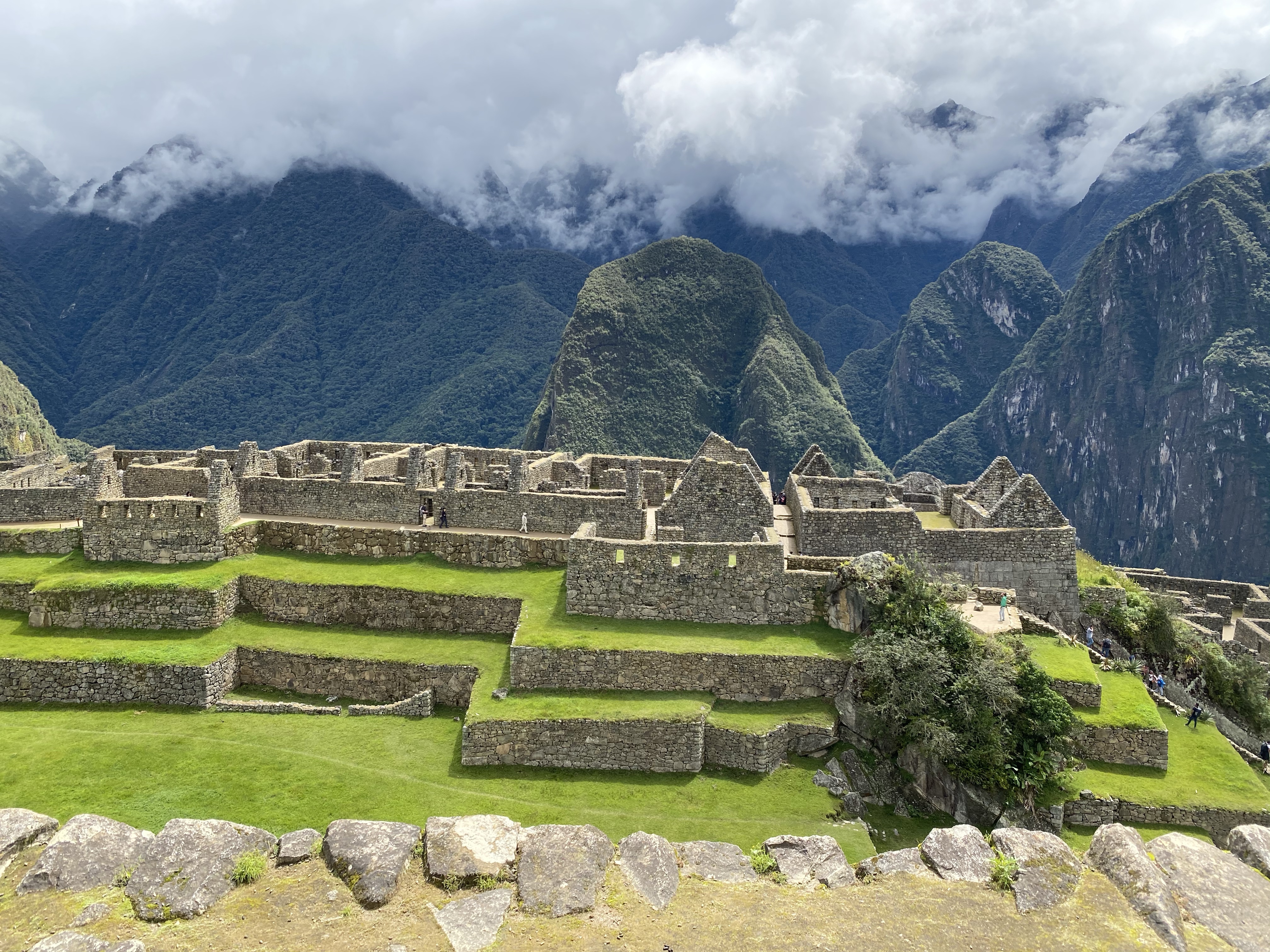
Our tour guide told us that according to carbon dating this city in the clouds (Machu Picchu) was built in the 1440s. In 1939 the Peruvian government started to rebuild and recreate the mountains and city.
It is said that in 1572 the Spanish organized 3 armies to climb the mountain and kill the Inka people.
Knowing that the army was coming, the Inka people took all of the treasure from Machu Picchu to their hidden city which is now known as the “lost city”.
There are many people whom are still looking for the lost Inca city.
The complete hike and original Inca trail to Machu Picchu is a 8-9 day hike -> 44km.
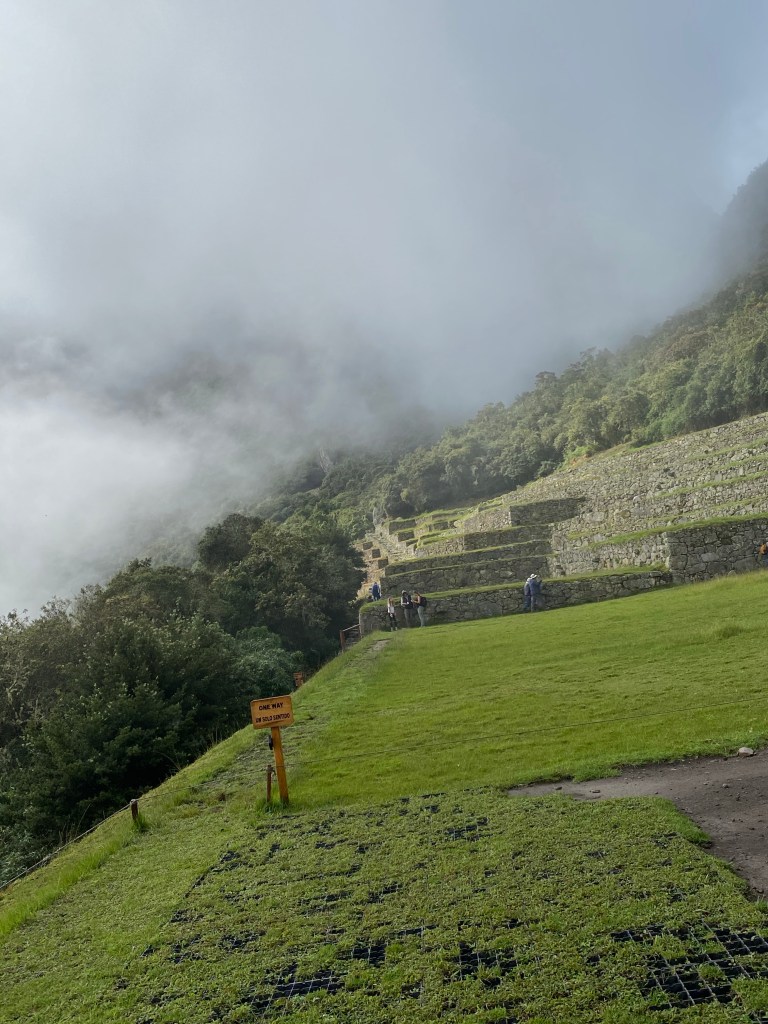
In Machu Picchu and the Inka ruins there were about 500 habitants. All of the habitants were people of importance. People like Teachers, Shamans, professors, doctors, engineers, etc.
All of the farmers lived in the surrounding mountains.
In the city and ruins of Machu Picchu there were cocca plants, fruit, etc. All of the potatoes and quinoa were grown in the mountains where the environment suited them best.
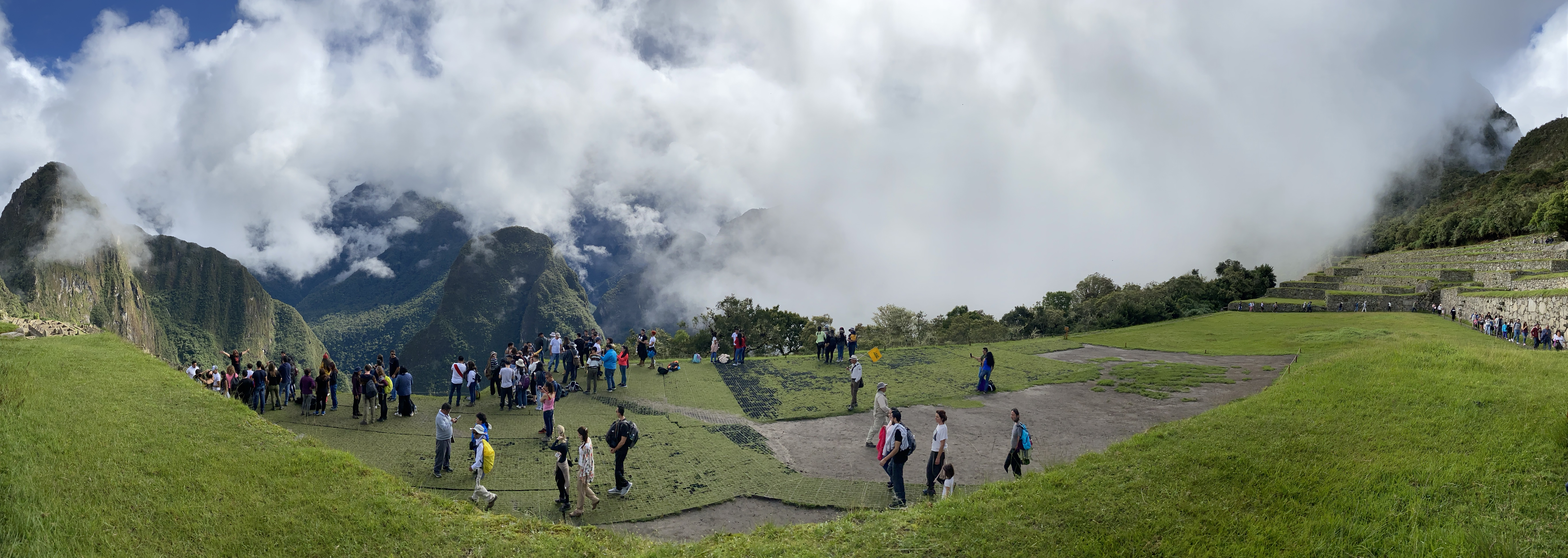
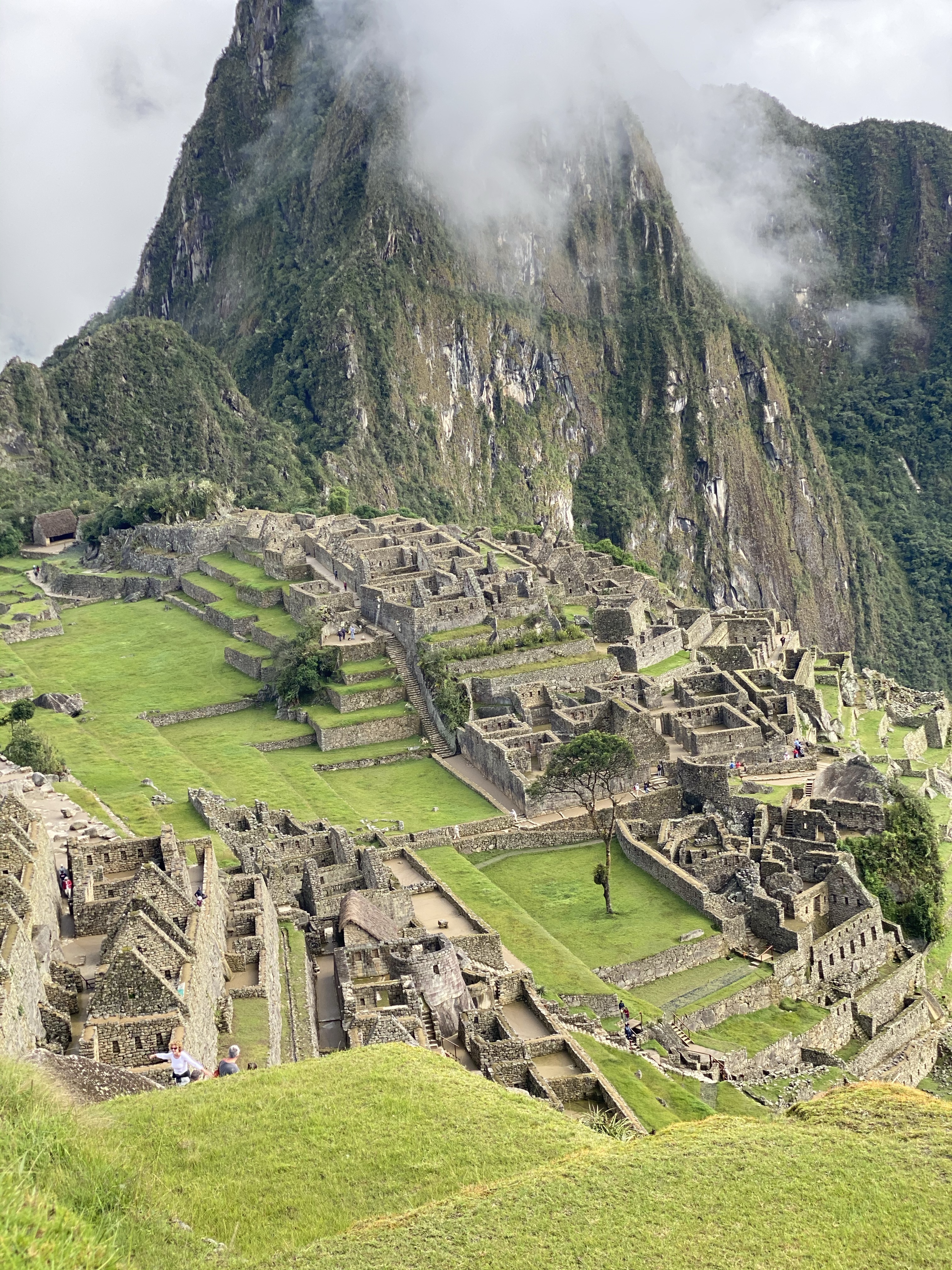
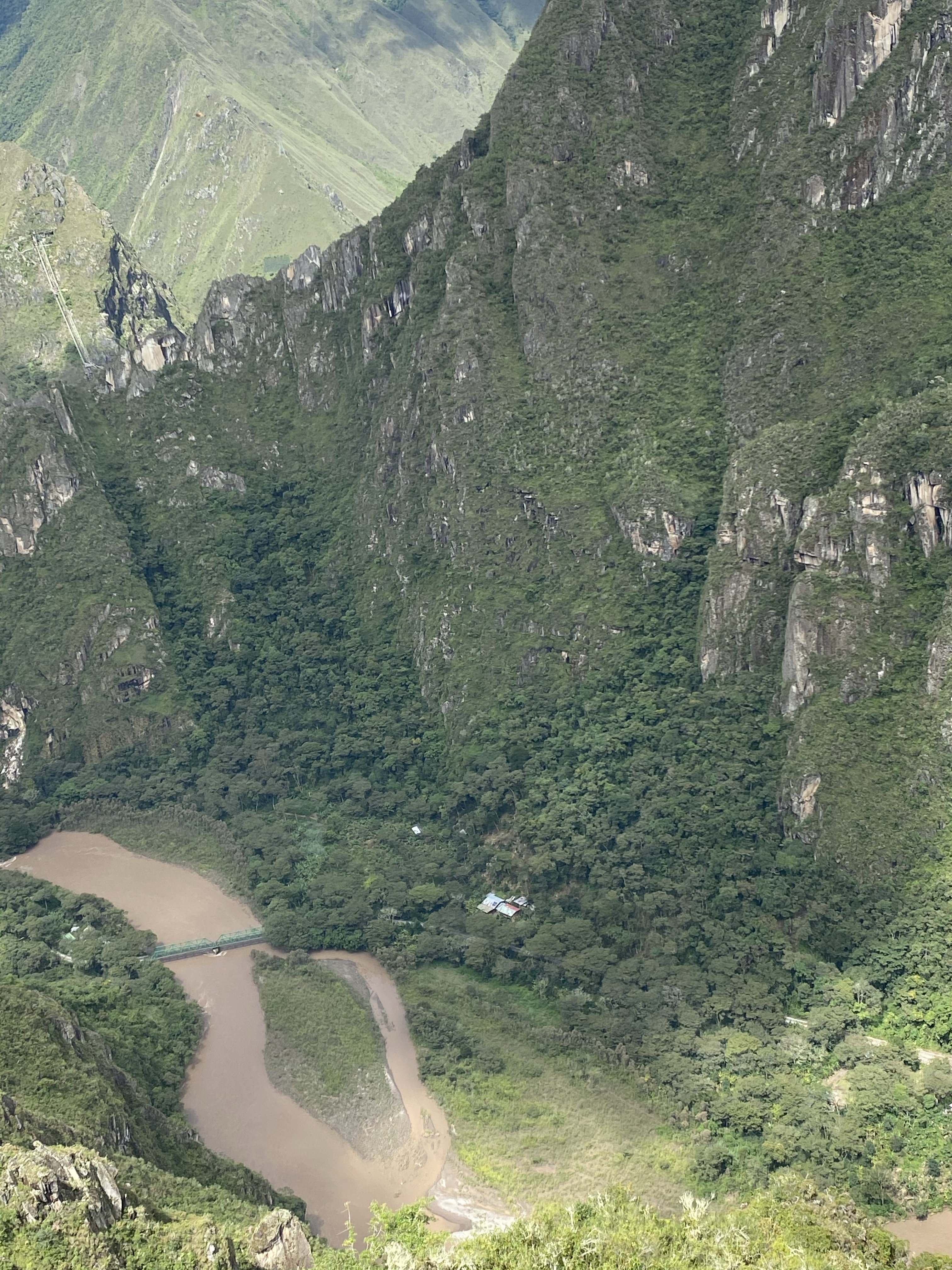
All of the mountains surrounding this area have their own name because they believe each mountain has it’s own spirit. The Peruvians and Inca people place offerings for the mountains periodically.
Machu Picchu- old Mountain
Waynana Picchu- Young Mountain
*See under photos for the history and descriptions*
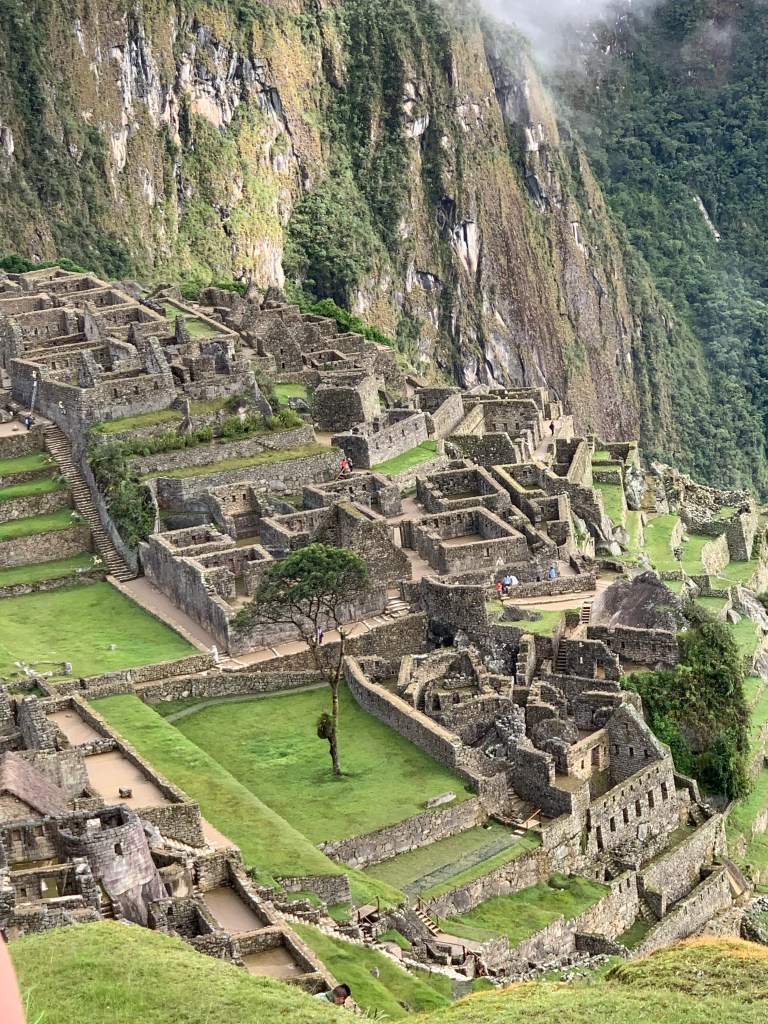
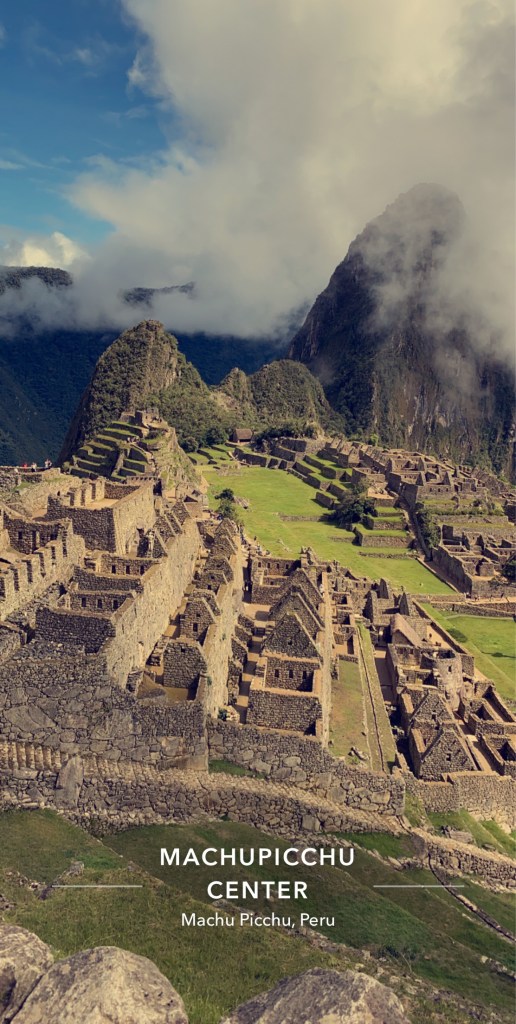
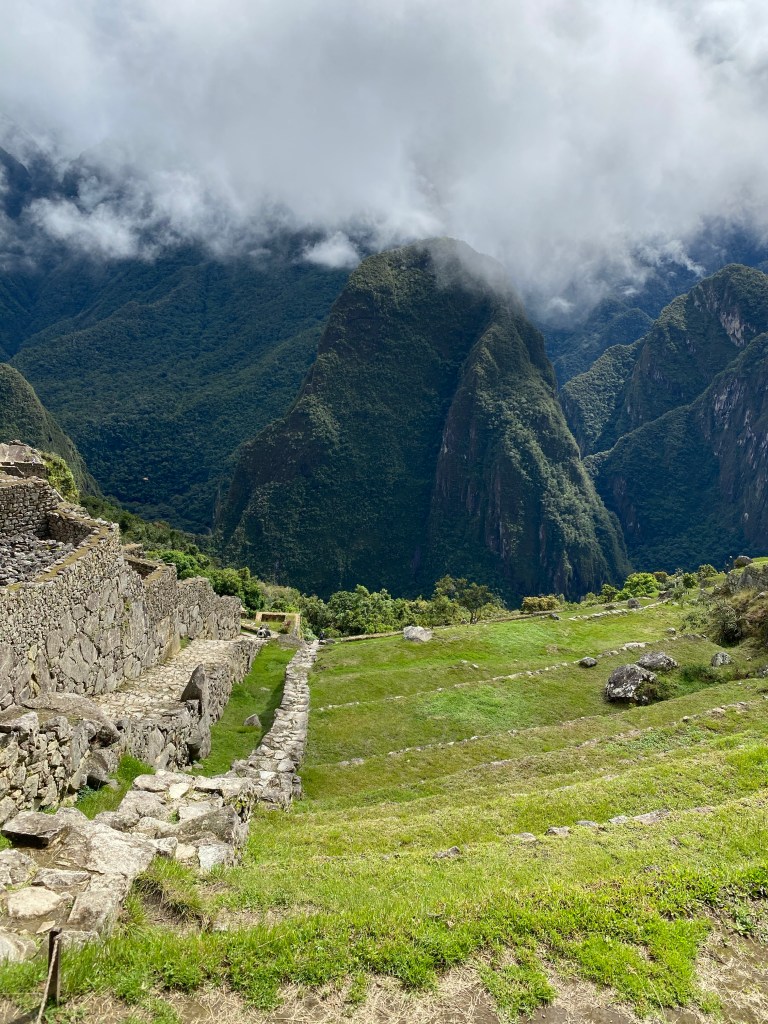
Peru is 60% Amazon Rain Forrest. We learned that in the Peruvian Amazon there are still 15 tribes in isolation. They are secluded from the world, they live off nature and nature alone.
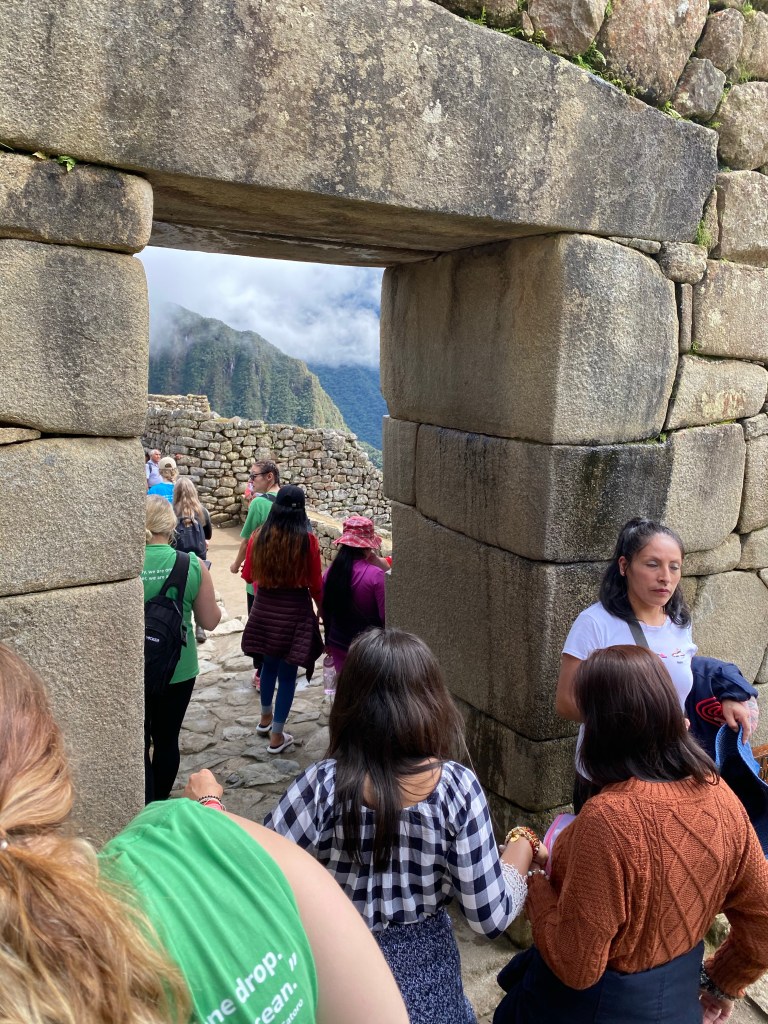
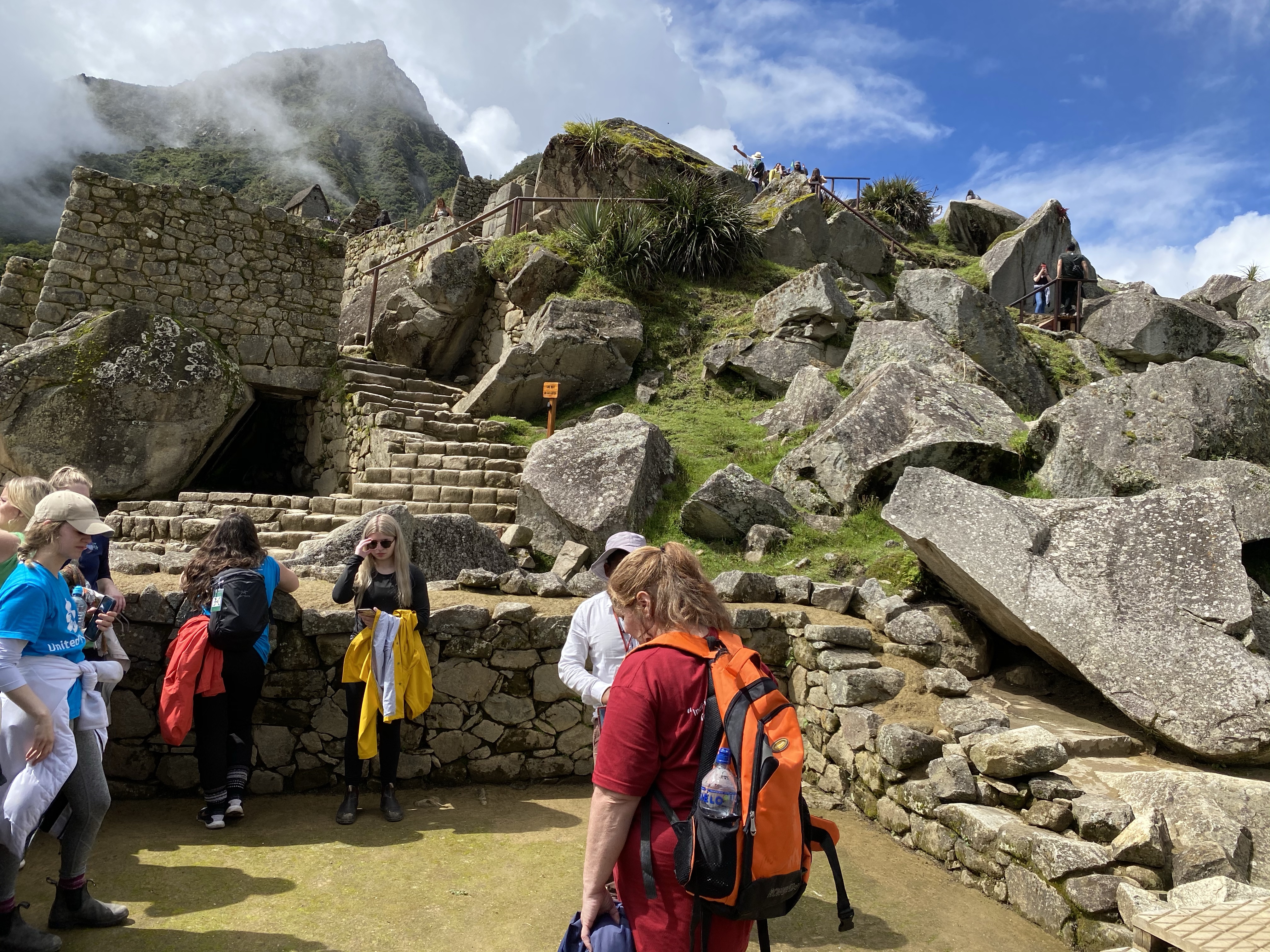
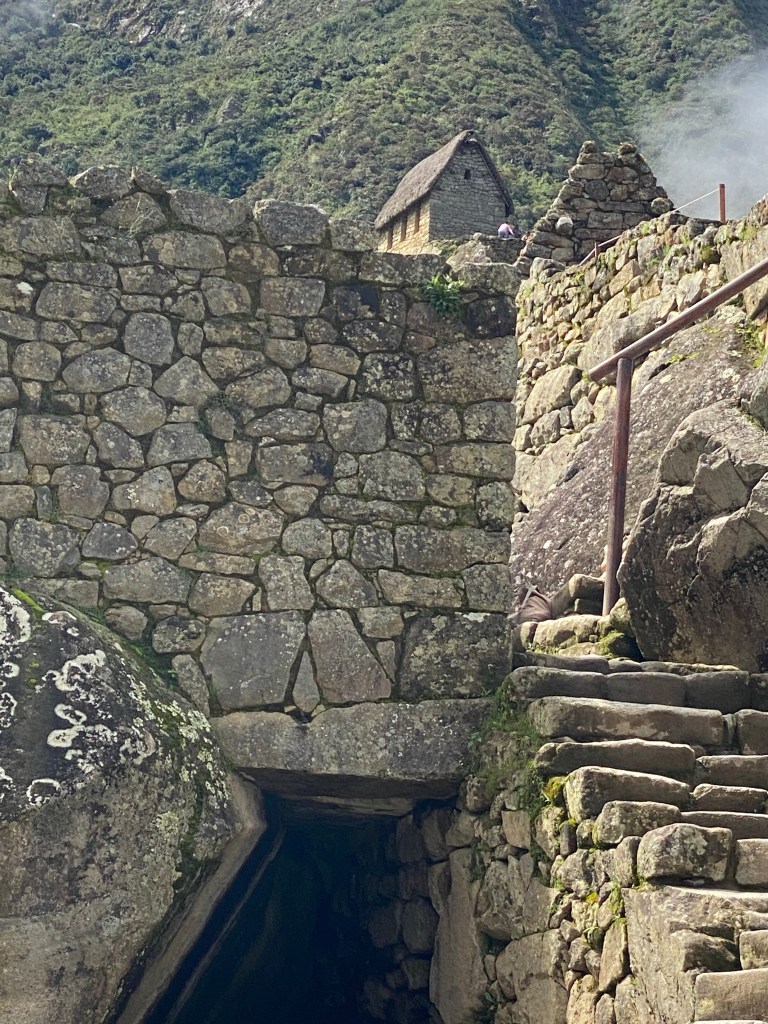
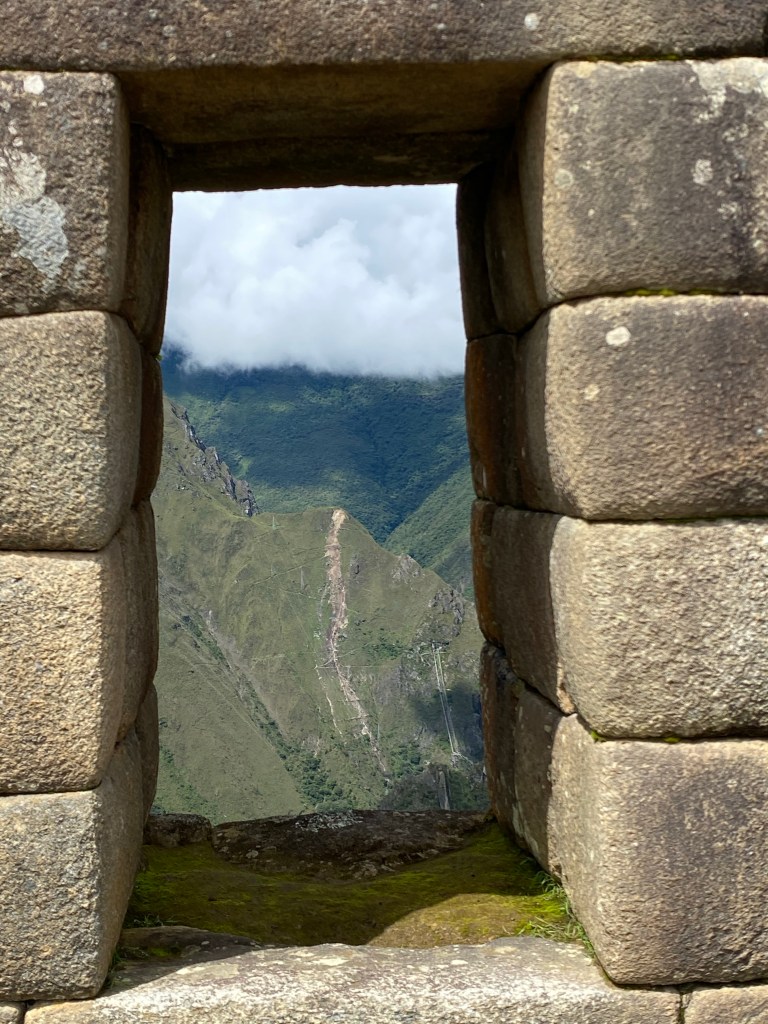
The Peruvians celebrate their solstices with song and dance.
The Inka people used to sacrifice black llamas during a solstice and also to the mountains- as they considered the colour black to represent purity.
Our tour guide explained The importance of the Condor, Puma and Snake in Inca religion and history.
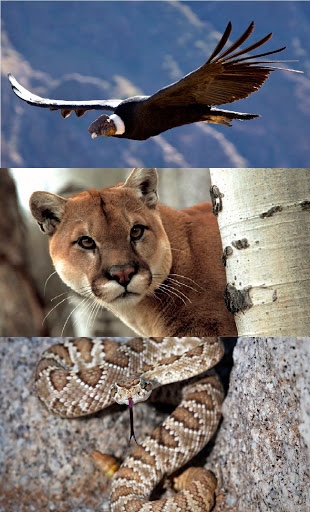
The Incas considered the condor as the most sacred bird. Its large size and ability to travel long distances – from Lima to the Andes, for example – are some of the reasons why the Incas believed it to be the messenger for the heavens.
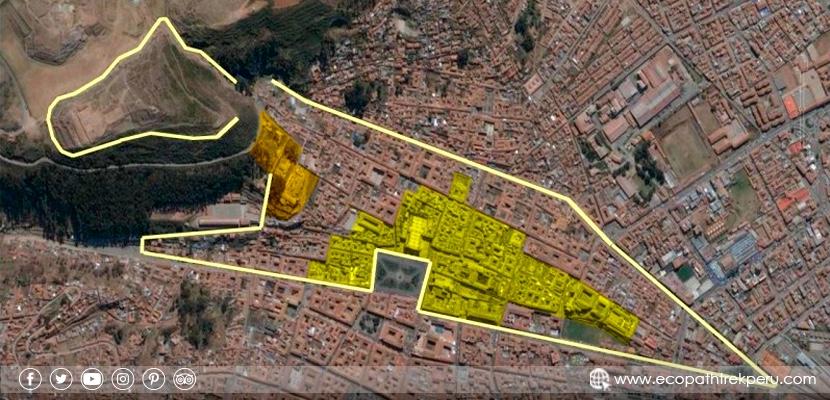
The puma was the symbol of power and strength and was also the symbol of life on Earth. It was important to show qualities of the puma in this lifetime, as it was considered the greatest predator. Because of this, the Incas designed Cusco in the shape of a puma.
The snake represents the underworld, which, in Inca Traditions , has different meanings than Christianity. Rather than representing hell or being a sign of eternal punishment and temptations, the snake represented the beginning of new life. In the Inca Mythology , the snake is also believed to represent wisdom and knowledge.
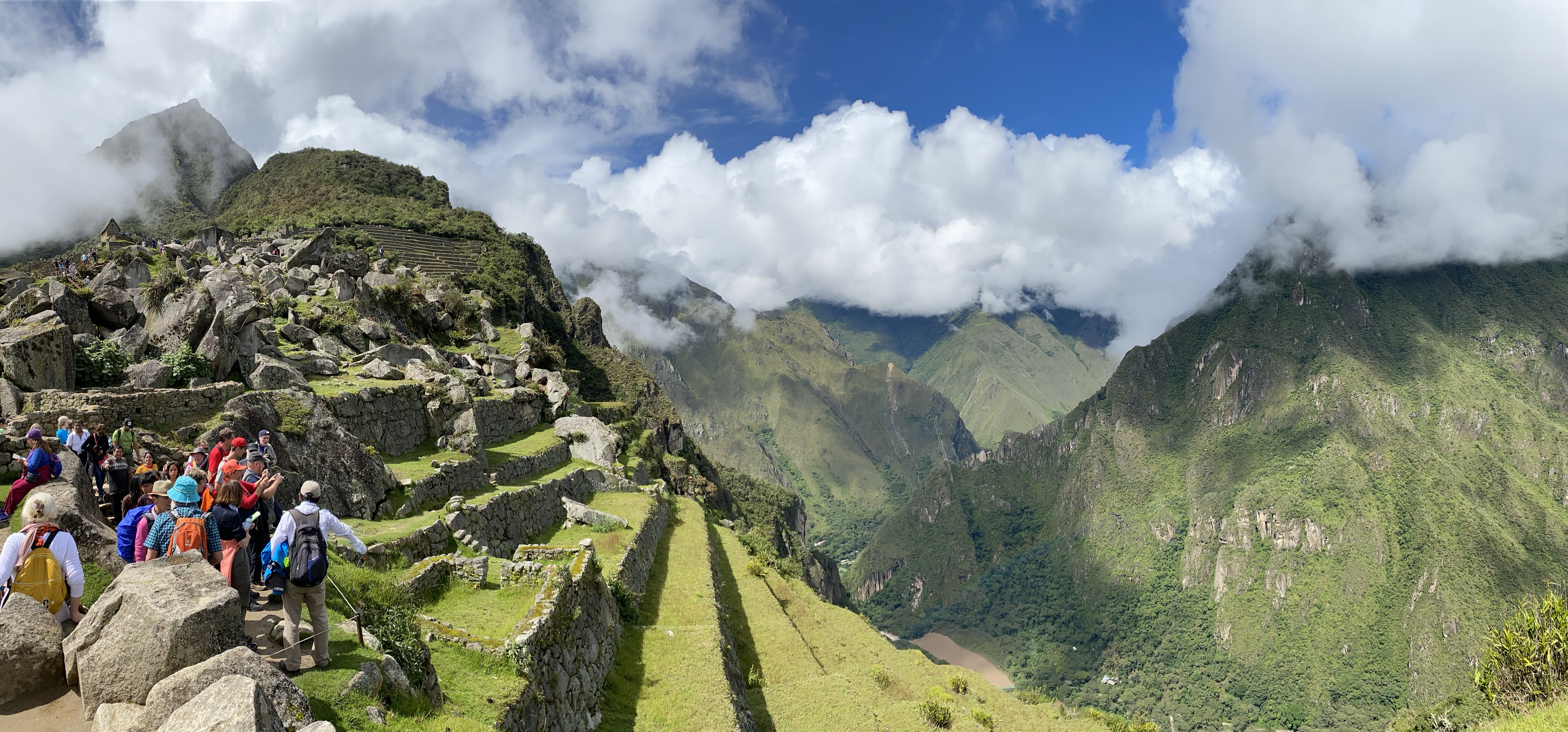
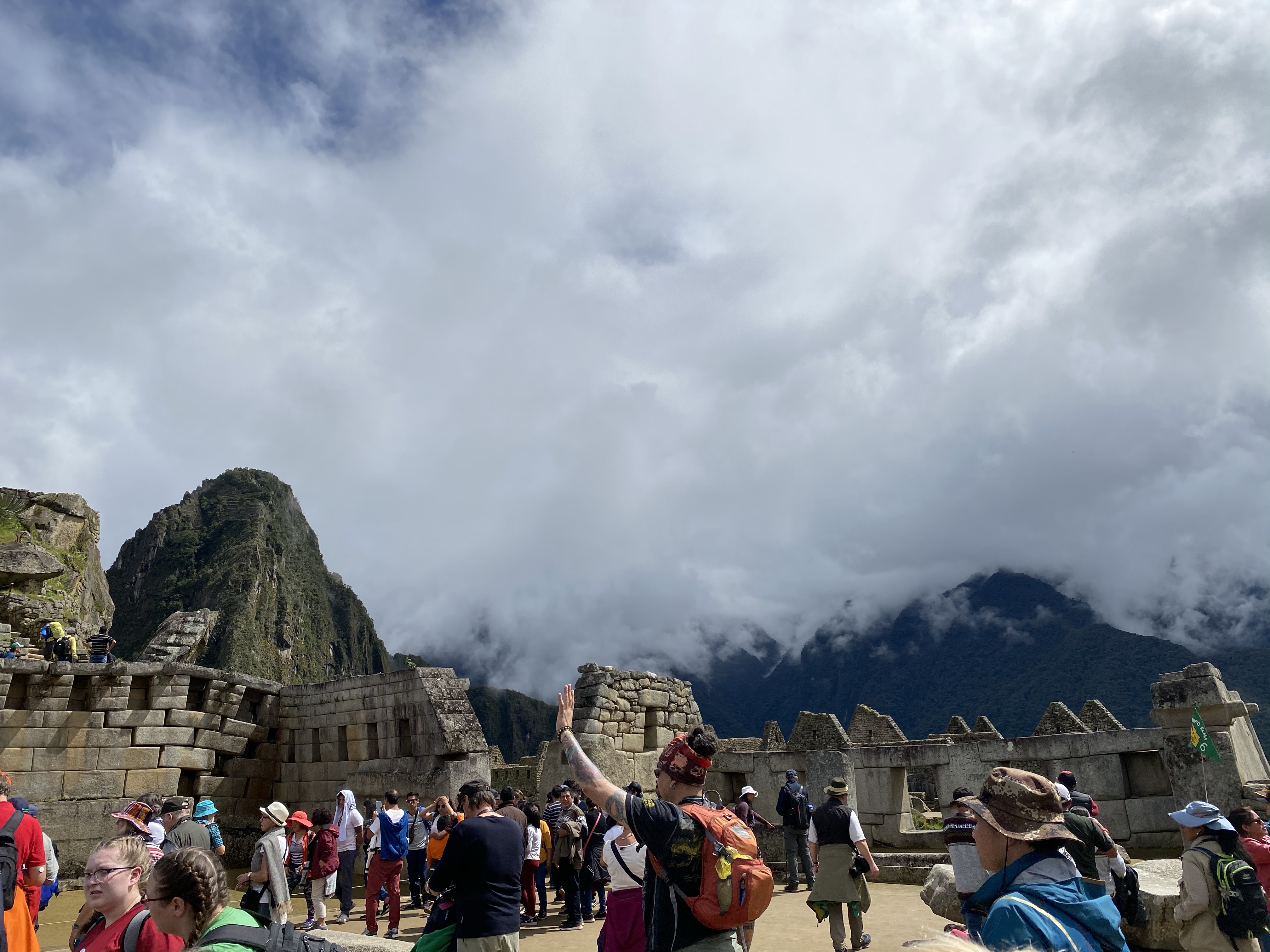
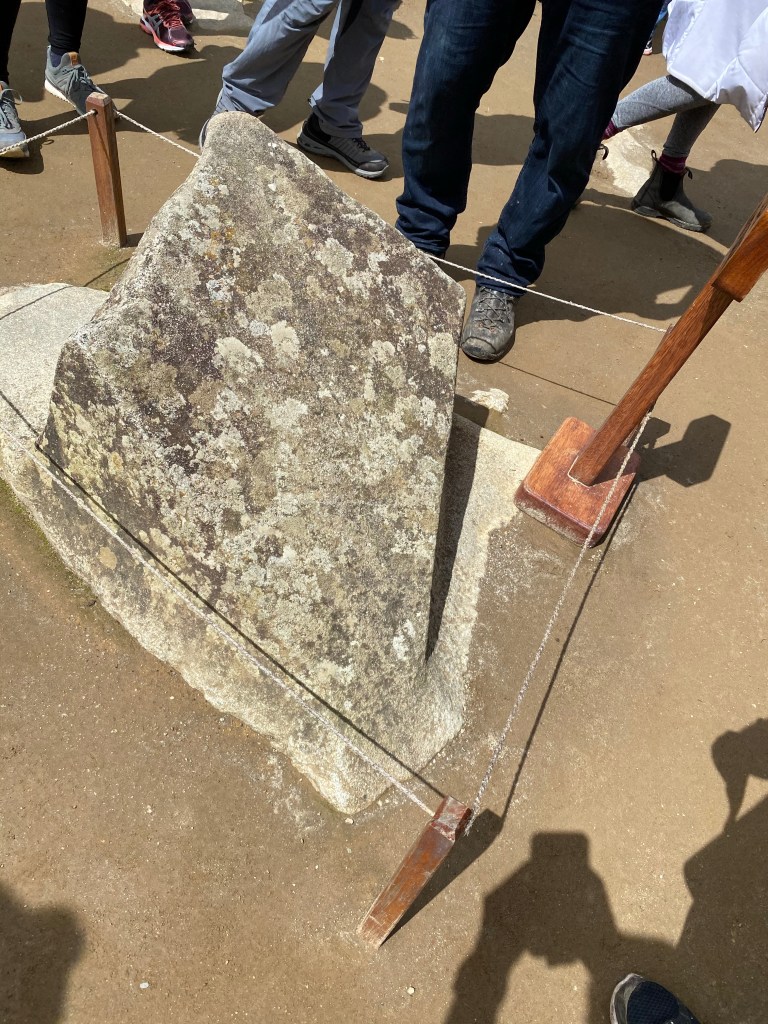
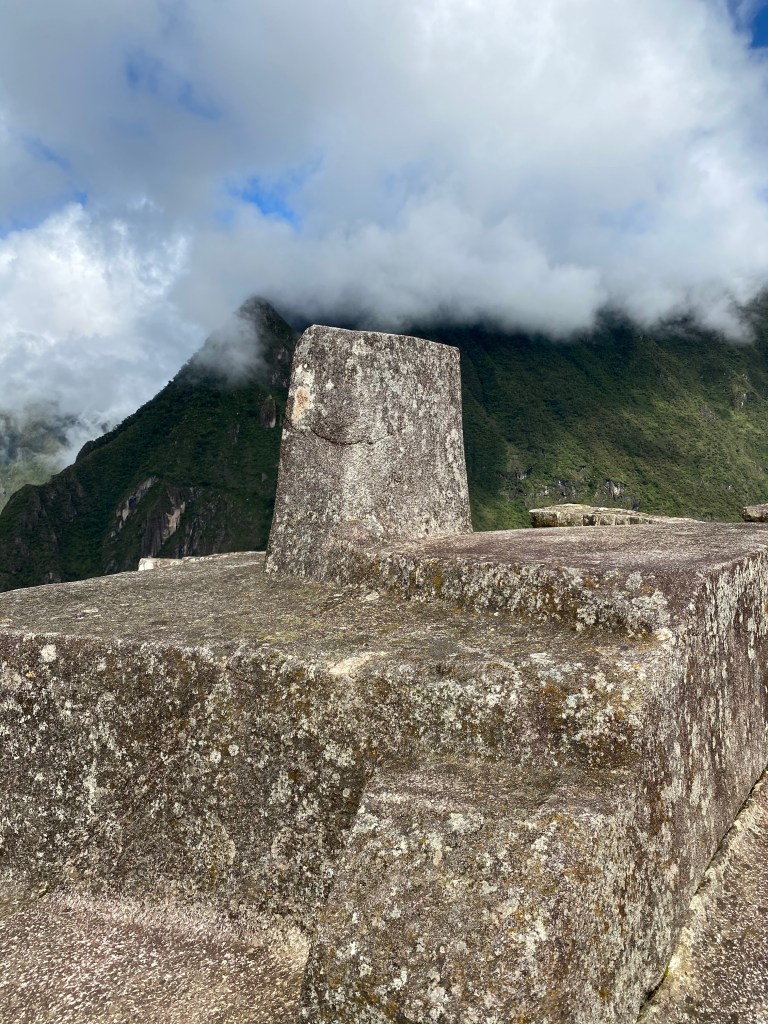
The top point- points to the South,
Bottom point to the North
Left point- is east
Right point- is west
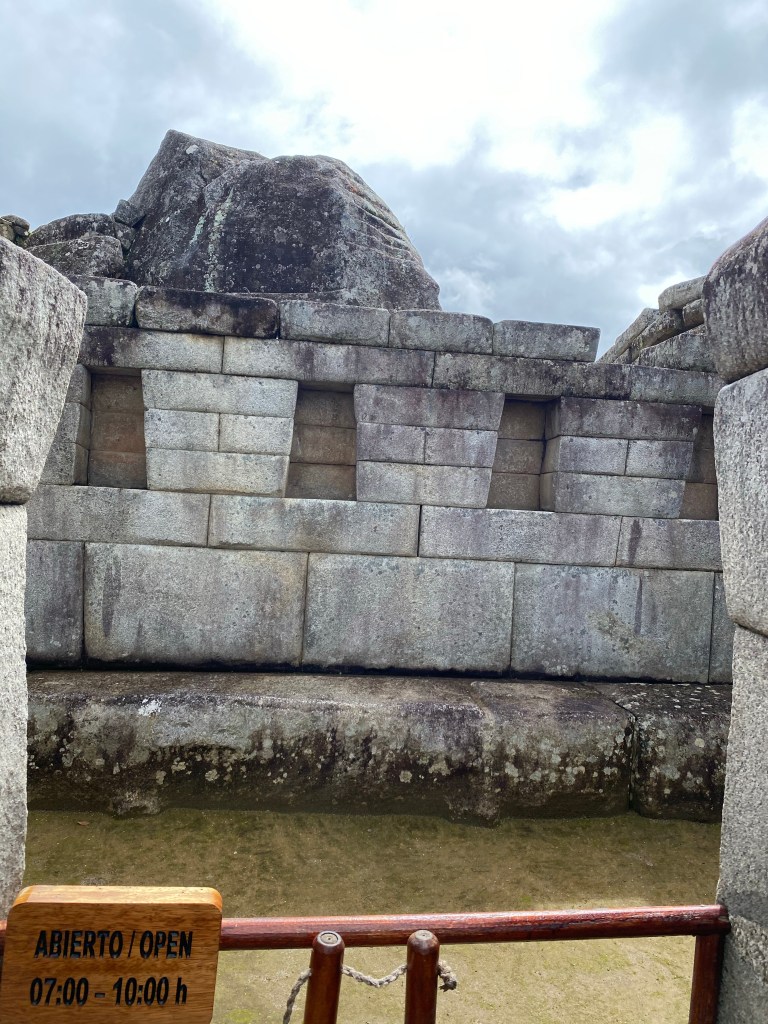
There were signs put up around the ruins saying do not touch the rocks/walls. The reason for these signs is that they want to preserve the ruins but also they believe that when you touch a rock- you touch good energy. They want to save that good energy.
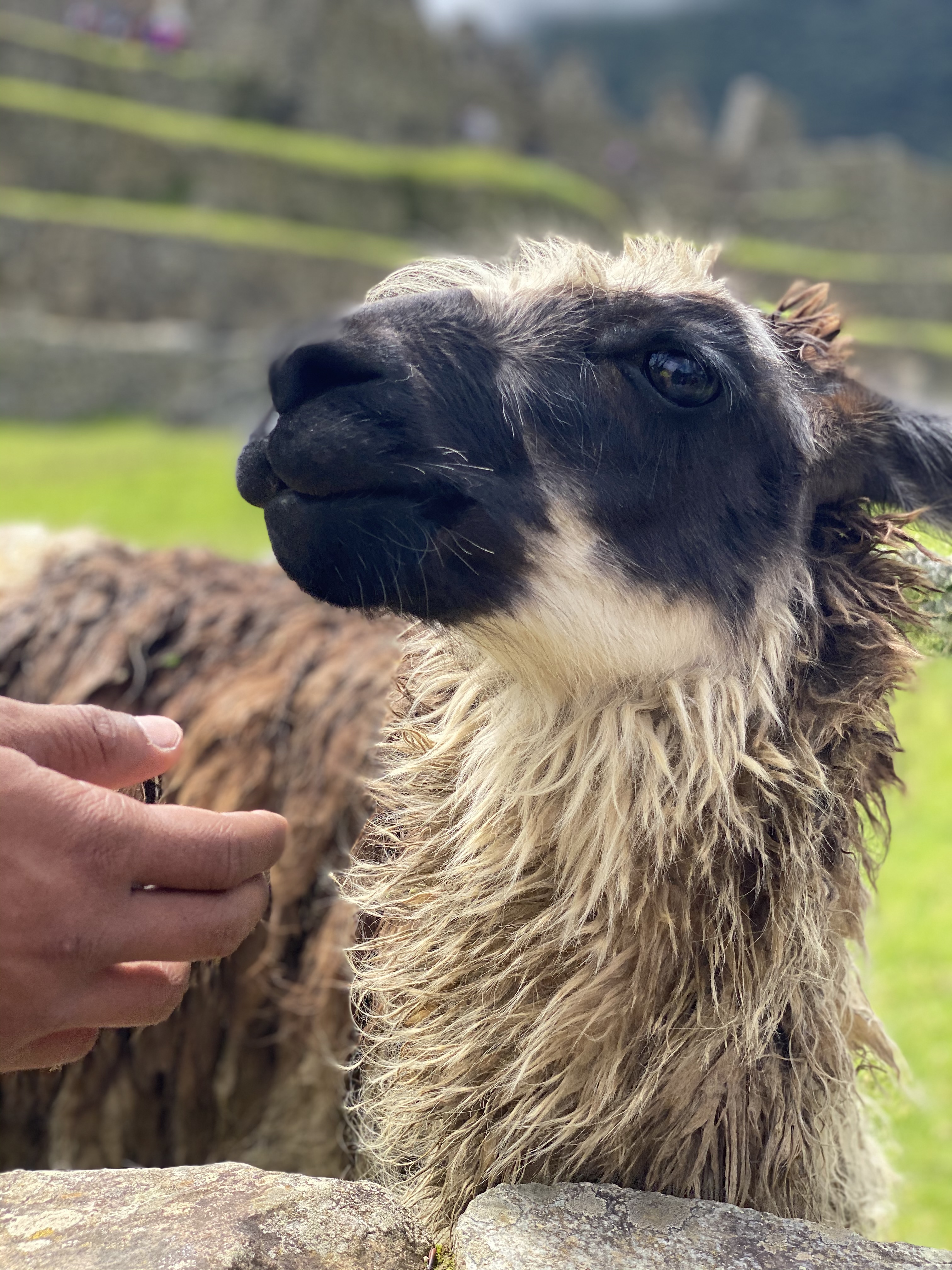
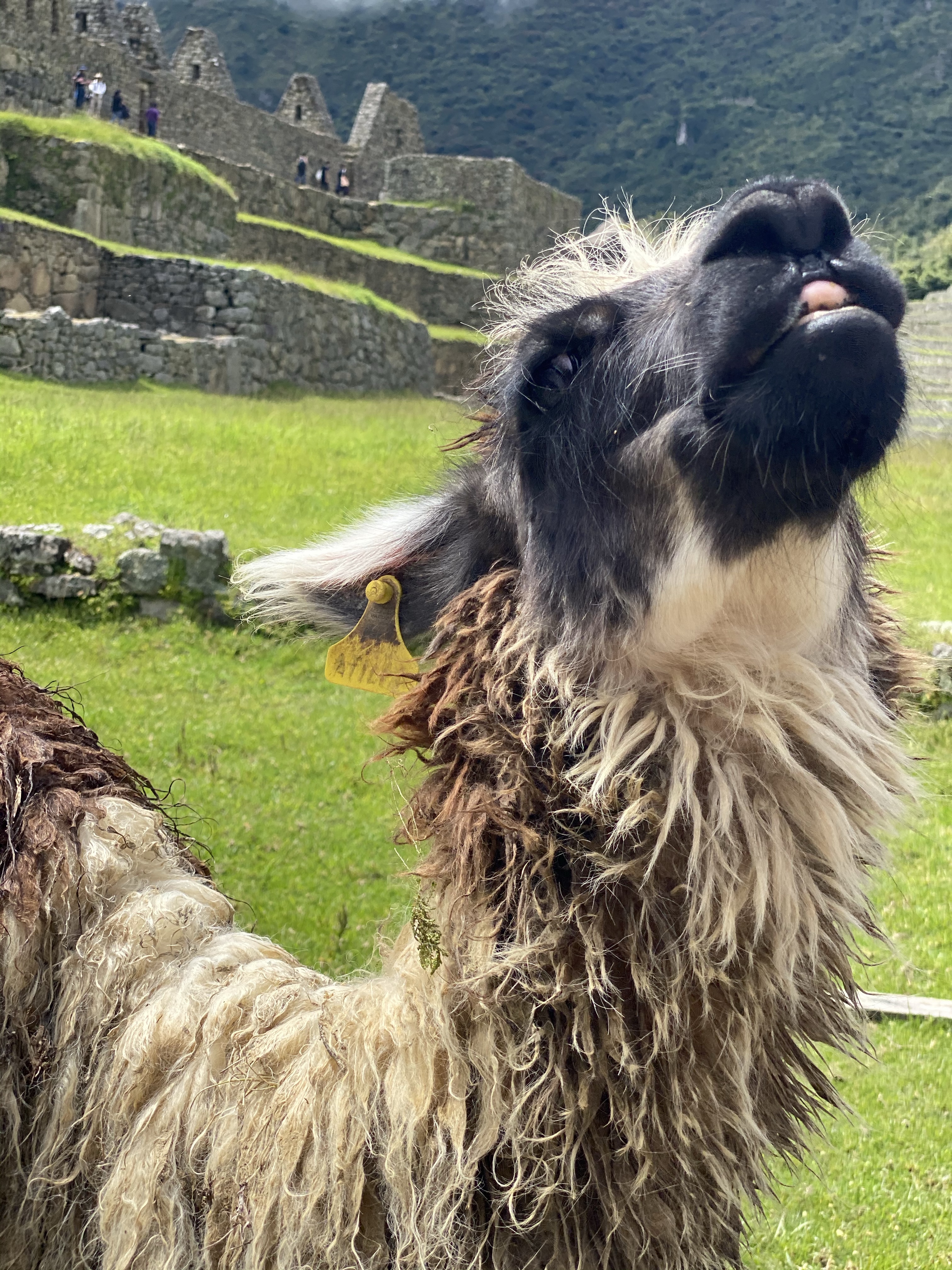
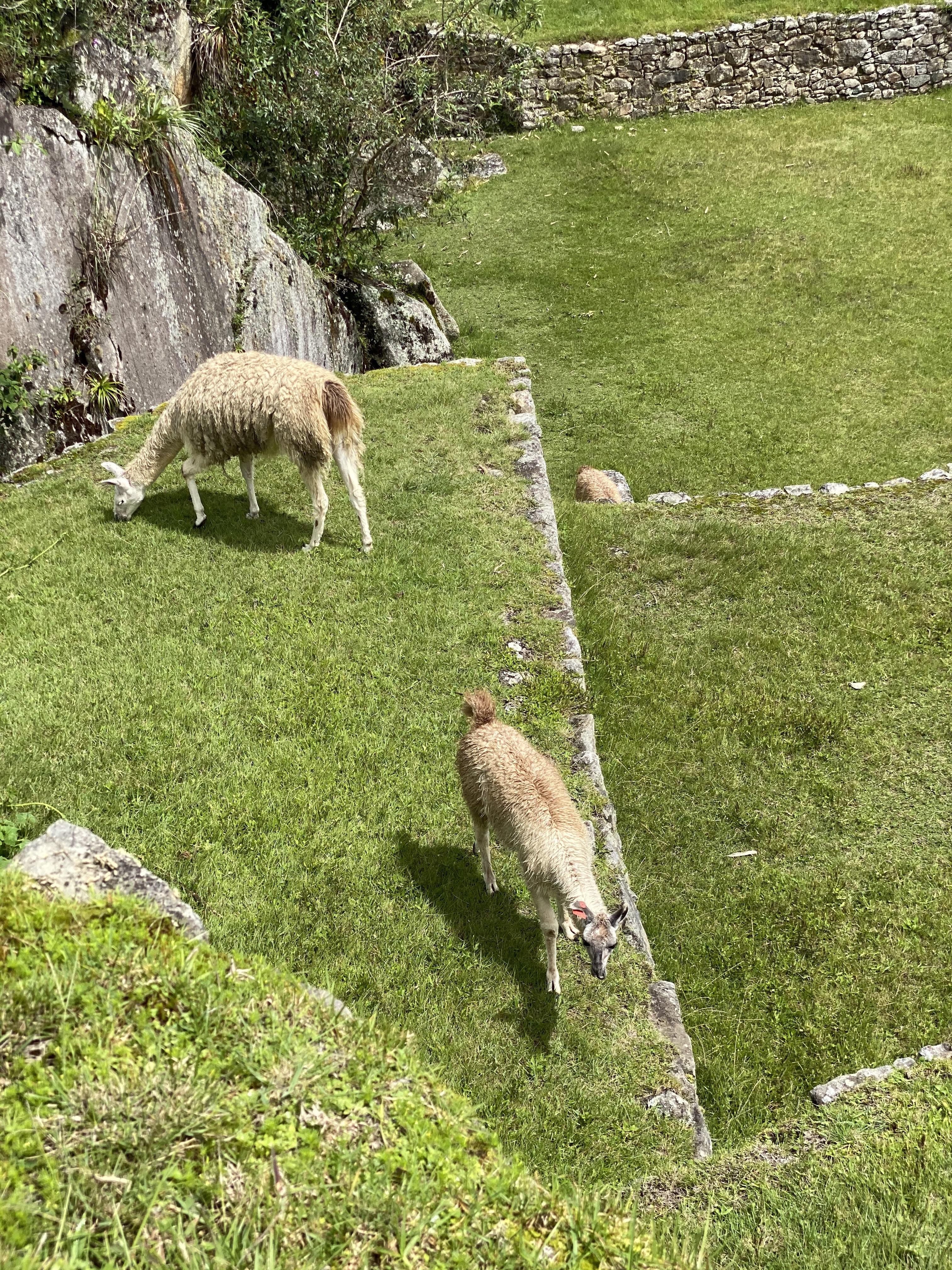
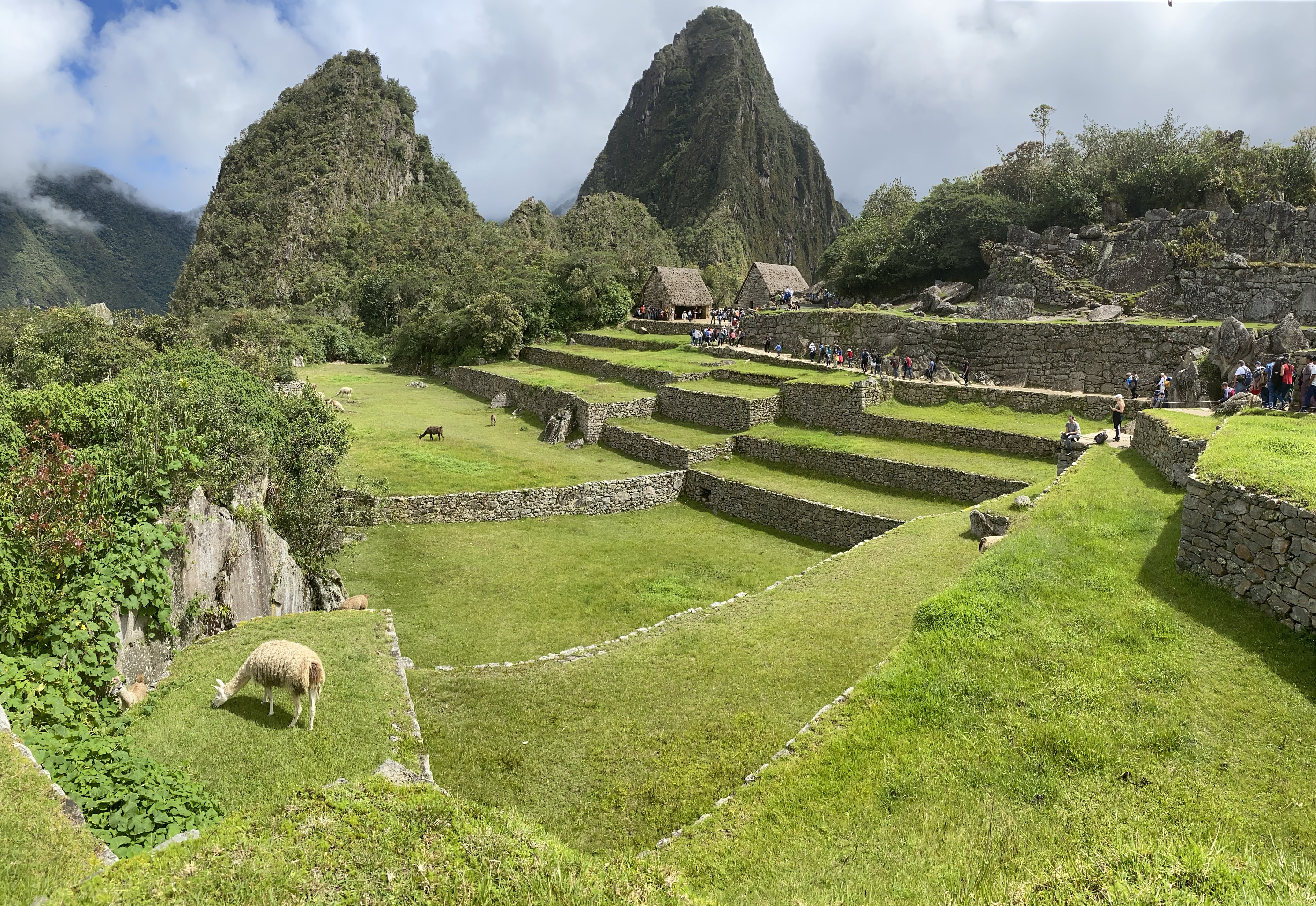
Llamas eat a wide variety of food but some of their favourites are bananas and apples.
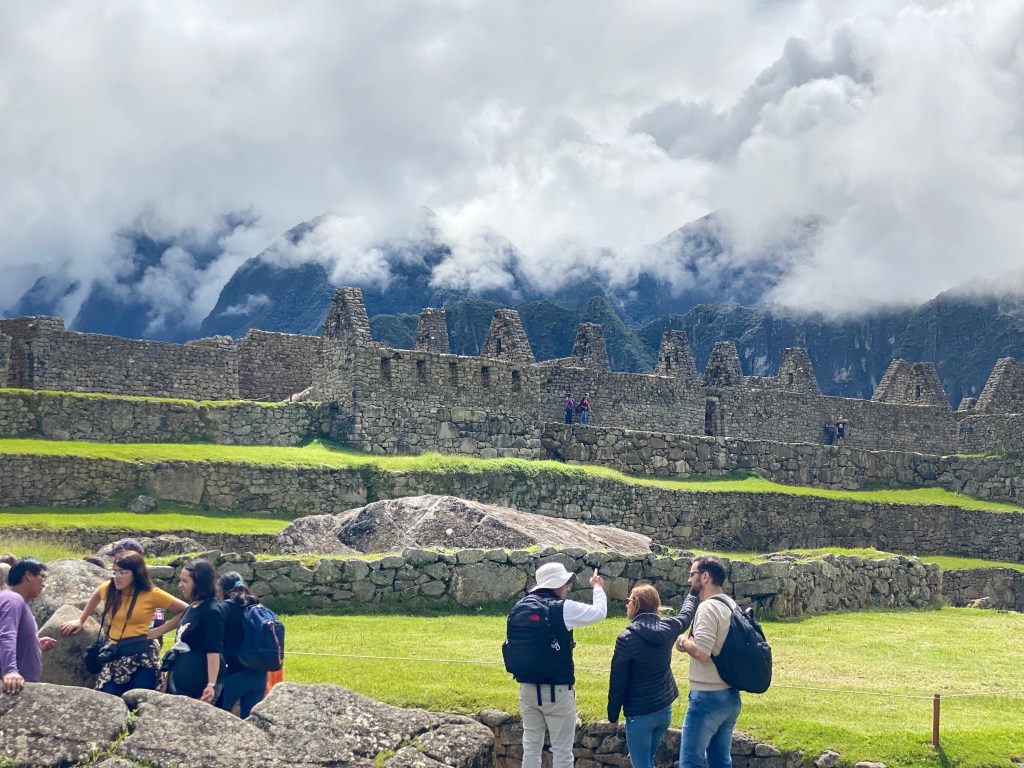
After seeing them llamas we then made our way to the area of Machu Picchu where the Incas communicated by echo. They hosted dances and songs here with beautiful Acoustics.
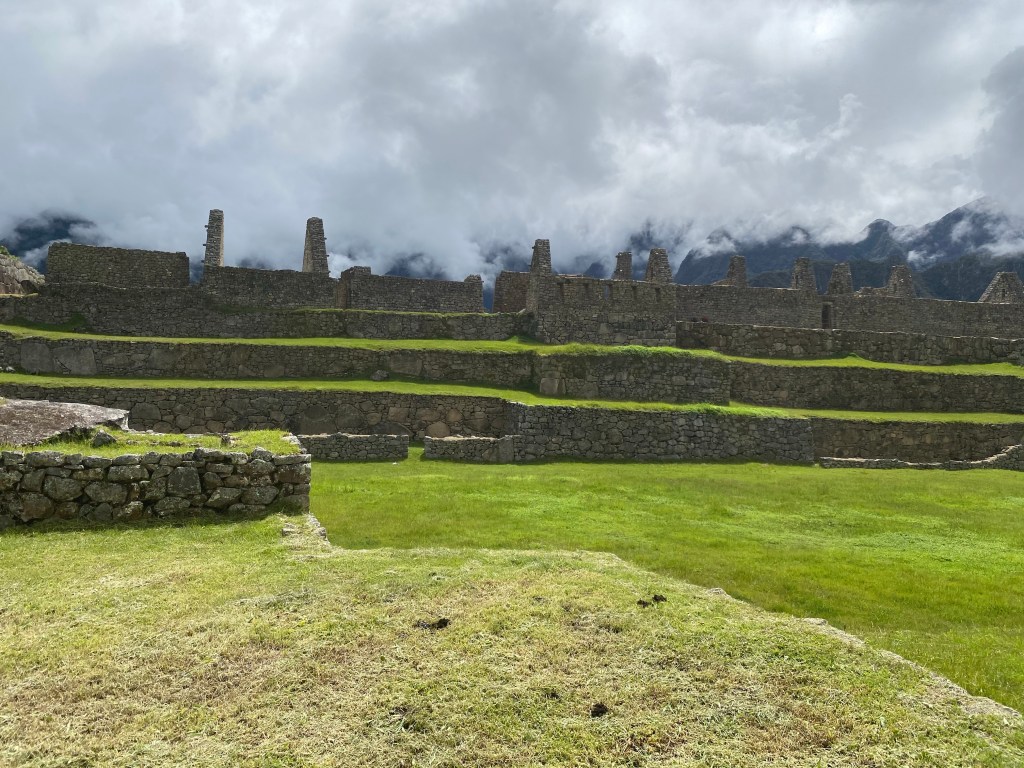
This echo valley was one of our last stops with the tour guide on Machu Picchu.
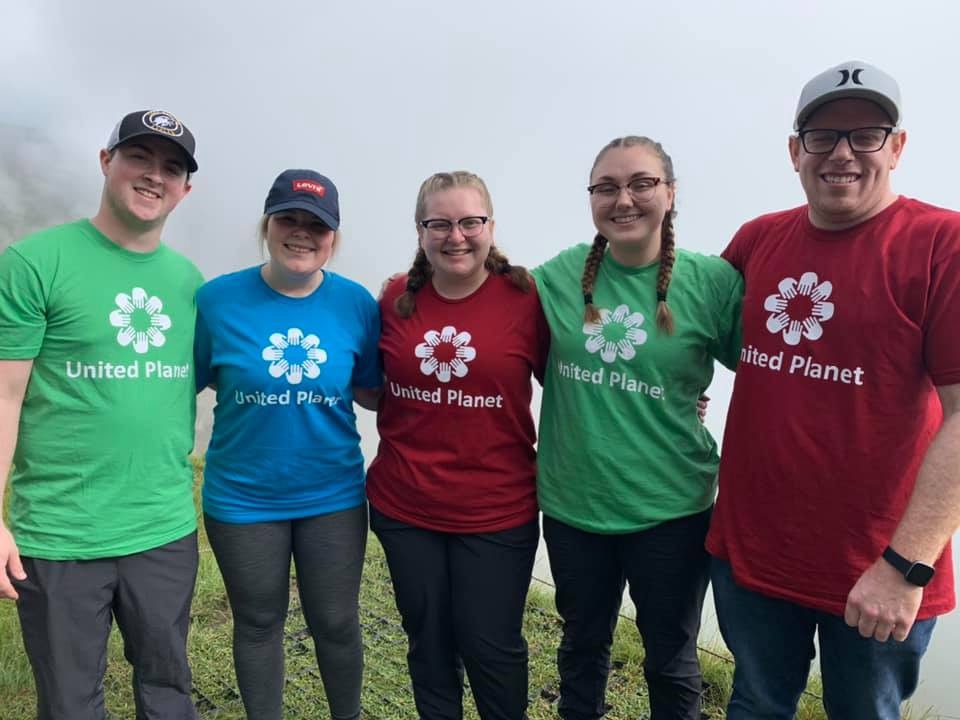
Here are some pictures of us enjoying the amazing view and culture:
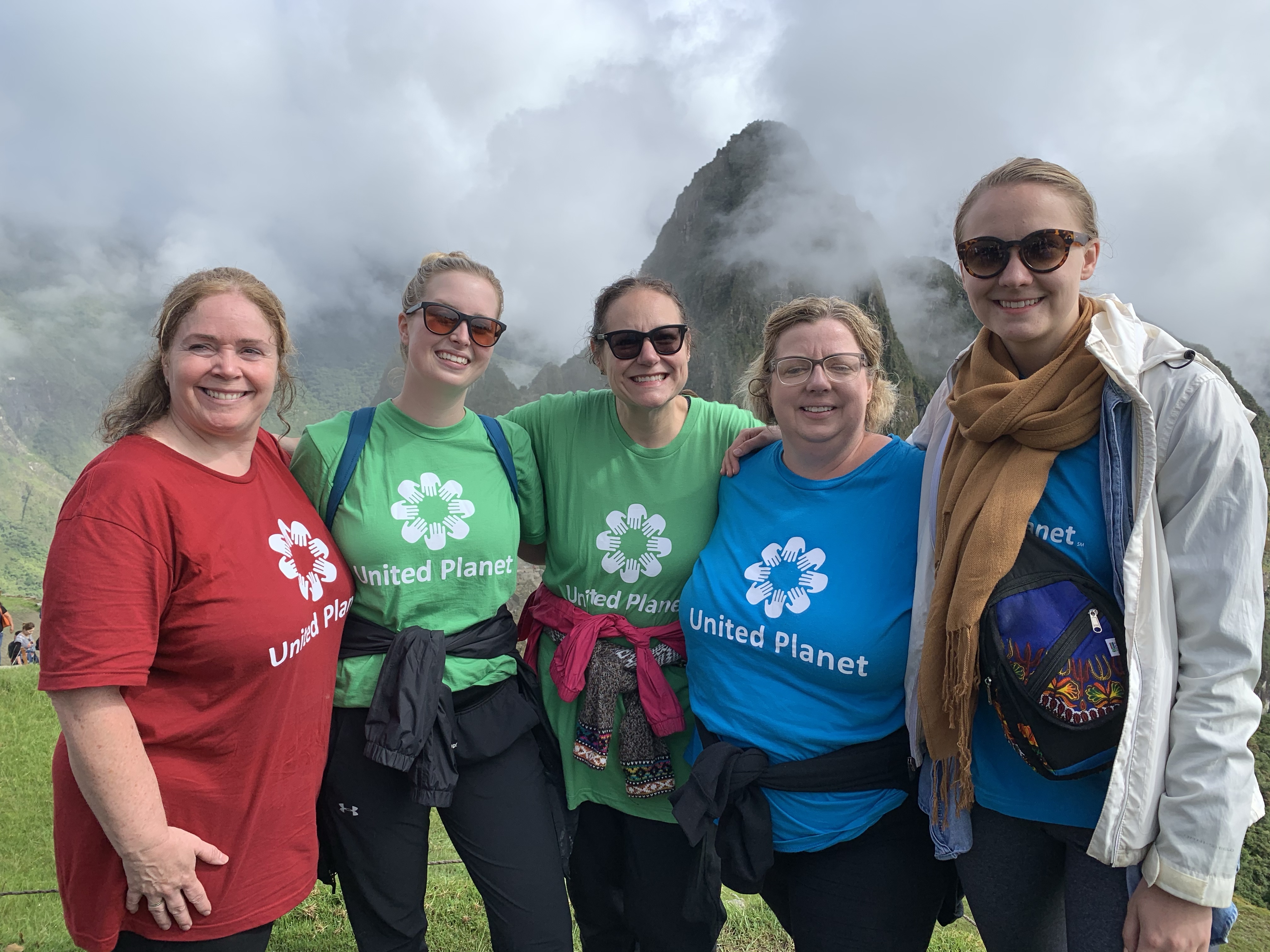
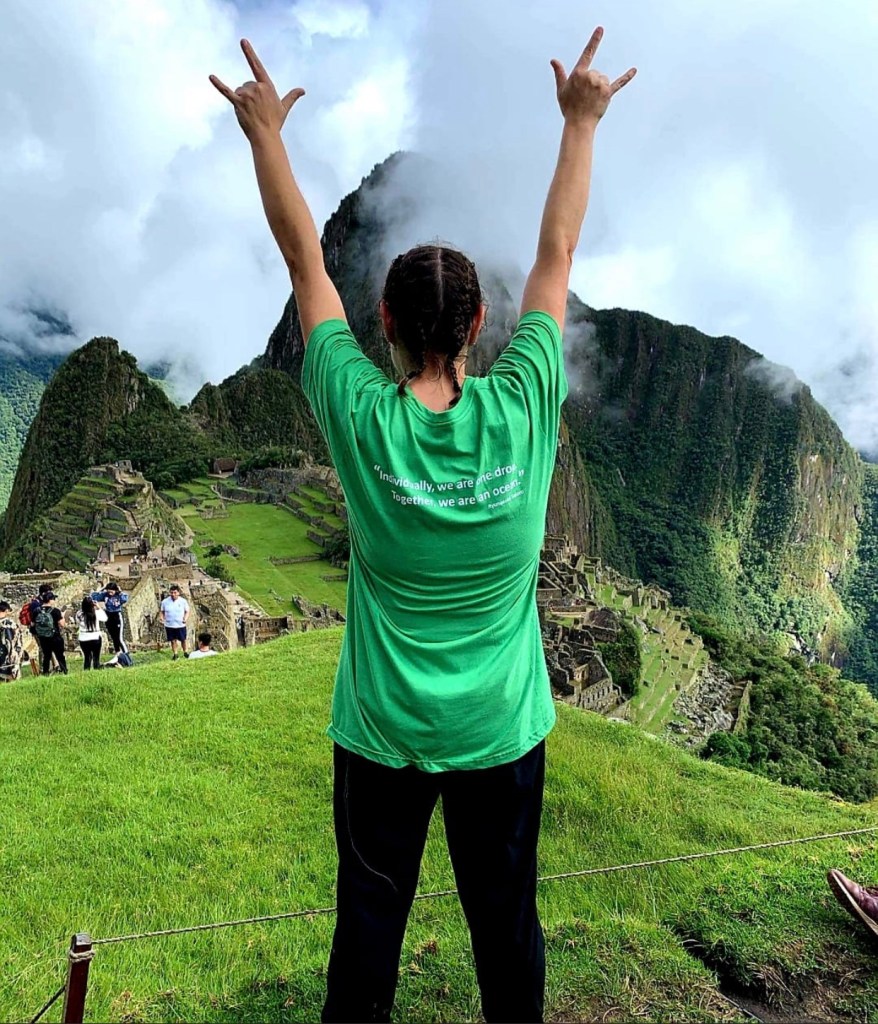
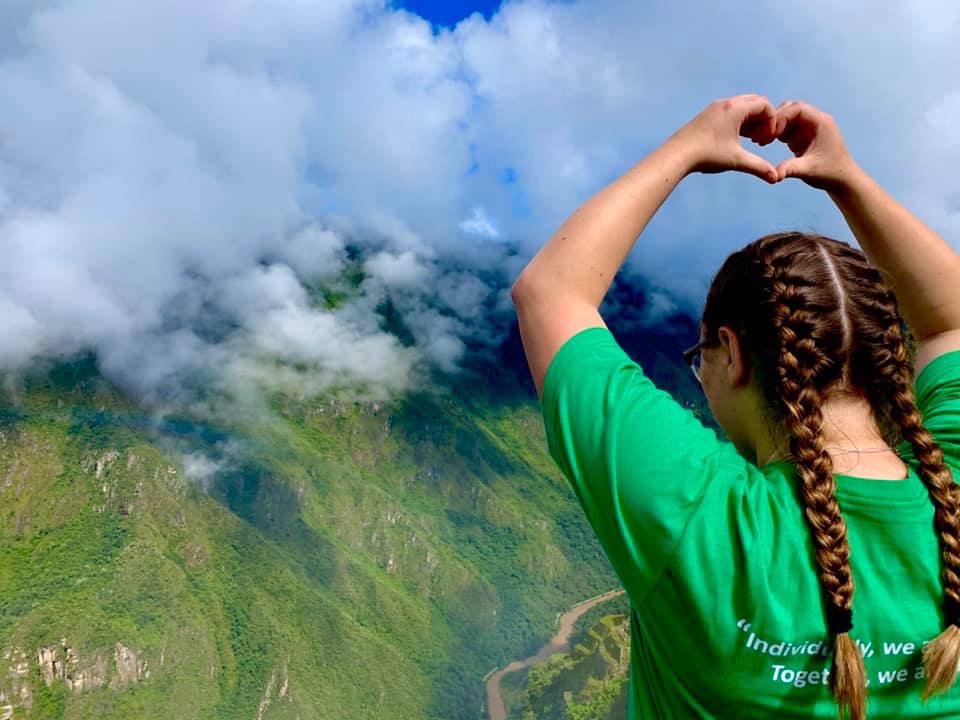
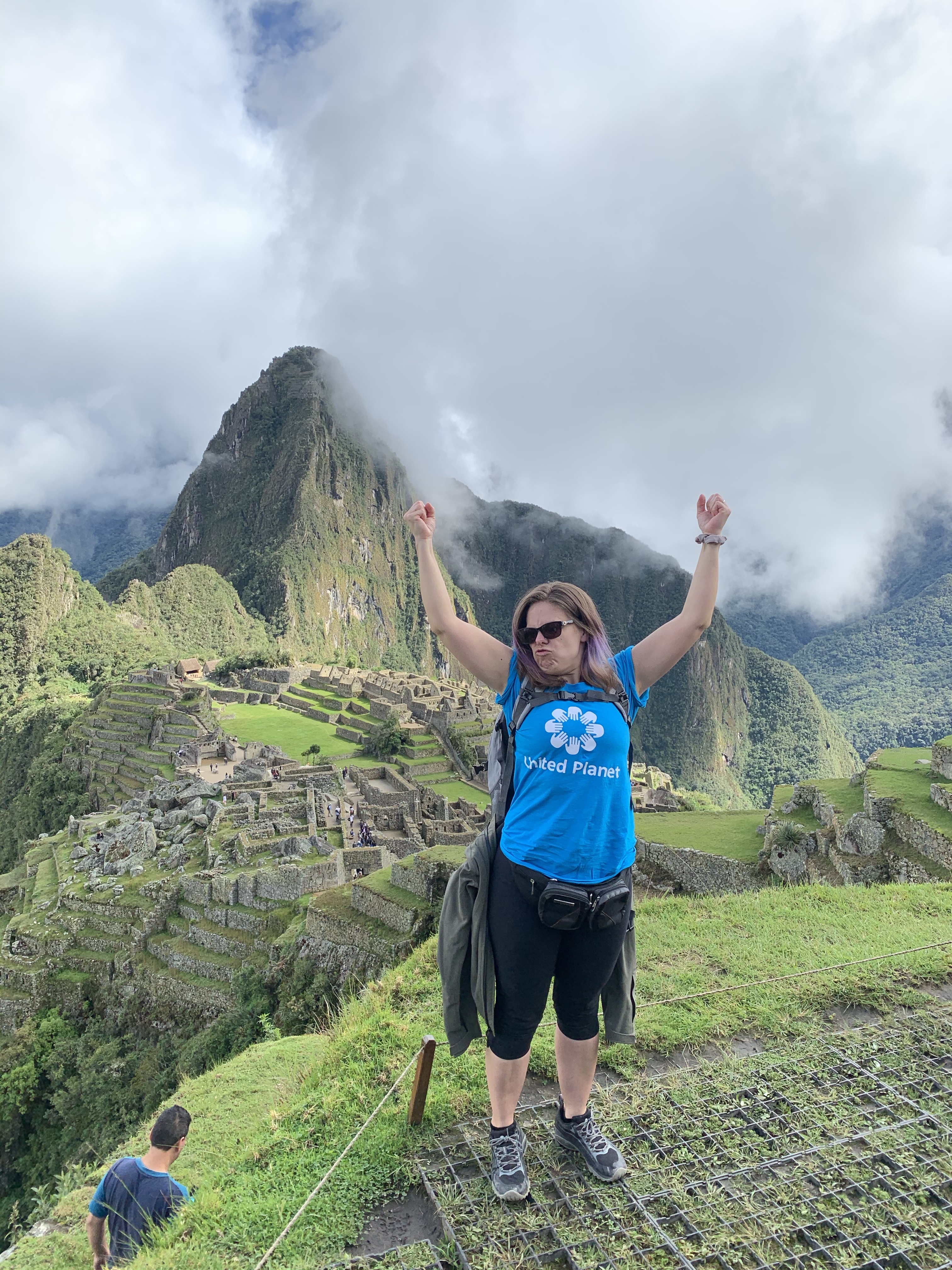
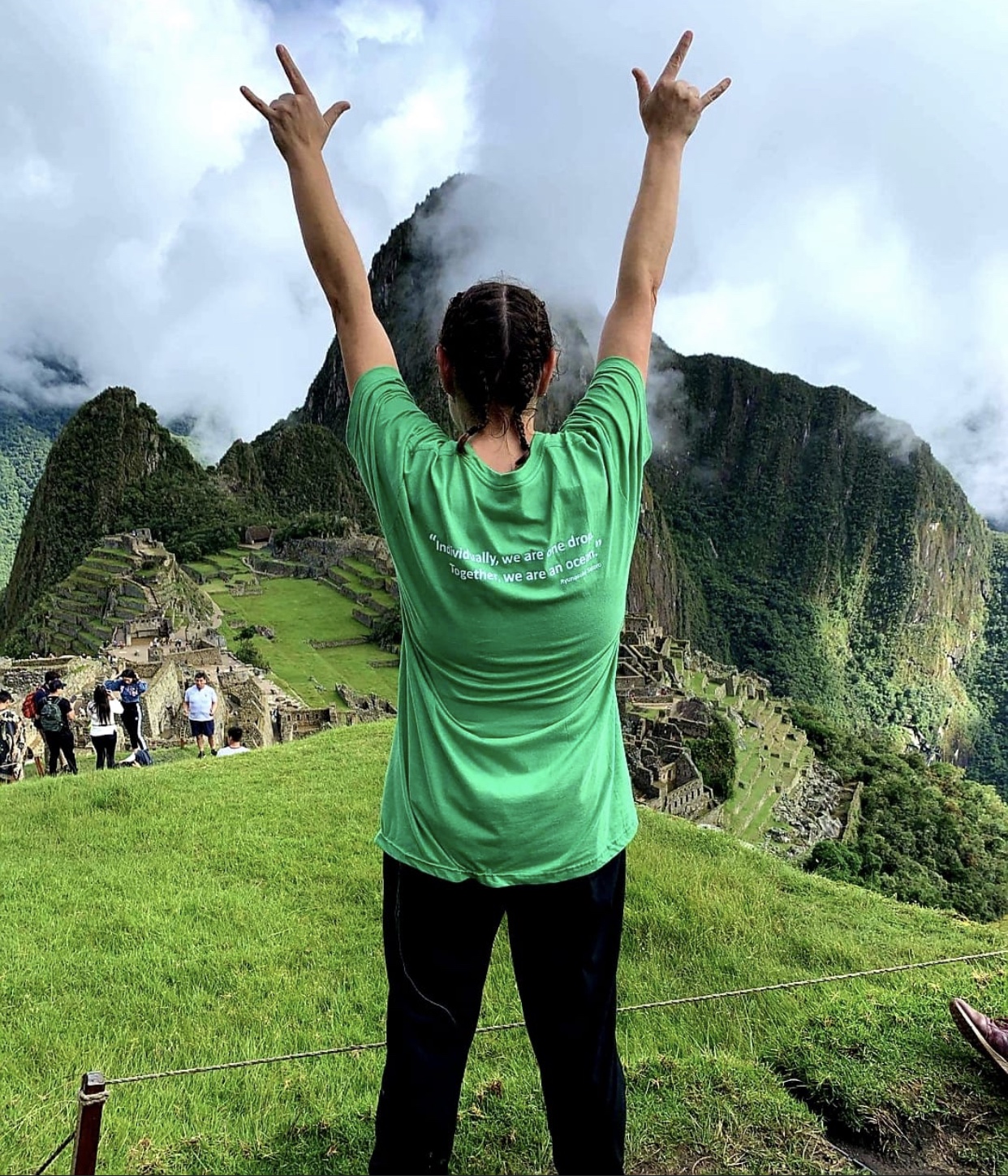
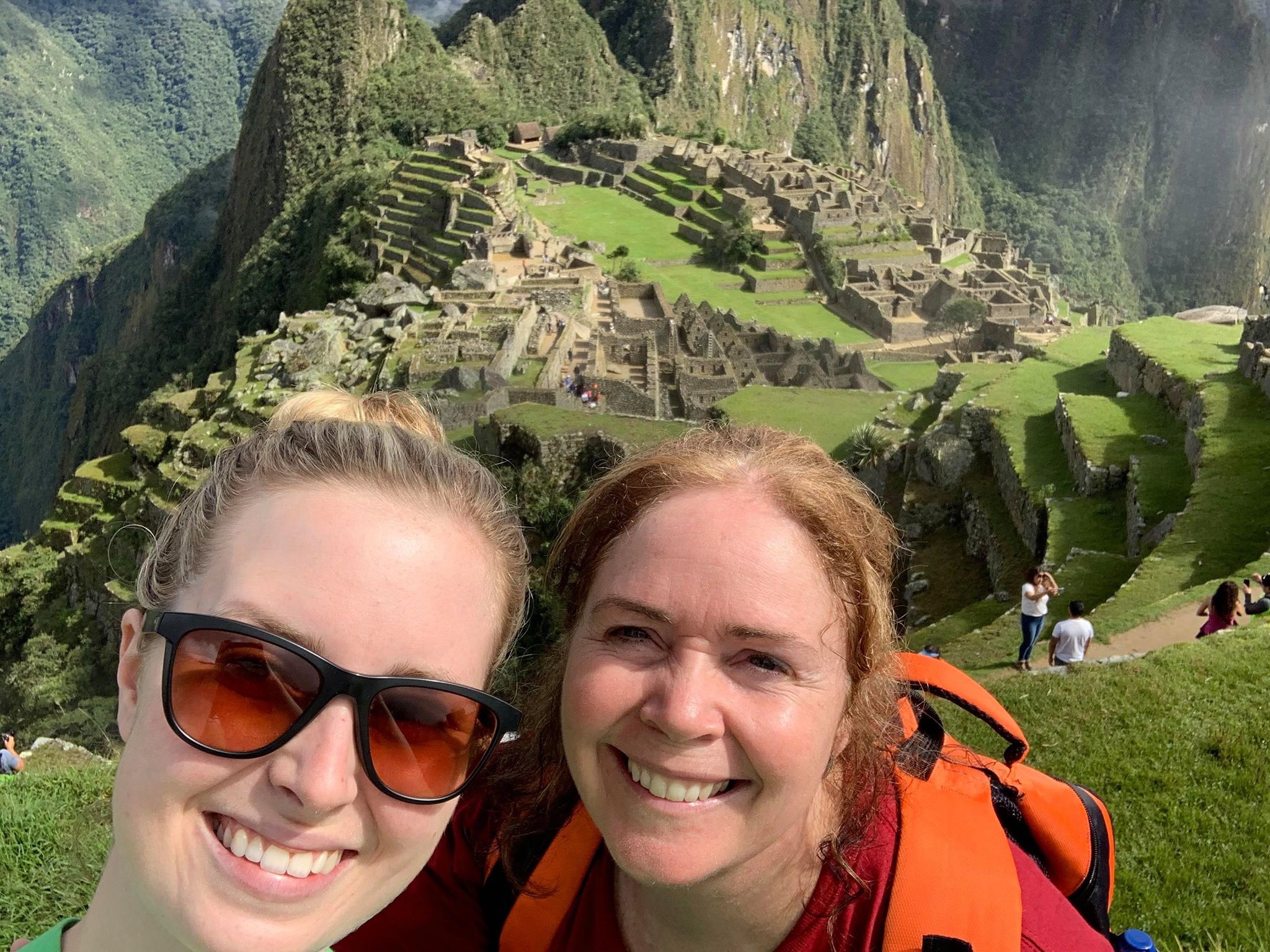
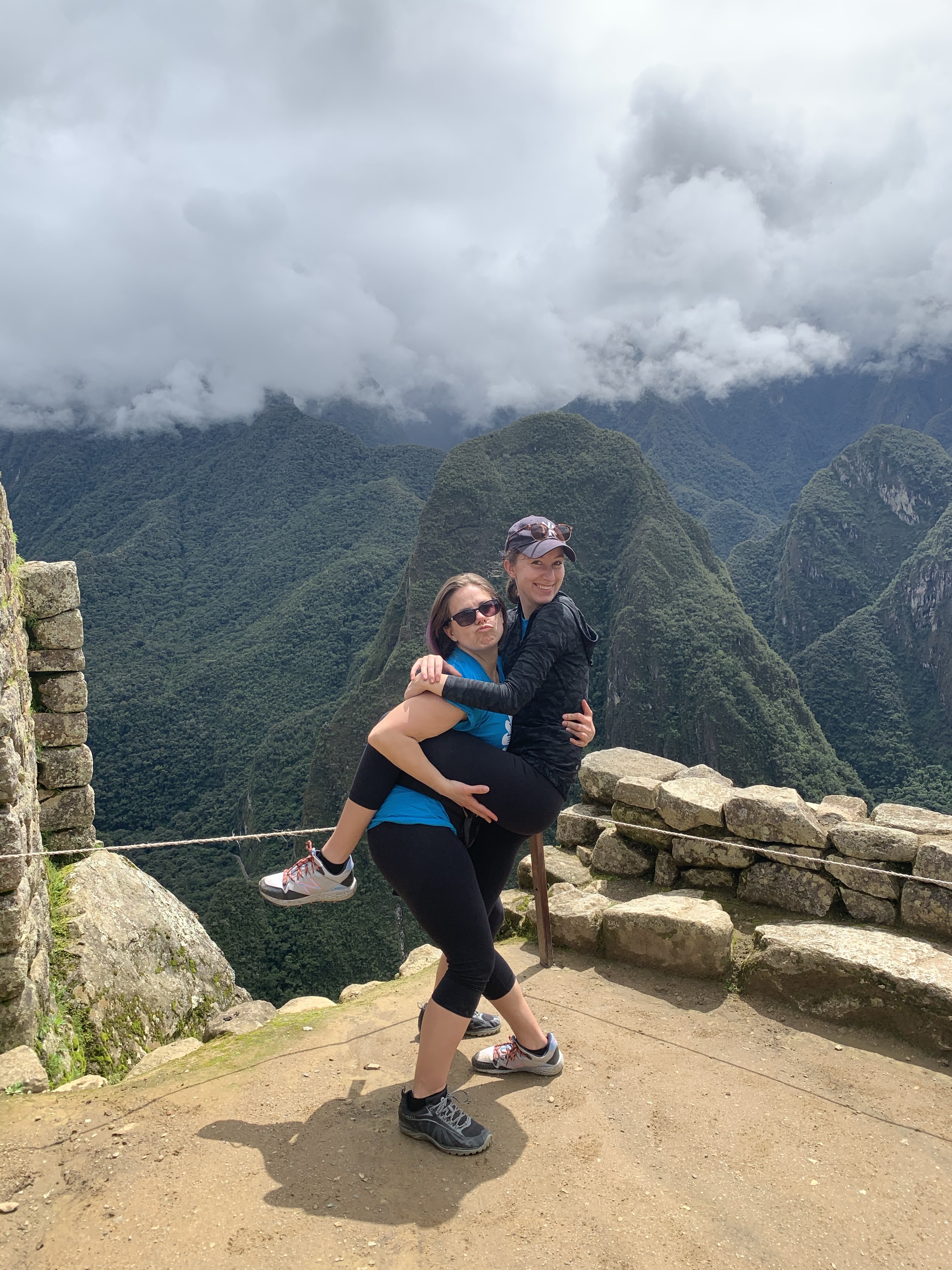
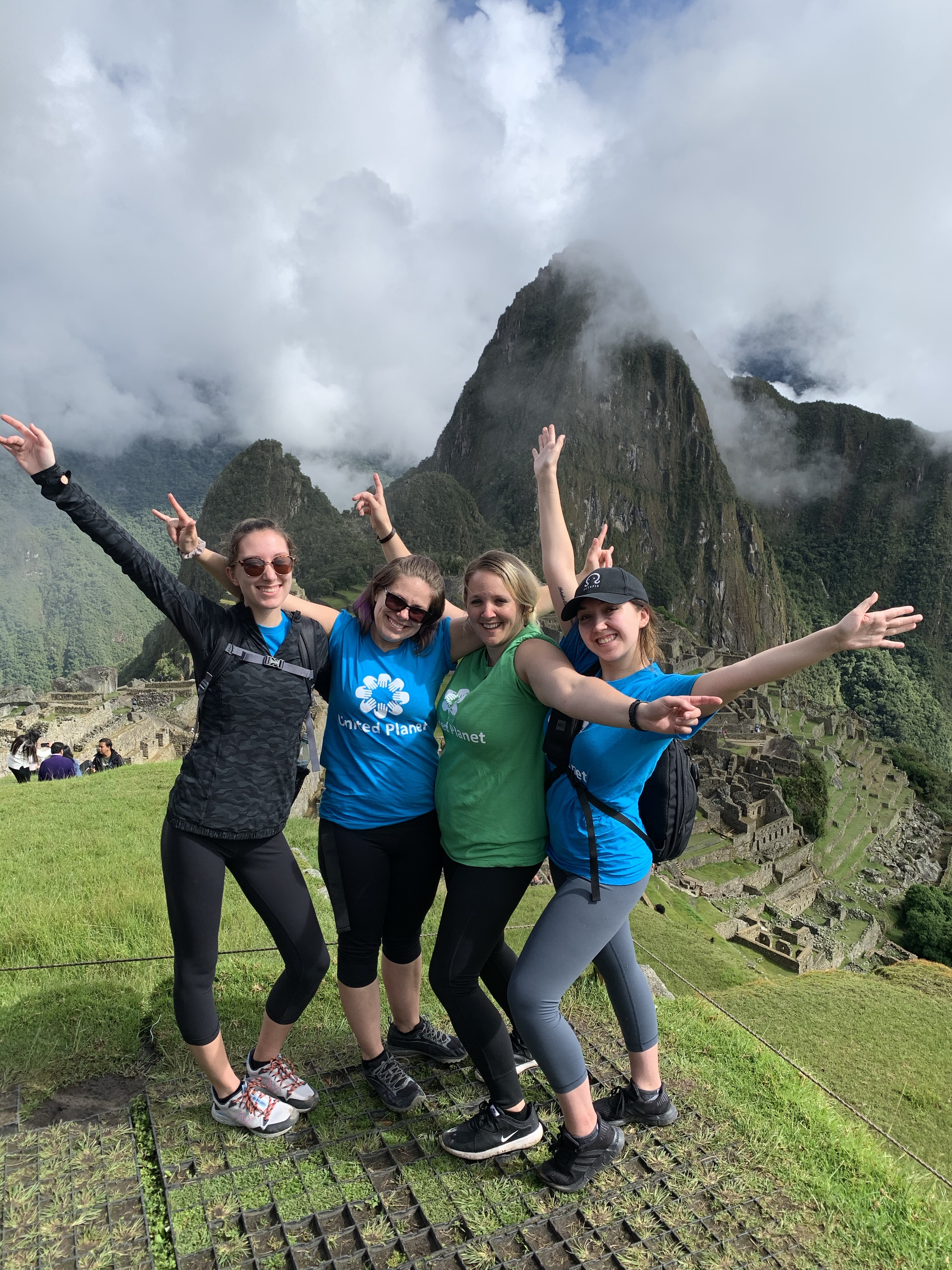
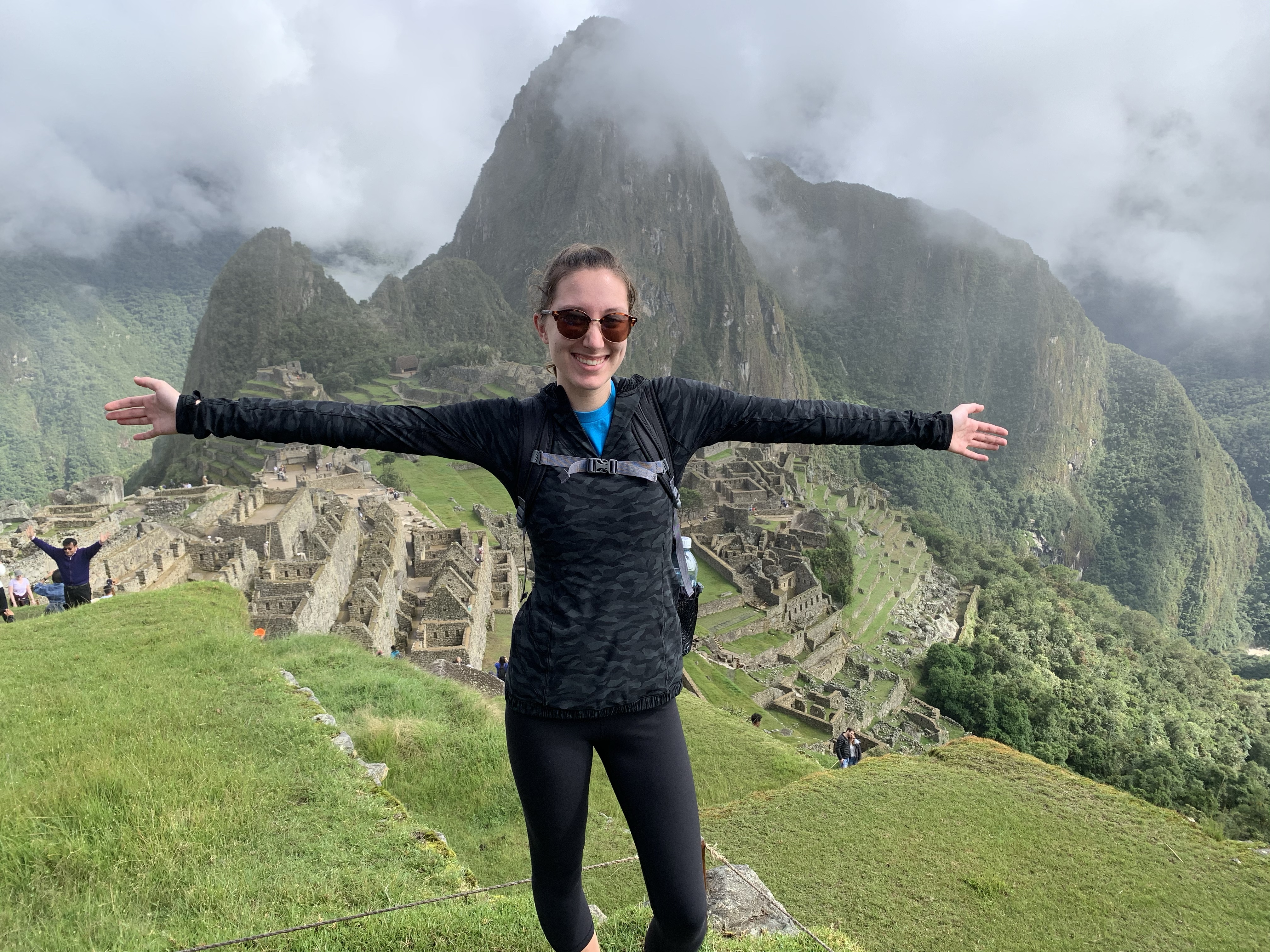
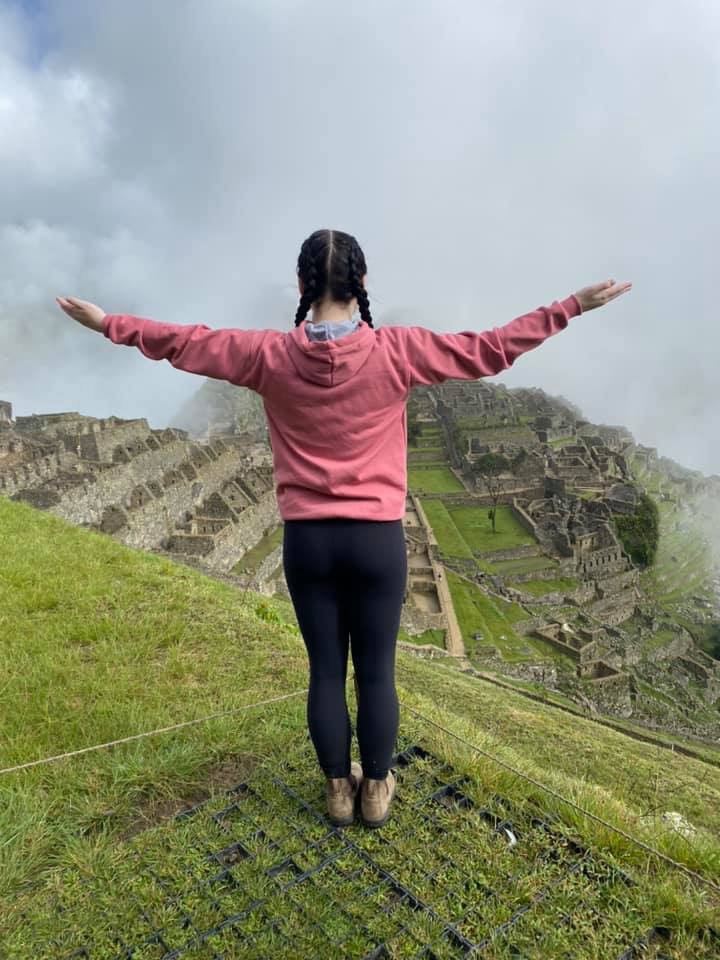
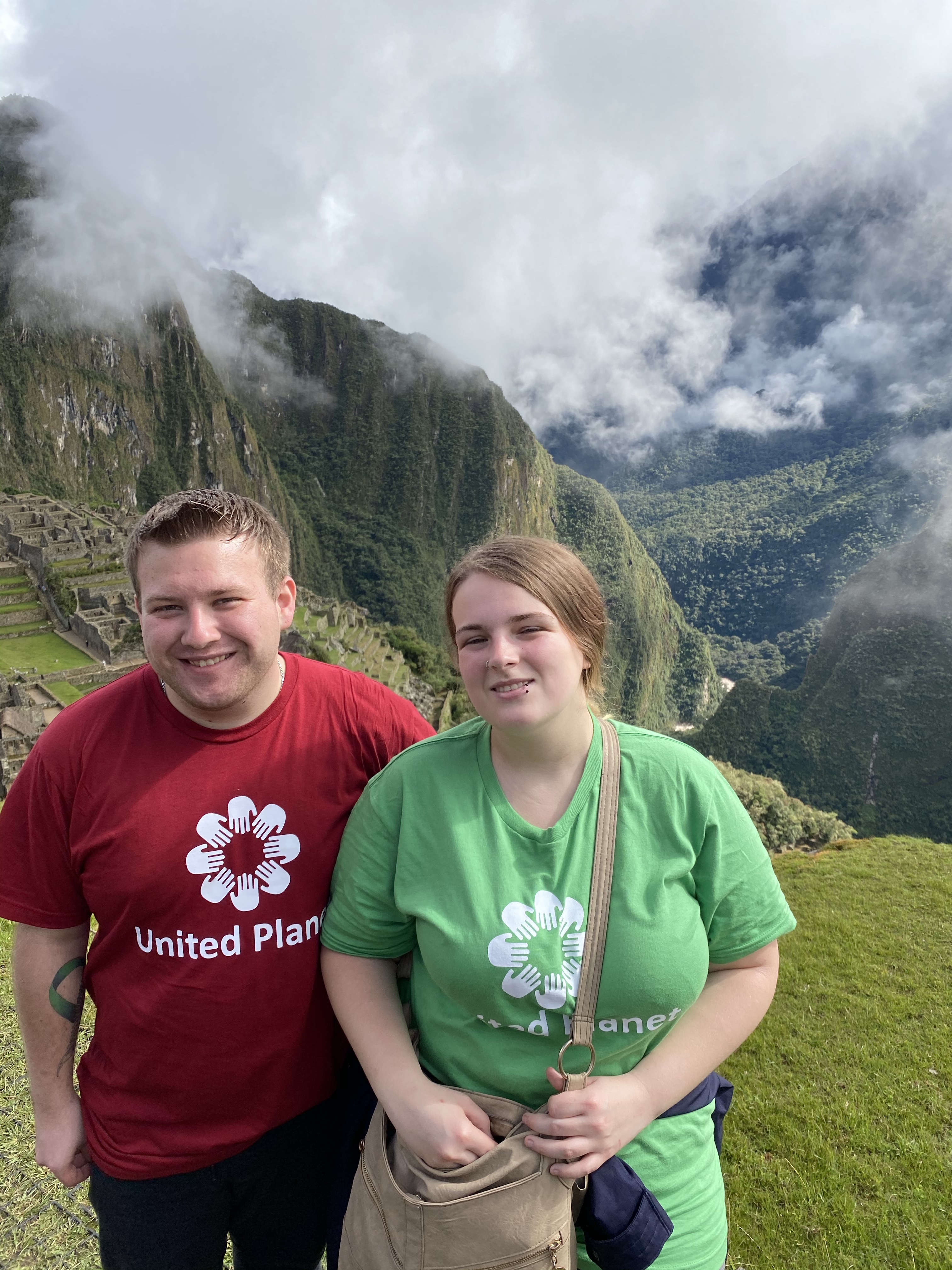
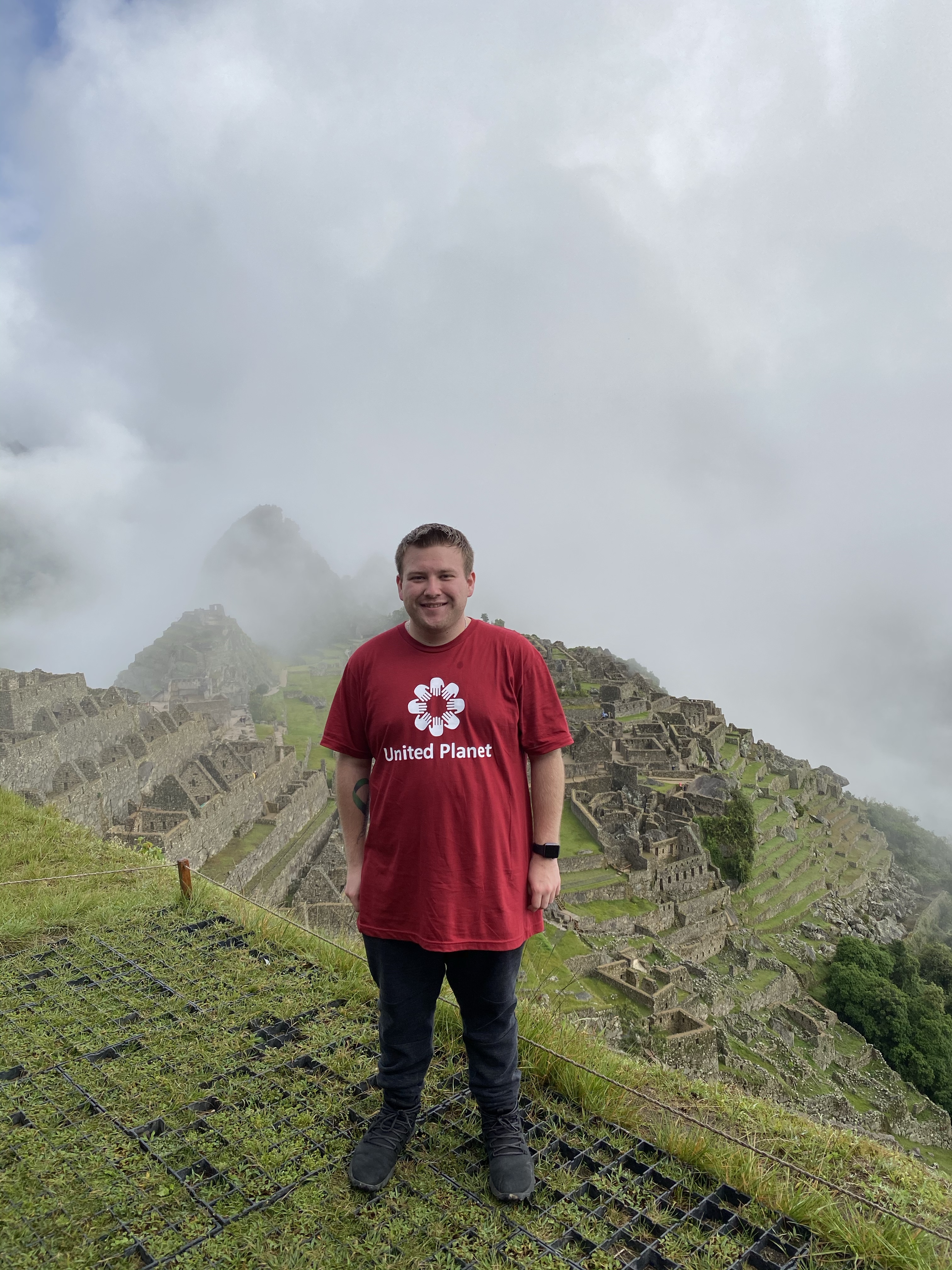
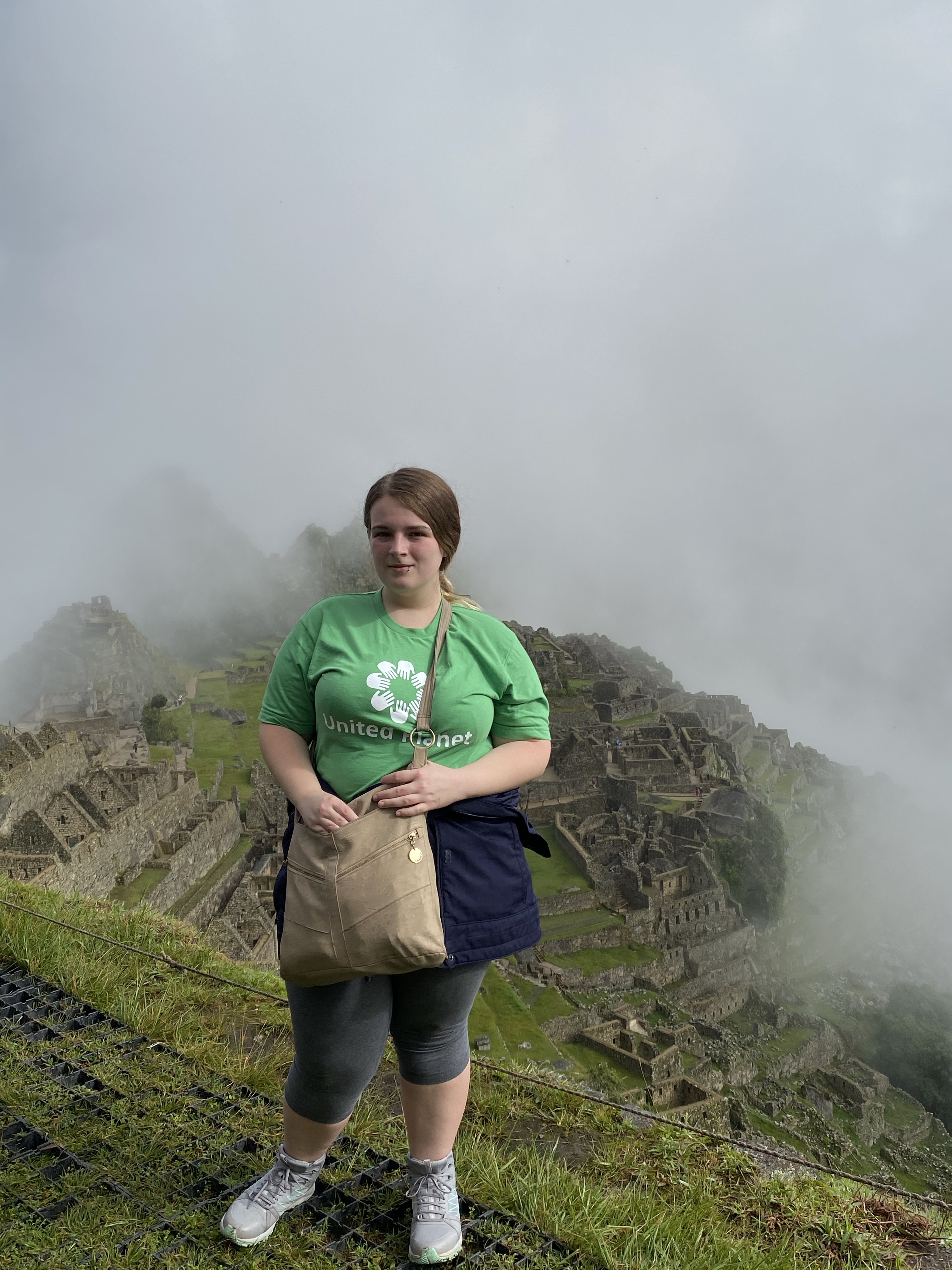
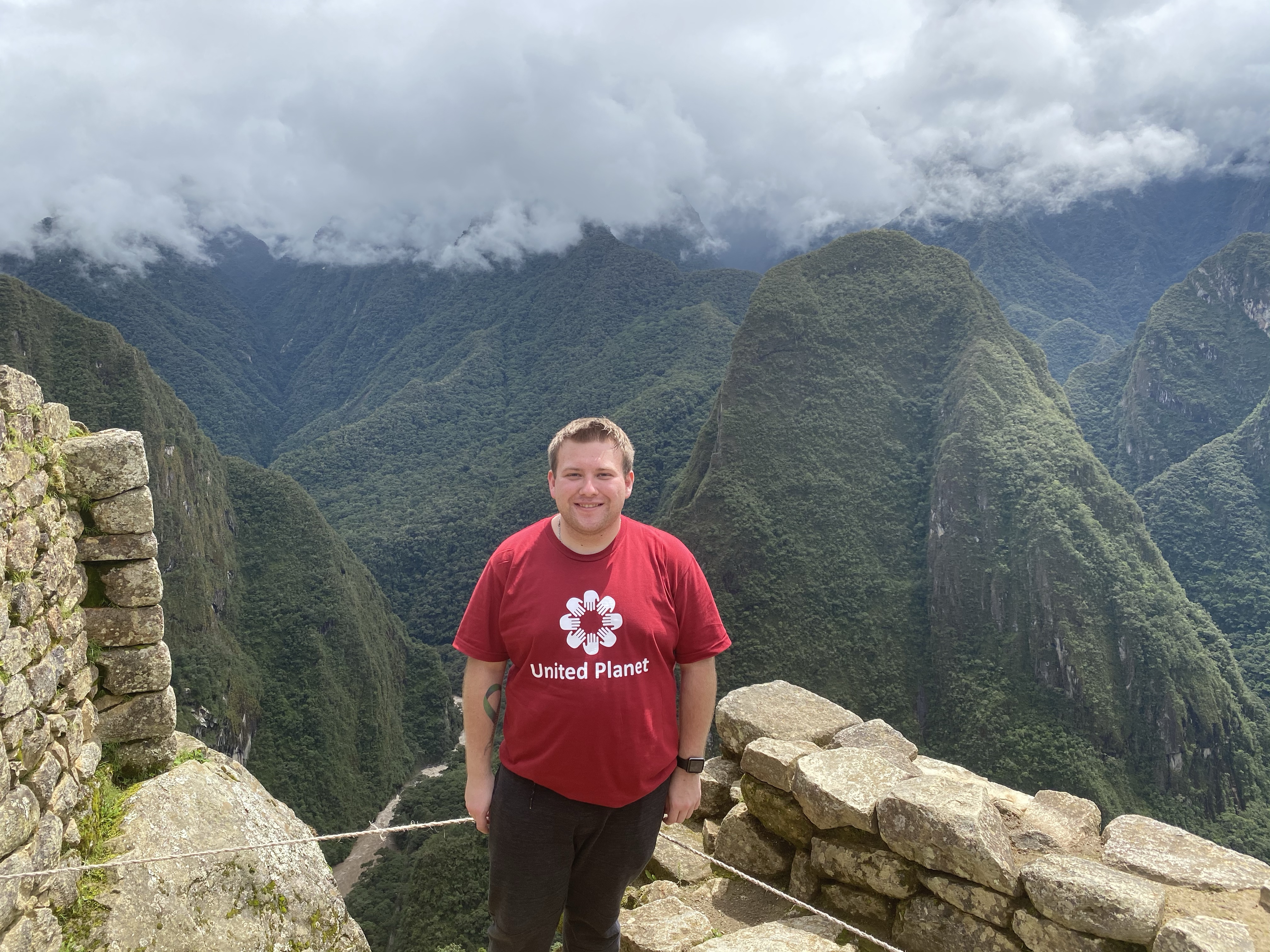
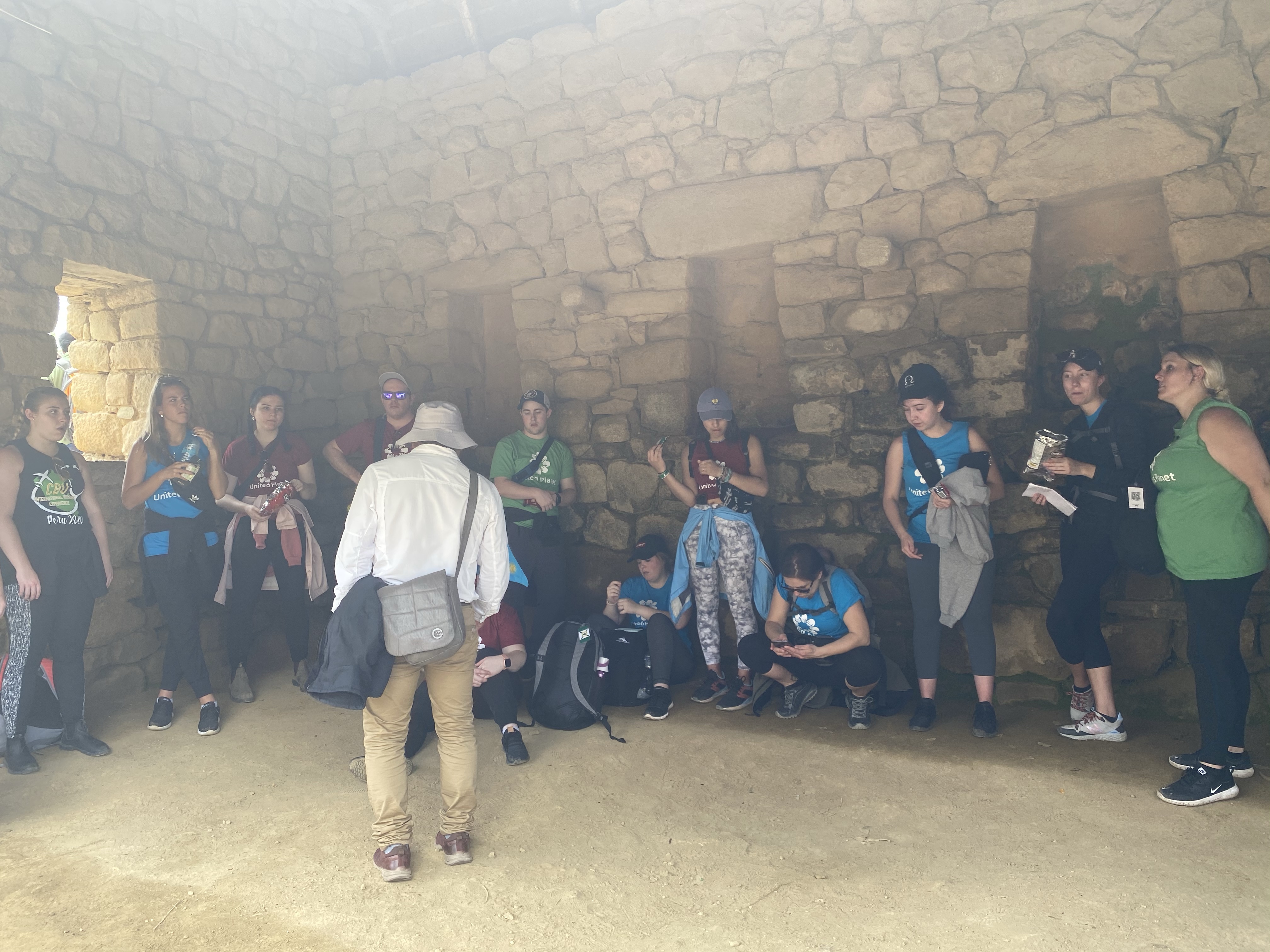
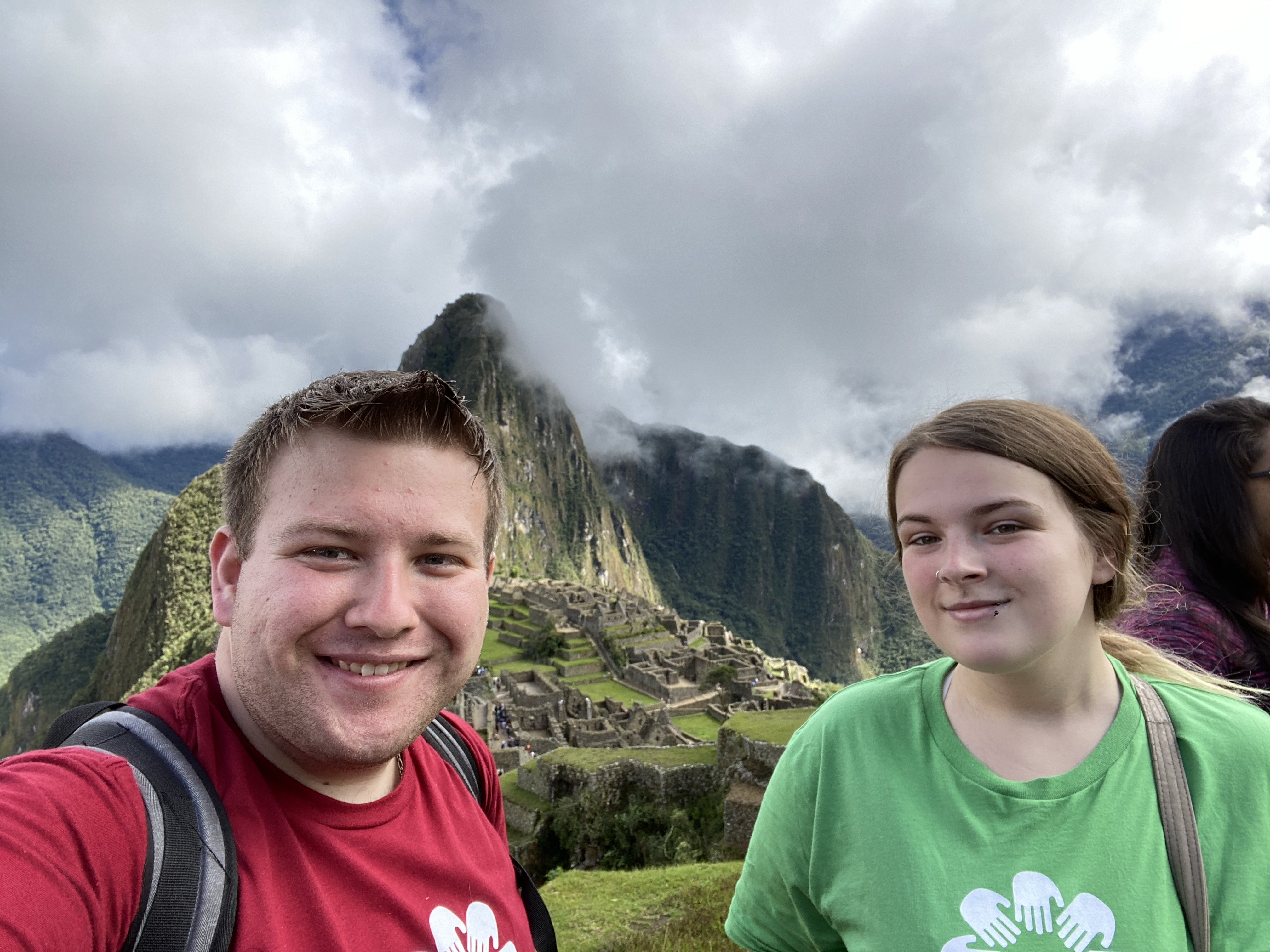
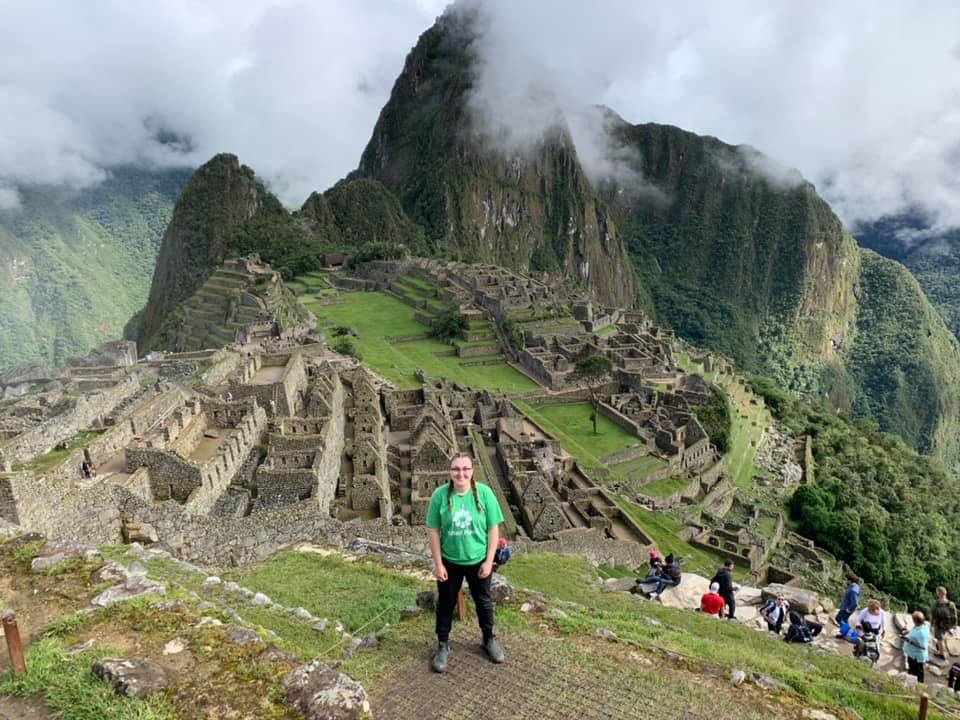
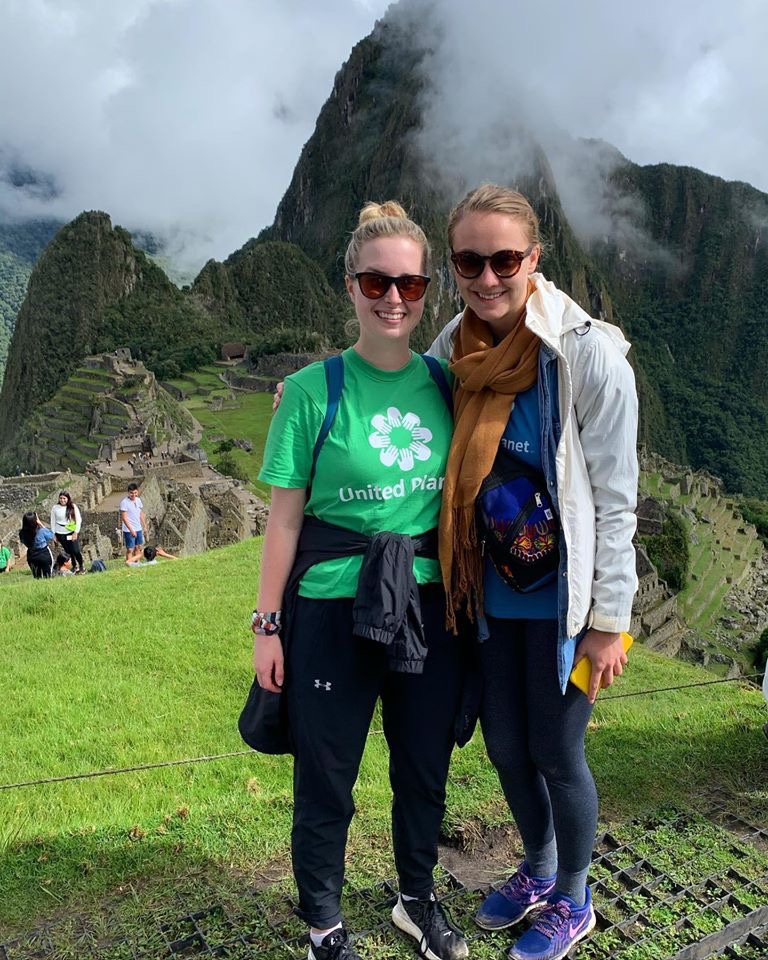
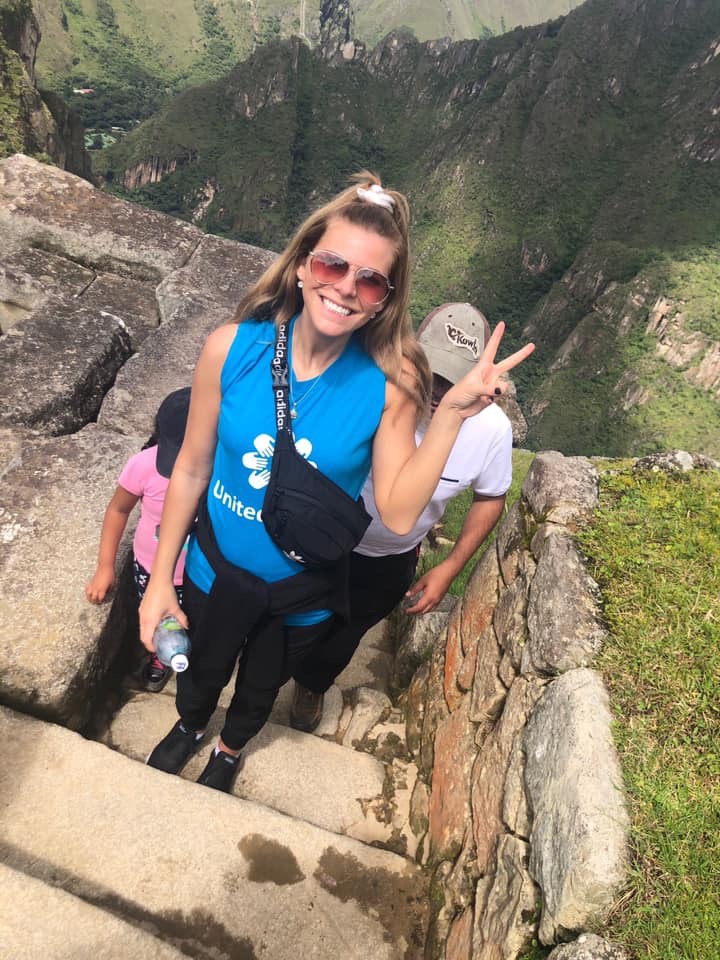
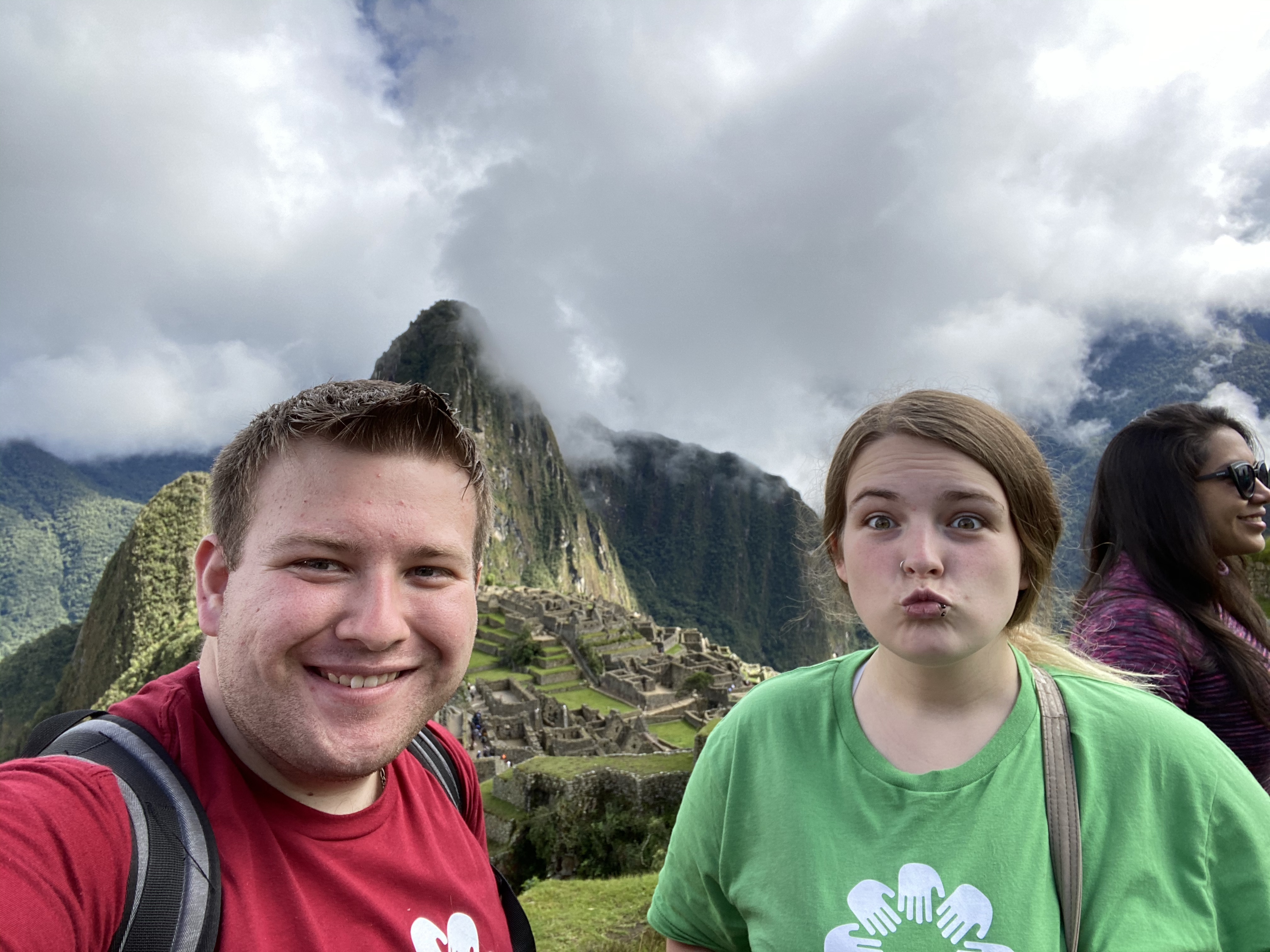
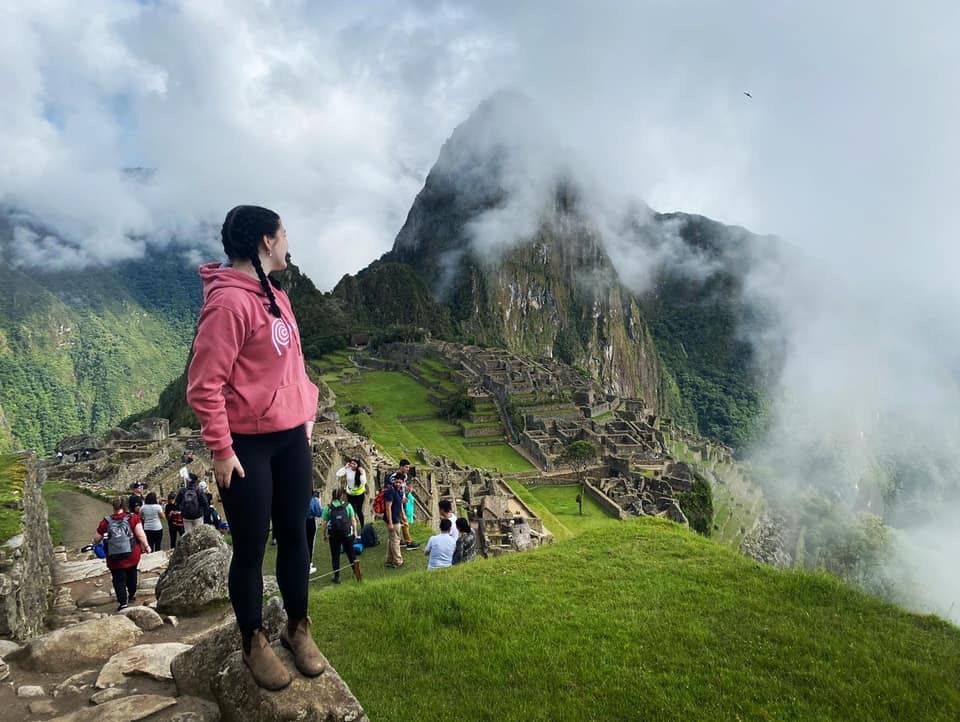
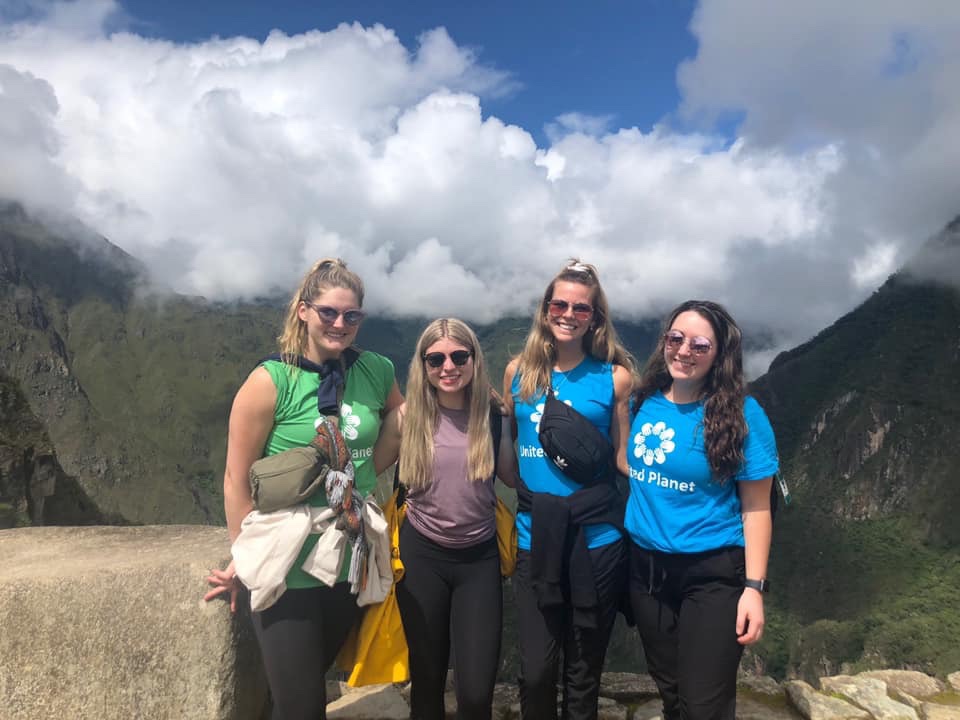
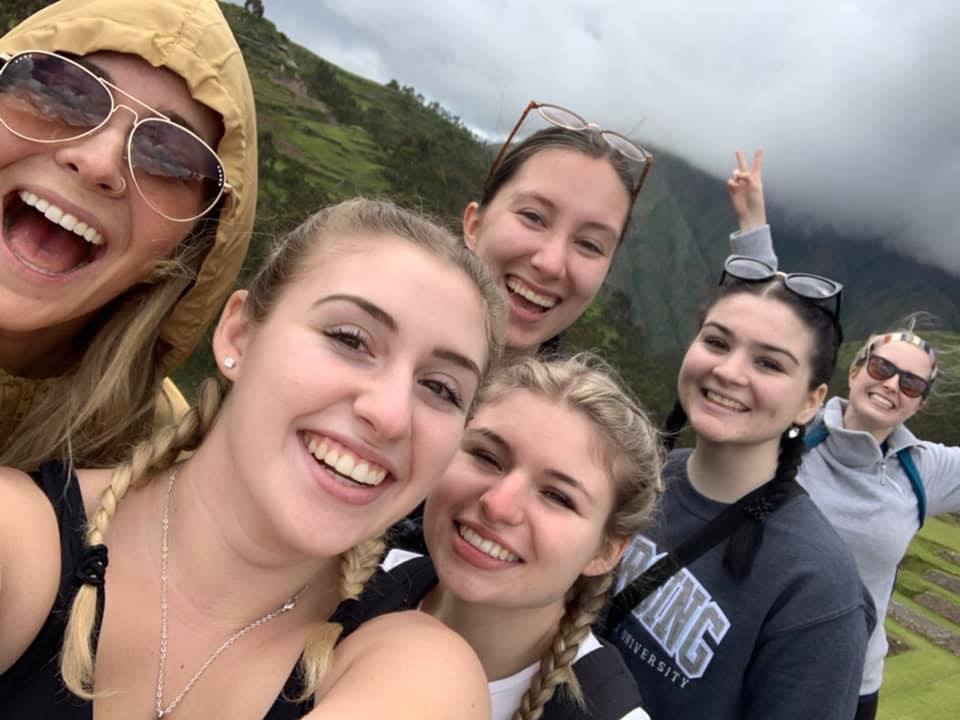
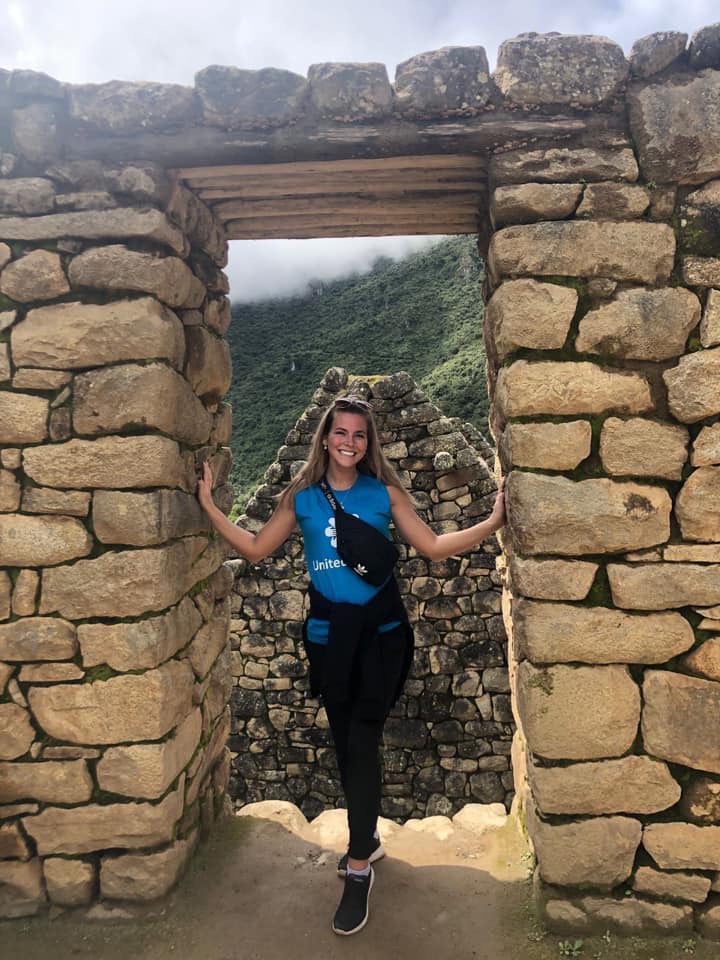
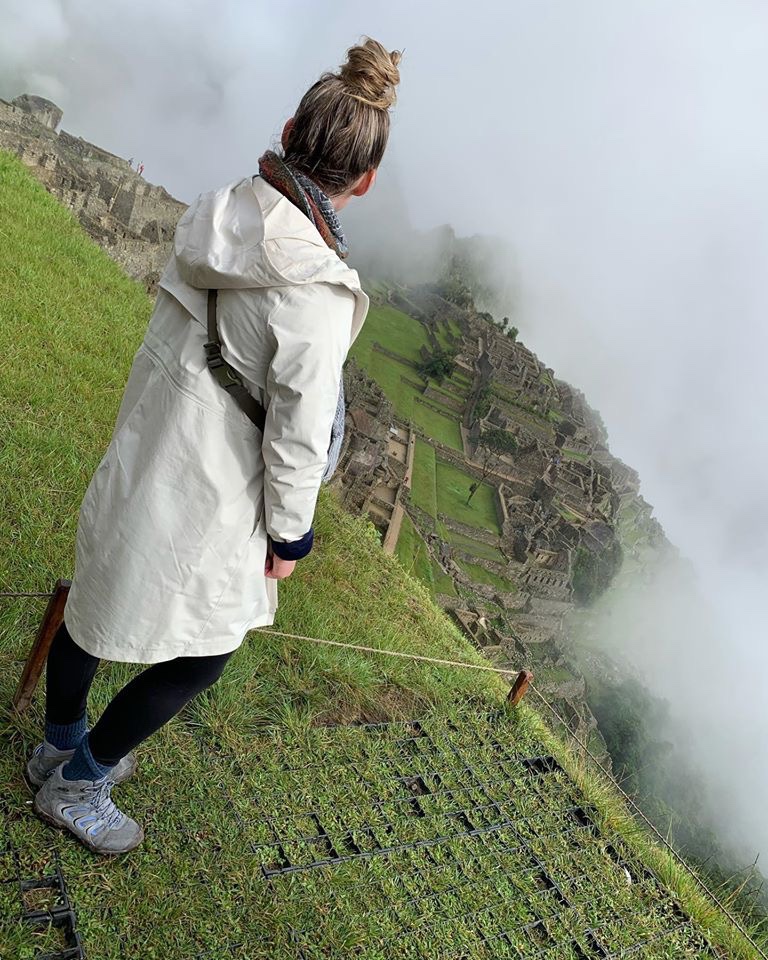
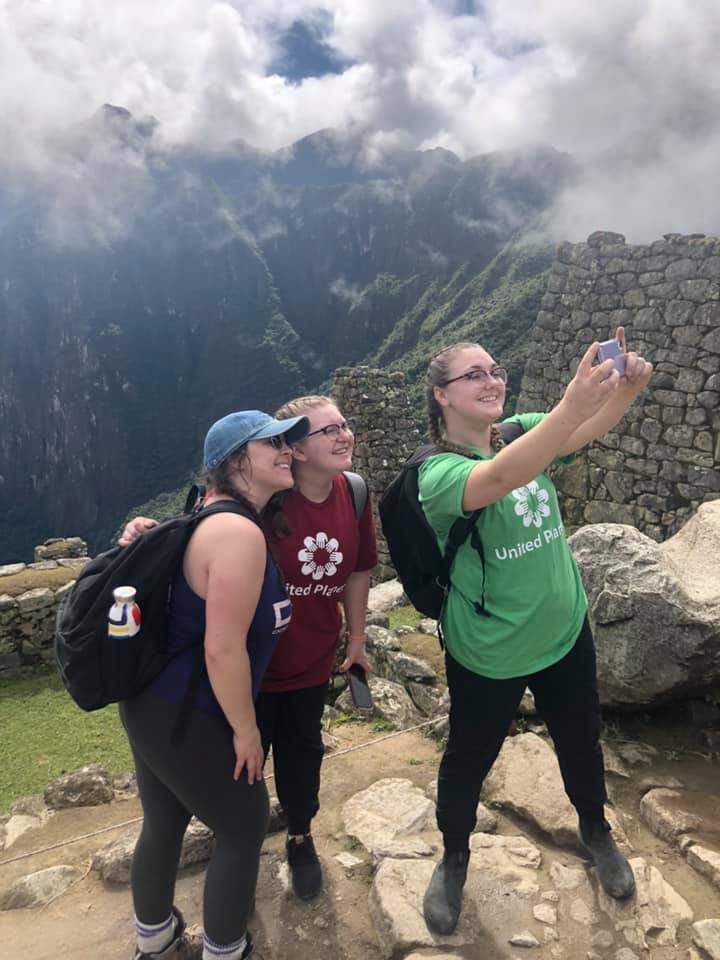
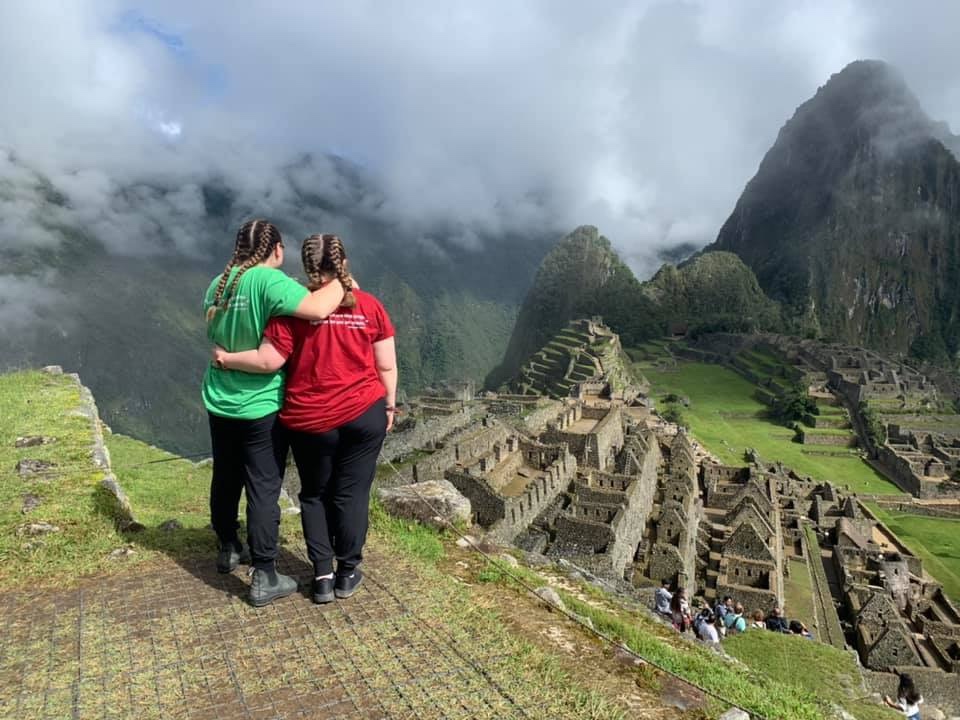
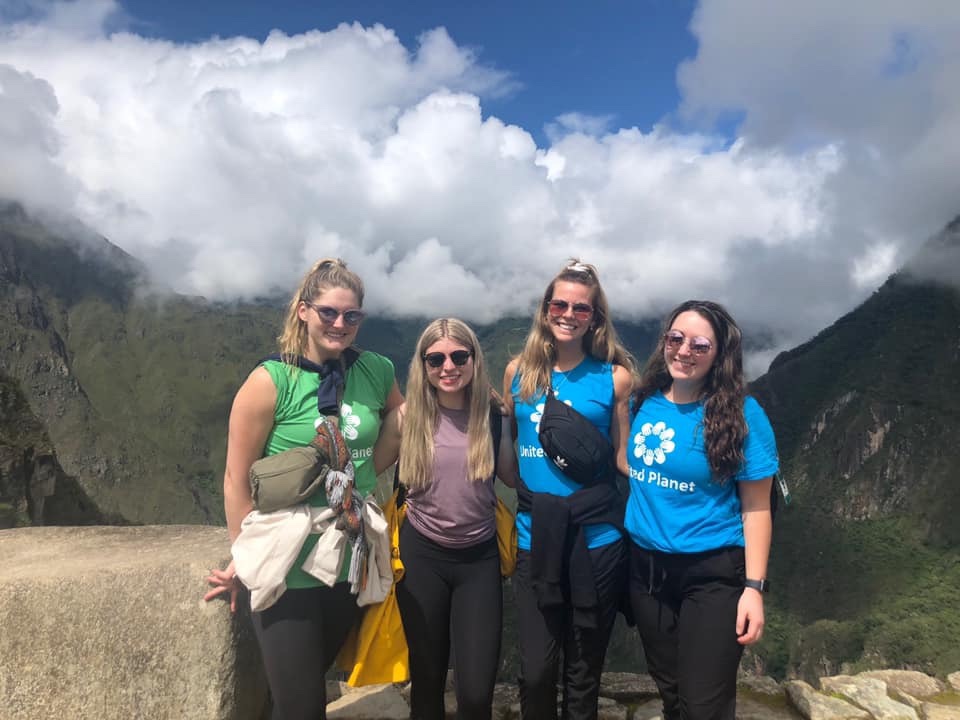
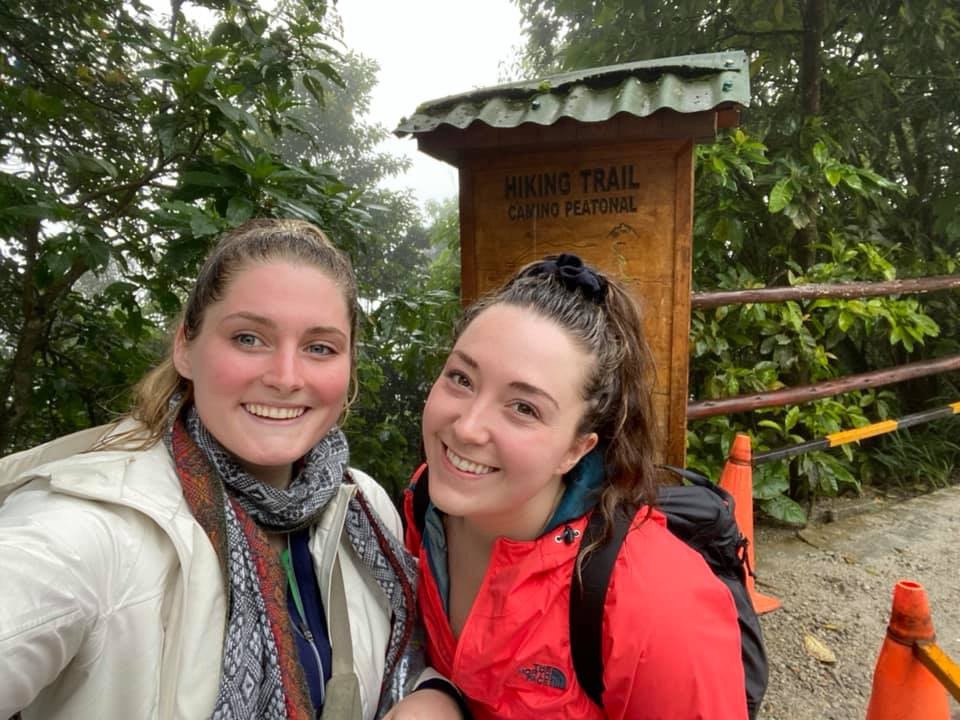
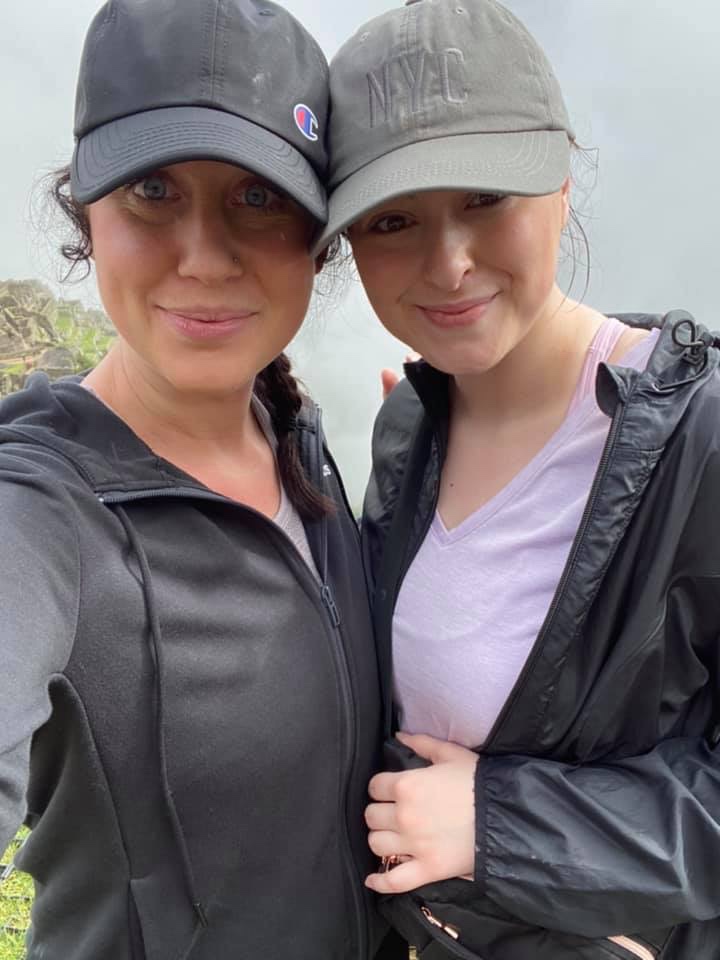
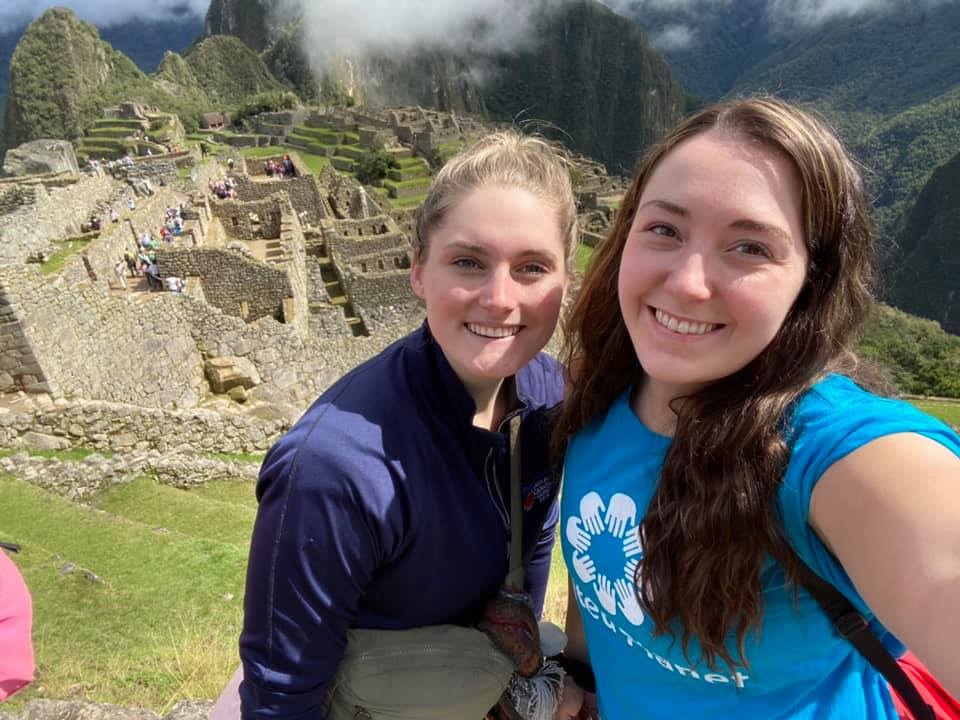
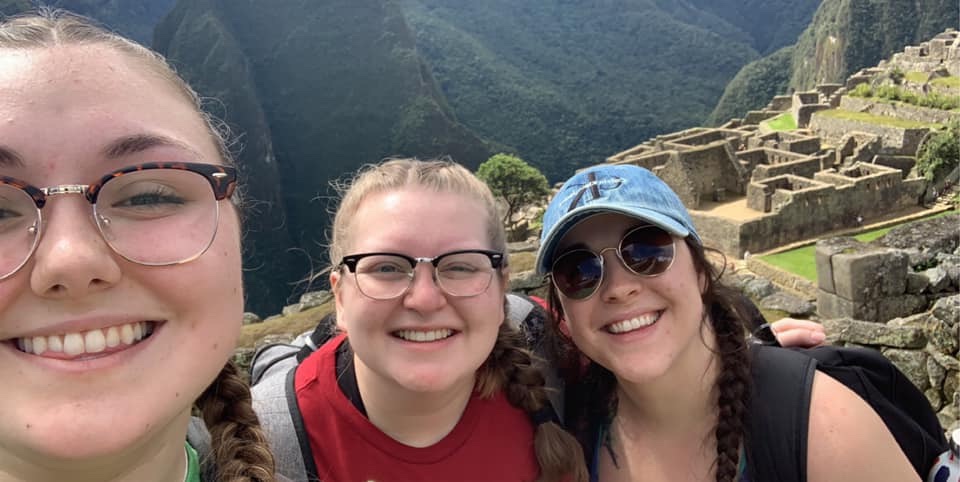
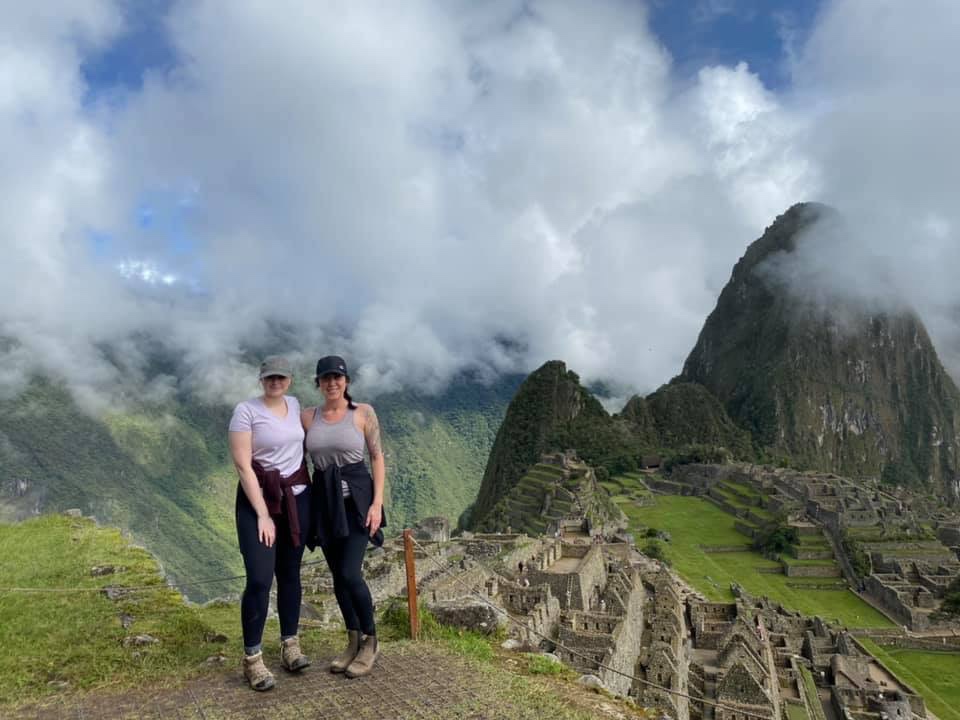
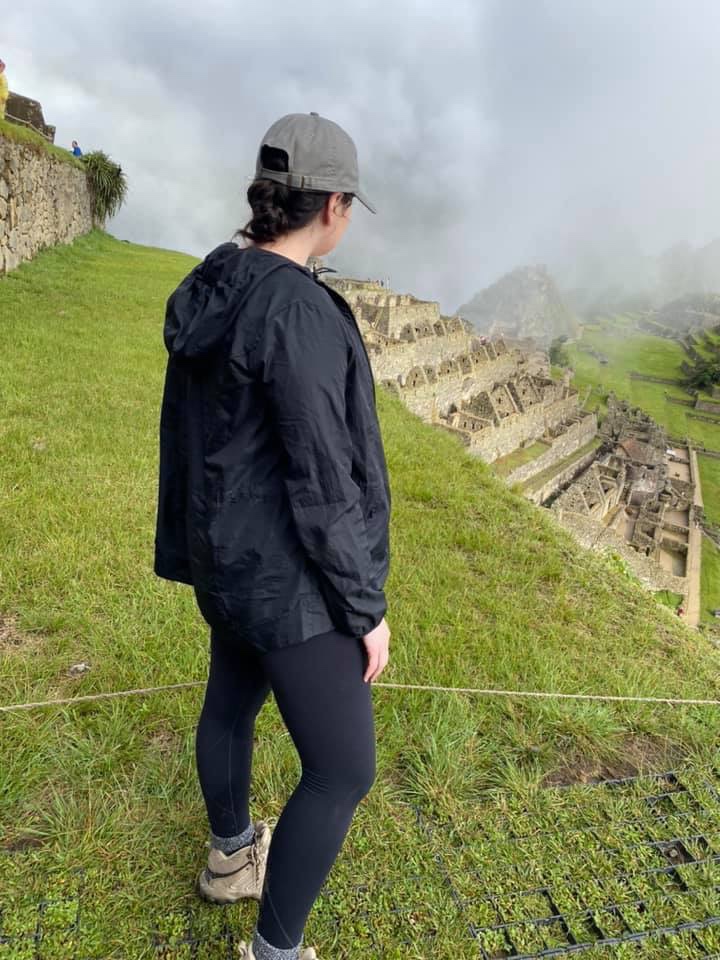
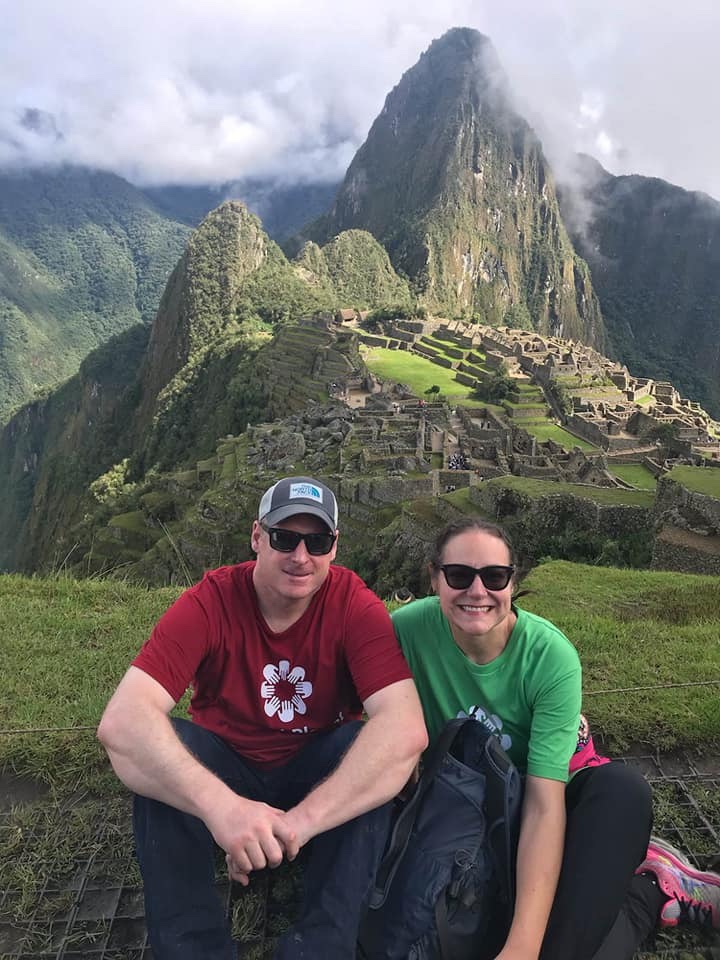
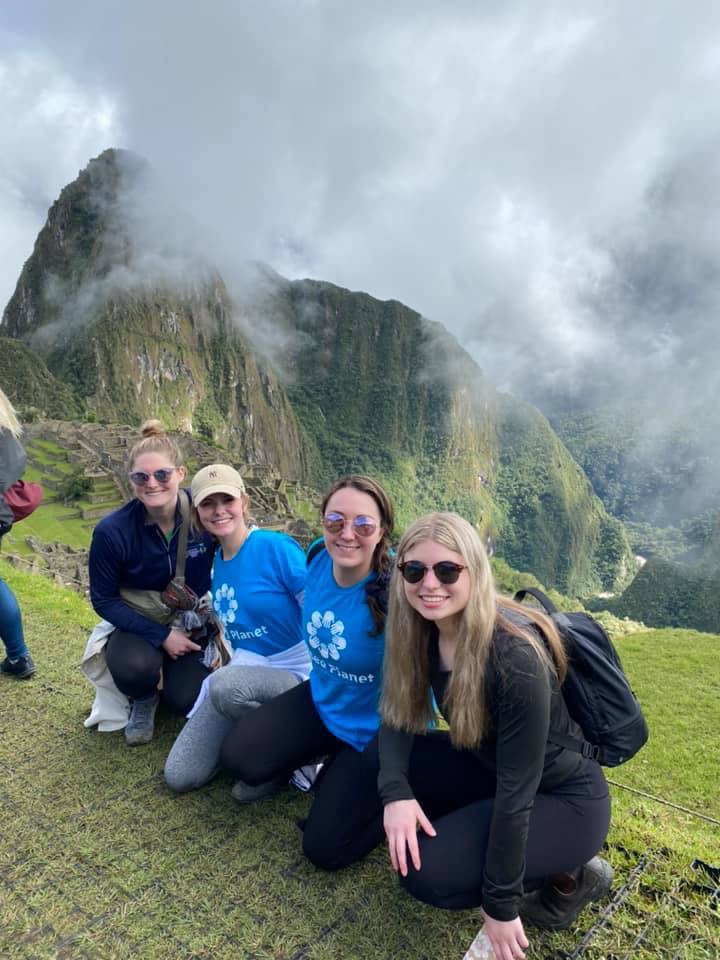
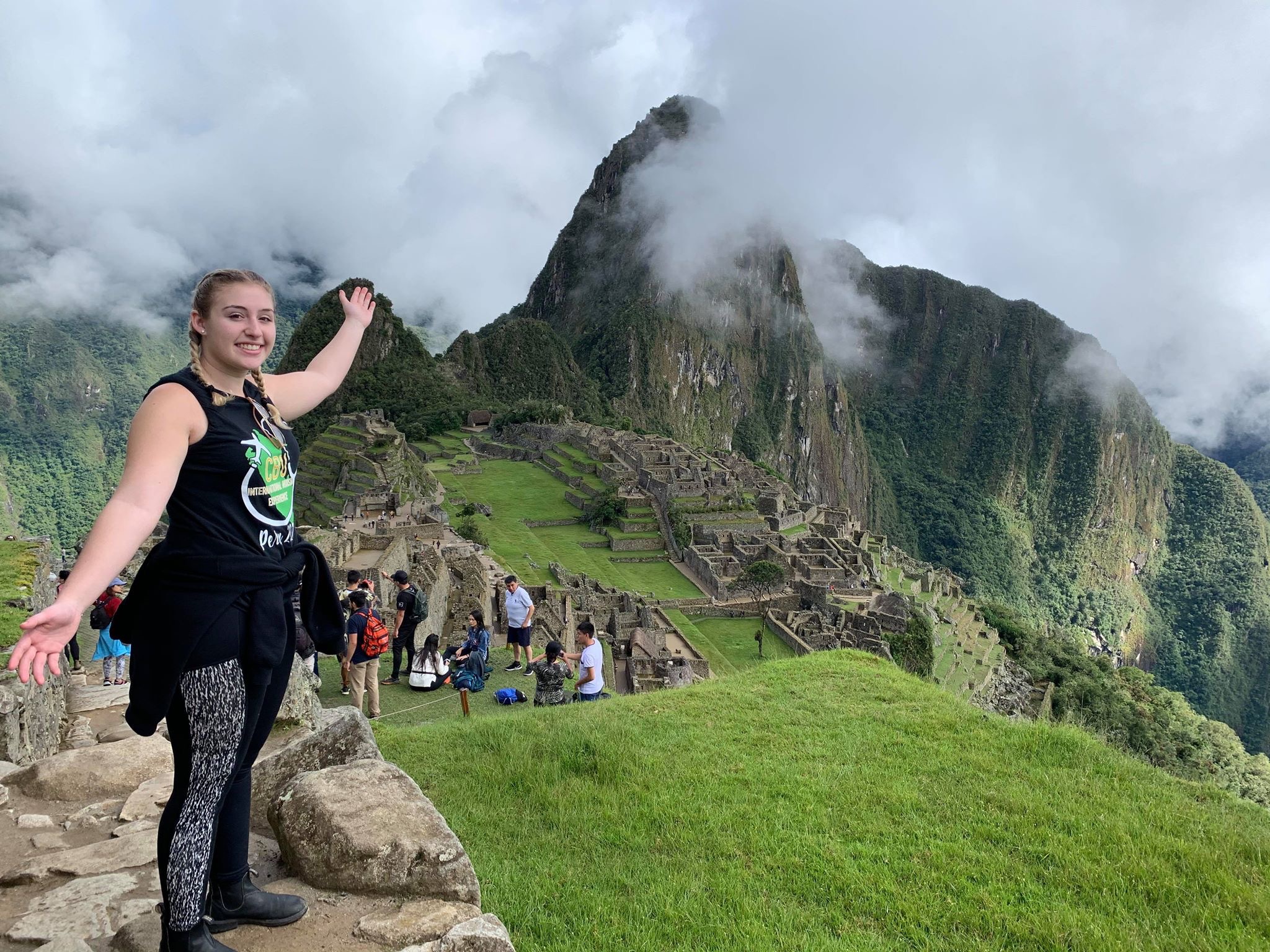
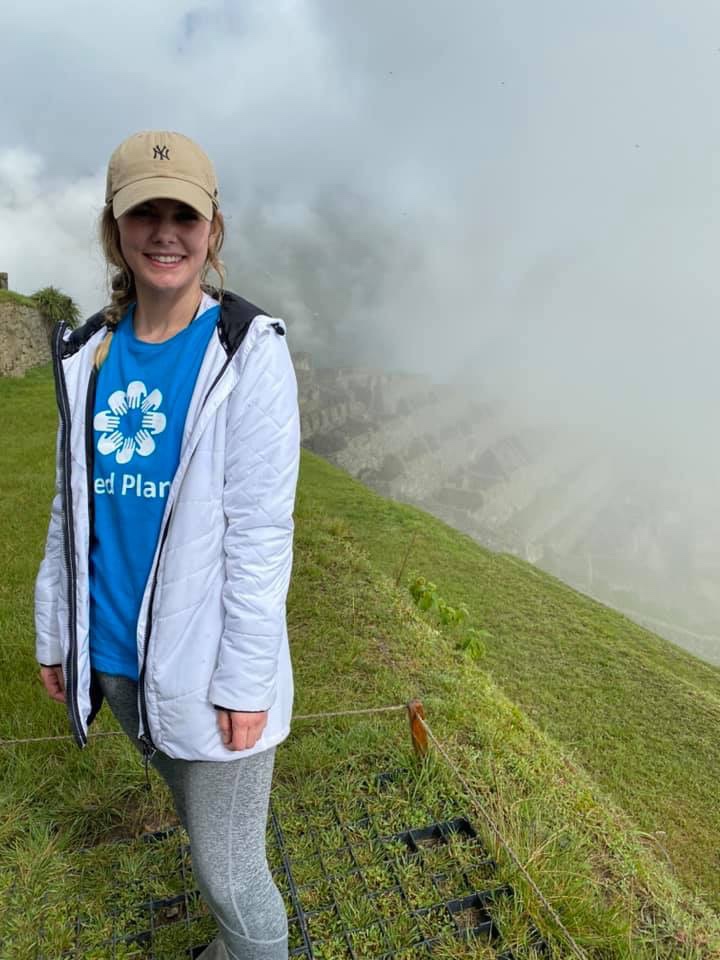
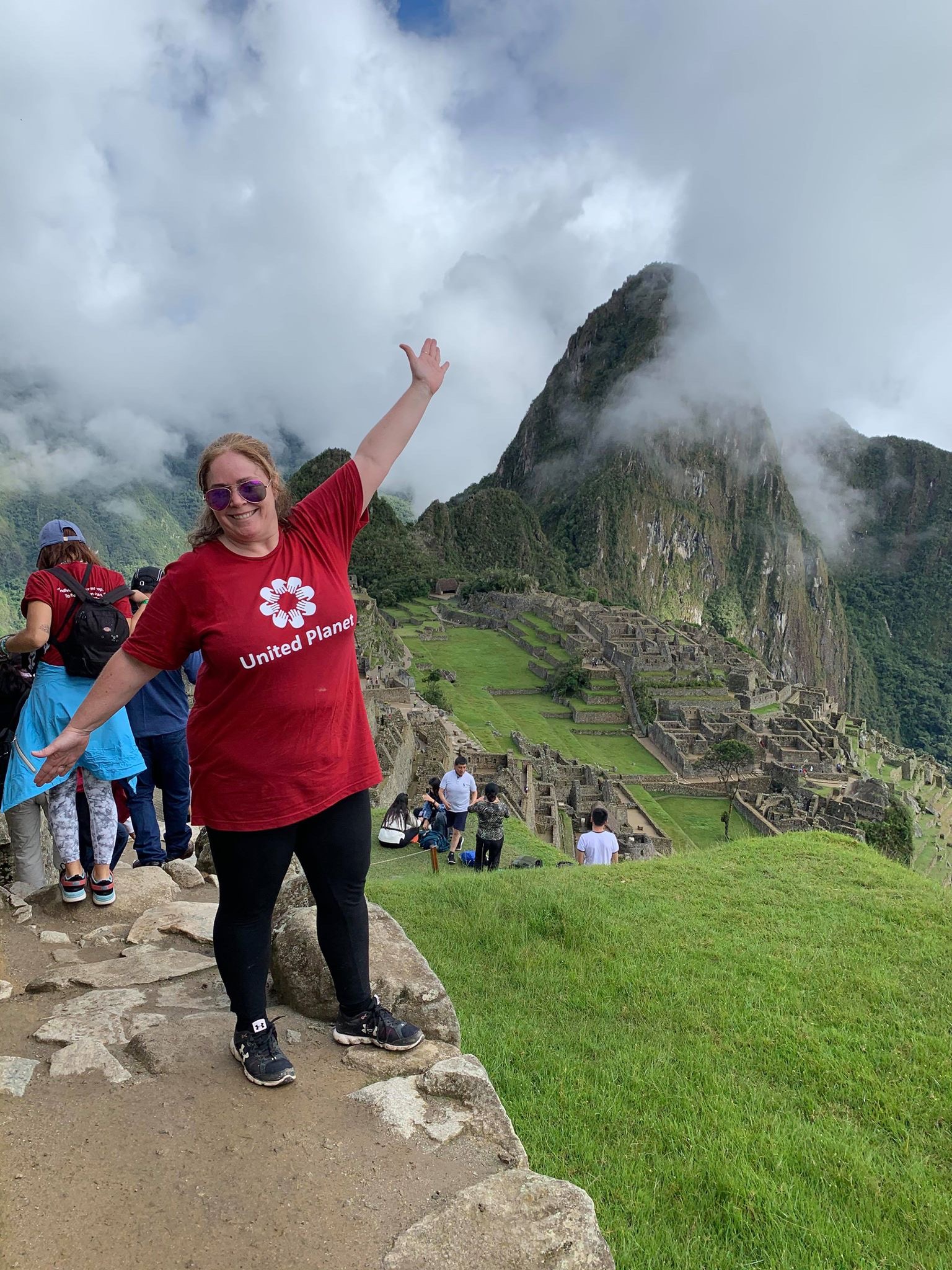
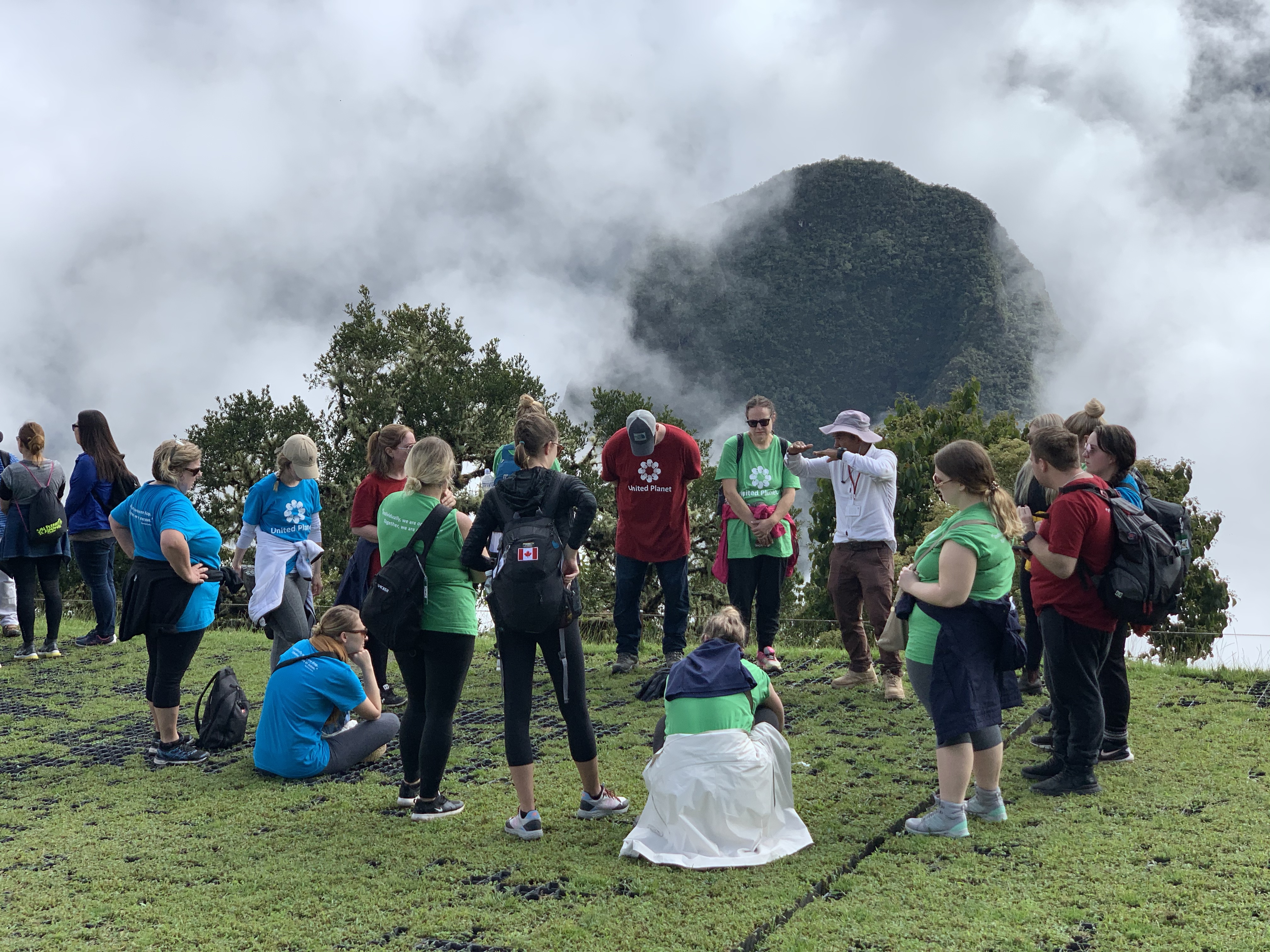
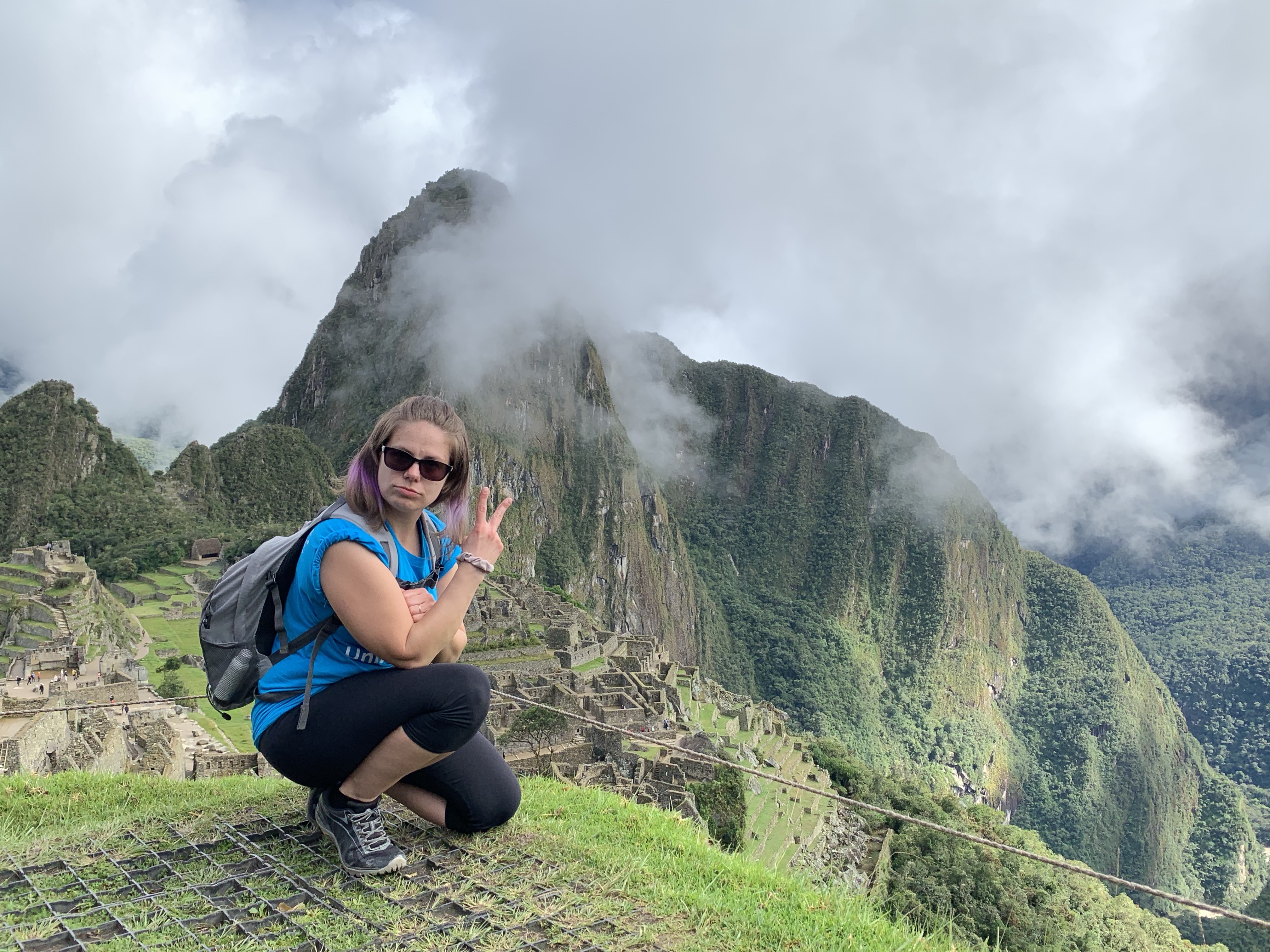
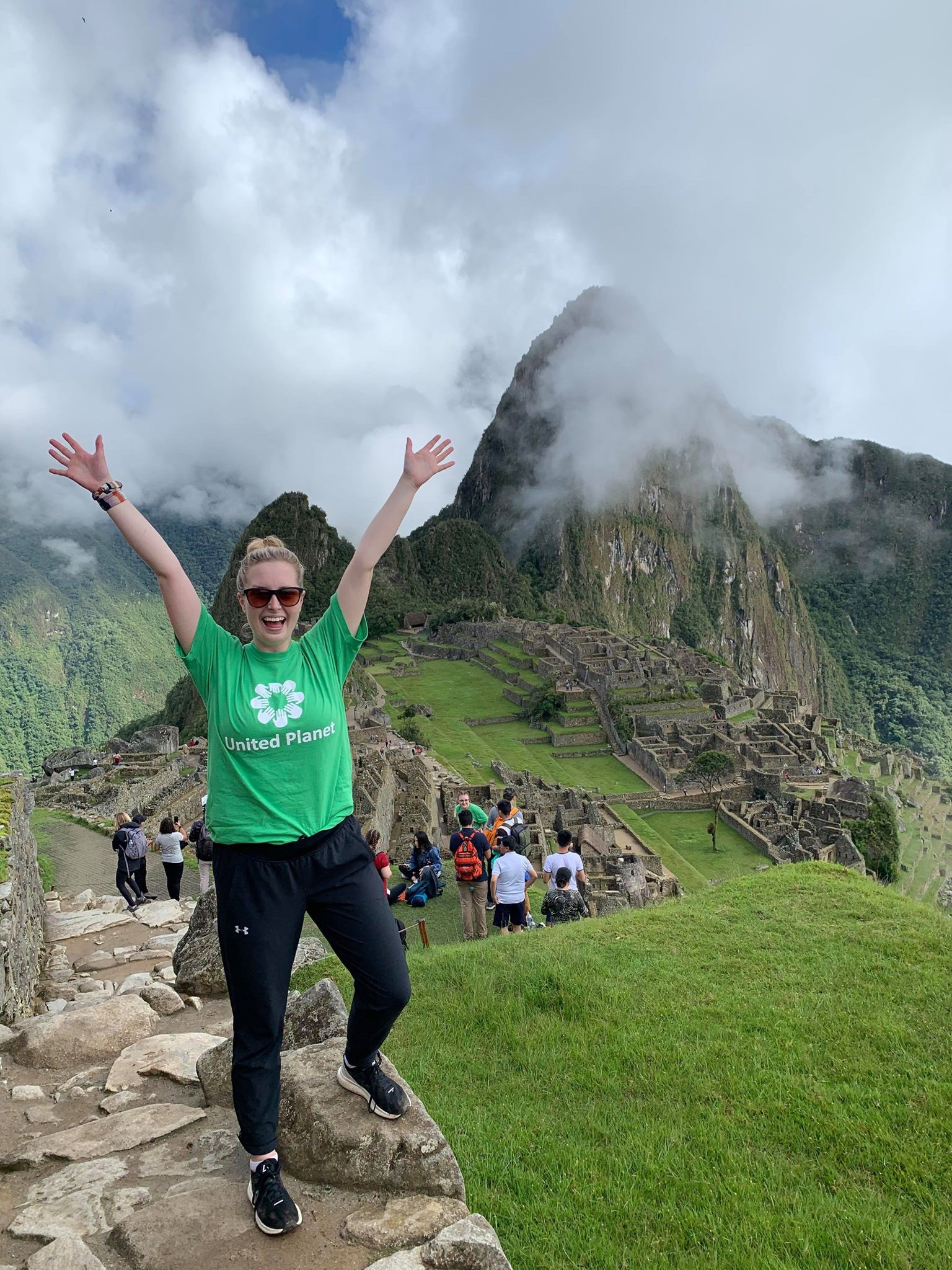
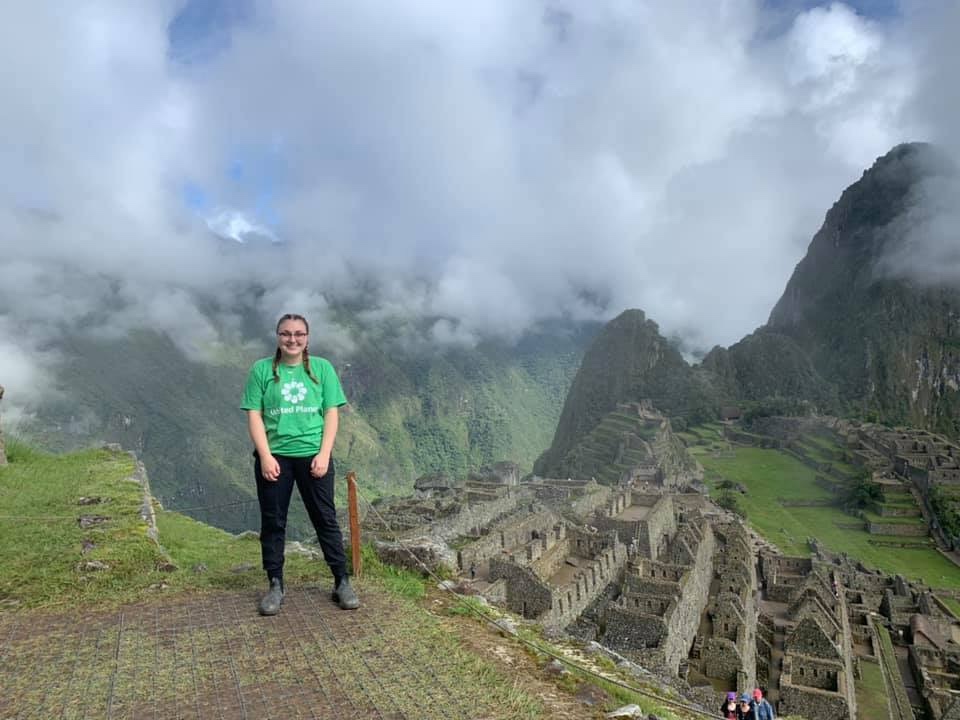
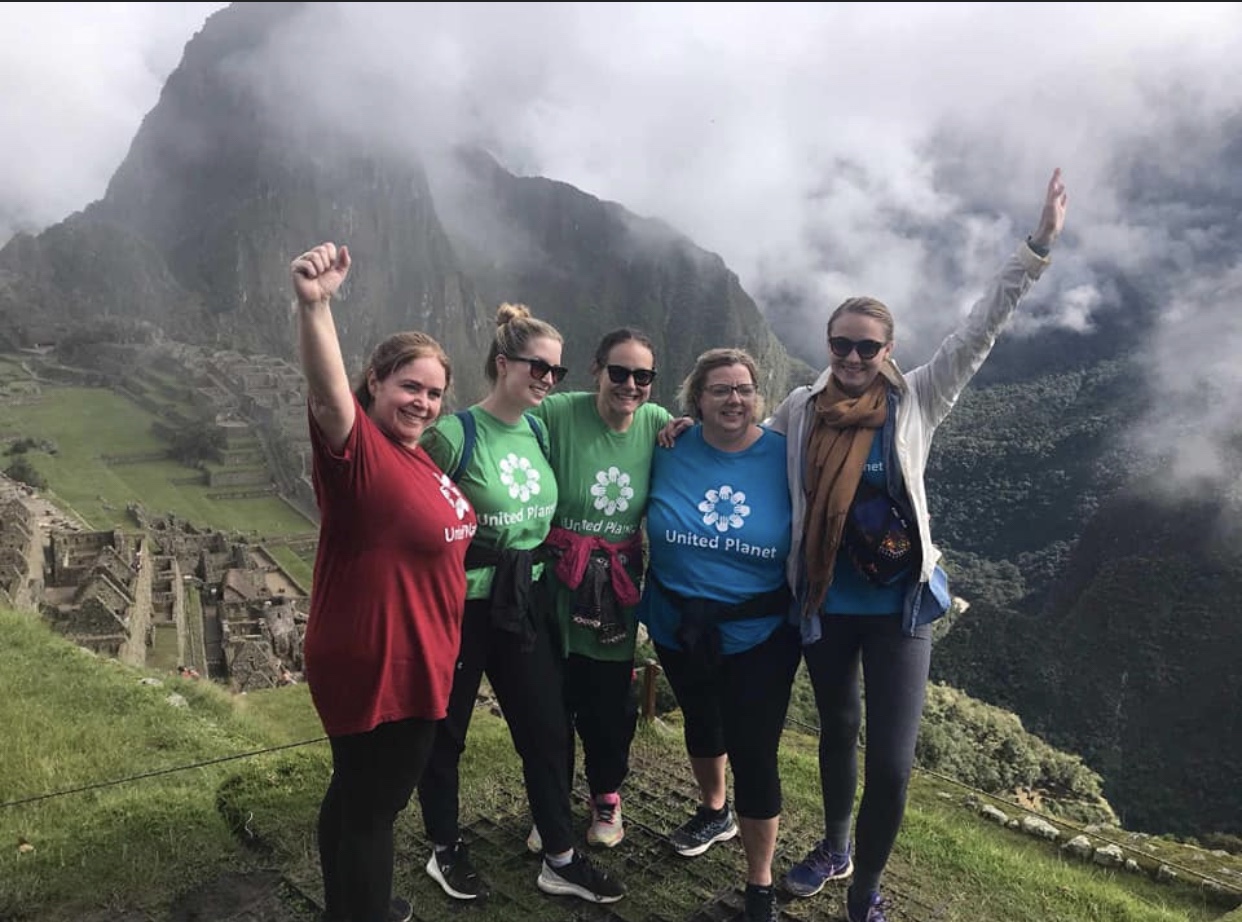
With all that, after one of the most amazing experiences of our lives we bussed back to Aguas Calientes for something to eat and then a have a nice relaxing evening before we head back to our hostel in Cusco.
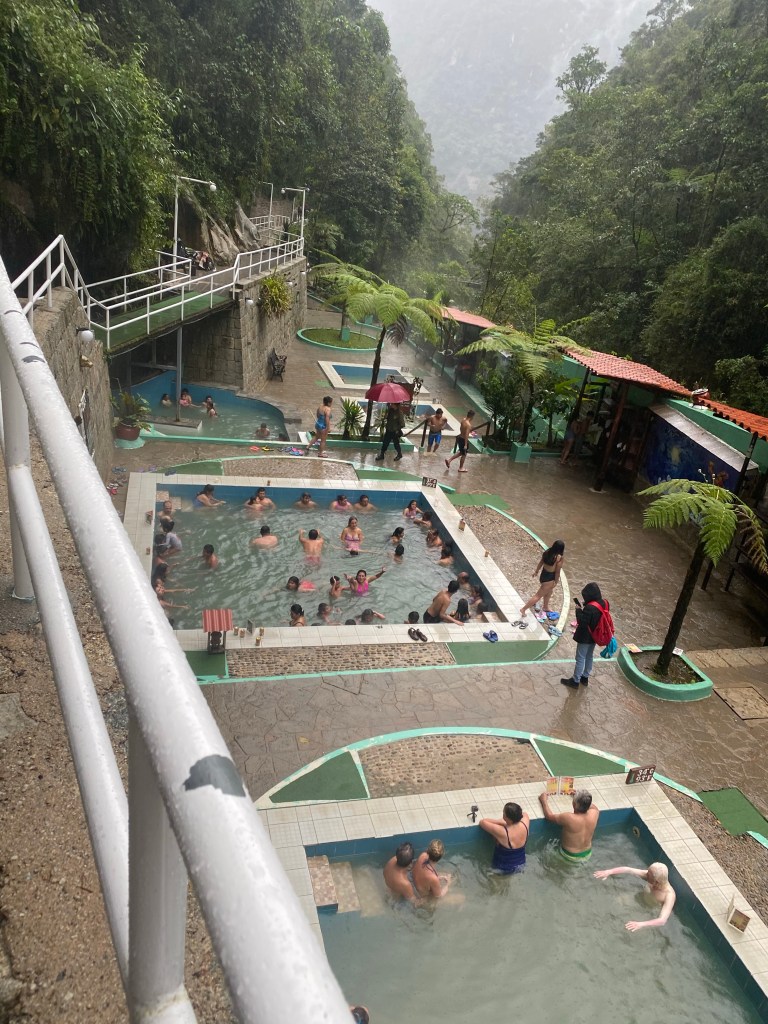
We travelled back to Ollantaitambo by train at around 8:50pm. We then bussed back to San Blas Cusco where our hostel is located.
Today was truly an amazing and emotional experience!
Today will be a day we will remember forever!
-Austin Chapman
 Austin Chapman Blogs
Great adventure
LikeLiked by 1 person
So much information lots to see …So happy for all the pictures….Presented with such heart loving perfection. Thanks againlove it 💖
LikeLiked by 1 person
Wow this is on my Bucket List – so happy for you guys to experience it. 😊
Sent from my iPhone
LikeLiked by 1 person